Nana Wu
In the expansive landscape of Marvel’s current mutant publishing initiatives, few titles have carried the weight of expectation quite like X-Men United. Marketed as the definitive anthology-style tapestry that would weave together the entire sprawling roster of the X-Men, the series promised a convergence of veteran soldiers and fresh-faced students. However, for its first four issues, the title struggled to find a consistent rhythm, often retreating into the well-trodden territory of Cyclops and Emma Frost’s turbulent power dynamics.
That narrative inertia has been shattered by X-Men United #5. In a refreshing turn of events, writer Eve L. Ewing has stumbled upon a compelling, organic formula that shifts the series’ center of gravity from established icons to the next generation of mutants. This pivot not only revitalizes the book but suggests a new, sustainable direction for the franchise.
The Core Conflict: A Descent into Shadow
The plot of X-Men United #5 serves as a catalyst for this shift. The issue picks up in the wake of a botched intervention by Iceman, who attempted to resolve the ideological friction between Cyclops and Emma Frost through a structured role-playing game simulation. The plan predictably collapses when the Shadow King—a classic, menacing antagonist—seizes the opportunity to invade the mental construct.

The stakes are immediate and visceral. As the simulation fractures, Deathdream is violently ejected from the digital construct, forced to rally his peers as the Shadow King’s corruption begins to seep into the physical world of Greymatter Lane. While the senior X-Men, including Cyclops, Emma, Iceman, and Rogue, find themselves locked in a desperate struggle to prevent the Shadow King from fully commandeering the mind of Ben Liu, the real heart of the issue beats within the student body.
A New Focus: The Rise of the Next Generation
The standout achievement of this installment is Ewing’s decision to prioritize the students of the X-Men. For too long, the narrative weight of the series had been tethered to the "old guard." By allowing characters like Melee and Sophie Cuckoo to take command of the tactical situation, Ewing highlights a dynamic that feels both earned and necessary.
The decision to integrate deep-cut characters—such as Match, Wolf Cub, and Icarus—recalls the beloved Academy X era, grounding the high-concept superheroics in a relatable school-drama setting. The Outliers’ ability to unite the disparate student body provides a narrative anchor that the series previously lacked. When the students are given agency, the book ceases to be a rehashing of past traumas and becomes a proactive exploration of what it means to be a young mutant in a world that refuses to offer them stability.
Visual Storytelling: The Art of Corruption
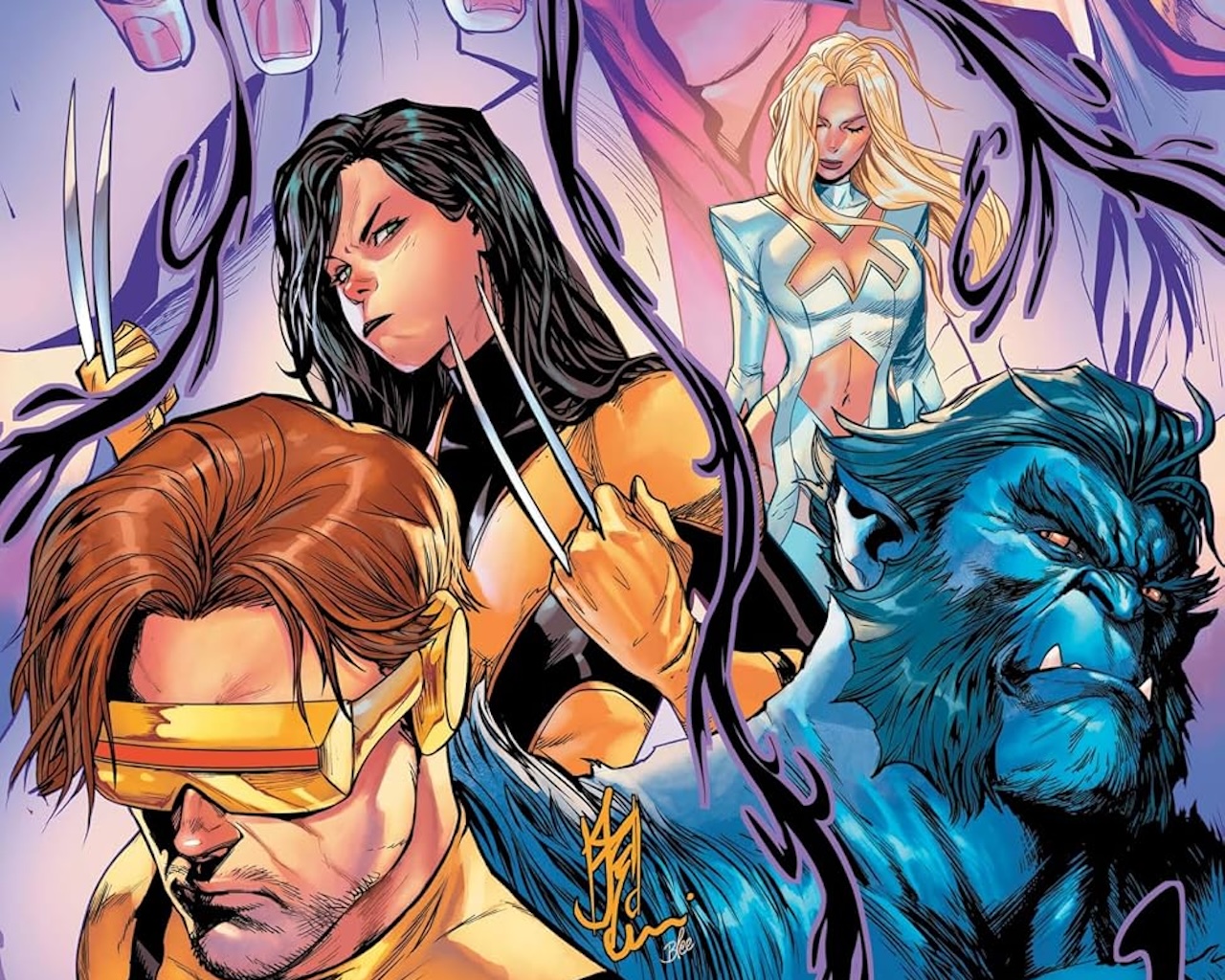
Eduardo Pansica’s artwork is instrumental in conveying the shift in tone. Pansica demonstrates an impressive range, balancing the emotional urgency of the students’ bond with the creeping, eldritch horror of the Shadow King’s influence.
A particularly chilling element of this issue is the visual representation of possession. As the Shadow King exerts control, the victims are transformed; their eyes become unsettling, beady pools of black, and their expressions shift into something demonic and cold. This horror-inflected approach is perfectly complemented by Brian Reber’s color palette. Reber renders Greymatter Lane as a pristine, sterile white space—a visual metaphor for Emma Frost’s controlled, clinical mental architecture. As the Shadow King’s corruption spreads, this white landscape is consumed by encroaching darkness, creating a stark, high-contrast visual experience that heightens the tension.
Implications for the ‘X-Men United’ Brand
The success of X-Men United #5 raises critical questions regarding the editorial direction of the X-Men franchise.

- The "School" Identity: The X-Men have always been at their best when the school setting serves as the foundation for the story. By leaning into the student-led dynamic, Ewing proves that the franchise does not need to constantly rely on the high-stakes political drama of the senior leadership to remain relevant.
- Character Utility vs. Narrative Depth: The issue highlights a recurring flaw in the current meta-narrative: the treatment of Ben Liu. While his struggle is central to the plot, he often functions as a "plot device" rather than a fully realized character. Future issues must reconcile his role with the rich character work being done on the students to avoid lopsided storytelling.
- The "Cyclops and Emma" Fatigue: While the history between Cyclops and the White Queen is foundational, their recurring arguments have become a drag on the momentum of X-Men United. The reader feedback suggests a clear appetite for the ensemble-driven approach rather than the claustrophobic focus on these two specific figures.
Chronology of Events in Issue #5
- The Failed Simulation: Iceman’s attempt to bridge the gap between Cyclops and Emma Frost via a tabletop-style mental game is compromised by the arrival of the Shadow King.
- The Breach: Deathdream is expelled from the simulation to warn the campus, signaling the beginning of the Shadow King’s physical and mental siege on Greymatter Lane.
- Student Mobilization: As the adults are occupied with the metaphysical threat, the student body, led by the Outliers, takes charge of defense and organization.
- The Climax: A convergence of the students’ efforts and the senior X-Men’s intervention against the Shadow King results in a fragile, yet pivotal, moment of unity.
Supporting Data: Why This Formula Works
The transition in this issue is not merely stylistic; it is a tactical correction based on reader engagement. The inclusion of legacy characters like Wolf Cub and Icarus serves a dual purpose: it rewards long-term readers who have invested in the Academy X era while simultaneously providing fresh dynamics for the current students to navigate.
Furthermore, the tonal shift from "political drama" to "survival/action" provides a more natural environment for an ensemble cast. When the characters are forced into a singular, high-pressure situation, the differences in their power sets and personalities become a source of strength rather than a narrative inconvenience.
Official Stance and Reception
While Marvel has yet to issue an official statement regarding the shift in the series’ tone, the critical reception of X-Men United #5 has been overwhelmingly positive, specifically regarding the decision to highlight the younger mutants. Critics have pointed out that the series was initially "billed" as a comprehensive look at the entire mutant roster, but it was only in this fifth issue that it finally delivered on that promise. By stepping away from the "Cyclops and the White Queen" loop, the book has successfully diversified its narrative focus.

Future Outlook
As we look toward the next chapter, the trajectory of X-Men United depends entirely on whether the creative team continues to lean into this newfound dynamic. If the series persists in focusing on the growth and resilience of the students, it has the potential to become one of the "must-read" books in the current Marvel catalog.
The Shadow King may have been the primary antagonist of this arc, but his most significant contribution was perhaps the unintentional pressure he applied, forcing the X-Men to stop bickering and start working as a collective. If Ewing and Pansica can maintain this balance—keeping the threat level high while prioritizing the development of the student body—they will have successfully rescued X-Men United from the brink of creative stagnation.
The lesson is clear: for the X-Men to truly be "united," they must stop looking exclusively to their past leaders and start trusting the potential of those they are meant to teach. Whether this remains a temporary detour or the new status quo remains to be seen, but for now, the path forward is illuminated, and it is paved by the younger generation of mutants.


 Sagoh
Sagoh
 Ammar Sabilarrohman