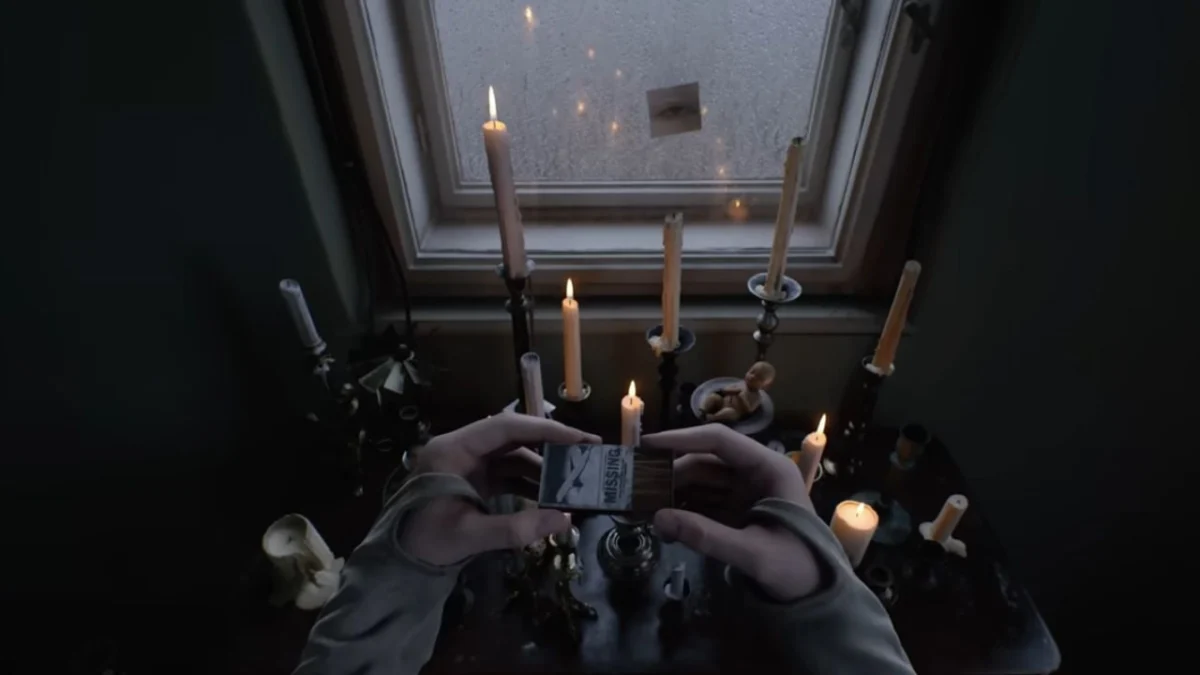
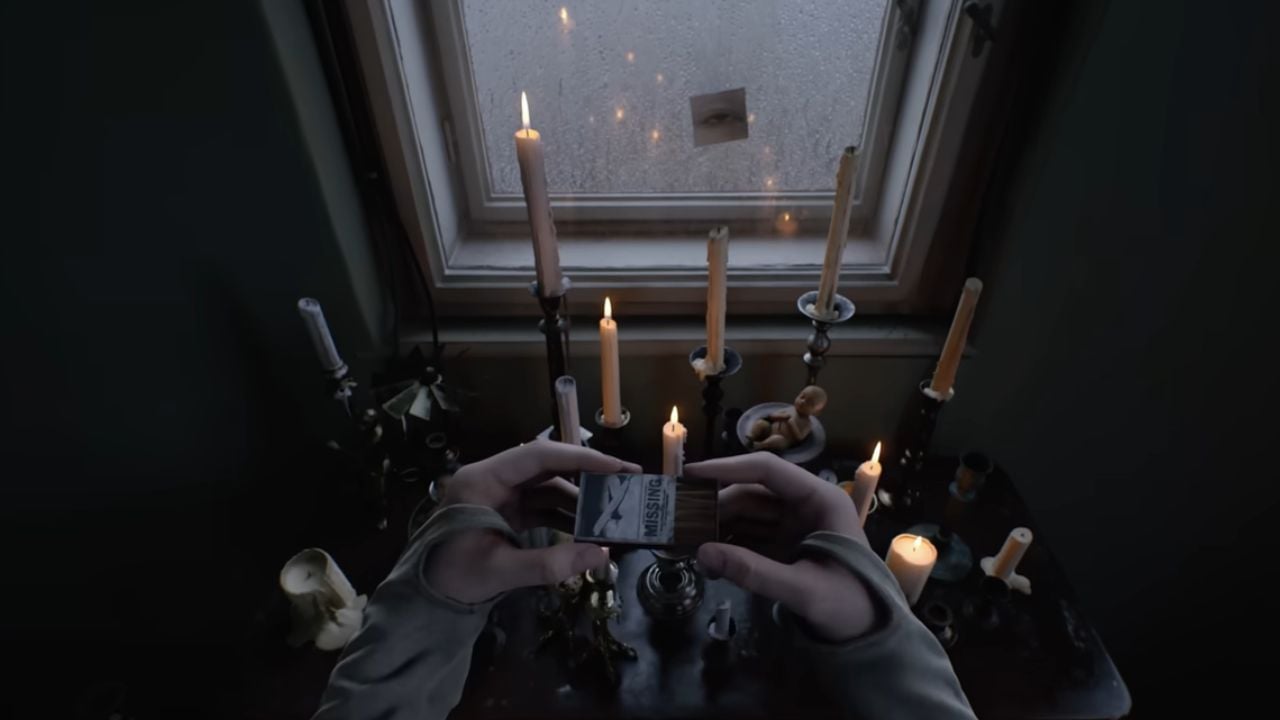
The video game industry is currently weathering a turbulent storm of corporate restructuring, and few companies have been under the microscope as intensely as Microsoft’s Xbox division. As the gaming giant maneuvers through a complex strategy of recalibrating its internal resources, fans and industry analysts alike have been left reeling by a series of high-profile studio closures and project cancellations. However, amidst the uncertainty surrounding the future of several beloved developers, reports confirm that one of the industry’s most anticipated projects—Hideo Kojima’s experimental horror title, OD—remains firmly on track.
Main Facts: The State of Xbox’s Development Portfolio
The Xbox ecosystem is currently in a state of flux. In a strategic pivot designed to streamline operations and prioritize high-impact titles, Microsoft has implemented a sweeping series of changes. These moves have been met with a mixture of hope and intense criticism. On one hand, the company has made consumer-friendly adjustments, such as refining Game Pass pricing structures and curbing the implementation of aggressive AI initiatives within its hardware ecosystem. On the other hand, the cost of these optimizations has been paid in the form of personnel layoffs and the shuttering of established studios.
Despite this climate of consolidation, OD stands as a pillar of stability. A collaborative effort between the visionary Hideo Kojima—the mastermind behind the legendary Metal Gear and Death Stranding franchises—and Xbox Game Studios, the project is being developed by Kojima Productions. Unlike other projects that have fallen victim to the "reset," OD is reportedly shielded from the current wave of cancellations. This is largely attributed to the unique nature of the partnership, which positions the title as a flagship "cloud-native" experience that utilizes Microsoft’s Azure technology to push the boundaries of interactive horror.
Chronology: A Timeline of Turbulence
To understand why the safety of OD is such a significant talking point, one must look at the timeline of events that have defined Xbox’s recent history.
The Wave of Closures
The disruption began to crystallize earlier this year as rumors of internal restructuring hardened into reality. The most stinging blow came when Microsoft announced the closure of several studios that had recently delivered critically acclaimed content. Most notably, the shuttering of Tango Gameworks and the consolidation of other ZeniMax-owned entities sent shockwaves through the community.
The Ninja Theory Case
Perhaps the most egregious example of this instability was the closure of Ninja Theory’s associated operations. The developer, known for the psychological depth of Hellblade: Senua’s Sacrifice, saw its latest title, Senua’s Saga: Hellblade II, launch to significant fanfare. However, the subsequent restructuring within the studio served as a stark reminder that even a recent, high-profile release does not guarantee institutional safety under the current corporate mandate.
The Project Fantasy Pullback
Most recently, the narrative took another turn when it was revealed that Microsoft had opted to terminate its involvement in Project Fantasy, a collaborative effort with IO Interactive (the developers behind the Hitman series). This decision not only led to the cancellation of the project but also triggered a fresh round of layoffs, further fueling concerns about the longevity of third-party collaborations and internal projects alike.
Supporting Data: The Broader Industry Context
The struggles facing Xbox are not occurring in a vacuum. The gaming industry as a whole is experiencing a "post-pandemic correction." During the COVID-19 lockdowns, gaming saw an unprecedented surge in revenue and player engagement, leading many companies to over-expand. As player habits have normalized, the subsequent revenue stagnation has forced a correction.
According to industry trackers, over 10,000 workers in the gaming sector were laid off in 2023, and 2024 is currently on track to match or exceed those figures. Microsoft’s internal reshuffling reflects these macroeconomic pressures:
- Asset Allocation: Resources are being funneled into "guaranteed" revenue drivers, such as the Call of Duty franchise and existing Game Pass pillars, rather than experimental mid-tier projects.
- Studio Independence vs. Integration: Microsoft is moving toward a more centralized model, which limits the autonomy of boutique studios like Arkane, Double Fine, and Undead Labs, all of which remain under intense pressure to prove their long-term financial viability.
Official Responses and Strategic Rationale
Microsoft’s leadership, including Phil Spencer, has framed these difficult decisions as necessary for the long-term health of the Xbox brand. In various internal memos leaked to the press, leadership has emphasized that the goal is to create a "sustainable business model" that can support the high costs of modern AAA game development.

Regarding the specific status of projects like OD, Microsoft has remained relatively quiet, preferring to let the developers speak for themselves. However, sources close to the partnership suggest that OD is viewed as a "prestige project." By funding a game that leverages cutting-edge technology and the immense creative capital of Hideo Kojima, Xbox is attempting to secure a unique selling point that no other platform can replicate. This suggests that while Xbox is willing to cut loose studios that do not fit their immediate quarterly goals, they are willing to preserve high-risk, high-reward partnerships that define the platform’s future identity.
Implications: What This Means for the Future of Xbox
The survival of OD provides a window into how Xbox intends to survive this transitional period. There are several key implications for the future:
1. The "Prestige" Buffer
It appears that the safest projects at Xbox are those that are technically ambitious and highly visible. OD acts as a tech demonstrator for Xbox’s cloud capabilities. Projects that are viewed as purely traditional—or those that lack a clear "hook" for the Game Pass subscription model—are far more likely to be discarded during the next round of budget cuts.
2. A Shift in Third-Party Relationships
The cancellation of Project Fantasy suggests that Xbox is becoming more selective in its external partnerships. The company is no longer interested in "incubating" projects that require long-term investment without a clear path to market dominance. Only projects that are deemed essential to the brand’s image, like those from Kojima or Bethesda’s core teams, are being given the green light for long-term development.
3. The Human Cost of Efficiency
While the safety of OD is a relief for fans of Kojima’s work, the broader context remains somber. The industry is losing talent at an alarming rate. As studios like Arkane and others remain on the chopping block, the industry risks a "brain drain" where institutional knowledge and creative culture are lost in favor of leaner, more homogenized production cycles.

Conclusion
The video game industry is currently in a state of painful metamorphosis. Xbox, as one of the primary drivers of this change, is making cold, calculated decisions that prioritize financial efficiency over creative experimentation. While the news that Hideo Kojima’s OD is safe provides a flicker of hope for those who value unique, auteur-driven gaming experiences, it serves as a stark reminder of the current reality: in the modern AAA landscape, even the most legendary developers are subject to the whims of corporate restructuring.
For the fans of OD, the path ahead is clear: the game is safe, and it remains one of the most exciting prospects on the horizon. However, for the industry at large, the story of Xbox’s restructuring is far from over. As we look toward the future of gaming, the question remains whether the pursuit of efficiency will come at the cost of the very innovation that made the medium great in the first place. For now, the spotlight remains on Kojima and his team as they continue their work, safe from the storm, while the rest of the industry watches to see who will be next to face the restructuring axe.