

In the landscape of modern social media, where platforms like TikTok and Instagram prioritize rapid, viral discovery, LinkedIn stands as a defiant outlier. With over one billion global members, the professional network has made its stance clear: it is not designed for virality. Instead, its algorithm is a highly calibrated recommendation engine built to foster professional growth, expert positioning, and meaningful industry discourse.
For marketers, founders, and professionals aiming to build their personal brand, understanding the mechanics of this system is no longer optional—it is a competitive necessity. As we navigate the 2026 digital environment, the algorithm has shifted its focus further toward relevance, depth, and genuine authority.

The Core Philosophy: Why LinkedIn Rejects Virality
Unlike consumer-facing platforms that thrive on short-lived trends, the LinkedIn algorithm operates on a "quality-first" mandate. Its primary goal is to surface professional insights that provide genuine value to a user’s career or industry standing.
LinkedIn’s engineering team has explicitly stated that the platform is not designed to help content "go viral" in the traditional, chaotic sense. Instead, the system prioritizes "professional relevance." When you post, the algorithm isn’t looking for shock value; it is looking for expertise, actionable advice, and contributions that move a professional conversation forward. For brands and individual creators, this is a distinct advantage: it means your content is being matched with a primed, professional audience rather than a generic, fleeting one.

The Chronology of an Algorithm Update: How Your Post Travels
To master the feed, you must understand the journey your content takes from the moment you hit "publish." The process is a rigorous three-step validation cycle.
1. The Quality Filter: Initial Assessment
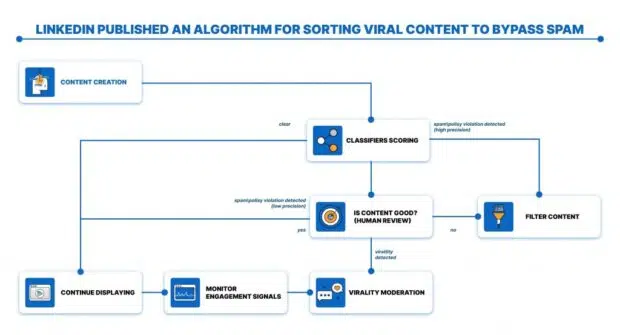
The moment a post is shared, the platform’s AI evaluates it against strict community guidelines and spam filters. This is the "gatekeeper" phase. The algorithm is scanning for low-quality signals: excessive hashtags, deceptive clickbait, or content that violates professional community standards. If a post is deemed suspicious or clearly spam, its reach is severely throttled. If the AI is uncertain, the post may be flagged for human review. Once it clears this hurdle, the content is deemed "safe" for distribution.
2. The "Golden Hour" Test
Once the content is approved, LinkedIn initiates a test distribution. It shares your post with a small, representative sample of your immediate network. The algorithm then tracks the "velocity" of engagement during this critical first hour—often referred to as the "golden hour."
Crucially, not all engagement is valued equally. A simple "like" carries less weight than a thoughtful comment or a share with commentary. The algorithm is looking for meaningful interaction—signals that your content has sparked a real professional discussion. If this initial cohort engages, the algorithm signals that the content is high-value, and it gradually expands the distribution to second- and third-degree connections.
3. Long-Term Distribution and Relevance
Unlike many platforms where a post’s half-life is measured in hours, LinkedIn’s 2026 updates have confirmed a shift toward "relevance over recency." The algorithm is now capable of surfacing high-performing, evergreen content days or even weeks after it was originally posted. If your post is receiving consistent, high-quality engagement, it will continue to be injected into feeds, proving that deep, educational content is far more valuable than the daily "chase" for engagement.
Supporting Data: Why Strategy Beats Volume
The data supporting this shift is compelling. LinkedIn’s internal metrics consistently show that users prefer posts that solve problems or provide unique industry perspectives.
- Video Dominance: Video content currently generates five times the engagement of static posts, with LinkedIn Live events yielding up to 24 times the interaction.
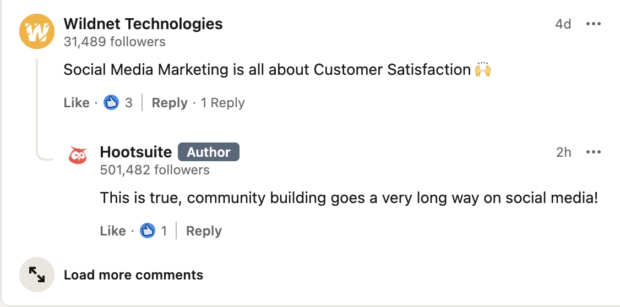
- The Power of Documents: Carousel posts (PDF documents) have emerged as the gold standard for reach. These posts encourage "dwell time," as users must click through each slide, signaling to the algorithm that the content is worth the reader’s time.
- Consistency vs. Frequency: Data indicates that a consistent weekly posting schedule leads to a 2x increase in engagement compared to sporadic, high-volume posting. The algorithm favors the "reliable expert" over the "intermittent broadcaster."
Official Stance and Recent Algorithm Changes (2026)
In 2026, LinkedIn’s engineering updates have focused on three primary pillars: Expertise, Authenticity, and Native Retention.
The Rise of "Topic Authority"
LinkedIn is now prioritizing accounts that establish consistent topical authority. If you post consistently about "Supply Chain Logistics" or "SaaS Sales," the algorithm identifies you as a subject-matter expert. This recognition grants your posts a "relevance boost," ensuring your insights reach people who follow those specific topics, even if they aren’t in your immediate network.
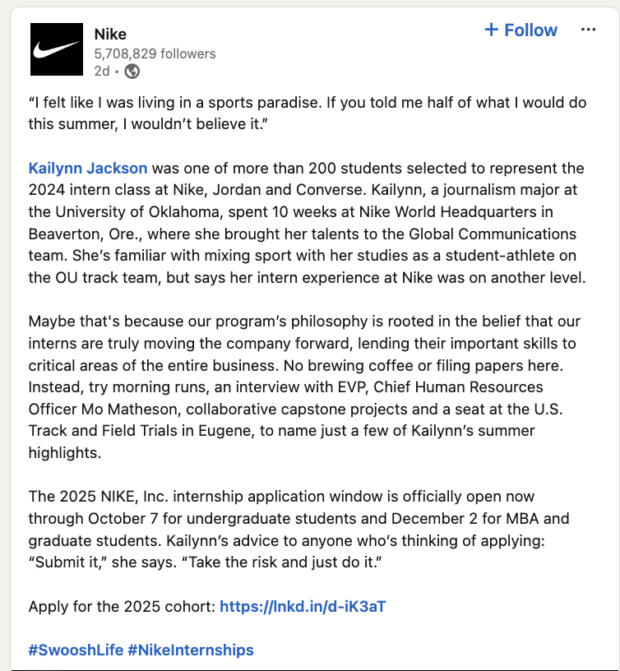
The War on Engagement Bait
The platform has become significantly more adept at identifying "engagement bait"—posts that use phrases like "Comment YES to get the PDF" or "Like if you agree." While these tactics once worked, they are now penalized. LinkedIn’s AI is increasingly prioritizing posts that facilitate organic, high-level discussions.
Native Content Preference
LinkedIn is heavily incentivizing users to keep their traffic within the platform. Posts that contain outbound links to external websites often see their reach suppressed. To combat this, the "link in comments" strategy has become the industry standard, allowing users to provide value within the post itself while directing interested parties to the comments for external resources.
Strategic Implications: How to Win in 2026
To thrive under the current algorithmic regime, professionals and brands must adjust their playbooks.
1. Curate Your Niche
Do not attempt to be a generalist. Choose two or three core topics and stick to them. By narrowing your focus, you allow the algorithm to categorize you accurately, which improves your visibility to the right audience segments.
2. Master the "Dwell Time"
Create content that keeps users on your post. Use long-form text, carousel documents, and native video. The longer a user spends engaging with your post—whether reading your insights or watching a clip—the higher the algorithm ranks your content.
3. Foster Meaningful Dialogue
Stop chasing vanity metrics. Instead, end your posts with questions that demand a nuanced response. When someone comments, reply with a question or an additional insight. LinkedIn sees this conversation as a "high-signal" interaction, which triggers a wider distribution of your content to the commenter’s network as well.
4. Leverage Your "Golden Hour"
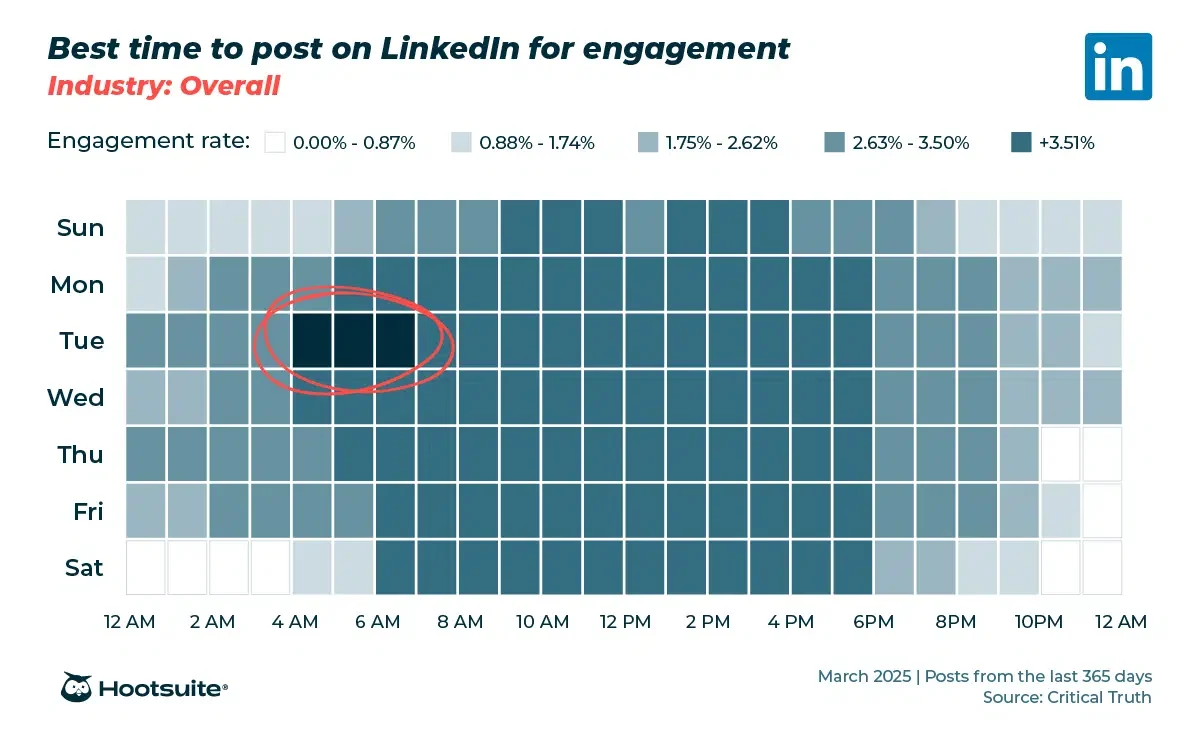
Since the first hour of your post is vital, ensure you are active on the platform when you post. Engage with other people’s content for 15 minutes before you publish, and stay online for 15 minutes after. This "social warming" signals to the algorithm that you are a human, active participant in the community, not just a content bot.
5. Utilize Analytics for Iteration
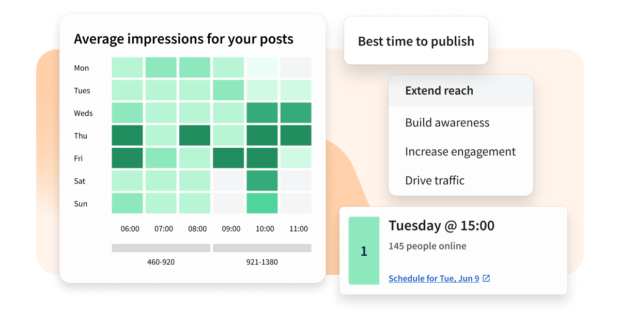
Finally, treat your LinkedIn dashboard as a laboratory. Identify which posts receive the most "saves" and "comments." These are your most valuable pieces of content. Replicate the format, timing, and tone of these winners, and discard the content that fails to generate meaningful discourse.
Conclusion
The LinkedIn algorithm of 2026 is a sophisticated reflection of the professional world itself. It rewards those who are patient, those who contribute authentic expertise, and those who treat the platform as a place for community building rather than a megaphone for self-promotion. By aligning your strategy with these realities—focusing on depth, authority, and genuine conversation—you can transform your LinkedIn presence from a passive profile into a powerful engine for professional opportunity.











