

Steven Spielberg is, without question, the most influential director in the history of cinema. His name has become synonymous with the craft of filmmaking itself, a shorthand for wonder, technical precision, and emotional storytelling. Yet, despite a career spanning over five decades and an unparalleled mastery of tension—evidenced by iconic sequences like the raptor-filled kitchen in Jurassic Park or the relentless pursuit in Duel—Spielberg has never helmed a "true" horror film.
For years, fans and critics have speculated about why the man who taught the world to fear the ocean (Jaws) has avoided the genre that thrives on visceral, sustained terror. In a recent, candid interview with Empire magazine, the legendary director provided a surprising answer: he isn’t avoiding horror out of a lack of interest, but rather out of a deep sense of artistic fulfillment derived from the works of others. Specifically, Spielberg points to the 2025 breakthrough hit Weapons as the reason he feels no personal "itch" to enter the genre himself.
The "Weapons" Effect: A High Bar for Modern Horror
In the landscape of 21st-century cinema, few films have shifted the needle quite like Zach Cregger’s Weapons. Following the massive success of his 2022 indie breakout Barbarian, Cregger cemented his status as a premier voice in horror with this latest project. Released in August 2025, Weapons did not merely perform well at the box office; it fundamentally altered the expectations for the genre.
Spielberg, reflecting on his own career and the state of horror, told Empire: "I haven’t directed a horror film yet, and I’ve always wanted to, and someday I may. But there have been some great horror films out already that satisfy that itch. When I see a great horror film like Weapons, I don’t have an itch I need to scratch. I see Weapons, and it doesn’t make me want to make a horror film that’s as scary or scarier than Weapons. It satisfies me so completely, it actually arrests my desire to someday make a really, really scary movie."
This admission is profound. It suggests that for Spielberg, the act of creation is tied to a void in the cultural conversation. When he perceives a masterpiece that achieves the exact tone and impact he might aim for, his motivation to replicate that experience wanes.
Chronology of a Genre Giant
To understand Spielberg’s hesitation, one must look at his historical relationship with fear. While he has never directed a horror feature, his career is littered with "gateway horror" milestones that traumatized a generation:
- 1975: Jaws introduces the world to the concept of the "invisible monster," utilizing suspense and John Williams’ score to create a psychological horror experience that kept audiences out of the water for years.
- 1982: Poltergeist (which he produced and heavily influenced) remains one of the definitive supernatural horror films, blending suburban normalcy with grotesque, otherworldly threats.
- 1993: Jurassic Park features the kitchen scene, often cited by film students as a masterclass in blocking, tension, and silence—the building blocks of pure horror.
- 2025: The release of Weapons. The film’s critical and commercial success provides a new benchmark, leading to the current discourse regarding Spielberg’s potential shift into the genre.
- 2026: Amy Madigan’s historic Academy Award win for her role as "Aunt Gladys" in Weapons marks a paradigm shift, signaling that the industry is finally recognizing horror performances with the prestige traditionally reserved for dramas.
The Anatomy of "Weapons": Why It Resonates
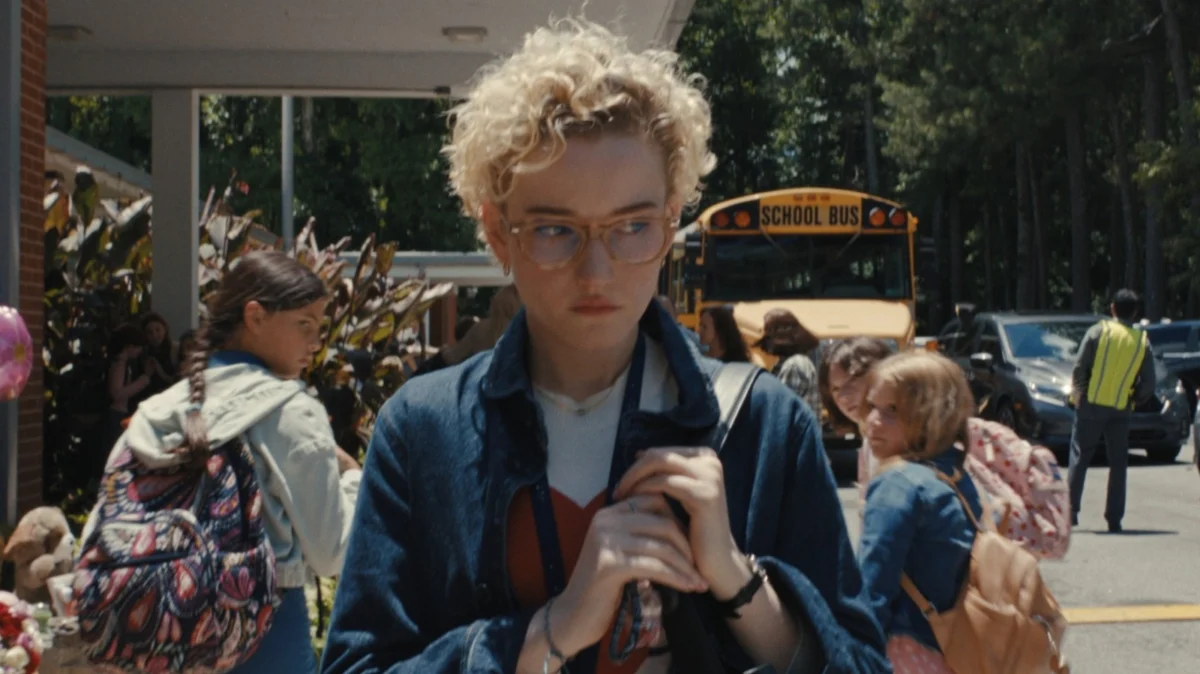
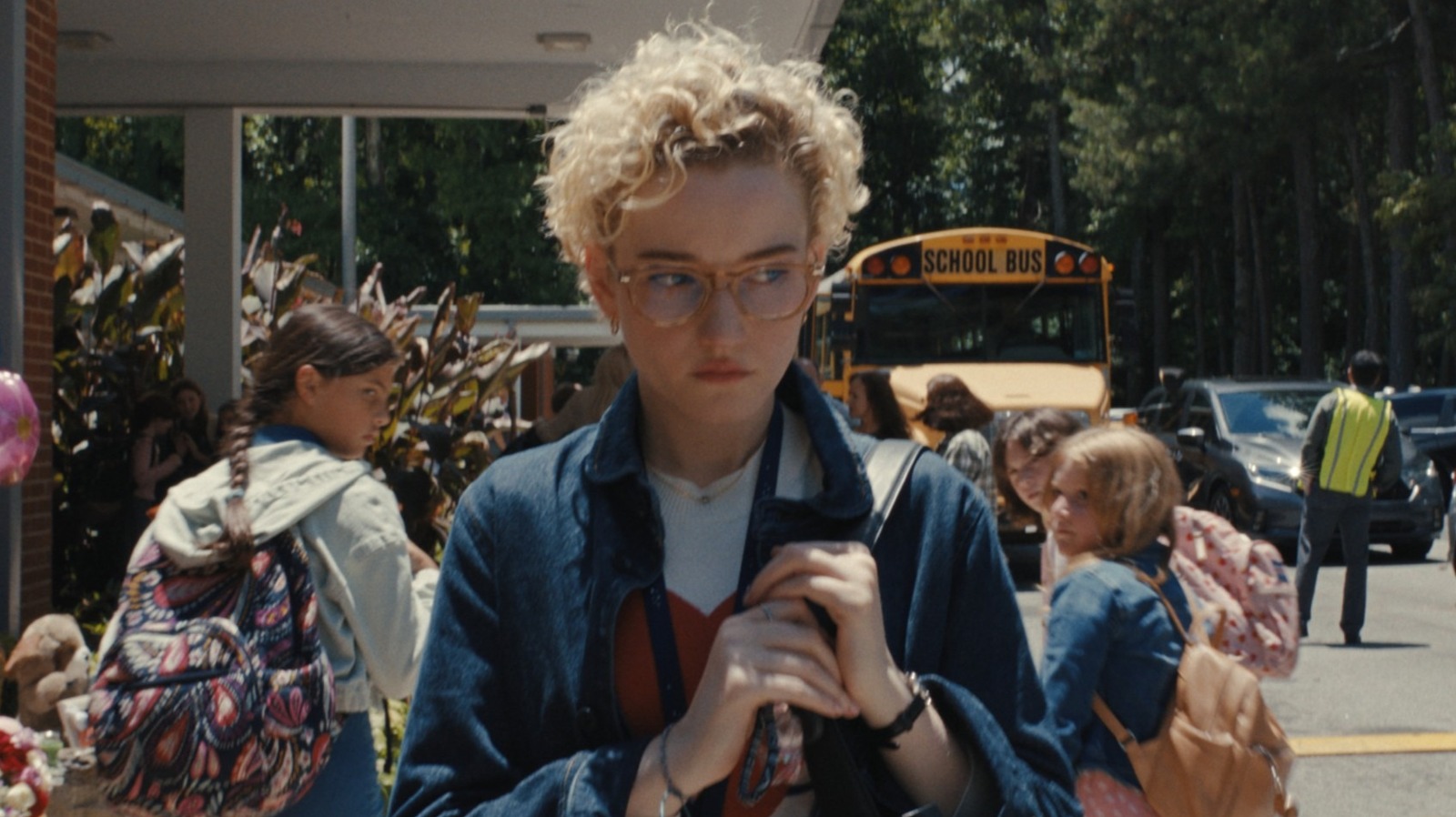
Weapons is a film defined by its atmosphere of inexplicable dread. Set in a fictional Pennsylvania suburb, the narrative kicks off when 17 children vanish into the night without a trace. The mystery deepens as it becomes clear that these children belong to the same classroom as the protagonist, Justine Gandy (Julia Garner).
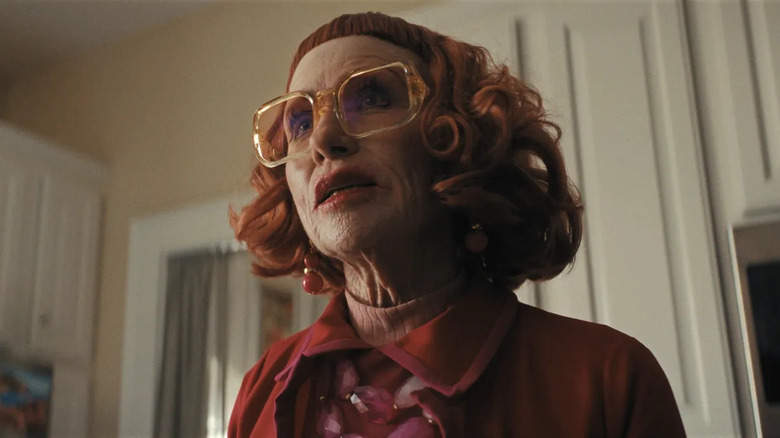
The film’s antagonist, Aunt Gladys, portrayed with chilling precision by Amy Madigan, represents a rare triumph in horror characterization. Madigan’s performance—characterized by a grotesque aesthetic of red wigs and heavy makeup—earned her an Oscar for Best Supporting Actress, the first such win for a horror performer since the early 1990s.
The success of Weapons is not just in its scares, but in its ability to balance comedy, social commentary, and genuine, stomach-churning terror. It is this "complete" experience that Spielberg references. When a film hits every emotional and visceral beat with such precision, it leaves little room for a director of Spielberg’s stature to feel that he is "adding" something necessary to the conversation.
Official Responses and Industry Implications
The industry reaction to Spielberg’s comments has been one of immense respect. Filmmakers often view the "horror" genre as a young person’s game—a test of stamina and technical trickery. For a director who has moved into a period of deep, reflective filmmaking, the desire to compete with the sheer intensity of a film like Weapons is perhaps less appealing than it would have been in his 30s or 40s.
Furthermore, the news that Weapons is receiving a prequel focused on the origins of Aunt Gladys suggests that the franchise is becoming a cultural pillar. The decision by the studio to expand this world, despite the self-contained brilliance of the original, indicates that the "horror itch" of the public is being well-tended to by Cregger and his team.
The Future: "Disclosure Day" and the Creep Factor
While Spielberg may be stepping back from a "full-blown" horror project, his upcoming film Disclosure Day suggests he has not entirely abandoned the unsettling or the strange. The project, which hits theaters on June 12, marks his return to "hard" science fiction—a genre he has explored in War of the Worlds and Close Encounters of the Third Kind.
The buzz surrounding Disclosure Day is significant. With an ensemble cast including Emily Blunt, Josh O’Connor, and Colman Domingo, the film explores the existential crisis of humanity in the face of extraterrestrial contact. The trailer has already sparked intense fan theories, particularly regarding a scene where Blunt’s character, Margaret Fairchild, undergoes a disturbing transformation involving vocal mimicry and erratic behavior.
While Spielberg insists the film is not "horror," his definition of the genre may be evolving. In the context of his career, he has always been a director who finds the uncanny in the mundane. Whether it is a small town in Pennsylvania or the global implications of alien arrival, Spielberg’s ability to tap into collective anxiety is what has made him a titan of the industry.
Implications for the Genre
Does Spielberg’s "reluctance" matter? In the grand scheme of cinema, it reinforces a vital point: horror is currently in a Golden Age. When the greatest director of all time looks at the current output of the genre and decides to defer to his peers, it serves as a massive endorsement of the quality of modern horror.
Directors like Zach Cregger, Jordan Peele, and Ari Aster have created a landscape where the "horror" label no longer carries the stigma of B-movie status. It is a genre of prestige, artistic depth, and, as proven by Weapons, Oscar-worthy excellence.
Spielberg may never make a traditional horror movie. He may never give us a slasher or a haunted house film. But as he prepares to release Disclosure Day, it is clear that he remains a master of the "spooky," the "creepy," and the "unsettling." For now, he is content to let the current generation of horror filmmakers carry the torch, while he continues to explore the boundaries of the human experience through his own unique lens of wonder and fear.
As fans await the June release of Disclosure Day, one thing is certain: whether or not Spielberg ever fully commits to horror, his influence will continue to loom over every director who attempts to make an audience hold their breath, look over their shoulder, and fear the unknown.









No comments yet. Be the first to join the conversation!