

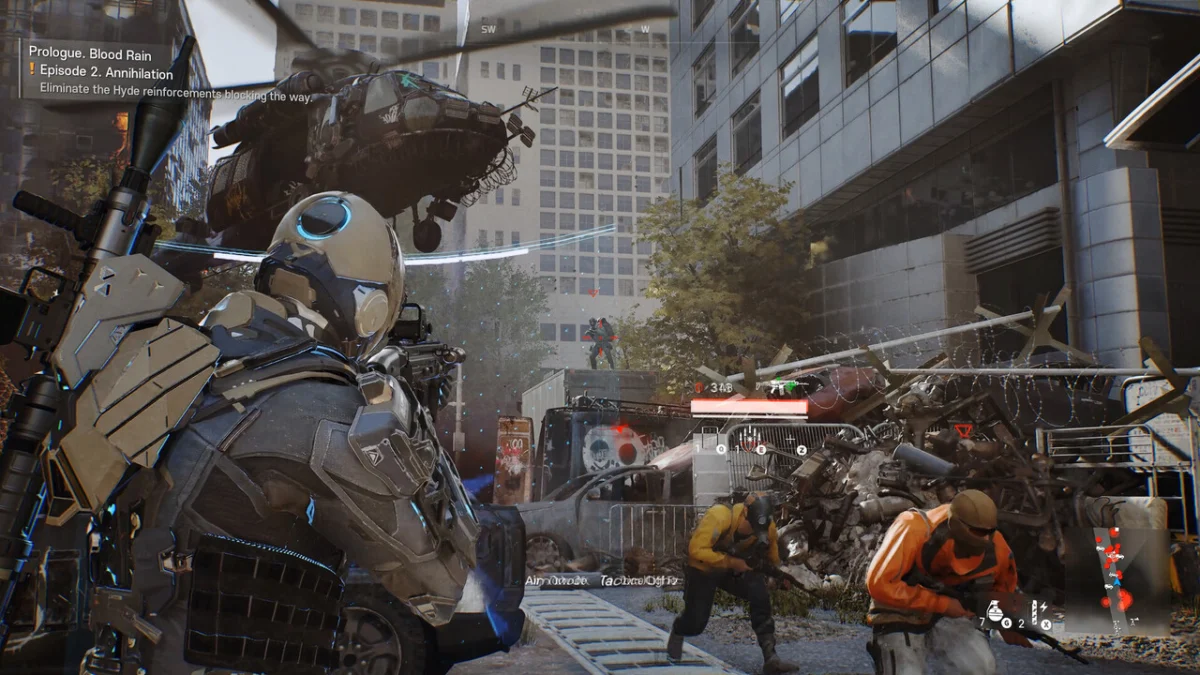
In the rapidly evolving landscape of PC gaming, developers are constantly pushing the boundaries of graphical fidelity and immersive world-building. However, a new title, Cinder City, has ignited a fierce debate within the enthusiast community—not for its gameplay mechanics or its dystopian narrative, but for its staggering, arguably unprecedented, RAM requirements. As the title prepares for its eventual launch, the hardware barrier to entry is causing many to question the optimization standards of modern game development.
The Core Facts: A New Benchmark for Memory Hunger
Cinder City, an ambitious "Open-World-Cinematic-Third-Person-Shooter," has officially posted its system requirements, and the numbers are nothing short of jarring. While the industry standard for high-end gaming has long sat at 16 GB of RAM, with 32 GB increasingly becoming the "recommended" tier for 4K gaming and heavy multitasking, Cinder City flips the script entirely.
According to the developer’s official documentation, the game demands a minimum of 32 GB of RAM. Even more striking is the recommended configuration, which calls for a massive 64 GB of system memory. For context, 64 GB is a capacity typically reserved for professional workstations, video editing rigs, or servers. Seeing this as a standard requirement for a consumer-facing shooter is a rarity that has left many gamers wondering if the title is poorly optimized or if it is utilizing a new, memory-intensive streaming architecture that current standards simply cannot accommodate.
Chronology of Development and Reveal
Cinder City is being developed by Big Fire Games, a South Korean studio operating under the umbrella of the NC Corporation—a gaming giant with a storied history in the MMORPG space, known for iconic titles like Guild Wars and Aion.
The journey of Cinder City began with the promise of a next-generation experience. The project was unveiled with the intention of bringing a cinematic, high-stakes tactical PvE (Player vs. Environment) experience to a massive, seamless open world. The most recent development milestone came in the form of a "Developer Preview" video, which showcased the atmospheric, neon-drenched ruins of a near-future Seoul.
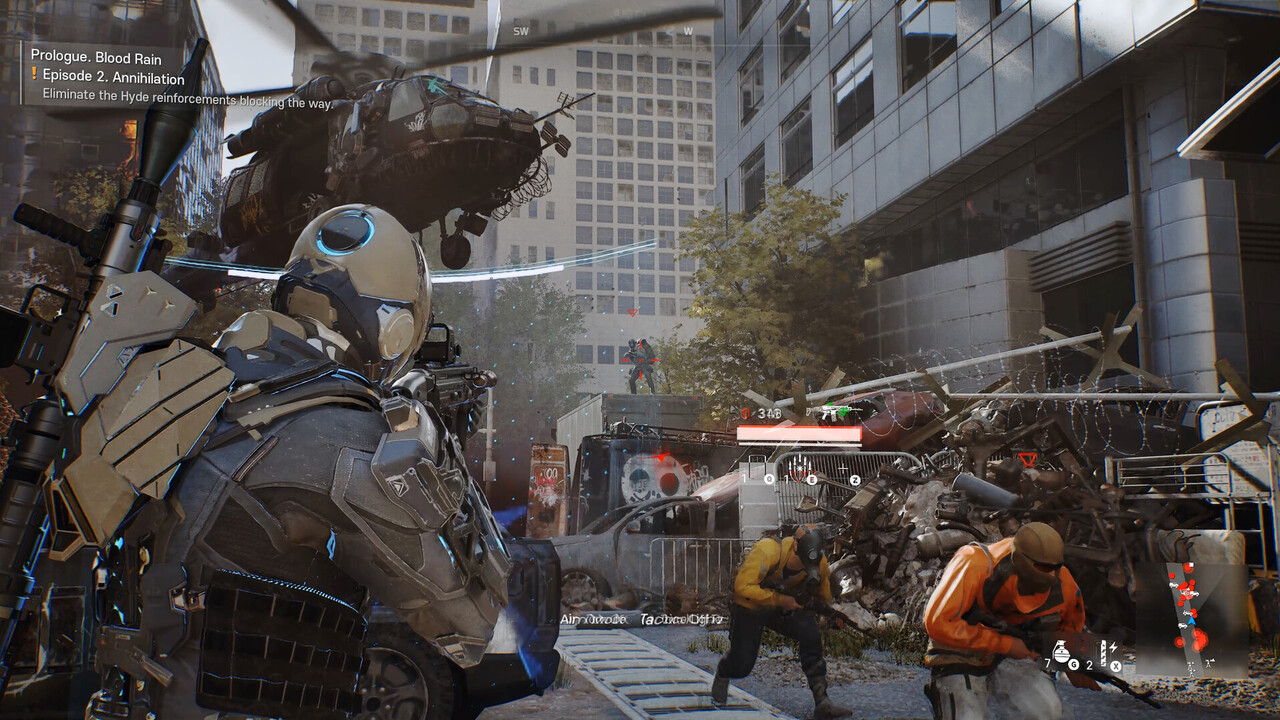
In this narrative, the city has fallen to chaos following a mysterious, catastrophic "Incident." The streets are now dominated by grotesque mutant creatures and ruthless criminal syndicates. Players take on the mantle of "Cinderknights," acting as the last line of defense for a crumbling civilization. The developer has leaned heavily into the "cinematic" aspect, suggesting that the memory demands may be linked to high-fidelity asset streaming or complex simulation layers within the city’s population and environment. However, the exact technical reason for such high memory consumption remains a point of intense speculation.
Supporting Data: The Landscape of Modern Hardware
To understand why the community is so surprised by these requirements, one must look at the current gaming ecosystem.
- Industry Trends: Most modern AAA titles—even those boasting cutting-edge ray tracing and photogrammetry—rarely exceed a 32 GB requirement for "Ultra" settings.
- Comparison to Competitors: Consider Escape from Tarkov, a title notoriously known for its memory leaks and high demand on hardware. Even Tarkov, which is often cited as an outlier, lists 16 GB as its minimum threshold. Cinder City is effectively doubling that minimum entry point.
- The Cost Factor: With the current market price of high-performance DDR5 memory kits, upgrading a rig from 16 GB or 32 GB to a 64 GB configuration represents a significant financial investment. For many, this cost is not justified by a single title, especially when compared to the GPU or CPU costs associated with modern gaming.
Interestingly, while the RAM requirements are astronomical, the CPU and GPU requirements remain remarkably moderate. The game does not explicitly mandate an NVMe SSD, which is another anomaly. Usually, games that require massive amounts of RAM do so because they are trying to compensate for slow storage read speeds. Cinder City seems to ignore this conventional logic, placing the burden almost entirely on the system’s volatile memory.
Analyzing the "Why": Technical Speculation
Why would a shooter require 64 GB of RAM? Hardware analysts have offered several theories:
- Asset Streaming Architecture: It is possible that the engine is pre-loading vast swathes of the "Open World" into memory to eliminate loading screens and pop-in. If the game is designed to keep a massive portion of the map in an active state, 64 GB might be a design choice rather than a necessity.
- Unoptimized Pre-Alpha Build: It is common for developers to provide "safe" requirements during the early stages of development. These figures may reflect the lack of memory cleanup and optimization that typically happens during the final polish phase of production.
- Complex AI/Simulation: Because the game focuses on large-scale PvE engagements in a dense city environment, the sheer number of active AI entities, physics objects, and environmental variables might be taxing the system’s ability to process data, necessitating a larger memory buffer.
Official Responses and Developer Stance
As of this writing, Big Fire Games has remained relatively quiet regarding the community backlash over the RAM requirements. In the developer preview, the focus was primarily on the artistic direction and the "Cinderknight" gameplay loop.
There has been no official statement confirming if these requirements are final or if they are simply a placeholder for the current state of development. Industry observers are waiting to see if a "Day Zero" patch or a revised set of system requirements will be released once the game enters a broader public beta phase. Until then, the community remains in a state of cautious skepticism.
Implications for the Future of PC Gaming
The situation surrounding Cinder City serves as a litmus test for the future of the PC platform. If high RAM requirements become the new norm, it will inevitably lead to a bifurcation of the player base.
- The Hardware Divide: If developers stop optimizing for standard 16 GB/32 GB systems, PC gaming could become an elitist hobby reserved for those who can afford workstation-grade hardware.
- The Optimization Crisis: There is a growing sentiment among gamers that modern developers are leaning too heavily on brute-force hardware rather than clever programming. The "Optimization Crisis" is a frequent talking point, and Cinder City has effectively become the poster child for this concern.
- Impact on Adoption: A high barrier to entry can stifle a game’s success. Even the most compelling narrative and innovative mechanics will struggle to gain traction if the audience is limited to the top 5% of PC owners who possess 64 GB of RAM.
Conclusion
Cinder City is undoubtedly one of the most anticipated titles from the South Korean development scene, offering a tantalizing vision of a dystopian Seoul filled with high-octane action. However, the path to playing it remains shrouded in technical mystery. Whether these extreme RAM requirements are a sign of a revolutionary, memory-hungry engine or simply a lack of optimization remains to be seen.
As the development cycle progresses, all eyes will be on Big Fire Games. They have a duty to clarify these specifications—either by providing a technical justification for the memory usage or by acknowledging that the current requirements are not representative of the final, optimized experience. Until then, prospective players should hold off on upgrading their hardware. The world of Cinder City looks breathtaking, but it currently demands a toll that most PC gamers are simply not ready to pay.











