Asro
Asro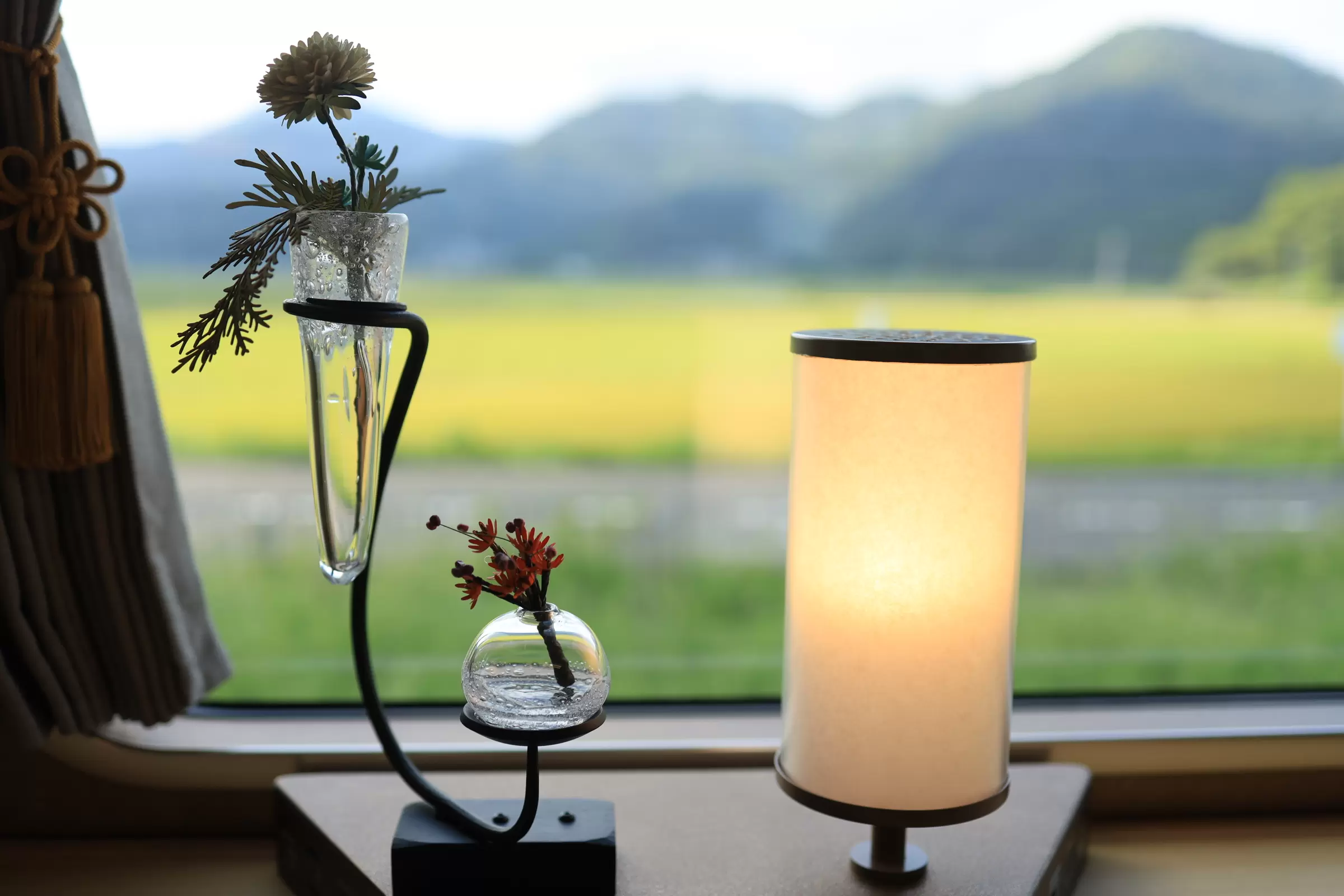
July 2, 2026 — As the summer sun begins to shimmer over the surface of Lake Biwa, JR West is set to unveil a travel experience that bridges the gap between modern luxury and ancient tradition. The "Hanaakari" sightseeing train, a limited-time project launching in the summer of 2026, promises to redefine the rail journey from the bustling urban sprawl of Osaka to the serene, 1,200-year-old hot springs of Ogoto.
For travelers seeking a deeper connection with the Kansai region, this is not merely a commute; it is a meticulously curated passage through the heart of Shiga Prefecture. By blending industrial innovation with the delicate aesthetics of Japanese heritage, JR West is inviting both domestic and international tourists to rediscover the slow-travel movement.
The Concept: A Modern Expression of Traditional Aesthetics
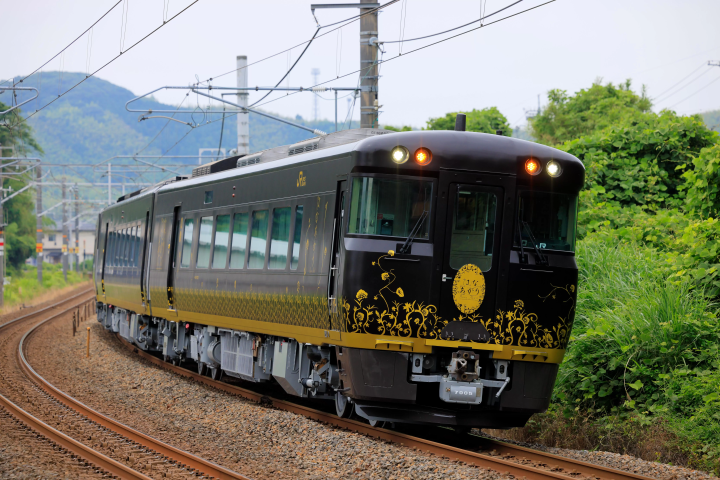
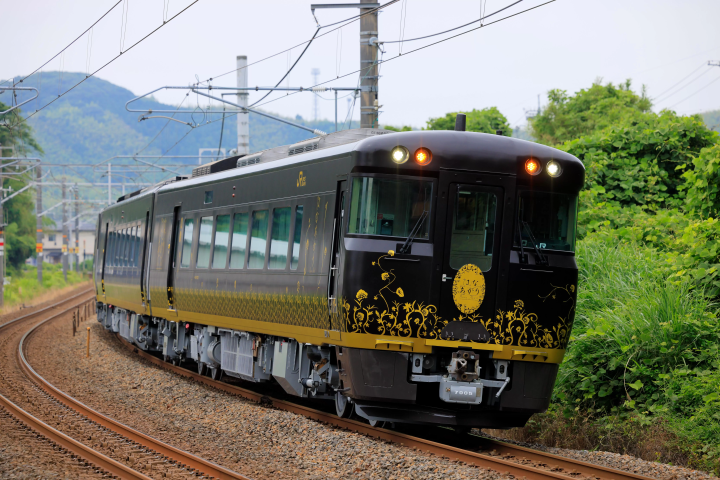
The "Hanaakari" train is a stark departure from the utilitarian design of standard express rail. Draped in a sophisticated black and gold livery, the exterior serves as a visual homage to traditional Japanese lacquerware and golden screens. The design concept—"Hanaakari" (Flower Glow)—evokes the soft, radiant light cast by cherry blossoms at night, a theme that carries over into the interior design.
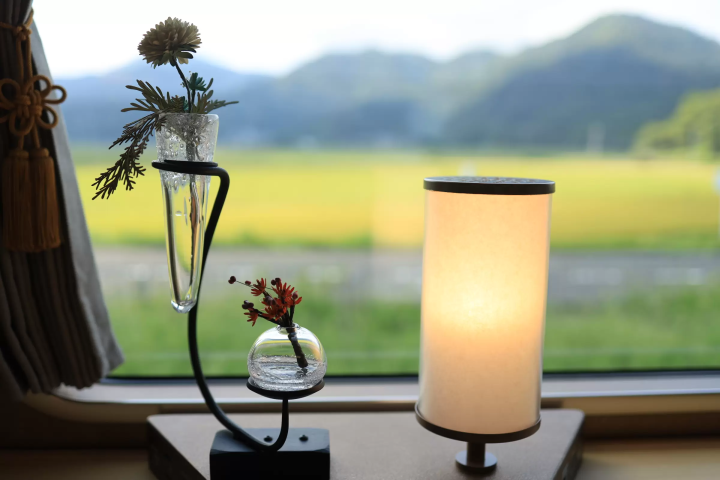
Stepping onto the train, passengers are greeted by warm, woody textures and bespoke furnishings that evoke the comfort of a high-end mountain lodge. The engineering team has prioritized panoramic visibility, installing expansive, floor-to-ceiling style windows that act as moving frames for the shifting landscapes of the Lake Biwa basin.
"We wanted the train to be more than just a vessel for transit," said a spokesperson for JR West. "The train is an extension of the destination. From the moment the doors slide open, the journey into the tranquility of Shiga begins."
Chronology: The Journey from Osaka to the Springs
The itinerary for the Hanaakari is designed for the leisure traveler, prioritizing the "scenic route" over raw speed.
- Departure (Osaka Station): The journey commences in the heart of Osaka, providing seamless access for travelers coming from the city center or Kansai International Airport.
- The Lakeside Traverse: Departing the urban grid, the train winds its way through the historic landscapes of Kyoto, entering Shiga Prefecture to skirt the perimeter of Lake Biwa. The route is carefully planned to offer optimal views of Japan’s largest freshwater lake.
- The Cultural Corridor: Passengers will catch glimpses of the historic castle towns of Hikone and Nagahama, cities that stand as silent witnesses to Japan’s feudal past.
- Arrival (Ogoto Onsen Station): The train terminates at the gates of Ogoto Onsen, a resort area that has been welcoming weary travelers for over 1,200 years.
Culinary Delights: A Gastronomic Tour of Omi
A unique aspect of the Hanaakari experience is its focus on regional gastronomy. JR West has partnered with local artisans and long-established shops in Shiga to provide an onboard culinary experience that reflects the prefecture’s rich agricultural heritage.
Passengers can indulge in premium Omi beef bento boxes—a culinary staple of the region—and an array of traditional Shiga sweets. The integration of local food into the rail experience ensures that the senses are engaged throughout the transit, providing a "tasting menu" of the region before the train even pulls into the station.
The Destination: Ogoto Onsen and the Yumotokan Experience
Upon disembarking at Ogoto Onsen, the journey shifts from the dynamic movement of the train to the restorative stillness of the hot spring town. Located just 20 minutes from Kyoto by rail, Ogoto is perhaps the most accessible, yet historically profound, hot spring destination in the Kansai region.
For those looking to extend their journey, the Ogoto Hot Spring "Yumotokan" stands as the premier choice for accommodation. With a legacy of hospitality that complements the train’s luxury, Yumotokan offers a sanctuary for those looking to immerse themselves in the healing waters of the region.
The Yumotokan Advantage:
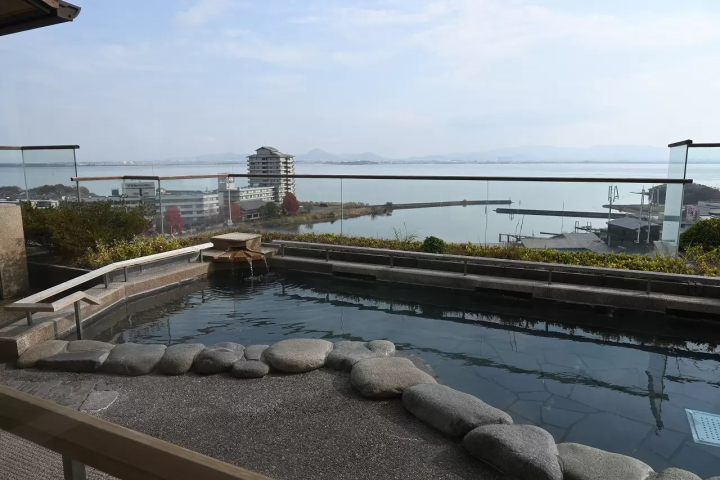
- Panoramic Bathing: The 11th-floor open-air bath offers an unobstructed view of the vast expanse of Lake Biwa. As the sun sets, the water reflects the amber sky, creating an ethereal bathing environment.
- Culinary Excellence: The ryokan’s kitchen focuses on "certified Omi beef," one of the top three Wagyu brands in Japan.
- Seasonal Specialization: Through August 30th, guests can take advantage of the "Hamo & Certified Omi Beef Kaiseki" plan. The Hamo (pike conger), prepared with a signature chef’s ponzu, provides a light, refreshing contrast to the richness of the Omi beef—a perfect pairing for the humid Japanese summer.
Supporting Data: Why Shiga Matters to International Tourism
The rise of "slow travel" in Japan has seen an increase in demand for regions that offer authentic cultural experiences away from the overcrowded hubs of Tokyo and Kyoto. Shiga Prefecture, often overshadowed by its neighbor Kyoto, is now emerging as a "hidden gem" for the sophisticated traveler.
- Accessibility: With the new JR West routing, the travel time from major hubs to the heart of Shiga has been reduced, making it a viable day-trip or weekend-getaway destination.
- Heritage Density: The region surrounding Lake Biwa is home to UNESCO World Heritage sites, including Enryaku-ji Temple on Mount Hiei.
- Economic Impact: The collaboration between the rail operator and local ryokans like Yumotokan is part of a broader strategy to distribute tourism revenue more evenly throughout the Kansai region, promoting regional revitalization.
Official Responses and Strategic Vision
JR West’s investment in the Hanaakari project signals a strategic shift in how rail companies view their role in the tourism ecosystem. By creating a specialized train, they are effectively turning the act of travel into an attraction in itself.
"We recognize that modern travelers are looking for experiences that cannot be digitized or replicated," says a regional tourism board director. "The Hanaakari allows a guest to touch history at Enryaku-ji, taste the terroir of Shiga through Omi beef, and cleanse the spirit in the waters of Ogoto—all within a single, cohesive itinerary. This is the future of Japanese tourism."
Implications: The Future of Rail Travel
The Hanaakari project serves as a pilot program for potential future routes across the Kansai region. Should the summer 2026 pilot prove successful, it could pave the way for permanent luxury rail corridors that prioritize local craft, regional cuisine, and slow-paced exploration.
For the international visitor, this means a more diverse set of options. No longer is the "Golden Route" (Tokyo-Kyoto-Osaka) the only way to see Japan. By utilizing the Hanaakari, travelers can integrate the scenic beauty of Lake Biwa and the curative properties of Ogoto Onsen into their broader travel plans with unprecedented ease.
Conclusion: A Memory in the Making
The summer of 2026 will be defined by the quiet rhythm of the Hanaakari as it circles Lake Biwa. It is a rare opportunity to experience the intersection of modern design and ancient tradition. Whether you are gazing out at the lake from the train’s large, panoramic windows, or soaking in the top-floor open-air bath at Yumotokan, the experience is designed to leave a lasting impression.
As the sun dips below the horizon, reflecting on the water, the "Hanaakari" journey concludes, but the memories of Shiga’s hospitality, its flavors, and its historic springs are likely to linger long after the return to the city. For those planning a trip to Japan this summer, booking a seat on this train is not just a travel decision—it is an invitation to witness the soul of the Kansai countryside.
For more information on booking your journey or reserving a stay at Yumotokan, visit their official website.


 Neng Nana