Nana
Nana
Introduction: A Defiant Rebound
After two years of stagnant growth and dwindling market confidence, Tesla has finally broken its downward trajectory. In a surprising announcement for the second quarter of 2026, the electric vehicle (EV) giant reported global deliveries of approximately 480,000 vehicles. This figure represents a 25 percent increase compared to the same period last year, marking the company’s first year-over-year delivery growth since 2024.
While Wall Street analysts had braced for moderate results, Tesla’s performance surpassed expectations, signaling a potential shift in the automotive landscape. However, this rebound is as complex as it is significant. As the company finds new footing in Europe and leverages global economic volatility, it remains tethered to the polarizing persona of its CEO, Elon Musk—whose recent actions continue to generate as much controversy as the company generates vehicles.
The Chronology of Decline and Recovery
To understand the significance of the Q2 2026 numbers, one must examine the volatility of the preceding 24 months.
- 2024–2025: The Slump. Tesla entered a period of cooling demand, driven by high interest rates, increased competition from legacy automakers, and a growing public fatigue regarding Musk’s erratic management style and political rhetoric. Quarterly delivery reports were frequently marred by inventory pile-ups and missed targets.
- Q1 2026: The Surplus. The first quarter of 2026 set a grim tone, with the company producing 50,000 more vehicles than it could sell. This inventory overhang created a precarious situation for Tesla’s cash flow.
- Q2 2026: The Inflection Point. As global geopolitical tensions—specifically the conflict in Iran—pushed fuel prices to historic highs, consumer sentiment shifted rapidly. Tesla’s existing, unsold inventory became an unexpected asset, allowing the company to meet a sudden surge in demand for fuel-efficient alternatives.
Supporting Data: Decoding the Deliveries
The breakdown of the 480,000 deliveries provides a clear picture of where Tesla’s strength—and weakness—currently lies.
The Volume Drivers
The Model 3 and Model Y remain the backbone of Tesla’s operation, accounting for 468,000 of the total units delivered. These mass-market vehicles have proven essential in maintaining Tesla’s dominance in the EV sector. Their reliability and price point have allowed the company to weather storms that would have decimated more niche manufacturers.
The Niche Struggle
Conversely, the remaining 12,000 deliveries consist of the Model X and the Cybertruck. Despite significant marketing spend and celebrity endorsements, the Cybertruck continues to struggle with broader consumer adoption. While the vehicle has found a loyal customer base among corporations under the Musk umbrella, it has failed to penetrate the general automotive market with the force analysts initially predicted.
The "Musk Factor": A Paradox of Brand Loyalty
Perhaps the most confounding aspect of Tesla’s Q2 success is the persistence of the "Musk Factor." In a standard corporate environment, the behavior of a CEO is expected to align with brand values. Under Elon Musk, however, Tesla operates in a state of perpetual friction.
Rhetoric and Responsibility
Recent weeks have seen Musk embroiled in intense controversy. His activity on X (formerly Twitter) has drawn widespread condemnation, particularly regarding his promotion of divisive content. Observers have pointed to his reactions to the violence in the United Kingdom and his amplification of rhetoric targeting immigrant communities as major liabilities.
Furthermore, the expansion of the Department of Government Efficiency (DOGE)—an initiative spearheaded by Musk—has faced scathing criticism. Reports from humanitarian organizations, including the Harvard T.H. Chan School of Public Health, have linked the dissolution of USAID programs under the current administration’s efficiency mandates to a staggering loss of life, with hundreds of thousands of fatalities reported, predominantly among children. Despite these ethical clouds, Tesla’s sales have surged, suggesting a "decoupling" between the consumer’s desire for an EV and their moral assessment of the company’s leadership.
Global Dynamics: Why Europe is Buying
While the United States remains a core market, Europe has become the primary theater for Tesla’s current expansion.
The Berlin Gigafactory Expansion
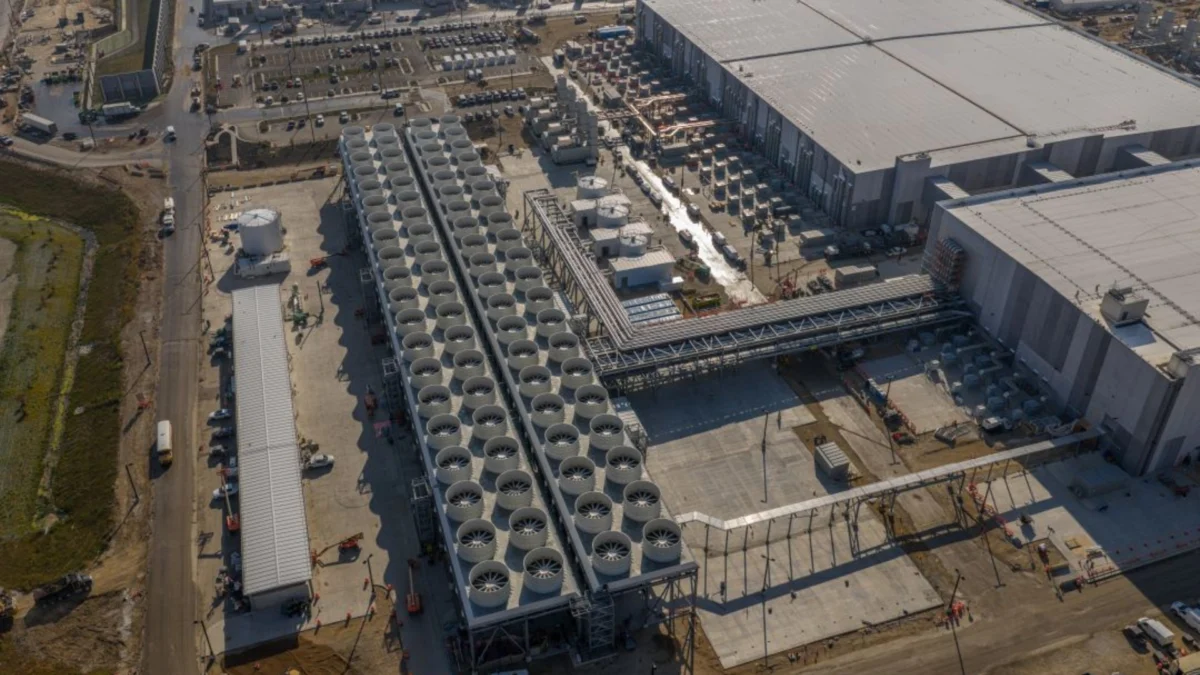
Tesla has doubled down on its German operations, announcing a massive expansion to its Gigafactory in Berlin. The objective is to scale production to 7,500 vehicles per week by October 2026. This move is strategic; it avoids import tariffs and places the supply chain closer to a consumer base currently suffering from the energy impacts of the Middle East conflict.
The Subsidy Stimulus
Germany’s recent introduction of a robust EV subsidy scheme has acted as a catalyst. By offering low-income households nearly $7,000 (USD) in incentives to switch to electric transport, the government has artificially lowered the barrier to entry for the Model Y and Model 3. This policy move has effectively surrendered a segment of the European market to Tesla, despite broader European resistance to American Big Tech dominance.
Implications and Future Outlook
Despite the positive Q2 data, the market’s reaction has been anything but celebratory. Following the announcement, Tesla’s stock plummeted by seven percent. This reflects a deep-seated anxiety among institutional investors: is this growth sustainable, or is it merely a temporary spike driven by high gas prices and government subsidies?
The "External Factors" Trap
Investors are rightfully wary. Much of the current demand is reactive—consumers are buying Teslas because they are currently the most accessible alternative to expensive, volatile gasoline. If global tensions stabilize and fuel prices moderate, will the demand for Tesla vehicles remain?
A House Divided
The disconnect between the company’s operational successes and its stock performance underscores the "Musk risk." When a brand is so thoroughly tied to one individual, it becomes a hostage to that individual’s reputation. Should Musk’s political entanglements deepen, or should the humanitarian costs associated with his policy initiatives become a focal point of consumer boycotts, Tesla’s hard-won recovery could evaporate as quickly as it materialized.
Conclusion: A New Era of Volatility
Tesla’s Q2 2026 report is a study in contradictions. It is a triumph of production efficiency and logistical foresight, yet it exists in the shadow of a leadership style that many find abhorrent. The company has successfully navigated the macro-economic pressures of the Iran conflict and leveraged European subsidies to reclaim market share.
However, the road ahead remains fraught with instability. Tesla is no longer just an automotive company; it is a cultural and political lightning rod. As the company moves into the second half of the year, its ability to maintain growth will depend less on the assembly line and more on its ability to navigate a world that is increasingly skeptical of its architect. Whether this growth is a genuine resurgence or a final flare before a larger systemic collapse remains the most pressing question for the industry. For now, Tesla remains a company that defies conventional logic—growing its output while the world watches its leadership with growing trepidation.


 Asep Darmawan
 Rifan Muazin