

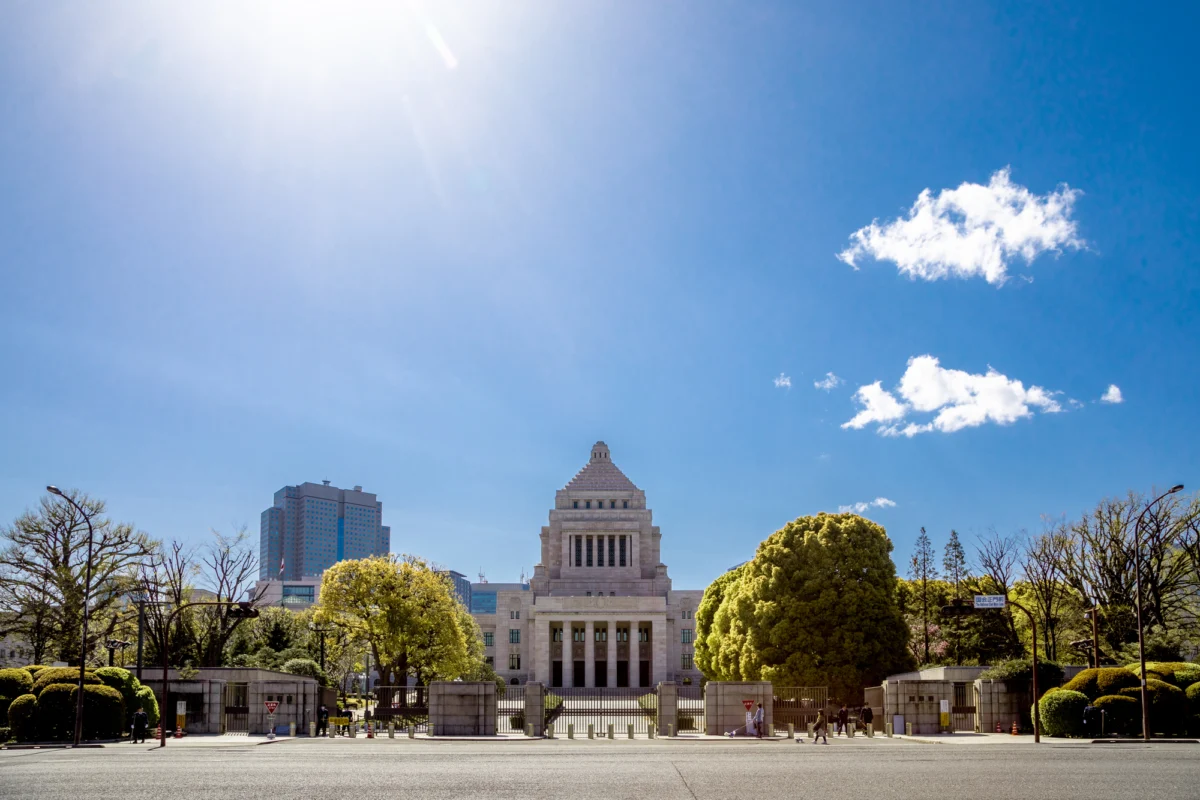
TOKYO — Chants of "No to Hate" and "No to Discrimination" reverberated against the concrete walls of Japan’s National Diet on a somber Sunday, as roughly 650 demonstrators gathered to voice their growing alarm. The protest, organized by the "NO to Hate! National Campaign"—a coalition of 11 human rights organizations—marked a critical inflection point in the national debate over the rights of foreign residents.
As Japan navigates a complex demographic transition, the rally underscored a widening rift between the government’s tightening immigration controls and the reality of a society that increasingly relies on foreign labor, expertise, and community integration.
The Catalyst: A Shift in Political Rhetoric
The demonstration was not merely a reaction to administrative policy but a response to a perceived deterioration in the political climate. Following the 2025 Upper House election, during which fringe parties like Sanseito gained traction with "Japanese First" slogans, activists report that xenophobic sentiment has migrated from the digital fringes into the mainstream.
For many participants, the rally served as a final stand against a narrative that portrays foreign residents—who are essential to the nation’s caregiving, agriculture, and service sectors—as a social burden or a security threat. Organizers argued that recent government policies are not neutral administrative reforms; rather, they are a calculated effort to institutionalize suspicion, creating a climate where being a non-Japanese resident is synonymous with being an outsider under constant, punitive scrutiny.
Chronology of a Growing Crisis
The tension has been building for over a year. The timeline of recent developments highlights a systematic shift in how the Japanese government engages with its foreign population:
- July 2025: The Upper House election brings rhetoric regarding "Japanese First" policies into the legislative spotlight, normalizing previously extreme anti-foreigner sentiment.
- October 2025: The government drastically increases the minimum capital requirement for the Business Manager visa, jumping from ¥5 million to ¥30 million. This effectively threatens the survival of many immigrant-run small businesses.
- February 2026: The "NO to Hate! National Campaign" is launched in response to the rise of discriminatory public discourse.
- March 2026: Legal experts, including the Japan Federation of Bar Associations (Nichibenren), issue formal statements warning that planned fee hikes for residency and permanent residency status will cause widespread instability.
- May 29, 2026: The Diet passes revisions to the Immigration Control and Refugee Recognition Act, setting the stage for significant fee increases by early 2027.
- June 18, 2026: Activists submit a massive petition with 140,000 signatures to the government, demanding legislative protections against discrimination.
- Late June 2026: The Sunday rally at the Diet main gate serves as the high-water mark of the campaign, demanding a policy reversal.
Supporting Data and the Financial Burden
The most immediate flashpoint is the impending surge in administrative costs. Under the revised Immigration Control and Refugee Recognition Act, residency renewal fees are expected to rise significantly, with some estimates placing the cost of permanent residency applications at approximately ¥200,000.
The Japan Association for Refugees (JAR) has been at the forefront of the opposition, highlighting the humanitarian implications. Refugee applicants, who often hold "Designated Activities" visas, are subject to frequent, costly renewals. A family of four, while waiting for years for their status to be adjudicated, could face costs approaching ¥100,000 in a matter of months—an impossible sum for those who are often legally barred from working while their applications are pending.
Furthermore, the sixfold increase in capital requirements for the Business Manager visa has already begun to hollow out ethnic business districts in Tokyo. Data suggests that as many as 90% of some immigrant-run restaurant categories are at risk of closure. These businesses, which have historically acted as cultural bridges and vital nodes in local economies, are being priced out of existence, effectively stripping neighborhoods of their multicultural character.
Official Responses and Administrative Logic
Government officials have consistently defended these measures as "necessary administrative reforms." Their stance centers on the concept of sustainable immigration management, framing the fee hikes as a way to cover the increasing costs of processing and background investigations.
When challenged by critics regarding the rise in xenophobia, political leaders often invoke a narrative of national security and regulatory order. The rhetoric from proponents of these policies suggests that tightening the criteria for residency is a proactive measure to ensure that those who remain in Japan are fully compliant with a more stringent, modern regulatory framework. However, this perspective ignores the cumulative effect: the creation of a "hostile environment" that discourages long-term settlement and undermines the dignity of those who have lived in Japan for decades.
The Human Impact: Beyond the Paperwork
At the rally, the human cost was front and center. Miguel, a 58-year-old Brazilian resident who has made a life in Tokyo, captured the sentiment of the crowd: "Migrants aren’t criminals. Working hard and supporting a family isn’t a crime."
The psychological toll on children and long-term residents is arguably the most damaging byproduct of the current political climate. Nui Tatsuo, representing the group With Kurdish Residents in Japan, spoke of the fear permeating communities like those in Saitama Prefecture, which have faced intense pressure from right-wing groups. "Every election, xenophobic candidates give speeches," Tatsuo told the crowd. "There are children who are afraid just to use train stations."
This fear is not unfounded. The normalization of derogatory language against specific ethnic groups has created a sense of precarity that persists even for those with legal status. The protesters emphasized that these individuals are not "invaders," as some political rhetoric suggests, but are the neighbors and coworkers who sustain Japan’s shrinking labor market.
Broader Implications for Japanese Society
The demonstration at the Diet is more than a protest; it is a fundamental question about the future of Japanese identity. As Japan faces a demographic crisis defined by an aging population and a shrinking workforce, the country is in desperate need of foreign talent and integration.
However, the current trajectory suggests a move toward "hard exclusion." By prioritizing barriers to entry and residency over integration policies, the government risks alienating the very people it needs to sustain its social security and economic systems.
A Call for Multicultural Coexistence
The organizers of the June rally are advocating for a vision of Japan that is inclusive and grounded in the reality of its modern demographics. They argue that the government must pivot from an agenda of suspicion to one of "multicultural coexistence."
This includes:
- Legislative Protection: Passing anti-discrimination laws that explicitly protect residents from harassment based on nationality or ethnicity.
- Affordability: Reevaluating residency fees to ensure they do not function as a barrier for vulnerable populations, particularly refugees.
- Language and Business Support: Rather than raising barriers to entry for entrepreneurs, the government should foster environments where migrant-run businesses can thrive, given their contribution to the local economy.
- Reframing Discourse: Moving away from political rhetoric that treats immigration as a security threat, and instead acknowledging the essential role of foreign residents in the national fabric.
Conclusion: A Long Road Ahead
As the protesters dispersed on Sunday, the chants of "No to Hate" were a reminder that the conversation regarding Japan’s future is far from over. The issue of immigration, once relegated to the margins, is now central to the nation’s political identity.
Whether the government chooses to heed the 140,000 petitioners or continues to double down on exclusionary policies remains to be seen. What is clear, however, is that the movement for migrant rights in Japan has become more organized, more vocal, and more determined than ever. For those standing outside the Diet, the struggle is not just about visas or fees; it is about defining what kind of society Japan will be in the 21st century—one that retreats into isolation or one that embraces its reality as a diverse, modern nation.











