Basiran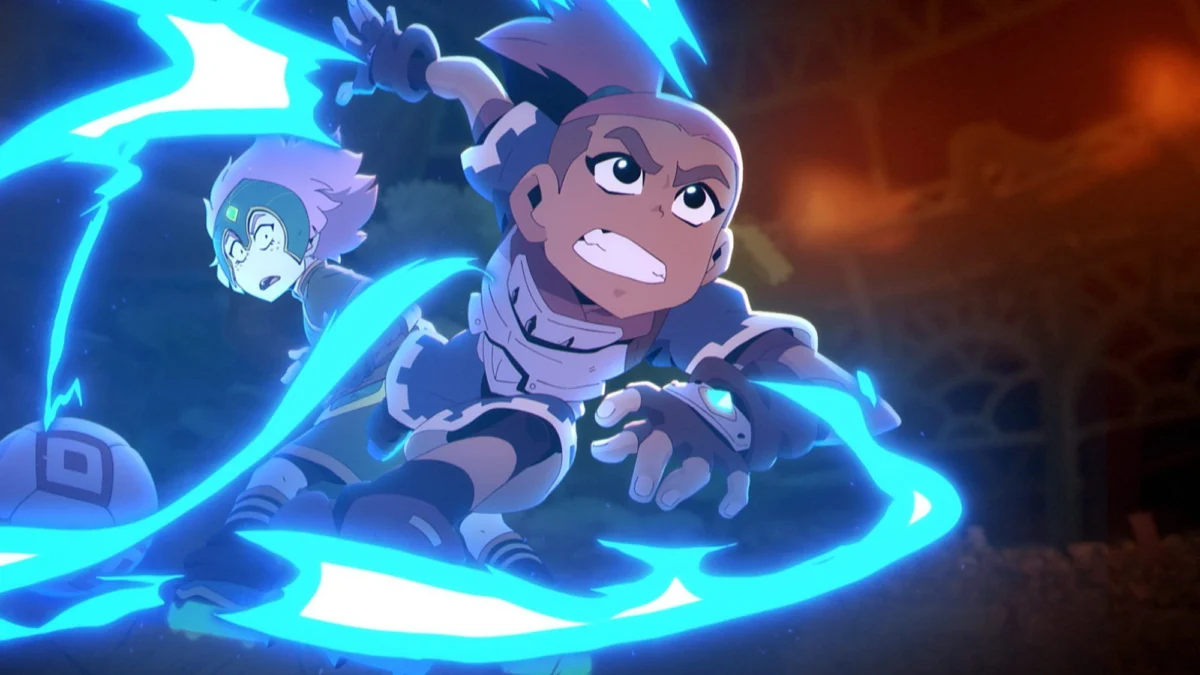
Los Angeles, CA – July 2, 2026 – In a move that has delighted critics and a burgeoning fanbase, Disney has officially announced the renewal of its critically acclaimed animated series, Dragon Striker, for a second season. The news, unveiled at the 2026 Anime Expo, confirms that the fantastical sports-adventure saga will return in early 2027, gracing both Disney XD and the Disney Plus streaming platform. This renewal signals a significant vote of confidence from Disney in a show that, despite a quiet debut, has been hailed as a vibrant, genre-blending triumph and a potential successor to the legacy of beloved animated epics like Avatar: The Last Airbender.
Produced by the innovative Paris-based Chouette Studios, Dragon Striker premiered on Disney Plus in June 2026 with minimal fanfare, yet quickly garnered a reputation as one of the year’s most impressive animated offerings. Its unique fusion of Eastern and Western animation sensibilities, coupled with a compelling coming-of-age narrative, has captivated early viewers, leading many to advocate for its wider recognition. The decision to greenlight a second season and broaden its distribution across both streaming and linear television platforms indicates a strategic pivot by Disney to capitalize on the show’s undeniable quality and growing critical buzz. For a series initially overshadowed by Disney’s more heavily marketed IPs, this renewal represents not just a victory for Dragon Striker, but also a beacon of hope for original, high-quality animation within the competitive streaming landscape.
Chronology of a Cult Hit
Dragon Striker‘s journey from a quietly released gem to a celebrated animation powerhouse is a testament to its inherent quality and the power of word-of-mouth in the digital age. Its trajectory reflects a pattern often seen with critically adored niche content finding its footing and eventually gaining broader institutional support.
The Quiet Debut (June 2026)
When Dragon Striker first arrived on Disney Plus in June 2026, its launch was notably subdued. Unlike the grand promotional campaigns typically reserved for Disney’s flagship live-action remakes or established animated franchises, Dragon Striker was introduced with little in the way of widespread marketing. This understated release strategy meant that the series initially struggled to cut through the immense volume of content available on the streaming service, often requiring viewers to actively seek it out rather than encountering it through prominent advertisements or platform-wide promotions. Many speculated on the reasons for this low-key premiere, ranging from Disney’s perceived focus on other tentpole projects to a possible strategy of allowing the show to organically build an audience before committing significant marketing resources.
Despite the lack of a major promotional push, Dragon Striker began to cultivate a dedicated following almost immediately. Animation critics and enthusiasts who stumbled upon the series were quick to laud its breathtaking 2D animation, intricate world-building, and engaging character arcs. Online communities and social media platforms became the primary conduits for its burgeoning popularity, with early adopters passionately recommending it as a "hidden gem" that defied Disney’s recent trends. This organic groundswell of support was crucial, proving that compelling storytelling and artistic excellence could, even without a massive budget, capture the imagination of discerning viewers.
A Groundswell of Support
The critical acclaim for Dragon Striker was swift and unanimous among those who discovered it. Reviewers praised its vibrant aesthetic, which masterfully blended the dynamic action sequences characteristic of Japanese animation with the expressive character designs often found in Western cartoons. The narrative, a coming-of-age fantasy interwoven with a magical sports tournament, resonated deeply, drawing comparisons to beloved properties that successfully combine character development with high-stakes adventure. Phrases like "easiest recommendation of the year" became common in reviews, underscoring the show’s immediate impact on its audience.
Beyond its visual appeal, the series was lauded for its nuanced storytelling. It managed to be both lighthearted and emotionally resonant, tackling themes of family, destiny, friendship, and the pursuit of dreams, all while building a rich, immersive world. The clever integration of "gorotama" – a magical form of soccer – into a broader fantasy epic provided a fresh take on the sports genre, making it accessible even to those not typically drawn to athletic narratives. This blend of familiar tropes with innovative execution allowed Dragon Striker to transcend genre expectations and appeal to a diverse demographic, from younger viewers captivated by the action to older audiences appreciating the depth of its narrative and character development.
The Anime Expo Announcement (July 2026)
The official announcement of Dragon Striker‘s second season at the 2026 Anime Expo was a strategically astute move by Disney, perfectly aligning with the show’s artistic influences and target demographic. Anime Expo, as one of the largest celebrations of Japanese pop culture in North America, provided the ideal platform to acknowledge the series’ distinct anime-inspired aesthetic and connect directly with the community that had largely championed its initial success. The timing also capitalized on the growing global interest in anime and anime-adjacent content, positioning Dragon Striker as a significant player in this expanding market.
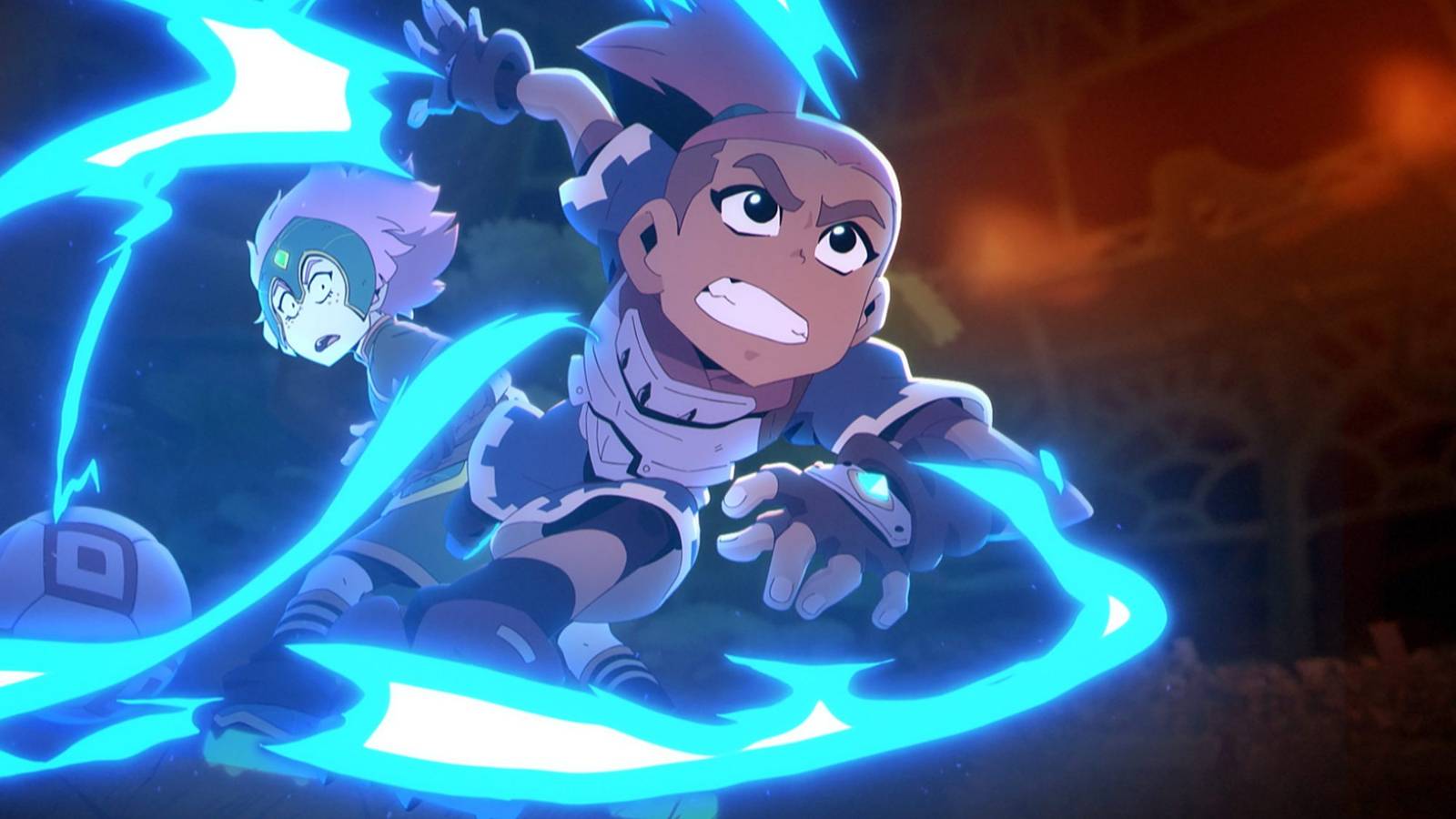
The confirmation that Season 2 would launch in early 2027 on both Disney XD and Disney Plus further underscored Disney’s intent to elevate the series’ profile. Airing on Disney XD, a traditional linear television channel, will introduce Dragon Striker to a broader, perhaps younger, audience who might not actively seek out new content on streaming platforms. Simultaneously, its continued presence on Disney Plus ensures accessibility for its established streaming fanbase and allows for global reach. This dual-platform strategy is a clear indication that Disney is now fully invested in giving Dragon Striker the spotlight it deserves, aiming to transform it from a cult hit into a mainstream animated phenomenon. The announcement was met with widespread enthusiasm, validating the early belief of critics and fans in the show’s immense potential.
Supporting Data: Unpacking "Dragon Striker"’s Appeal
Dragon Striker‘s success is rooted in its meticulously crafted world, compelling characters, and innovative blend of storytelling traditions. A deeper look reveals the thoughtful design and creative ambition that underpins its widespread appeal.
A Deep Dive into Dragon Striker‘s World
At its heart, Dragon Striker follows Key Nagatatsu, a seemingly ordinary farm boy whose life takes an extraordinary turn. Key harbors a fervent dream of attending Kal Asterock, a prestigious academy renowned for its magical sport, gorotama. Gorotama is no ordinary game; it’s a dynamic, high-stakes blend of soccer and elemental magic, where players utilize unique "tama abilities" – powers that manifest from their inner spirit – to control the ball and outmaneuver opponents. The game itself is a spectacle of strategy, athleticism, and fantastical displays, making every match a thrilling event.
Key’s journey into this magical world is propelled by a pivotal moment: he accidentally awakens the legendary Dragon tama, a dormant power once wielded by his late mother. This revelation immediately elevates the stakes, intertwining Key’s personal aspirations with a deeper, ancient legacy. He soon finds himself joining the "Knights," an underdog team operating under an abandoned banner. This ragtag group of misfits quickly becomes Key’s surrogate family, reminiscent of the "Aang Gang" from Avatar: The Last Airbender – a diverse ensemble of distinct personalities, each with their own strengths, weaknesses, and compelling backstories. What begins as a straightforward underdog sports narrative, charting the Knights’ improbable rise through the gorotama tournaments, gradually evolves into something far grander. As the team progresses, their quest for victory inadvertently uncovers ancient conspiracies, long-buried secrets, and unsettling truths about Key’s family and the very origins of the Dragon tama. This intricate layering of personal journey with epic fantasy gives the series considerable narrative depth, ensuring that viewers remain invested in both the characters’ athletic triumphs and their roles in a much larger, world-altering conflict. The world of Dragon Striker itself boasts the "cozy-but-epic feel of a classic RPG like Chrono Trigger," one of the creators’ stated inspirations, achieved through its charming towns, mystical landscapes, and a sense of history that pervades every corner of its vibrant setting.
The Artistry of Chouette Studios
The visual identity of Dragon Striker is arguably one of its most compelling attributes. Produced by the Paris-based Chouette Studios, the series showcases a "gorgeous blend of Eastern and Western storytelling sensibilities" and "stunning 2D animation" that immediately sets it apart. Chouette Studios was founded by artists who grew up dreaming of making Japanese-style animation, and this passion is evident in every meticulously crafted frame. The animation style skillfully marries the fluid, dynamic action sequences and expressive character designs often associated with Japanese anime, with the bold color palettes and accessible aesthetics common in Western cartoons. This hybrid approach results in a visual language that is both familiar and fresh, appealing to a broad audience while maintaining a distinct artistic integrity.
The studio’s commitment to 2D animation stands in stark contrast to the prevailing trend within Disney, which has increasingly invested its resources in "live-actionifying" much of its storied animated legacy. Dragon Striker serves as a powerful reminder of the enduring beauty and narrative flexibility of traditional animation, demonstrating that original, hand-drawn artistry can still captivate and innovate. The series’ visual influences extend beyond mere aesthetics; they inform the pacing of action, the emotional range of characters, and the overall atmospheric tone of the world. Complementing this visual feast is the soaring score by acclaimed composer Kevin Penkin, known for his work on beloved anime series. Penkin’s music elevates the emotional beats and epic scope of Dragon Striker, perfectly underscoring its blend of heartfelt moments and thrilling adventures.
Genre Fusion and Comparisons
Dragon Striker‘s narrative strength lies in its masterful fusion of disparate genres, creating a rich tapestry that feels both familiar and refreshingly original. The series has drawn comparisons to several highly successful properties, each highlighting a different facet of its multifaceted appeal:
-
Avatar: The Last Airbender: The most prominent comparison, stemming from Dragon Striker‘s coming-of-age narrative centered around a young protagonist discovering a powerful, ancient ability (the Dragon tama) tied to a global destiny. Like Avatar, it features a compelling ensemble cast, each with unique "tama abilities" (akin to elemental bending), and a rich, fully realized world steeped in history and lore. The journey of the Knights, much like Aang’s quest, is one of self-discovery, teamwork, and confronting a looming threat.

-
Harry Potter: The magical academy setting of Kal Asterock, where students hone their powers and compete in a unique sport (gorotama), evokes the enchanting world of Hogwarts. The discovery of hidden powers, ancient secrets, and the formation of strong, enduring friendships within an institutional framework are direct parallels, providing a sense of wonder and scholastic adventure.
-
My Hero Academia: The influence of modern shonen anime is evident in the series’ sports-like competition structure, where characters develop and utilize unique powers (tama) within a hero academy environment. The focus on individual growth, intense training, and the competitive spirit, combined with an underlying mentorship theme, strongly echoes the popular superhero-in-training saga.
-
Global Soccer/World Cup Season: The foundational element of "gorotama" as a magical sport directly taps into the global obsession with soccer. The series expertly captures the thrill of tournament play, the dynamics of team sports, the underdog narrative, and the universal appeal of athletic competition. Its timely premiere around a World Cup season likely amplified its resonance with sports fans, demonstrating how magical elements can enhance, rather than detract from, the core excitement of the game.
These comparisons are not merely superficial; they speak to Dragon Striker‘s ability to distill the most engaging elements from these beloved genres and seamlessly integrate them into a cohesive and compelling narrative. The result is a show that offers something for everyone, whether they are fantasy aficionados, sports enthusiasts, or admirers of character-driven stories.
Official Responses and Strategic Vision
The decision to renew Dragon Striker for a second season and broaden its distribution strategy speaks volumes about Disney’s evolving perspective on its animated content and the value it places on critical reception and organic growth.
Disney’s Renewed Commitment
The renewal of Dragon Striker for a second season, despite its initial low-profile launch, can be interpreted as a clear indication of Disney’s renewed commitment to quality original animation. This move signals that the company is recognizing and rewarding creative excellence, even when it doesn’t fit neatly into existing franchise molds or receive immediate, large-scale marketing support. The strategic decision to release Season 2 on both Disney XD and Disney Plus is particularly telling. It suggests a dual approach to audience building: leveraging the established, broad reach of linear television to introduce the show to new viewers, particularly younger demographics who still tune into cable channels, while simultaneously catering to the streaming audience that initially discovered and championed the series. This comprehensive distribution strategy aims to maximize the show’s visibility and potential for growth, transforming it from a "hidden gem" into a recognized pillar of Disney’s animated offerings. It also underscores Disney’s ongoing efforts to diversify its animated portfolio beyond its highly successful, but often formulaic, established IPs.
Chouette Studios’ Vision Fulfilled
For Chouette Studios, the renewal is undoubtedly a moment of profound validation. Their passion for creating Japanese-style animation, a dream shared by its founders, has not only been realized but has also been embraced by a global entertainment giant like Disney. This success story highlights the potential for independent, international animation studios to produce content that resonates with a global audience, proving that artistic integrity and a unique vision can indeed thrive within a major media ecosystem. The collaborative process with Disney, while initially perhaps challenging given the quiet launch, has evidently culminated in a successful partnership that respects the studio’s creative autonomy. The renewal provides Chouette Studios with the opportunity to further develop their intricate world and characters, pushing the boundaries of their storytelling and animation capabilities. It also serves as a significant milestone for the studio, potentially paving the way for future ambitious projects and solidifying its reputation as a producer of high-quality, genre-bending animation.
Cast and Crew Enthusiasm
The announcement also confirmed the return of the talented voice cast, including Akshay Kumar, Rebecca LaChance, Yeukayi Ushe, Waylon Jacobs, and Evanna Lynch. Their continued involvement is crucial for maintaining the emotional consistency and beloved characterizations that defined the first season. The chemistry and performances of the voice actors were a key component of Dragon Striker‘s charm, bringing depth and personality to Key and his companions. Similarly, the return of composer Kevin Penkin ensures that the series’ distinctive and emotionally resonant musical score will continue to enhance its narrative and atmosphere. The ensemble’s enthusiasm for continuing the journey is palpable, underscoring their belief in the project and their dedication to bringing the world of Dragon Striker to life. Their combined talents are instrumental in delivering the immersive and engaging experience that viewers have come to expect.

Implications for Disney and the Animation Landscape
The success and renewal of Dragon Striker carry significant implications, not only for Disney’s future content strategy but also for the broader landscape of original animation in an increasingly competitive market.
Potential for Broader Audience and Cultural Impact
The strategic decision to give Dragon Striker a "bigger spotlight" in its second season carries immense potential for the series to break out into a much broader audience. With simultaneous releases on Disney XD and Disney Plus, the show is poised to capture the attention of both traditional linear TV viewers and the streaming-savvy generation. This expanded reach could transform Dragon Striker from a beloved cult hit into a mainstream phenomenon, fostering a wider cultural impact.
One of the fascinating implications is the inevitable re-ignition of the "is it anime or not?" discourse. Dragon Striker‘s blend of Eastern and Western aesthetics and narrative structures perfectly blurs the lines, contributing to an evolving understanding of what constitutes "animation" in a globalized world. Its success could challenge rigid definitions and encourage a more fluid appreciation of diverse animation styles. Furthermore, in an era dominated by Disney’s live-action remakes, Dragon Striker stands as a powerful testament to the enduring power and narrative flexibility of original animated storytelling. Its success could inspire Disney to invest more heavily in new, creatively ambitious animated IPs, moving beyond mere adaptations and re-imaginings of its legacy. This could open doors for more innovative projects that appeal to diverse demographics, from young children to adults who appreciate sophisticated animation.
The Future of Original Animation on Streaming
Dragon Striker‘s journey offers a compelling case study for the future of original animation on streaming platforms. Its initial struggle for visibility, followed by a groundswell of critical and fan-driven support, demonstrates that quality content can eventually triumph over initial marketing deficiencies. This highlights the importance of sustained platform support, critical advocacy, and organic word-of-mouth in nurturing new intellectual properties in a crowded digital marketplace. The series’ success reinforces the idea that platforms need to cultivate a diverse range of content, including those that might not have immediate mass appeal but possess strong artistic merit and niche resonance.
The dual-platform release strategy for Season 2 also underscores the continued relevance of traditional linear television in breaking through the noise of streaming. Disney XD can act as a discovery engine, guiding new viewers to Disney Plus for binge-watching or deeper engagement. If Dragon Striker continues its upward trajectory, it could pave the way for a new model of animated IP development and distribution, emphasizing quality and organic growth alongside targeted marketing. This could lead to long-term franchise development, including merchandise, spin-offs, and further seasons, solidifying its place as a cornerstone of Disney’s animation portfolio.
Season 2 Expectations and Thematic Deepening
The brief tease for Dragon Striker Season 2 promises a narrative that will delve deeper into the complexities established in the first season. The Knights are set to "contend with broken friendships, buried secrets, and an ancient evil as they fight to reach the Banner’s Helm final." This suggests a significant thematic deepening, moving beyond the initial underdog sports story to explore more mature themes of loyalty, betrayal, and the weight of inherited legacies. Viewers can anticipate greater character development for Key Nagatatsu and his teammates as they face increasingly personal and world-altering challenges. The expansion of the world’s lore, the magic system, and the intricacies of the "tama abilities" is also highly anticipated, promising to enrich the already vibrant setting.
Ultimately, the biggest implication of Dragon Striker‘s renewal is the opportunity for it to fulfill its immense potential. If Disney truly gives the new season the "bigger spotlight" it deserves, with robust marketing and prominent placement, Dragon Striker has all the ingredients to become not just a critical darling, but its next great animated obsession. Its unique blend of heartwarming character drama, thrilling sports action, and epic fantasy elements positions it perfectly to capture the hearts of a global audience and leave a lasting legacy in the annals of animated television.


 Lina Irawan
 Sagoh
Sagoh