

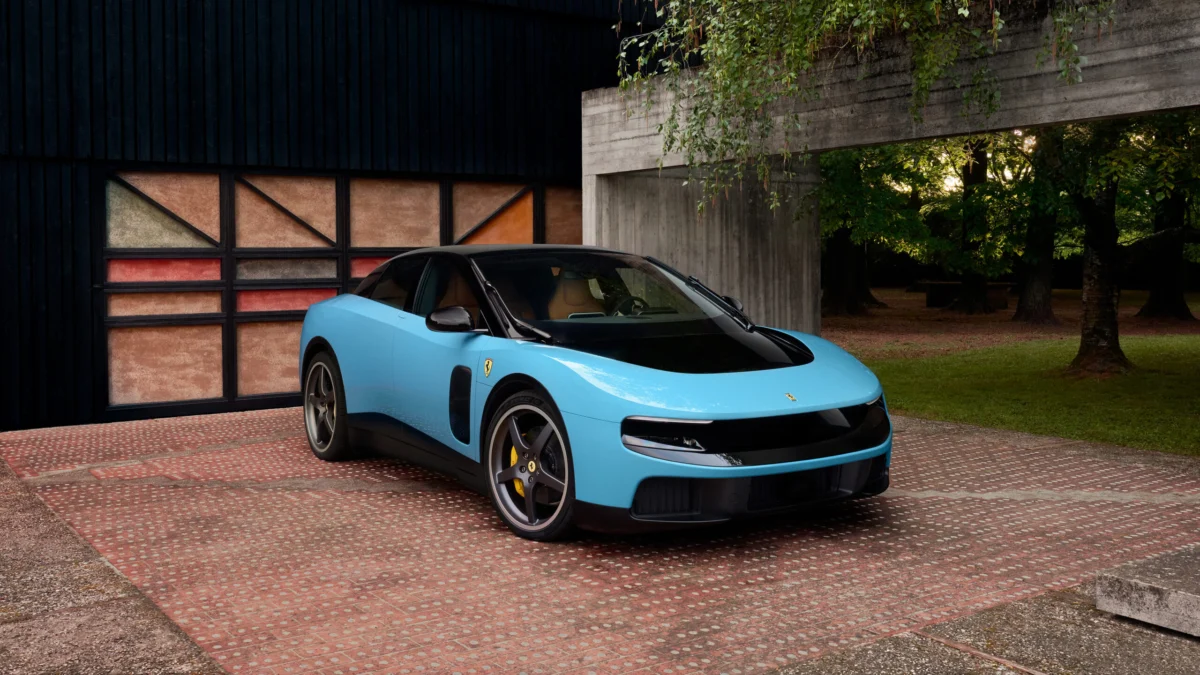
The world of high-end automotive design is currently caught in a turbulent storm of transition. As the industry pivots away from the internal combustion engine toward an all-electric future, the legendary manufacturers that once defined the aesthetic of the 20th century are finding themselves in an existential struggle. The central question is no longer merely mechanical; it is semiotic: How does an iconic, heritage-rich brand modernize its identity without eroding the very soul that captured the public’s imagination in the first place?
Recent controversies surrounding the Jaguar rebrand and the newly revealed Ferrari "Luce" serve as cautionary tales. While the former dealt with a complete overhaul of brand identity and the latter with the specific design language of a flagship vehicle, both reflect a deepening crisis. Luxury carmakers are discovering that in the race to be "future-proof," they risk becoming unrecognizable to the loyalists who built their empires.
Chronology of a Design Dilemma: From Heritage to Hype
The narrative of this design crisis has unfolded rapidly over the last two years. It began in earnest when legacy manufacturers, sensing the shift in global environmental regulations and consumer sentiment, began to pull the plug on internal combustion engine (ICE) development.
The Jaguar Pivot
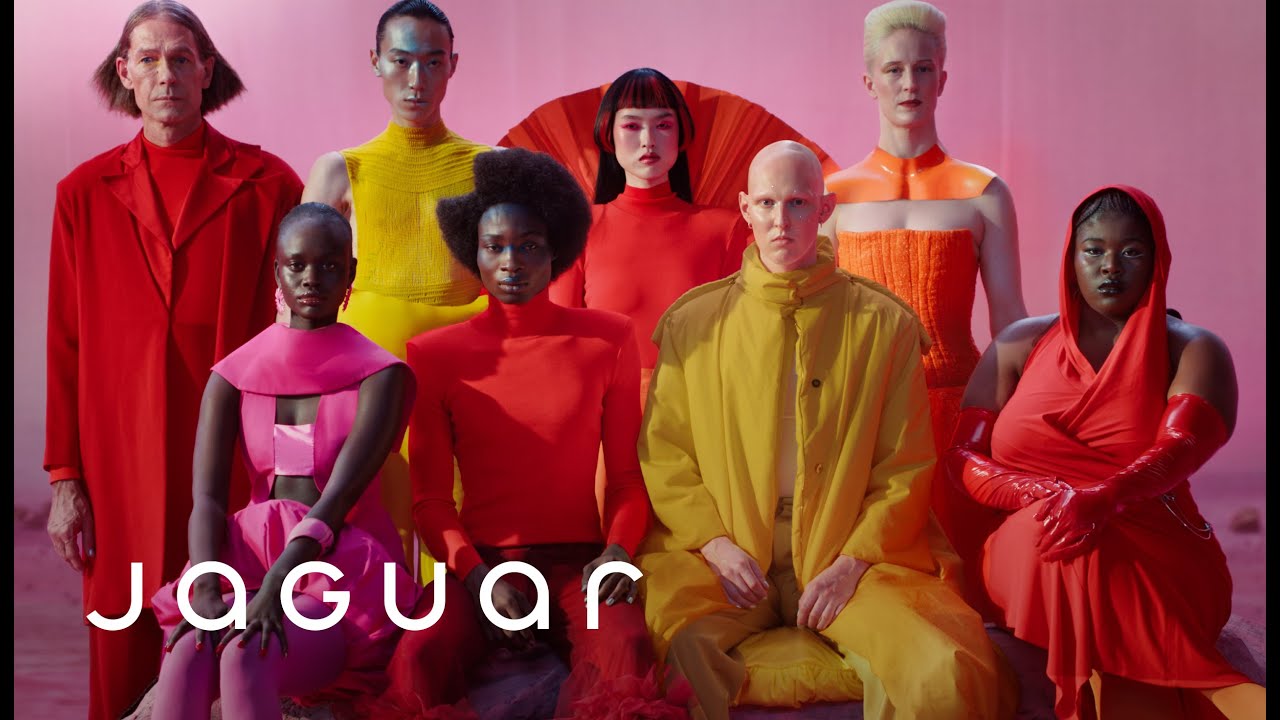
In 2024, Jaguar initiated a radical rebrand that sent shockwaves through the design community. Moving away from its storied, aggressive, and elegant history, the company embraced a "modern-minimalist" aesthetic characterized by pastel palettes, bold typography, and a radical departure from its traditional logo. The unveiling of the "Type 00" concept car was met with a chorus of skepticism, amplified by the immediate—and characteristically blunt—social media commentary from industry observers and figures like Elon Musk.
The Ferrari Luce Furore
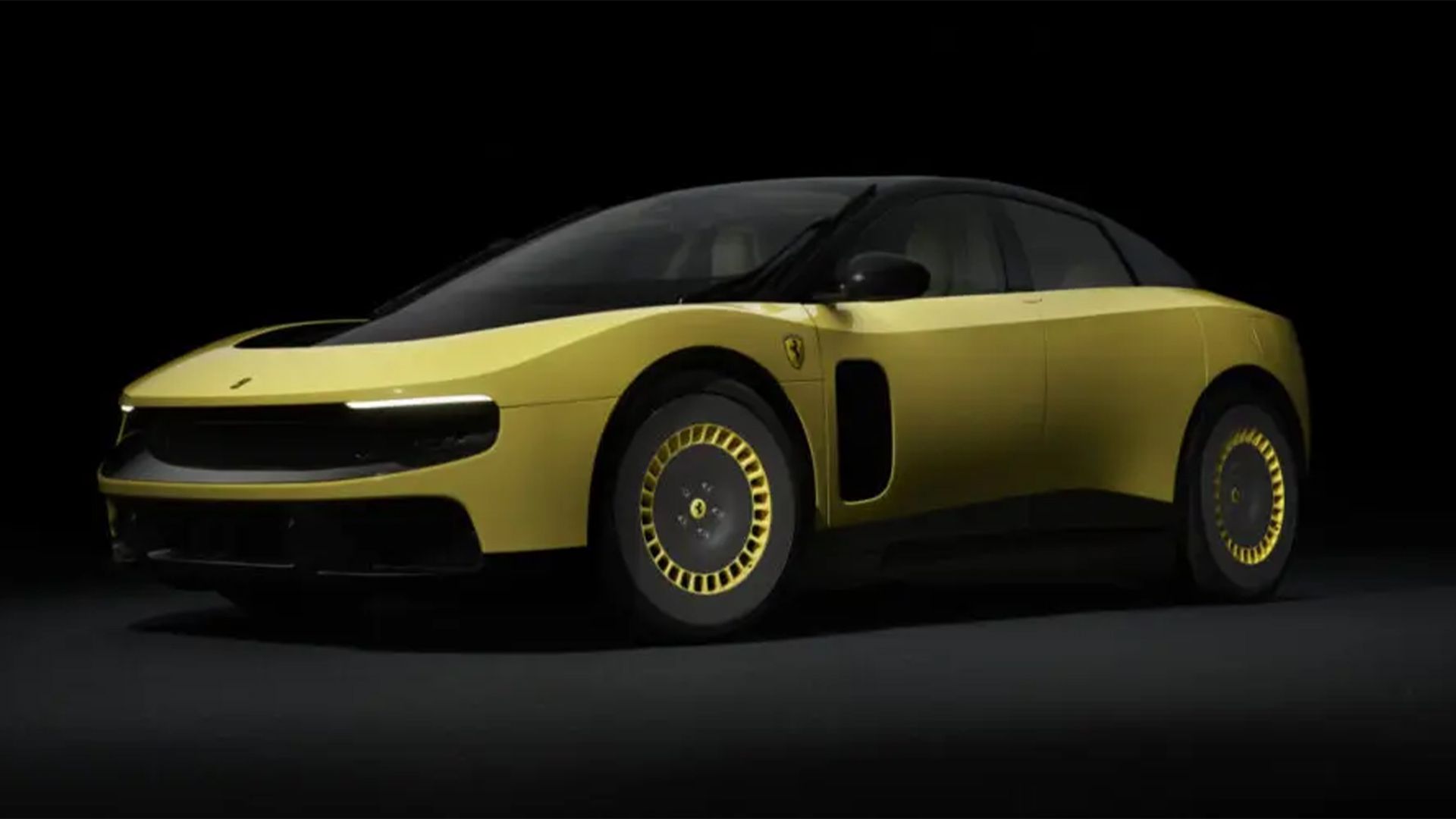
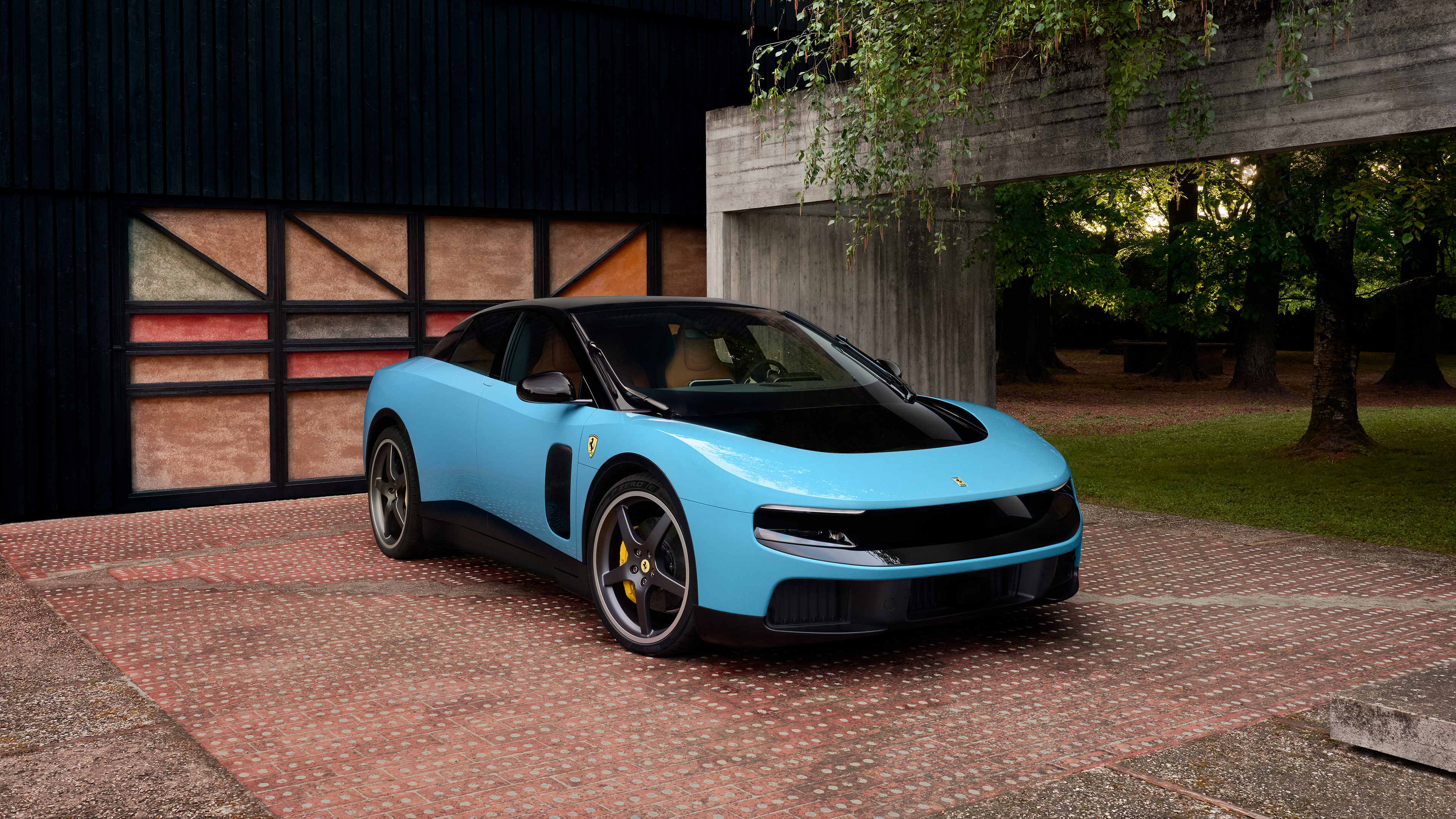
Hard on the heels of the Jaguar controversy, Ferrari unveiled the "Luce." Designed with the influence of Jony Ive, the former Apple design chief whose fingerprints are on the most recognizable tech products in history, the Luce was intended to signal a new dawn for the Maranello-based icon. Instead, it ignited a firestorm.
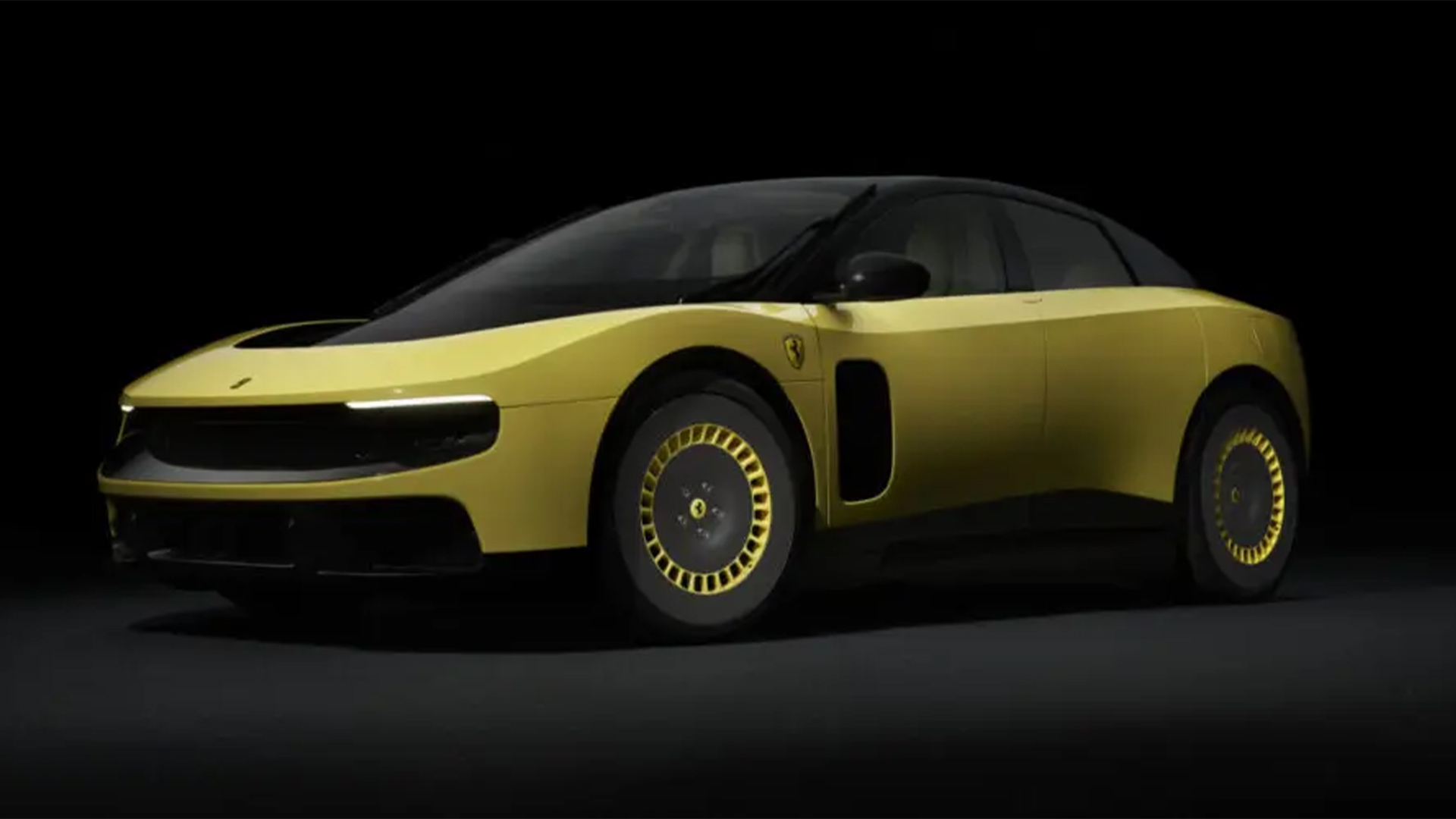
Traditionalists were quick to highlight that the Luce lacks the aggressive, low-slung, aerodynamic profile that has been the hallmark of Ferrari since the era of Enzo. By introducing a five-seat saloon configuration, the design signaled a move toward practicality—a dirty word in the world of high-performance, mid-engine supercars. The "bubbly" aesthetic, while perhaps functionally efficient for an EV platform, felt to many like a betrayal of the brand’s visual heritage.
The Engineering Catalyst: Why EVs Changed Everything
To understand the backlash, one must look at the constraints that historically defined automotive design. For nearly a century, the engine was the heart of the car. The massive V12s of Ferrari or the refined straight-sixes of Jaguar dictated the proportions of the chassis. The long hood, the wide air intakes, the rear-wheel-drive stance—these were not just aesthetic choices; they were the inevitable visual byproducts of powerful, heat-generating, space-consuming mechanical hearts.
The Death of the "Engine-First" Aesthetic
Electric powertrains have fundamentally decoupled design from mechanical necessity. An electric motor is compact; batteries are modular and can be flattened into the "skateboard" chassis. This shift provides designers with a blank canvas, but as we are seeing, a blank canvas can be a curse.
Without the long hood or the cooling requirements of a combustion engine, designers are finding that the "Ferrari-ness" of a car—its visual DNA—is vanishing. When you remove the grilles and the low-profile stance, you are left with a shape that, in many cases, looks like a generic tech gadget. This is the crux of the "bubbly" criticism; when design becomes purely about aerodynamics and interior space, the romantic, visceral quality of a heritage car risks being lost in the pursuit of efficiency.
Data and Market Realities: The Search for the Next Generation
Luxury brands are not changing their design language out of thin air. They are responding to a shifting demographic reality.
- The Age Gap: The traditional luxury consumer is aging. Manufacturers are desperate to capture a younger, digital-native demographic that values minimalism, sustainability, and connectivity over the tactile, raw experience of a mechanical gear-shift.
- The "Tech-ification" of Luxury: Brands like Apple have redefined what "premium" looks like. Sleek, rounded, and minimalist aesthetics are now associated with high-end tech. Automotive brands are attempting to bridge this gap, hoping that by looking more like a smartphone on wheels, they will appeal to the buyer who prioritizes features over cylinders.
However, data from recent market feedback suggests a disconnect. While younger buyers do desire modern tech, they also possess a deep appreciation for "authenticity" and "heritage" branding. When a brand like Ferrari or Jaguar discards its historical signifiers, it doesn’t necessarily gain a new audience; it merely alienates its existing base without establishing a compelling new identity.
Official Responses and the Corporate Stance
Both Ferrari and Jaguar have maintained a stoic, if not defensive, posture in the face of public criticism. The official narratives from these companies consistently emphasize "visionary transformation."
- The Case for Evolution: Spokespeople from these manufacturers argue that the transition to EVs is an inflection point similar to the move from the horse-drawn carriage to the automobile. They contend that holding onto the design cues of the past would be a failure of imagination, preventing the brand from surviving in a world where performance is defined by battery density and software integration rather than displacement.
- The Jony Ive Factor: The collaboration with figures like Jony Ive is often cited as a move toward a more "refined" and "purposeful" design philosophy. The goal is to strip away the "noise" of traditional performance car design and move toward a more essentialist look. Whether this is seen as "clean" or "soulless" appears to be entirely dependent on the generational lens of the observer.
The Broader Implications: Is Heritage a Liability?
The overarching implication of this design crisis is that legacy car brands are suffering from an identity crisis. They are caught between two worlds: the emotional, visceral heritage that sustains their brand equity, and the cold, efficient, digital future they must inhabit to survive.
The Perils of Social Media Critique
The current environment is exacerbated by the immediacy of social media. A design is leaked, critiqued, and judged within minutes, often before the vehicle has even been seen in person or driven. This "too-fast" judgment cycle puts immense pressure on design teams to react, which can lead to further dilution of the brand vision.
The Path Forward
The solution for these brands is unlikely to be found in either total preservation or total reinvention. The most successful transitions in history have always been those that found a middle ground—a way to translate the feeling of a brand into a new medium.
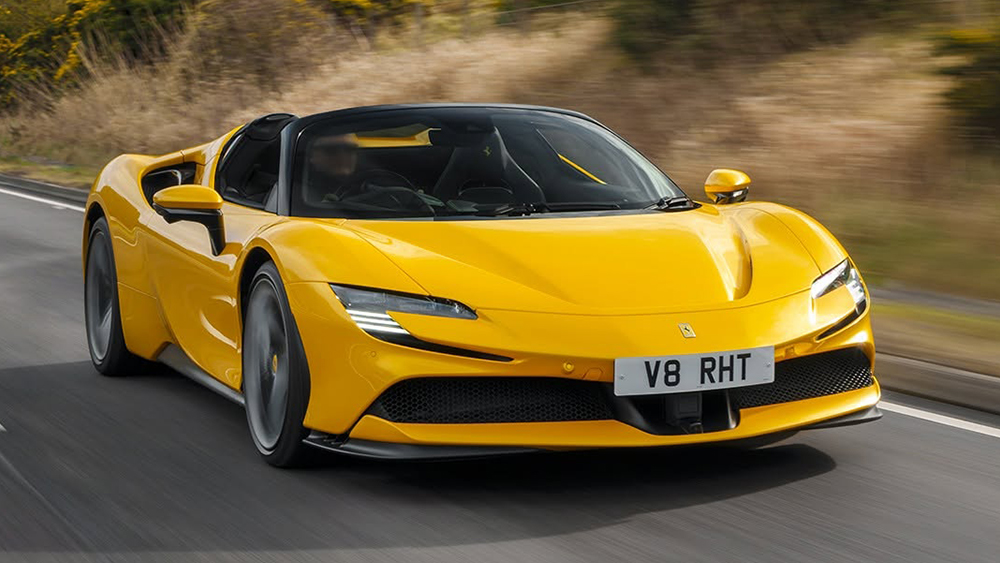
For Ferrari, this might mean finding ways to integrate the iconic curves and "aggressive" posture of the past into the new, efficient EV platforms. For Jaguar, it means ensuring that the "soul" of the brand—its elegance and British poise—isn’t lost in a sea of generic, rounded minimalism.
Ultimately, the lesson of the Ferrari Luce and the Jaguar rebrand is that luxury is not just about the product; it is about the story the product tells. If a brand stops telling its own story in favor of a generic "future" narrative, it ceases to be a luxury brand and becomes merely a commodity. As these manufacturers move forward, they must remember that while they are selling transportation, they are also selling a legacy—and that is a difficult thing to replace with a software update.











No comments yet. Be the first to join the conversation!