

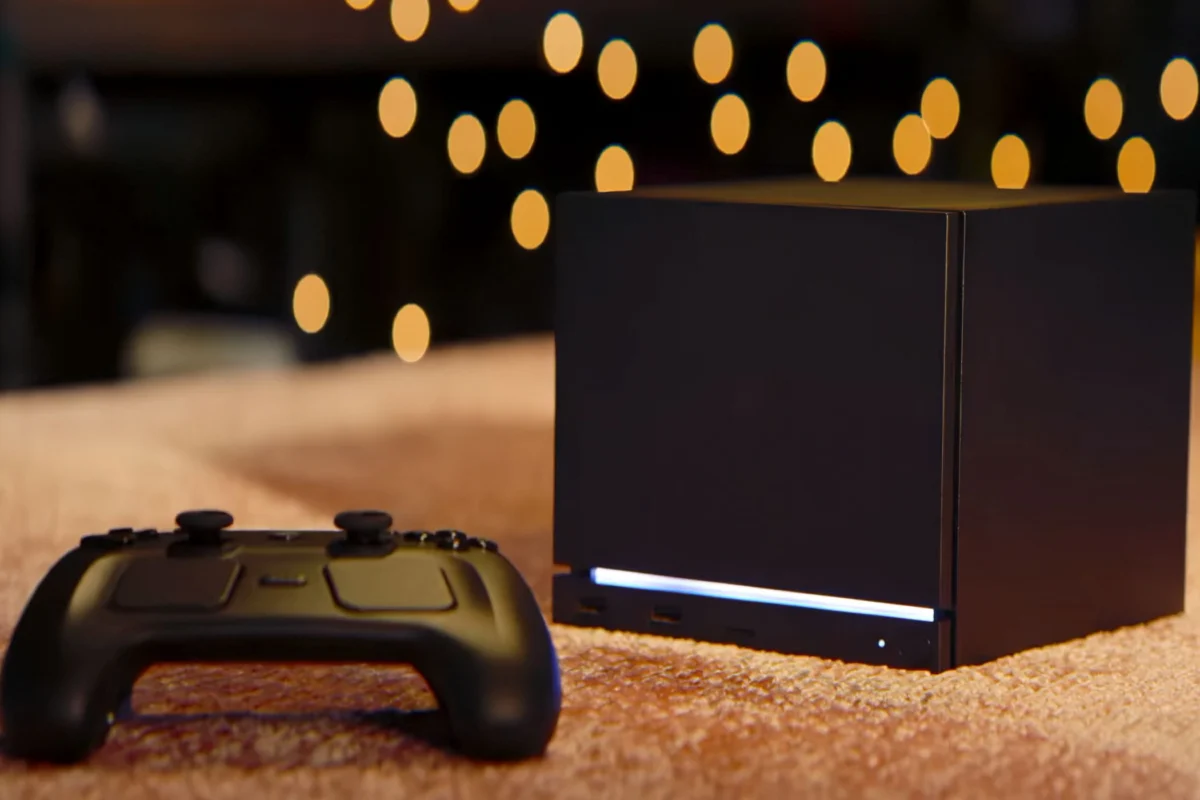
In the rapidly evolving landscape of PC gaming hardware, Valve Corporation has consistently charted a unique course. From the original, experimental Steam Machines of the mid-2010s to the monumental success of the Steam Deck, the company has fostered a community that values openness, repairability, and personalization. As the latest generation of Steam-branded hardware begins to permeate the market, Valve has taken a bold, proactive step: embracing the "maker" culture by releasing official documentation and 3D files for users to construct their own custom e-Ink faceplates, affectionately dubbed the "Inkterface."
This move represents a significant departure from the walled-garden approach adopted by many console manufacturers. By providing the bill of materials, 3D printing schematics, and instructional media, Valve is effectively inviting its user base to become co-creators of the hardware ecosystem.
Main Facts: Empowering the User Through Open Hardware
The recent release by Valve centers on a modular e-Ink display integration designed for the newest Steam Machine form factors. The "Inkterface" is a low-power, high-customization accessory that allows users to display system information, personalized artwork, or status indicators on the exterior of their gaming rig without consuming significant battery life or processing power.
The project is fully documented on a public GitLab repository. For the hobbyist or DIY enthusiast, this is a goldmine. The package includes:
- Comprehensive CAD Files: Precise 3D models for the housing, ensuring a perfect fit for the hardware.
- Bill of Materials (BOM): A detailed list of required electronic components, including the e-Ink display panel, controller board, and necessary wiring.
- Instructional Media: A step-by-step video guide that demystifies the assembly process, making the project accessible even to those with moderate experience in electronics.
Unlike proprietary hardware modifications that often void warranties or risk damaging sensitive components, Valve’s approach is designed with safety and accessibility in mind. It signals a shift toward "official DIY," where a manufacturer provides the blueprint and the community provides the craftsmanship.
A Chronology of Openness: From Steam Machines to Inkterfaces
To understand the significance of this release, one must look at the trajectory of Valve’s hardware journey.
2013–2015: The Experimental Era: Valve introduced the original Steam Machines, a collection of prebuilt PCs running SteamOS. While these devices struggled to capture the mainstream market due to compatibility issues and a limited software library at the time, they established Valve’s commitment to Linux-based gaming and open hardware standards.
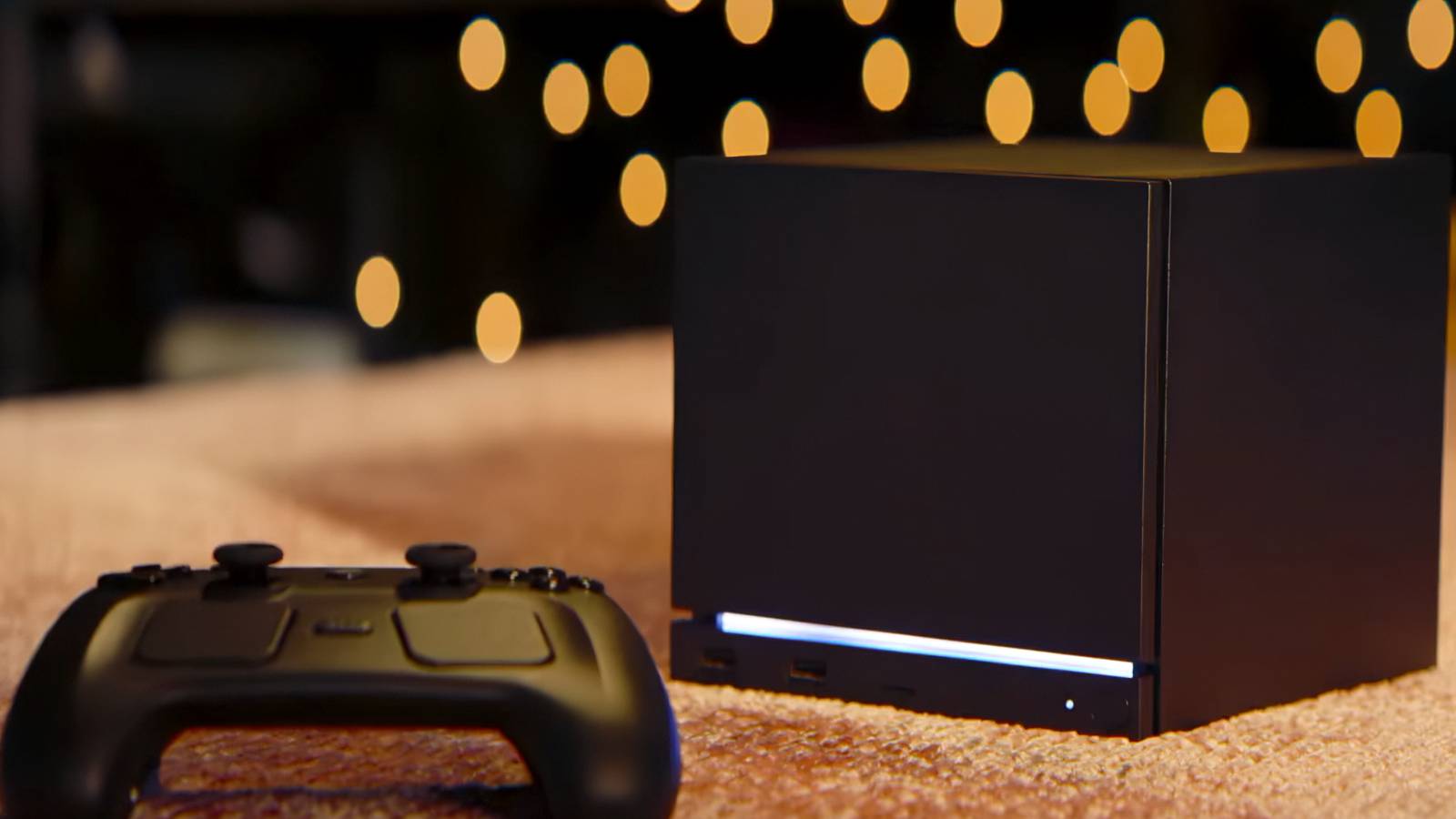
2022–2024: The Steam Deck Revolution: The launch of the Steam Deck transformed the portable gaming landscape. Crucially, Valve partnered with iFixit to provide official replacement parts and repair guides. This was a watershed moment for consumer electronics, signaling that Valve viewed its devices as tools to be maintained, not disposable gadgets.
July 2026: The "Inkterface" Launch: Following the successful rollout of the new Steam Machine hardware, Valve observed a surge in third-party interest. Enthusiasts were already building budget-friendly iterations of Steam Machines and pre-installing SteamOS on custom PCs. Rather than fighting these developments, Valve decided to lean into the enthusiasm by releasing the Inkterface files, effectively standardizing the DIY customization process.
Supporting Data: Why E-Ink?
The choice of e-Ink (electrophoretic display) for this project is strategic. In a high-performance gaming environment, the last thing a user needs is an extra power-hungry LCD screen or RGB lighting array draining system resources or generating excess heat.
E-Ink displays offer three distinct advantages:
- Ultra-Low Power Consumption: An e-Ink screen only consumes power when the image is refreshed. Once an image is set, it can remain on the screen indefinitely without any electrical draw. This makes it ideal for displaying static data like CPU temperature, current game information, or personalized aesthetics.
- Visibility: These displays are highly legible under various lighting conditions, including bright sunlight, making them superior to standard backlit screens for certain display purposes.
- Aesthetics: The matte, paper-like finish of e-Ink panels provides a sophisticated, "retro-tech" look that complements the industrial design of modern gaming hardware.
The BOM for the Inkterface is designed to be affordable, utilizing widely available components. This ensures that the barrier to entry remains low, encouraging a wide demographic of gamers to try their hand at modifying their devices.
Official Responses and Industry Context
The tech community’s reaction to the announcement has been overwhelmingly positive. Brad Lynch, a well-known tech analyst, brought widespread attention to the project after spotting the files on Valve’s internal development portals.
Industry analysts suggest that Valve’s strategy is a form of "community-driven marketing." By allowing users to personalize their hardware, Valve increases the emotional investment users have in the platform. A gamer who spends an afternoon printing and assembling a custom Inkterface is far more likely to remain within the Steam ecosystem than one who uses a generic, "locked-down" console.

Furthermore, this move acts as a safeguard against the "right to repair" backlash currently facing the tech industry. By proactively offering open-source designs, Valve positions itself as a consumer-friendly alternative to rivals like Sony, Microsoft, and Nintendo, who maintain strict control over their hardware designs.
Implications: The Future of Modding and Modular Hardware
The release of the Inkterface files could be the catalyst for a new era of modular gaming peripherals. If this project proves successful, it is not unreasonable to expect Valve to release schematics for other modular components—perhaps custom cooling shrouds, button modules, or expansion plates for additional storage or connectivity.
The Impact on the Gaming Market
The proliferation of DIY accessories forces competitors to rethink their hardware strategies. If a user can build a custom-featured Steam Machine for $300 less than a competitor’s proprietary console, the value proposition of the proprietary system diminishes significantly. This forces hardware manufacturers to compete on the quality of their service and the openness of their ecosystem, rather than artificial scarcity or proprietary locks.
The DIY Renaissance
We are witnessing a "DIY Renaissance" in the gaming sector. The combination of affordable 3D printing, accessible CAD software, and companies like Valve providing official schematics is empowering a new generation of engineers and designers. This not only benefits the end-user but also creates a feedback loop for companies like Valve; they can observe the most popular DIY modifications and incorporate them into future, factory-produced hardware revisions.
A Sustainable Model
Beyond the fun factor, there is a sustainability argument. By encouraging users to repair and upgrade their devices, Valve is actively reducing electronic waste. Instead of discarding a device when a case component breaks or when an aesthetic upgrade is desired, users can simply print a replacement or an improvement.
Conclusion
Valve’s decision to release the Inkterface documentation is more than just a nod to its hobbyist base; it is a calculated, forward-thinking strategy that aligns corporate goals with community values. By fostering an environment where users feel comfortable taking their hardware apart and building upon it, Valve is cementing its status as the most gamer-centric hardware manufacturer in the industry.
As the lines between PC gaming and console-like convenience continue to blur, the one thing that will separate the leaders from the laggards is the degree to which they trust their users. With the Inkterface project, Valve has made its stance clear: the future of gaming isn’t just about the software you run, but the hardware you are empowered to create. Whether you are a seasoned electrical engineer or a first-time 3D printer owner, the tools are now in your hands. The only question that remains is: what will you build next?











