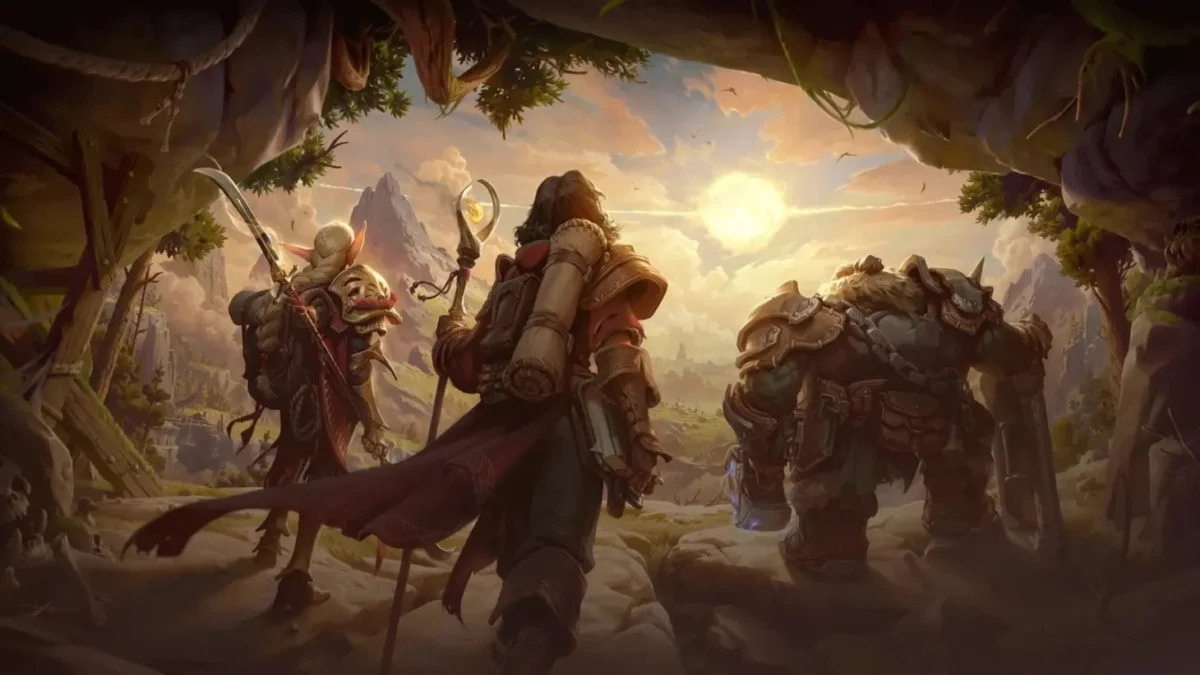
REDMOND, WA – In a significant strategic shift impacting its future game development pipeline, Xbox has terminated its publishing and funding agreement with renowned developer IO Interactive for their ambitious online fantasy RPG, codenamed "Project Fantasy." The decision, which IO Interactive confirmed would necessitate "staff decisions," arrives amidst a turbulent period for Xbox, characterized by extensive layoffs, a call for a fundamental "reset" from its leadership, and widespread speculation about potential studio closures and divestitures.
IO Interactive, the acclaimed studio behind the Hitman franchise and the upcoming Project 007, acknowledged the abrupt change, stating it must "adapt to this new reality and its short-term consequences, including staff decisions." Despite the immediate challenges, the Danish developer reaffirmed its "100% committed" stance on "Project Fantasy," asserting that the game "will see the light of day." This commitment, however, now hinges on securing new funding or transitioning to a self-publishing model, a daunting task for a project of this scale.
The move underscores a deeper, ongoing re-evaluation within Microsoft’s gaming division. An Xbox spokesperson, addressing the decision, articulated a new focus: "We are taking a fresh look at where we invest so we’re focusing on our highest priorities." The company clarified that it is "not reducing our overall investment in games," but rather "what’s changing is where we’re investing and the kinds of projects we’re backing." This re-prioritization signals a pivot away from certain external partnerships and potentially a consolidation around core internal strengths, though the specifics remain largely under wraps.
The Unraveling of Project Fantasy: A Strategic Casualty
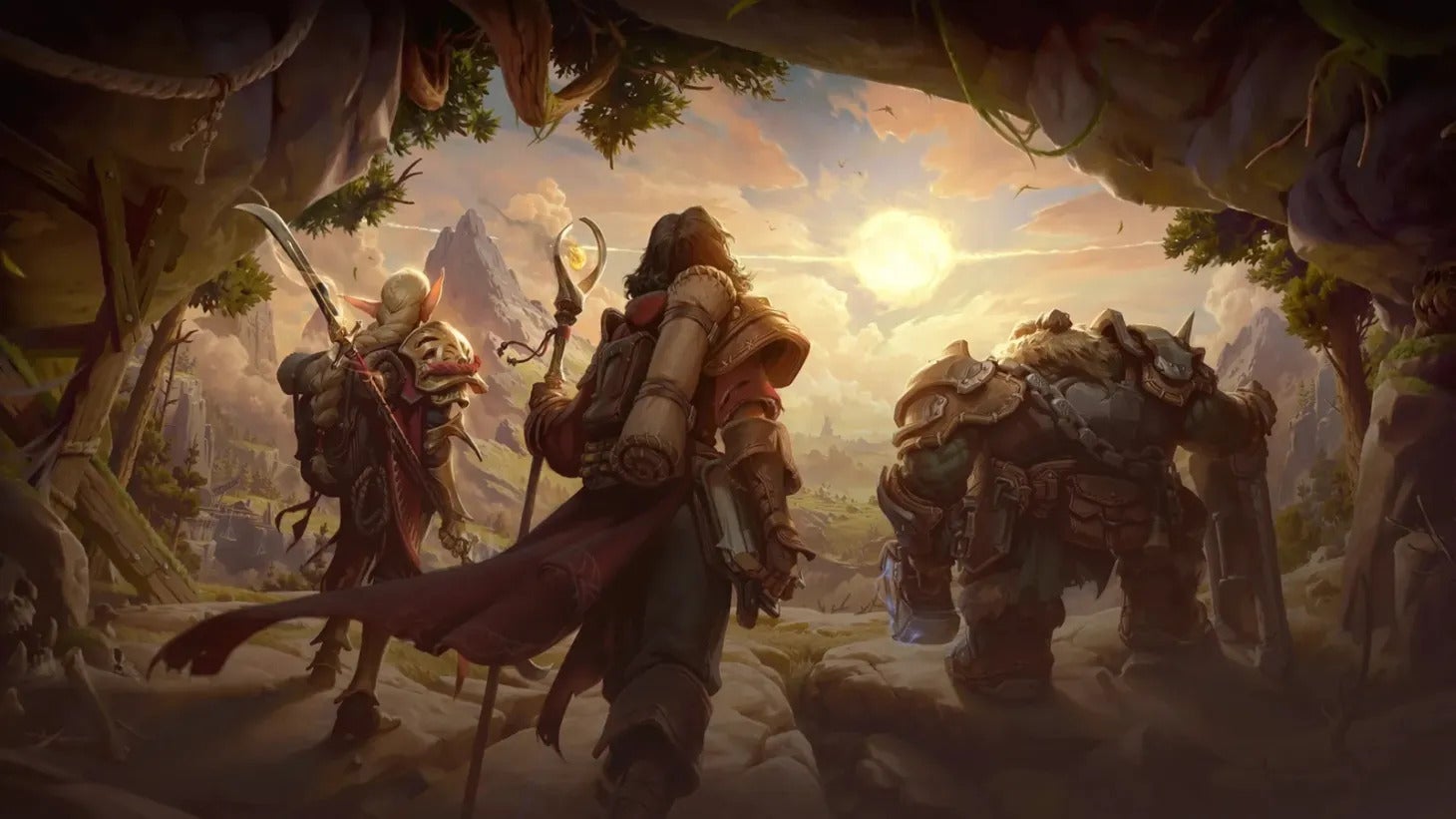
"Project Fantasy," a highly anticipated venture into the online fantasy RPG genre, represented a departure from IO Interactive’s established stealth-action roots. While details about the game remained scarce, the collaboration with Xbox had been seen as a vote of confidence in the studio’s ability to expand its creative horizons and deliver a compelling online experience. The partnership promised significant resources and a global platform, making Xbox’s withdrawal a profound setback for the project’s trajectory.
IO Interactive’s public statement, shared on LinkedIn, conveyed a blend of resolve and regret. "To our dear gaming community," the post began, acknowledging the difficult news. "We’ve made the difficult decision to part ways with Xbox as our publisher for Project Fantasy." The company expressed gratitude for the collaboration but underscored the necessity to "adapt to this new reality and its short-term consequences, including staff decisions." This phrase, often a euphemism in the industry, directly implies job losses within the studio as it recalibrates its workforce to the project’s altered funding landscape. The commitment to "support those affected through this challenging transition" offers little solace to employees facing potential redundancy, even as the studio pledges that the game "will see the light of day." The immediate future of "Project Fantasy" now rests on IO Interactive’s ability to swiftly secure alternative publishing or funding arrangements, a process that could significantly delay its release or alter its scope.
Chronology: Xbox’s Strategic Shift and a Call for "Reset"
The termination of the "Project Fantasy" deal is not an isolated incident but rather a symptom of a broader, more aggressive restructuring underway at Xbox. This strategic overhaul has been building momentum over recent months, marked by a series of unsettling announcements and reports that paint a picture of a division grappling with profitability, operational efficiency, and a desire to redefine its core identity in a competitive market.
The current wave of disruption intensified with widespread reports last month of a "significant round of job cuts at Xbox," expected to commence imminently. These layoffs are anticipated to affect various departments across the gaming division, extending beyond individual studios to encompass publishing, marketing, and support roles. The scale of these cuts suggests a concerted effort to streamline operations and reduce overhead, aligning with the "fresh look at where we invest" philosophy articulated by Xbox.
Further compounding the industry’s anxiety are reports, notably from The Verge, indicating that Microsoft is "exploring options to sell" or potentially close several of its acquired studios. Among those reportedly at risk is Arkane Studios Lyon, the critically acclaimed developer behind Deathloop and the upcoming Blade game. The prospect of divesting from such a high-profile, talent-rich studio sends a clear message about Xbox’s willingness to make drastic decisions to achieve its strategic objectives. Similarly, previous reports suggested that other beloved studios acquired through the ZeniMax and Activision Blizzard deals, including Compulsion Games (We Happy Few), Double Fine Productions (Psychonauts 2), and Ninja Theory (Hellblade: Senua’s Saga), were also under review, potentially facing closure or sale. While specific outcomes for these studios remain unconfirmed, the mere consideration of such actions highlights the severity of Xbox’s internal audit.
This period of intense scrutiny and restructuring was foreshadowed by comments from Xbox CEO Asha Sharma. In a widely circulated internal memo or public statement last month, Sharma explicitly called for an "Xbox reset," urging the company to "reassess [its] investment priorities for the next five years." A key theme of Sharma’s address was the need for greater "self-reliance" within Xbox’s engineering culture. Sharma warned that the division had "become too reliant on vendors to operate our systems and must become more self-reliant as an engineering culture to build for the future." This emphasis on internal capabilities and a reduced reliance on external "vendors"—a term that can broadly encompass third-party developers like IO Interactive—provides crucial context for the "Project Fantasy" cancellation. It suggests a strategic pivot towards fostering proprietary technology, first-party content, and a more integrated development ecosystem, potentially at the expense of external partnerships that do not align perfectly with this vision.
Supporting Data: The Rationale Behind Xbox’s Reallocation
Xbox’s decision to reallocate its investments, rather than reduce them, speaks to a complex interplay of market dynamics, internal performance pressures, and a desire to optimize its competitive position. The company’s assertion that it expects to "invest about the same in content as last year" but is changing "where we’re investing and the kinds of projects we’re backing" suggests a shift in strategy rather than a simple cost-cutting measure.
One key factor influencing this reallocation is likely the performance and sustainability of the Game Pass subscription service. While Game Pass has been a cornerstone of Xbox’s strategy, driving subscriber growth and offering a unique value proposition, maintaining its extensive library and funding new titles requires immense capital. Xbox may be seeking to prioritize projects that offer the most direct and sustainable benefits to Game Pass, whether through exclusive content, innovative service integrations, or titles with long-term engagement potential. Online multiplayer games, while often lucrative, also carry significant development and operational costs, alongside the risk of failing to capture a sustained audience in a crowded market. "Project Fantasy," as an online fantasy RPG, would have fallen into this high-investment, high-risk category.
Furthermore, the gaming industry at large has experienced a post-pandemic slowdown, with growth rates normalizing after an unprecedented surge. This "new reality" for the industry, combined with rising development costs and increased competition, puts pressure on publishers to be more judicious with their investments. Xbox, having made several multi-billion dollar acquisitions in recent years (ZeniMax Media for $7.5 billion and Activision Blizzard for nearly $69 billion), is under immense pressure to demonstrate returns on these massive investments. This likely translates into a sharpened focus on leveraging its newly acquired internal studios and IPs, potentially leading to a de-emphasis on external partnerships for large-scale projects that don’t directly contribute to the consolidated first-party ecosystem.
CEO Asha Sharma’s call for "self-reliance" can also be interpreted as a move to reduce reliance on external contractors and middleware, aiming for greater control over development pipelines, intellectual property, and technological innovation. This vertical integration strategy, if fully embraced, could see Xbox funneling more resources into its own studios and internal technology divisions, rather than commissioning large projects from third-party developers. While this approach offers greater control and potentially better synergy, it also means external studios bear a higher burden of proof and risk when seeking publishing deals.
Official Responses: Diverse Perspectives on a Shifting Landscape
The various parties involved—IO Interactive, Xbox, and the Communications Workers of America (CWA) union—have each offered statements that reflect their respective positions and concerns regarding this turbulent period.
IO Interactive’s statement, while acknowledging the financial hit and potential job losses, maintained a defiant tone regarding "Project Fantasy." Their commitment that the game "will see the light of day" suggests an immediate pivot towards finding a new partner or exploring self-publishing avenues. This resilience is characteristic of an independent studio that has successfully navigated the complexities of the industry for years, often balancing creative ambition with commercial realities. However, the mention of "staff decisions" serves as a stark reminder of the human cost of such corporate shifts.
The Xbox spokesperson’s clarification, as reported by Bloomberg, aimed to manage the narrative around the investment reallocation. By emphasizing that overall content investment remains stable, Xbox seeks to reassure developers and consumers that its commitment to gaming is undiminished. The focus on "highest priorities" and "kinds of projects we’re backing" provides a strategic rationale, implying a more curated and perhaps risk-averse approach to funding. This message attempts to frame the changes not as a retreat, but as a refinement of strategy, prioritizing projects deemed more central to Xbox’s long-term vision and Game Pass ecosystem.
In stark contrast, the Communications Workers of America (CWA) union, which has been actively organizing within Microsoft’s gaming division, expressed strong condemnation of the reported layoffs and restructuring. CWA District 9 VP Frank Acre issued a forceful statement, asserting that staff within Microsoft’s gaming division "will not be treated as disposable." Acre criticized the perceived corporate culture, stating, "Every company faces real business challenges and pressures. That is a fact. But let me tell you this: it’s our CWA members who make the gains that make Xbox valuable." This statement highlights the growing tension between corporate restructuring efforts and employee welfare, underscoring the union’s role in advocating for job security and fair treatment during periods of economic uncertainty. The CWA’s intervention adds a crucial layer of accountability to Xbox’s actions, emphasizing the human element beyond financial spreadsheets.
Xbox responded to the CWA’s criticism by reiterating its respect for "the right of our team members to make their voices heard." The company also pointed to its "long track record of good faith partnership with labour organisations," citing "several finalised bargaining agreements our teams have reached with the CWA and our labour principles." Xbox concluded by stating, "We are continuing to negotiate in good faith with the CWA to reach agreements across Xbox." This response aims to project an image of a responsible employer committed to constructive dialogue with its workforce, even amidst difficult decisions. However, the ongoing negotiations and the CWA’s strong stance suggest that the relationship remains delicate, particularly as layoffs continue to impact employees.
Implications: The Future of Xbox and Game Development
The repercussions of Xbox’s strategic realignment extend far beyond "Project Fantasy" and IO Interactive, signaling potentially profound changes for the broader gaming landscape.
For IO Interactive, the immediate future of "Project Fantasy" is precarious. While the studio’s commitment is commendable, securing new funding for a large-scale online RPG in the current climate will be challenging. Developers of their caliber are highly sought after, and their track record with Hitman and the James Bond license provides significant leverage. However, the incident highlights the risks associated with relying on single publishing partners, even those as large as Xbox. It may push IO Interactive further towards self-publishing or seeking more diversified funding models for future projects.
For Xbox’s first-party strategy, this pivot suggests a more centralized and perhaps conservative approach. The emphasis on "highest priorities" likely means a focus on established franchises, Game Pass-driving exclusives, and projects that align seamlessly with Xbox’s broader ecosystem goals. It raises questions about the future of experimental or high-risk new IPs, especially those from external partners. The potential divestment or closure of studios like Arkane Lyon, Compulsion Games, Double Fine, and Ninja Theory, if they materialize, would represent a significant contraction of creative diversity within Xbox’s portfolio, concentrating resources on fewer, perhaps more commercially predictable, ventures. This could lead to a more streamlined but potentially less creatively varied output from Xbox Game Studios.
The shift towards "self-reliance" and reduced "vendor" reliance could also reshape publisher-developer relationships across the industry. Independent studios seeking funding may find fewer opportunities for large-scale deals with major publishers, who might increasingly prefer to develop content internally or acquire studios outright. This could force more independent developers to pursue self-publishing, seek smaller, more niche projects, or consolidate to achieve the scale necessary to attract investment.
For consumers, the implications are mixed. On one hand, a more focused Xbox could potentially deliver higher quality, more polished titles from its core studios, better integrated with Game Pass. On the other hand, a reduction in external partnerships and potentially fewer, more homogeneous internal projects could lead to a less diverse offering in the long run. The uncertainty surrounding beloved studios also casts a shadow over their future releases.
Finally, the escalating tensions between Xbox and the CWA union underscore a growing industry-wide movement for greater worker protections and a stronger voice for employees. As the gaming industry continues to mature and consolidate, the dynamics between corporate interests and labor rights will become an increasingly central theme, influencing everything from hiring practices to project cancellations. The "Xbox reset" is not just a financial or strategic maneuver; it’s a human one, with real consequences for the thousands of individuals who contribute to the creation of interactive entertainment. The industry will be watching closely to see how Xbox navigates these challenging waters, and what precedents it sets for the future of game development and employment.