Iffa Jayyana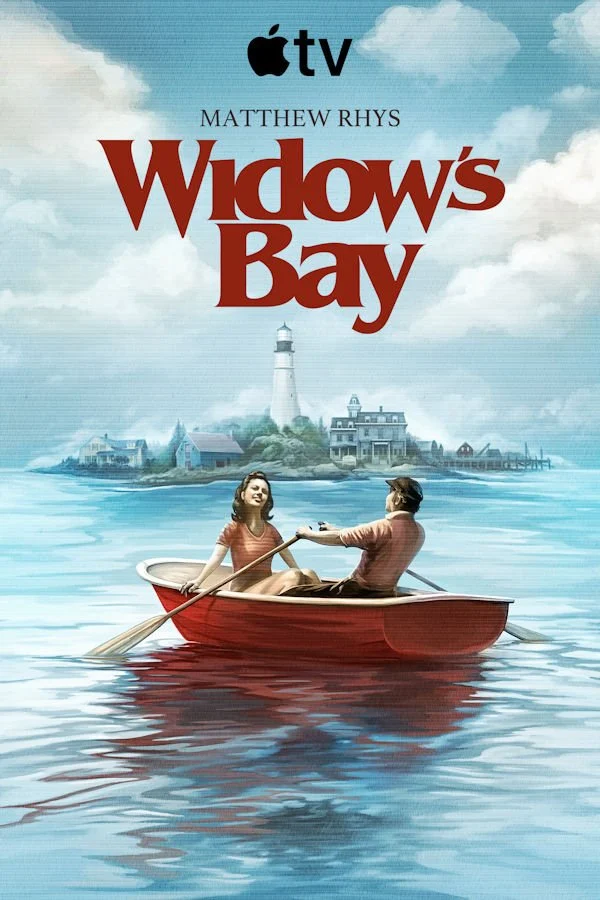
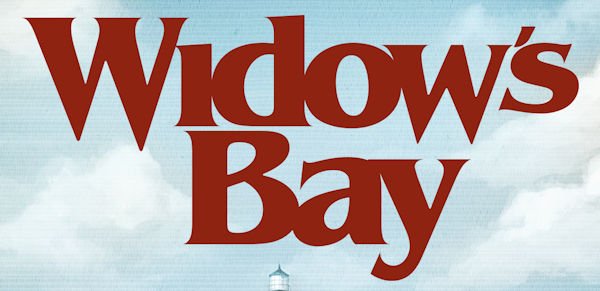
There is a specific, visceral reaction triggered by a certain style of typography—those blocky, nostalgic, serif-heavy letters that instantly evoke the works of Stephen King. It is a visual shorthand for dread, a promise that you are about to be unsettled, thrilled, and perhaps a little bit terrified. From the eerie title cards of Stranger Things and Twin Peaks to the genre-defining aesthetic of John Carpenter’s filmography, that font has become the international symbol for the uncanny.
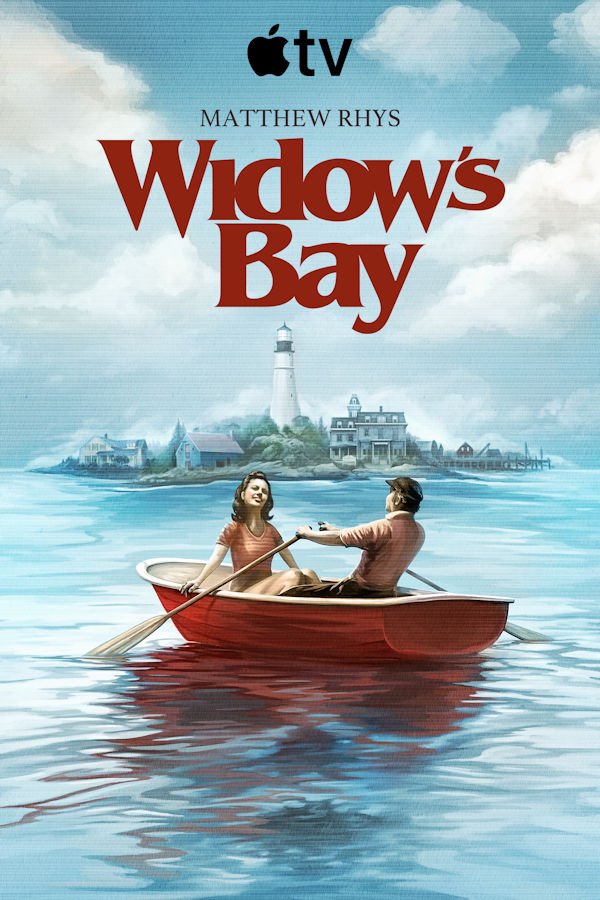
Now, a new series on Apple TV, Widow’s Bay, is leveraging that same aesthetic shorthand to lure audiences into a trap. With only three episodes currently available, the series has already cemented itself as a must-watch, blending the isolated terror of Jaws with the quirky, character-driven charm of Northern Exposure.
Main Facts: A Town Built on Folklore and Folly
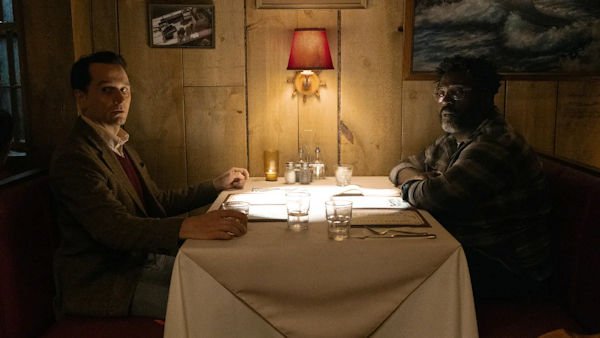
Set on a picturesque, wind-swept fishing island off the rugged coast of New England, Widow’s Bay serves as a masterclass in atmosphere. The show centers on Mayor Tom Loftis, portrayed by the formidable Matthew Rhys (The Americans, Perry Mason). Loftis is a man caught between two worlds: he is a non-native whose father hailed from the island, yet he remains an outsider to the deeply superstitious local population.
Loftis arrives with a mandate of economic revitalization, eager to save a flailing town from obscurity. However, his skepticism is his greatest liability. While he invites New York Times journalists to highlight the island’s quaint charm, he remains blissfully—or perhaps willfully—ignorant of the town’s dark historical society, which proudly displays a newspaper clipping documenting a gruesome cannibalism incident from the town’s past.
The series is created by Katie Dippold, known for her sharp comedic work on Parks and Recreation, and directed by Hiro Murai, the visionary behind The Bear, Atlanta, and Barry. This creative marriage of high-concept comedy and cinematic, gritty drama provides the series with its unique, off-kilter rhythm.
Chronological Breakdown: Entering the Bay
The narrative structure of Widow’s Bay is deceptively simple, echoing the procedural brilliance of The X-Files and the monster-of-the-week charm of Buffy the Vampire Slayer.
- The Arrival: The first episode establishes the baseline of normalcy. We see the island through Loftis’s eyes: the salty air, the local watering hole, and the palpable resentment of the locals. The pacing is deliberate, establishing the "lived-in" quality of the town before layering on the supernatural threats.
- The Escalation: By the second episode, the folklore begins to manifest. The show introduces questions that linger long after the credits roll: Is the local inn truly haunted? Are the sea hags whispered about by the locals merely legends, or are they pacing the shoreline?
- The Current Standpoint: As of the third episode, the audience acts as a confidant to Loftis. We witness his mounting frustration as he tries to maintain order, while the townsfolk look on with smirks, waiting for his inevitable confrontation with the island’s true nature.
Supporting Data: The Anatomy of the Cast
A horror-comedy is only as effective as the tension between its characters. Widow’s Bay thrives on a cast that oscillates between deadly serious and absurdly humorous.
- The Skeptic (Matthew Rhys): As Mayor Tom Loftis, Rhys delivers a performance of grounded frustration. His comedic timing, honed through years of prestige drama, makes his interactions with the island’s more colorful personalities feel authentic.
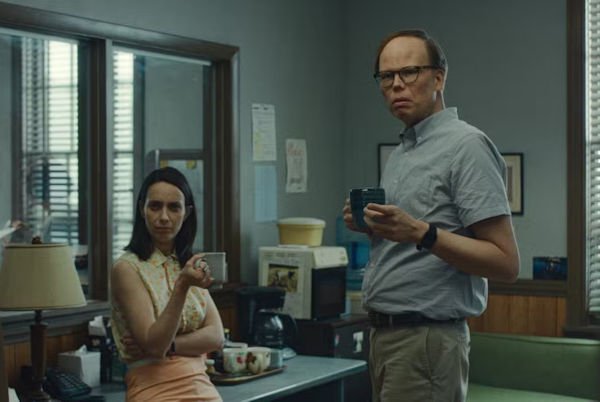
- The Haunted Assistant (Kate O’Flynn): Playing Patricia, Loftis’s assistant, O’Flynn is the series’ breakout star. She is a woman burdened by the island’s past terrors, yet she delivers her lines with a stoic, biting humor that cuts through the tension of the show’s darker moments.
- The Local Antagonists: Stephen Root (Office Space, Barry) portrays Wyck, the town drunk who serves as a repository for the island’s terrifying myths. Opposite him is Dale Dickey as Rosemary, the town gossip, whose subtle, venomous taunts add a layer of human malice that complements the supernatural threats.
Official Creative Vision: The Dippold-Murai Partnership
The brilliance of Widow’s Bay lies in its avoidance of caricature. While Katie Dippold’s background in Parks and Recreation suggests a leaning toward the ridiculous, the characters in this series possess an "inborn dread" that elevates them beyond tropes.
Hiro Murai’s directorial hand provides the necessary gravity. Having shaped the high-pressure environments of The Bear and the surreal, atmospheric shifts of Atlanta, Murai understands how to balance humor with genuine, heart-pounding stakes. In his hands, the town of Widow’s Bay is not just a backdrop; it is a character in its own right. The visual cues—the chained-up church bell that rings without cause, the lone chair facing a basement door—serve as breadcrumbs for an audience that knows, perhaps better than the characters, that they are watching a descent into darkness.
Implications: A New Benchmark for Genre-Blending
The success of Widow’s Bay represents a shifting landscape in streaming television. The show joins a lineage of "genre-defying" content, including Santa Clarita Diet and Cabin in the Woods, that refuses to be boxed into a single category.
Why This Matters for the Industry
- The "Monster of the Week" Renaissance: By returning to a self-contained narrative structure within a larger arc, the show keeps its pacing tight, preventing the "mid-season slump" that plagues many ten-episode series.
- The Return of the Atmosphere-First Thriller: Unlike many modern horror shows that rely on excessive CGI, Widow’s Bay relies on the tactile: the smell of salt, the cold of the Atlantic, and the weight of local history.
- Audience Engagement via Dramatic Irony: By placing the audience in a position where they know more than the protagonist, the creators generate a specific kind of suspense—the urge to look away, yet the inability to do so.
Looking Ahead
With seven episodes remaining, the primary question is whether Widow’s Bay can sustain its momentum. If the current trajectory holds, the series is poised to become a landmark in the horror-comedy subgenre. For those who enjoy the uncanny, the supernatural, and the darkly funny, the ferry to Widow’s Bay is departing. The question remains: once you arrive, will you ever be able to leave?
As the series continues, fans are encouraged to keep an eye on the subtle clues left by the production team. Whether it’s the blink-and-you-miss-it imagery in the background or the cryptic dialogue of the town’s elders, Widow’s Bay demands—and rewards—the viewer’s full attention.
For those eager to dive into the mystery, the teaser trailer is available via the official Apple TV portal. The fog is rolling in, the sea hags are stirring, and the town of Widow’s Bay is waiting for its next victim—or perhaps, its next mayor. Don’t say you weren’t warned.

 Sagoh
Sagoh
 Suro Senen