Jia Lissa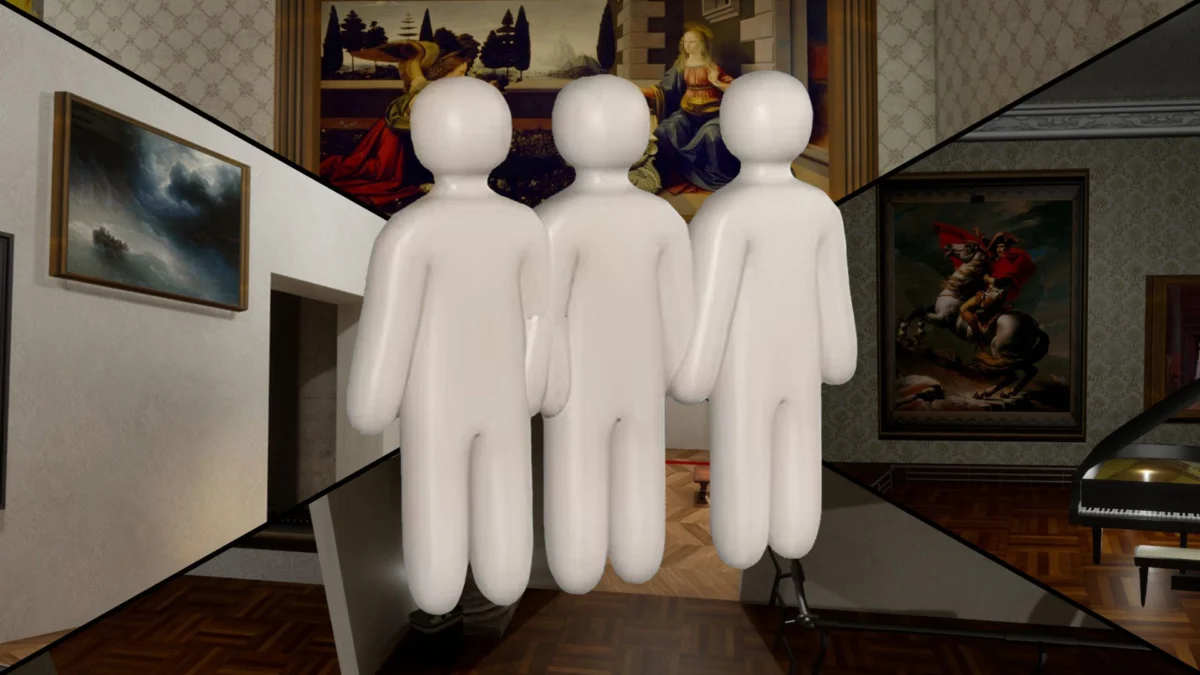
In the rapidly expanding landscape of social deduction and hide-and-seek gaming, few titles have captured the public imagination quite like Meccha Chameleon. Since its release on June 10, 2026, the game has surged to the top of indie charts, becoming a global phenomenon. At the heart of its success is the "Art Gallery," a map that serves as the gold standard for environmental camouflage. Combining intricate level design with the high-stakes tension of hunter-versus-hider dynamics, the Art Gallery offers a playground for the clever and the observant.
For newcomers and veterans alike, understanding the nuances of this map is the difference between a swift elimination and a legendary victory. Whether you are a chameleon looking to blend into a masterpiece or a hunter attempting to discern the living from the inanimate, this guide breaks down the most effective strategies for survival and surveillance.
The Anatomy of the Art Gallery: Why It Works
The Art Gallery is lauded for its deliberate balance. Unlike larger, more chaotic maps in Meccha Chameleon, the gallery is contained, forcing intimate encounters between hunters and chameleons. The map’s design philosophy relies on "visual noise"—a collection of complex, high-detail textures and art styles that provide the perfect camouflage for a player capable of precise color-matching and positioning.
The map is not merely a collection of rooms; it is a carefully curated gauntlet. By forcing players to move through corridors that require a constant rotation of perspective, the developers have ensured that no single hiding spot remains safe for the duration of a round. This environment demands that players treat the map as a living, breathing puzzle.

Chronology of the Map’s Rise to Popularity
- June 10, 2026: Meccha Chameleon officially launches, introducing the Art Gallery as a flagship map. Initial reviews praise its atmospheric lighting and clever "painting-swap" mechanics.
- June 17, 2026: The competitive community begins documenting "pro-strats," shifting the meta from simple corner-hiding to advanced color-blending within specific assets like the security cameras and the trash receptacles.
- July 2, 2026: Current analysis of the map reveals that while player population has surged into the millions, the "Art Gallery" remains the most played map, with a 65% selection rate in public lobbies, solidifying its status as the game’s cultural touchstone.
Tactical Hiding Spots: A Comprehensive Breakdown
If you find yourself desperate to evade detection, these ten locations—ranked from unconventional to masterful—are your best defense.
10. The Security Camera: A Lesson in Perspective
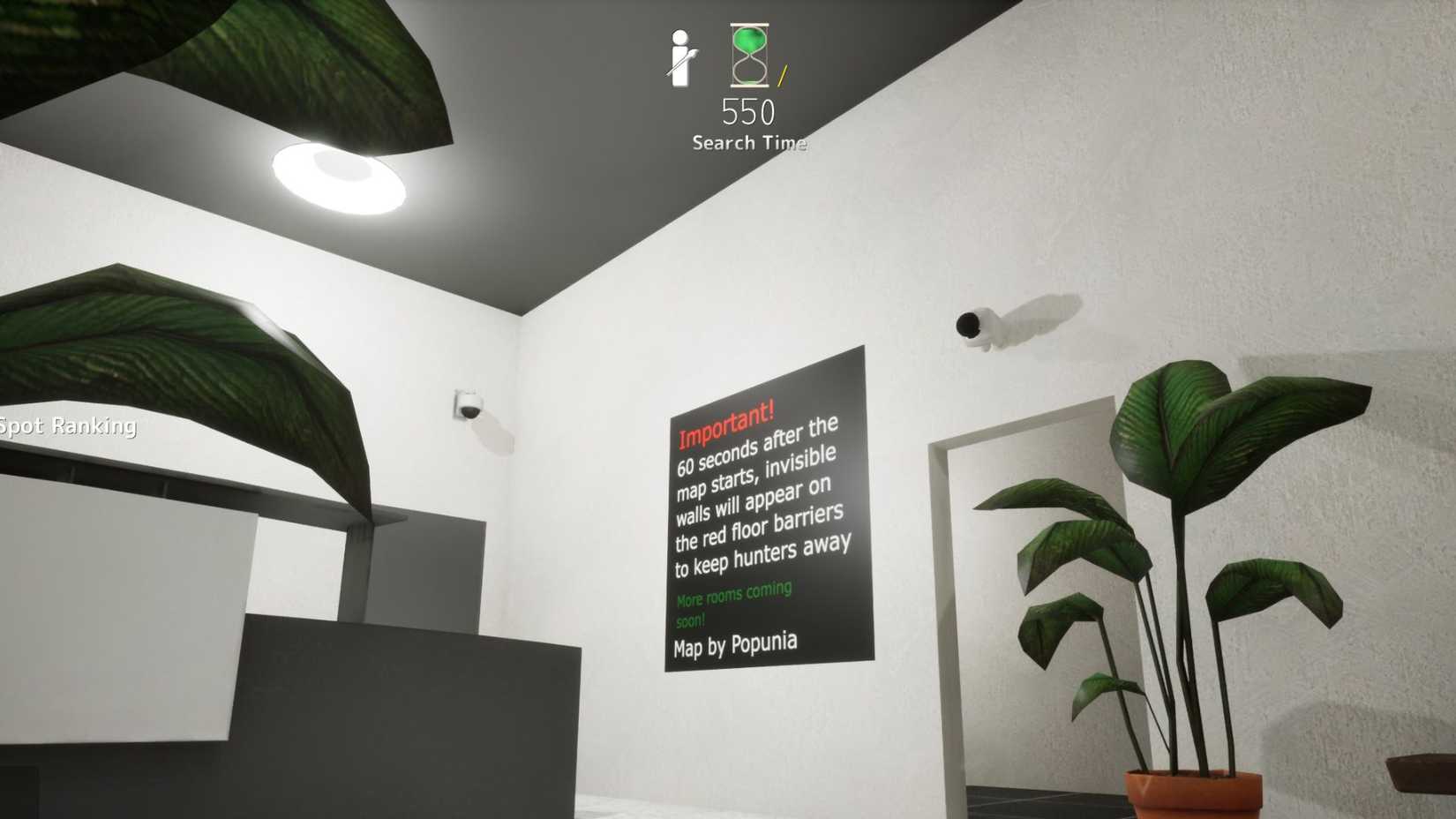
Most players immediately rush to the paintings upon entering the gallery. This creates a psychological blind spot. By heading to the spawn area and scaling the architecture above the doorway, you can position yourself near the security camera. By painting your body the wall color and your "head" (the chameleon’s upper protrusion) black, you effectively become part of the hardware. It is a bold, "out-of-the-box" strategy that works precisely because no one thinks to look up at the fixtures.
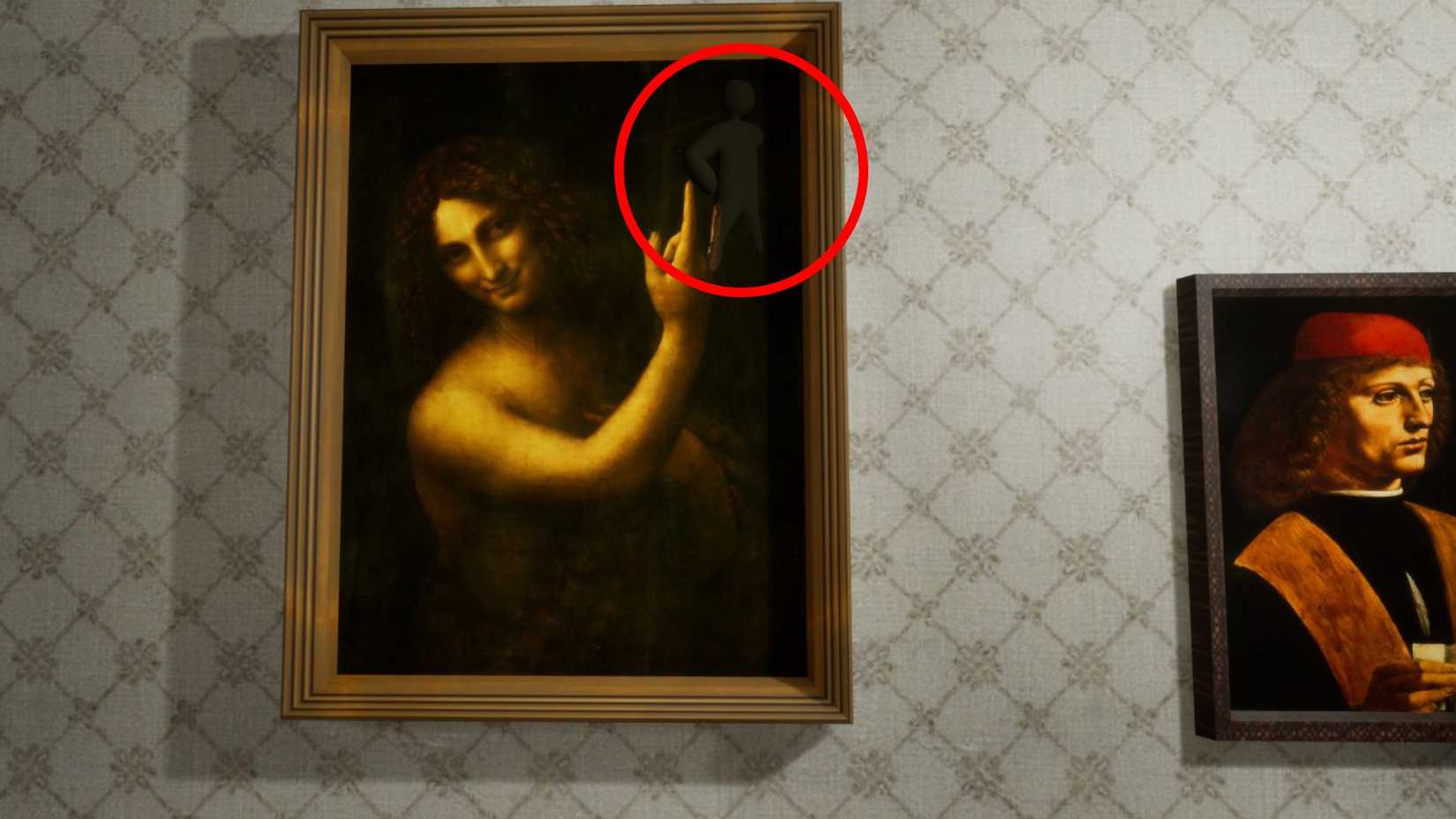
9. St. John the Baptist: Leveraging Shadows
Located conveniently near the spawn, this painting provides a versatile sanctuary. The high-contrast lighting of the St. John the Baptist portrait allows for excellent color-matching. The key here is not to hide in the center, but to blend into the extremities, such as the subject’s fingers or the dark folds of the clothing. The darker sections of the canvas are your greatest ally; they mask the slight pixelation that occurs when a player is improperly painted.
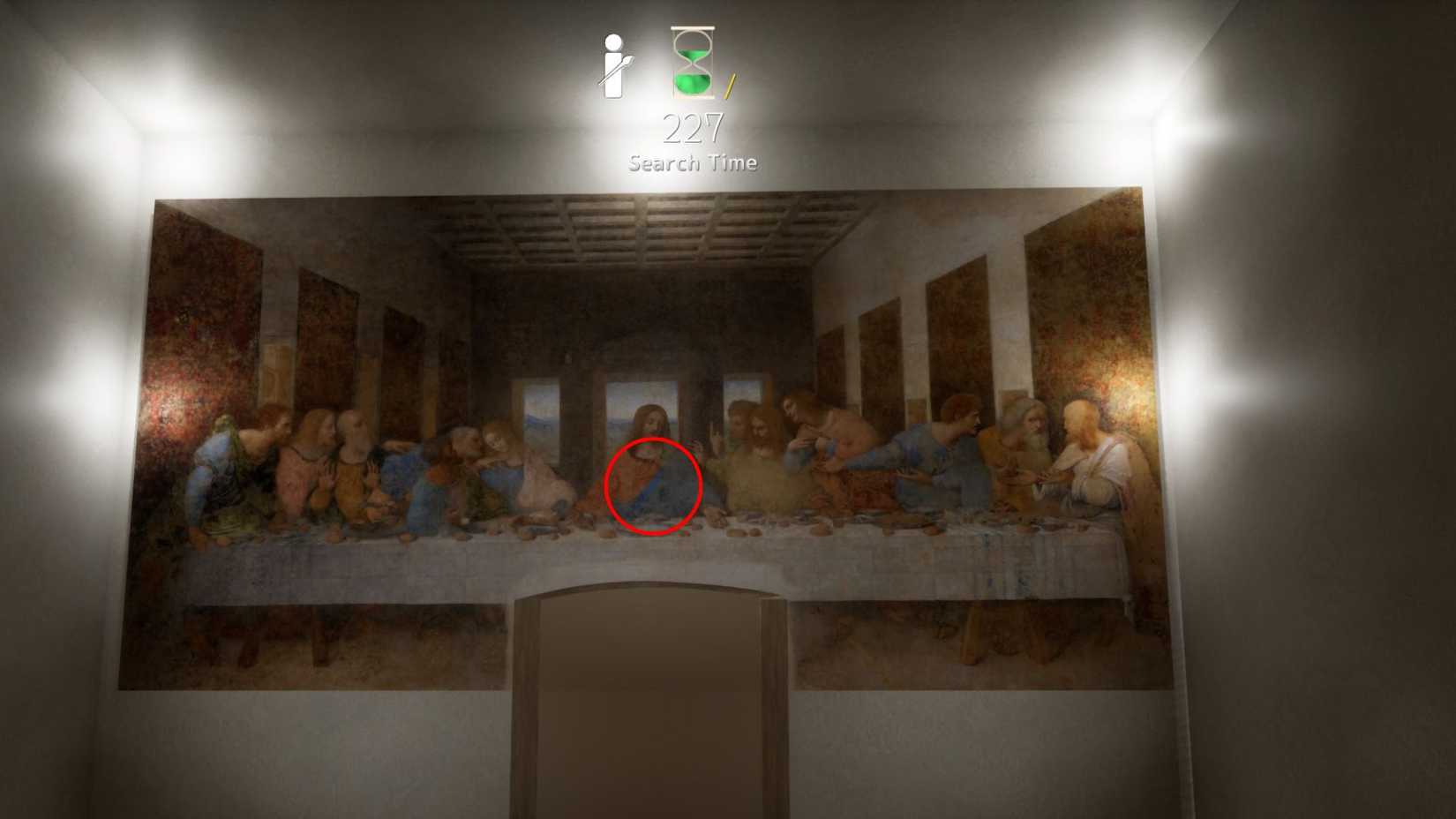
8. The Last Supper: The Power of Distance
The Last Supper is a massive, iconic piece that occupies a prime location. Because of its scale, it is often viewed from a distance, which works in the chameleon’s favor. The sheer size of the table and the figures allows for multiple anchor points. My recommendation is to focus on the table legs or the robes of the central figure. The cross-sections created by the painted robes provide natural "lines" that help break up the silhouette of your character, making you nearly invisible to a hunter passing by.
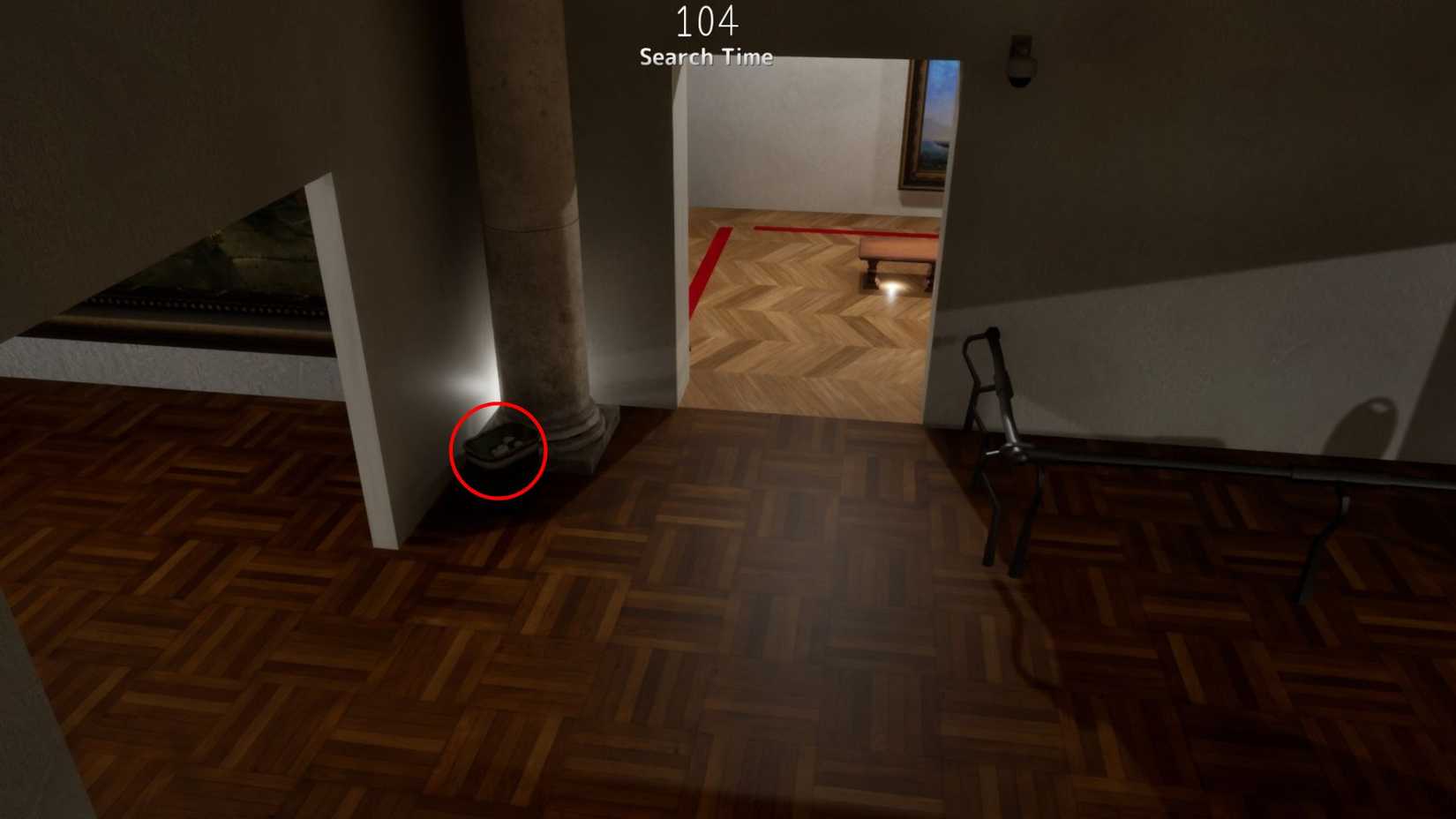
7. The Garbage Can: Being the "Trash"
One of the most overlooked mechanics in Meccha Chameleon is the ability to interact with non-artistic environmental props. The garbage cans are often ignored by hunters who assume everyone is hiding within the frames. By utilizing the "curled-up" pose, you can tuck yourself inside the bin. A quick coat of paint matching the trash bag inside, and you become part of the clutter. It is a high-risk, high-reward spot that relies entirely on the hunter’s tendency to ignore "low-value" environmental assets.
6. The Annunciation: Hidden in the Shadow
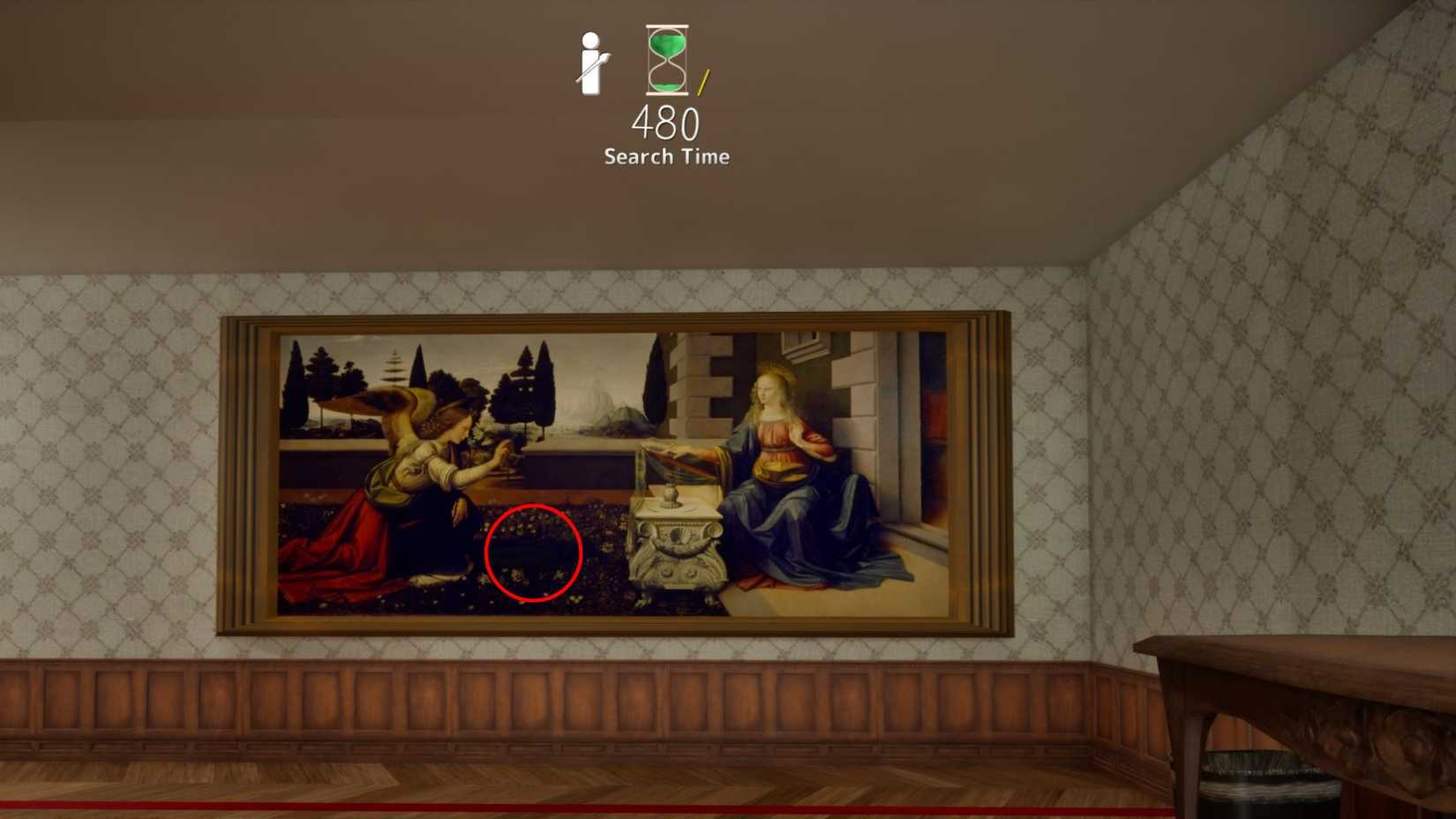
The Annunciation is a wider, more expansive painting. The secret here is the long, deliberate shadow cast next to the winged figure. By shifting into a "lying sideways" pose, you can perfectly align yourself within this shadow. Because the shadow is a distinct color block, it is incredibly forgiving for players who aren’t perfect at color matching. If you are struggling to blend into the complex details of the figures, the shadow is your safest bet.
5. Impression, Sunrise: The Impressionist Advantage
Monet’s Impression, Sunrise is a masterpiece of light and color, which makes it a unique challenge to hide in. However, the painting is often glossed over by players simply because it is positioned in a "transitional" space between rooms. Hunters often look at it once and then move on, assuming it’s too bright to hide in. That assumption is your weapon. Its position relative to the doorways makes it a tactical gem for those who prefer to hide in plain sight.
4. The Boat Painting: A Dark Sanctuary
Situated directly adjacent to the Monet, the Boat Painting is significantly darker. Darker palettes are mathematically easier to blend into, as they hide the subtle edges of your chameleon model. Many players flock to this room at the start of a match and choose this painting specifically because it offers the fastest transition from "running" to "hidden." It is a classic spot, but one that remains effective due to the high density of visual detail.
3. A Burial at Ornans: Blending with the Crowd
This painting is an absolute nightmare for hunters. It features a dense group of figures in dark, somber clothing. By painting yourself to match one of these figures, you become lost in the crowd. The trick is to match the texture of the dresses. Because there are so many overlapping silhouettes in this painting, a hunter is likely to become overwhelmed by the visual data, increasing the likelihood that they will pass you over.
2. Napoleon: The Cape Concealment
The Napoleon painting is a fan favorite for a reason. Hiding near the cape of the subject allows you to use the cape’s own flowing lines to obscure your character’s natural shape. Furthermore, the lighting in this specific section of the map is lower than in the main gallery, which provides a natural buff to your stealth. When in doubt, "in the cape" is the golden rule for survival on this map.
1. Last Day in Pompeii: The Ultimate Masterpiece
Located in the furthest room from the spawn, the Last Day in Pompeii is, without question, the most powerful hiding spot on the map. The sheer chaos of the painting—fire, falling stone, and panicked figures—provides an infinite number of ways to camouflage yourself. Whether you hide in the fire, the stone, or among the figures, the noise of the painting is so great that it masks the silhouette of a chameleon entirely. It is a testament to the game’s design that such a massive, visually busy asset can be used so effectively for stealth.
Implications for Future Gameplay
The popularity of the Art Gallery map suggests a clear trend in the Meccha Chameleon community: players value depth over size. As the game continues to evolve, we can expect the developers, led by solo creator lemorion_1224, to introduce more maps that reward patience and observation.
The success of the Art Gallery has also sparked a broader discussion about indie game development. When a title with a player capacity of 2-10 players can dominate the charts, it proves that "AAA" production values are not a prerequisite for a compelling, addictive, and high-quality gaming experience.
Official Developer Stance and Community Feedback
While lemorion_1224 has remained relatively quiet regarding specific balance patches, the community consensus is that the Art Gallery is currently in a "perfect state." In recent interviews, the developer noted that the goal was to create a "sensory experience where the environment is as much a player as the participants."
The community has responded with overwhelming positivity. User forums are filled with screenshots of "impossible" hiding spots, and the game’s official Discord server hosts weekly contests for the most creative use of the game’s painting mechanics. As we move into the second half of 2026, it is clear that the Art Gallery will remain a cornerstone of the Meccha Chameleon experience for years to come.
Conclusion
The Art Gallery is more than just a map; it is an exercise in perception. To succeed, you must think like an artist and act like a chameleon. By mastering the light, the shadows, and the textures of these ten iconic spots, you can turn the tide of any match. So, the next time you find yourself in the gallery, remember: don’t just hide. Become the art.


 Laily UPN
 Sagoh
Sagoh