Raul Delapena Setiawan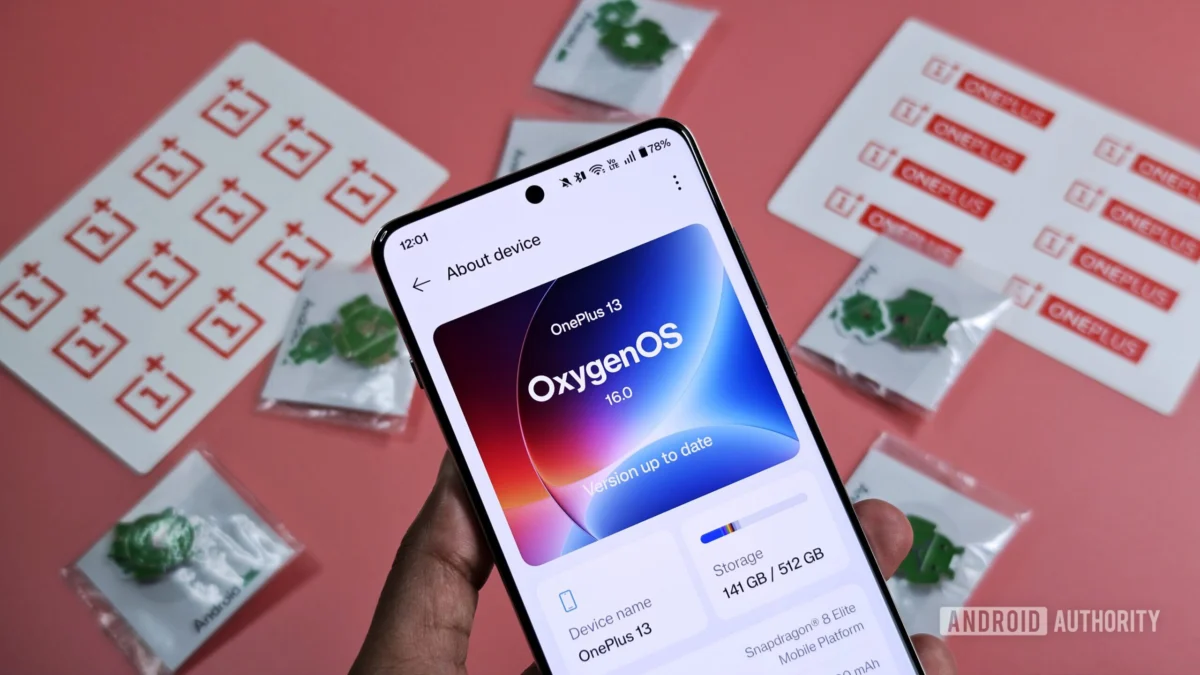
The landscape of the smartphone industry is undergoing a tectonic shift. For over a decade, OnePlus held a unique position in the hearts of tech enthusiasts, carving out a niche as the quintessential "flagship killer"—a brand that offered premium performance at a disruptive price point. However, that identity is now facing its most existential threat to date. Following reports of deep-seated organizational restructuring within the BBK Electronics ecosystem, new revelations suggest that OnePlus—and its signature software, OxygenOS—may be on the verge of being fully subsumed into the OPPO brand.
The Core Revelation: Consolidation at the Top
A recent report from Smartprix, citing highly reliable industry sources, has sent shockwaves through the Android community. The report alleges that parent company OPPO is initiating a "sweeping consolidation" of its smartphone portfolio. If these reports hold true, the distinct brand identities of OnePlus and realme are being phased out, with their operations being absorbed directly into the core OPPO business model.
Perhaps more significant than the corporate restructuring is the news regarding software. The report claims that OxygenOS—the beloved, clean, and highly customizable skin that defined the OnePlus experience—will be discontinued on future devices globally. It will be replaced entirely by OPPO’s ColorOS. Similarly, realme UI is expected to meet the same fate, marking the end of what many consider a "golden era" of software diversity within the BBK-affiliated brands.
A Chronology of Integration: How We Got Here
To understand the gravity of this news, one must look at the timeline of the "merger" that has been unfolding in slow motion for years.
2013–2020: The Independent Years
OnePlus launched with a clear mission: to provide a "stock-like" Android experience with deep customization options, known as OxygenOS. During this period, OxygenOS was arguably the primary selling point for the brand, beloved for its fluidity, lack of bloatware, and enthusiast-focused features.
2021: The "Unified" Codebase
The first major red flag appeared in 2021 when OnePlus announced it would merge the codebase of OxygenOS with OPPO’s ColorOS. At the time, the company reassured fans that while the underlying architecture would be shared to improve update frequency and stability, the user-facing skins would remain distinct. They promised that OxygenOS would retain its identity in global markets.
2022–2024: The Gradual Erasure
In the years following the 2021 announcement, the line between the two skins began to blur into invisibility. Feature by feature, OxygenOS adopted the visual language, settings menu layouts, and even the bugs inherent to ColorOS. For the average user, the distinction became purely cosmetic—a different icon pack and a slightly different notification shade.
2025: The Final Curtain
Now, as we approach the end of 2025, the industry consensus suggests that the "separate skin" strategy is being abandoned altogether in favor of a singular, unified software identity under the ColorOS banner. This marks the culmination of a multi-year strategy to streamline development costs and unify the software ecosystem under the OPPO umbrella.
Regional Shifts and Strategic Focus
The consolidation isn’t just about software; it’s about a radical pivot in market strategy. According to the emerging reports, OnePlus is narrowing its geographic focus, prioritizing its two largest and most profitable strongholds: India and China.
For the North American and European markets, this consolidation signals a potential scaling back of resources. While OnePlus North America previously affirmed its commitment to supporting existing users, the lack of official comment regarding this latest report is telling. If OnePlus shifts its focus entirely to India and China, the brand’s presence in Western markets may eventually become a secondary priority, handled more as an extension of OPPO’s global sales machine than as an independent operation.
Conversely, realme appears to be taking the opposite approach, reportedly winding down its China operations to focus exclusively on international markets where its low-cost, high-volume model has found significant success.
The Technical Implications: What Happens to the User?
For the loyal OnePlus user, the shift to ColorOS is not merely a change in name; it is a change in philosophy.
1. The Loss of the "Enthusiast" Appeal
OxygenOS was built on the foundation of being "fast and smooth." It catered to power users who wanted a near-stock Android experience with the ability to tweak everything from system animations to kernel-level settings. ColorOS, while feature-rich and highly capable, is often criticized for being "heavy," cluttered, and more reminiscent of iOS-style aesthetics than the traditional Android look and feel.
2. Software Update Cadence
The stated goal of the 2021 merger was to provide faster, more consistent updates. While this has largely been achieved, the trade-off has been the loss of the "OnePlus feel." Moving forward, users will likely receive updates at the same time as OPPO devices, which might be a benefit in terms of raw speed but a disadvantage for those who preferred the specific, curated update roadmap of OnePlus.
3. The End of Global Customization
One of the most persistent rumors is that the transition to a single OS will limit the ability for regional customization. If the codebase is identical worldwide, the unique, region-specific "flair" that OnePlus brought to its software will likely be deleted from the repository to save on maintenance costs.
Official Responses and Corporate Silence
The current climate of uncertainty is compounded by a notable lack of transparency. When Android Authority and other outlets have reached out to OnePlus for comment regarding these reports, the responses have been either vague or non-existent.
In the past, when rumors of a merger surfaced, OnePlus executives were quick to issue blog posts and press releases to calm the community. The current silence is deafening. It suggests that the decision may have already been finalized at the corporate level in China, leaving regional offices with little to say until an official, global announcement is prepared. This "wait and see" approach often precedes major corporate rebrands, where the company prefers to control the narrative through a single, orchestrated launch rather than engaging in a piecemeal discussion.
The Broader Implications for the Smartphone Market
The disappearance of the "flagship killer" brand identity represents a wider trend in the smartphone market: the era of the boutique independent brand is over.
- Market Consolidation: As the cost of R&D for 5G, AI, and advanced camera systems balloons, smaller, independent brands can no longer compete. Consolidation into "super-brands" like OPPO allows companies to share costs, supply chains, and software development, but it kills the competitive diversity that defined the last decade of Android.
- The Homogenization of Design: If OnePlus, realme, and OPPO all run the same software and share the same hardware supply chains, the choice for the consumer becomes purely about price and industrial design. We are moving toward a market where the "brand" is merely a label on the back of a phone, rather than a unique technological proposition.
- The Impact on the Ecosystem: For developers and power users, the loss of a distinct OxygenOS is a blow to the vibrant community of custom ROMs and modifications that once fueled the growth of the Android ecosystem.
Conclusion: A Bitter Pill for the Loyalists
If the rumors are true, the transition from OxygenOS to ColorOS marks the final chapter in the OnePlus story as we knew it. While the brand may survive in name—and perhaps even thrive in terms of market share—the soul of the company is being integrated into a much larger, more corporate machine.
For the early adopters who waited in lines for invites to buy the original OnePlus One, this news feels like the end of an era. The "Never Settle" slogan, which once served as a rallying cry against the status quo, now feels ironic as the brand settles into the very corporate structure it was built to disrupt. As we await an official statement, the tech world is left to mourn the loss of one of its most innovative voices—a voice that, it seems, is being permanently muted in favor of corporate synergy.
Only time will tell if the transition to a unified OPPO ecosystem will provide the stability and growth the parent company desires, or if it will alienate the very community that helped build the OnePlus brand into the titan it is today. One thing is certain: the Android landscape will be a less diverse, and perhaps less exciting, place for it.


 Azzam Bilal Chamdy
 Suro Senen