

In the modern automotive landscape, our vehicles have evolved from simple modes of transportation into sophisticated, multi-functional mobile hubs. While the market is currently saturated with high-tech integrations like wireless Apple CarPlay adapters, advanced MagSafe mounting systems, and heads-up displays, there exists a secondary market of accessories that prioritize raw utility over complex circuitry.
Often dismissed as "weird" or overly specific, these items are proving to be essential for those who live, work, and travel extensively out of their vehicles. Whether you are a professional driver, a parent navigating the chaos of the school run, or a road-trip enthusiast, these practical add-ons bridge the gap between comfort and chaos.
The Evolution of the "Mobile Office" and Snack Station
For the modern commuter, the car is no longer just a vessel; it is a secondary office, a cafeteria, and occasionally, a bedroom. The rise of these unconventional accessories reflects a shift in how we interact with our cabin space. We have moved past the era of standard cup holders and floor mats, entering a phase where ergonomics and modular storage define the user experience.
The Rise of Specialized Food Management
The "French fry crisis"—the struggle to balance a cardboard container of fast food while navigating traffic—has long been a source of driver anxiety. The introduction of dedicated fry and sauce holders, such as the Suaden French fry holder, has transformed the passenger seat into a stabilized dining station. By anchoring fast food into existing cup-holder architecture, these devices mitigate the risk of spills and ensure that snacks remain upright and accessible, effectively turning a messy habit into a streamlined, hands-free experience.
The Ergonomic Mobile Workspace
With the expansion of the "work from anywhere" culture, the vehicle has become a crucial space for remote professionals. The steering wheel tray represents a triumph of simple, low-cost engineering. By clipping a rigid, lightweight platform onto the steering wheel, drivers can create an instant desk for laptops or meal surfaces. These trays often include side extensions for mouse usage, allowing for a legitimate workstation. For those in sales or logistics, the ability to convert a steering wheel into an office desk eliminates the need to hunt for a café during a time-sensitive deadline.
Maintenance and Preservation: The Invisible Utilities
Beyond comfort, a significant portion of the automotive accessory market focuses on the long-term preservation of the vehicle’s interior. These items address the "dark corners" of the car that standard cleaning equipment often misses.
Tackling the "Seat Gap" Phenomenon
Every driver is familiar with the frustration of losing a smartphone, keycard, or credit card into the abyss between the center console and the seat. This narrow gap is a notorious "item trap" that often requires contortionist maneuvers to retrieve lost belongings. Car seat gap fillers, such as the Hiseanllo units, utilize flexible TPU molds to seal these crevices. By installing these simple blockers, drivers prevent debris accumulation and eliminate the need for dangerous or difficult manual retrieval, protecting both the items and the car’s upholstery from damage.
The Chemistry of Clean: Detailing Gels
Traditional cleaning methods for vehicle interiors—vacuuming and microfiber cloths—often struggle with the intricate geometry of modern dashboards and gear shifters. Car cleaning gels, like the Pulidiki putty, offer a non-invasive solution. By pressing the malleable substance into air vents, button clusters, and cup holders, the gel effectively lifts dust and debris without the need for harsh chemicals. It is a low-cost, high-efficacy solution that maintains the aesthetic value of a car’s interior with minimal physical effort.
Comfort and Safety: Beyond Standard Equipment
For long-distance travelers, the difference between a pleasant journey and an exhausting one often comes down to seating support and ambient environment control.
Ergonomic Support and Spinal Alignment
Standard factory seats are designed for the "average" human, which often leaves much to be desired for those with specific orthopedic needs. The integration of memory foam cushions with U-shaped cutouts, such as the Everlasting comfort line, has become a standard recommendation for those logging high mileage. These cushions promote better spinal alignment, reducing the risk of chronic lower back pain. Their portability is a key feature; by transferring the cushion from the car to an office chair, users maintain consistent ergonomic support throughout their entire day.
Climate and Visibility Enhancements
Even the most advanced climate control systems struggle with cabin air distribution, particularly for rear-seat passengers or pets. Clip-on, USB-powered fans have emerged as the go-to solution for targeted airflow. These devices offer high-speed, 360-degree rotation that standard vents cannot match, ensuring that the back of the car remains comfortable.
In terms of safety, environmental factors often compromise the driver’s ability to operate the vehicle. Side mirror rain visors serve as an elegant mechanical solution to a common weather issue. By diverting water droplets away from the glass, these simple clip-on guards ensure that lane changes remain safe during heavy downpours, a feature particularly vital for older vehicles lacking high-end mirror defoggers.
Emergency Preparedness: The Essential Toolkit
While modern cars are equipped with more safety tech than ever, the most effective emergency tools are often the ones that operate independently of the car’s battery or computer systems.
Multi-Functional Emergency Gear
The Car Cane is perhaps the most underrated accessory on the market. It serves four distinct functions:
- Support Handle: Assists the elderly or those with mobility issues in exiting the vehicle.
- Flashlight: Essential for nighttime roadside repairs.
- Seatbelt Cutter: A life-saving tool in the event of an accident.
- Window Breaker: A vital escape mechanism.
By consolidating these functions into a single, compact tool, the Car Cane ensures that critical safety equipment is always within reach. Similarly, rechargeable LED flare lights provide a superior alternative to traditional chemical flares. Their magnetic backing allows for versatile placement, ensuring that a disabled vehicle remains visible to oncoming traffic, while the multi-mode flashing patterns serve as universal emergency signals.
Implications for the Future of Automotive Accessories
The persistent popularity of these "silly" yet practical accessories highlights a disconnect between original equipment manufacturer (OEM) design and the reality of daily vehicle usage. As consumers continue to demand more functionality from their vehicles, we are seeing a shift toward "modular" cabin design.
Market Data and Consumer Trends
Market analysis indicates that the demand for vehicle organization and comfort accessories is projected to grow significantly over the next five years. This growth is driven by:
- Aging Populations: Increasing demand for accessibility tools like the Car Cane.
- The Gig Economy: A rise in rideshare and delivery drivers requiring optimized in-car workspaces.
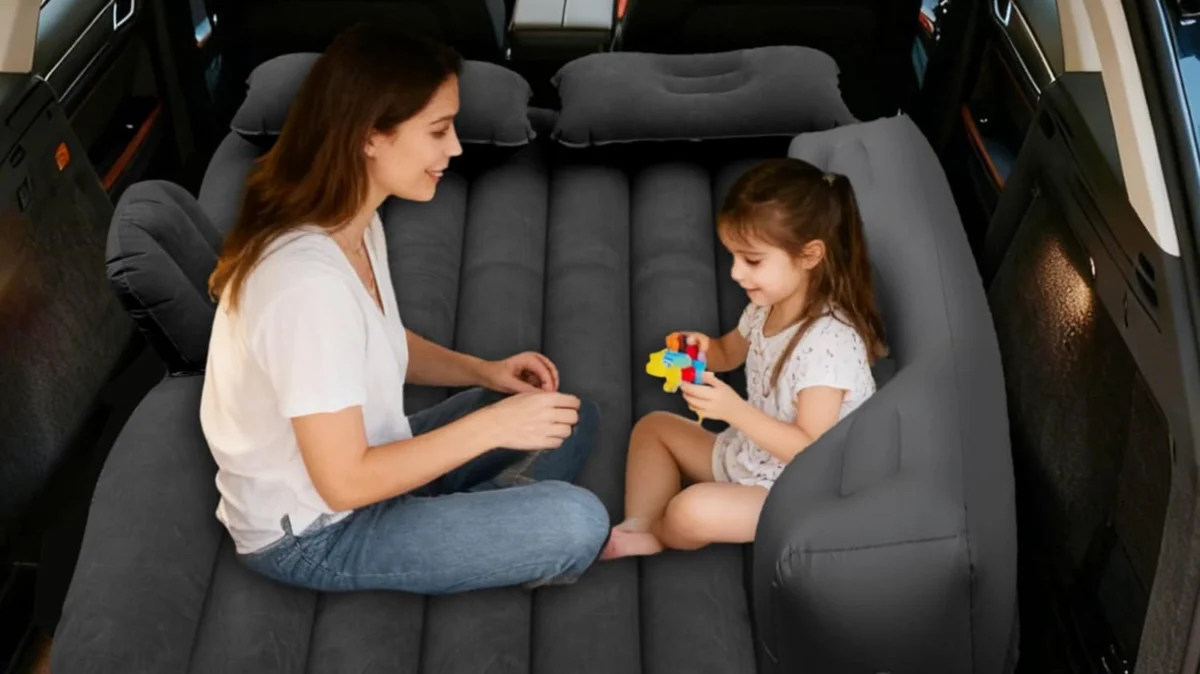
- The "Van Life" Movement: A surge in interest for modular sleeping and storage solutions, such as inflatable mattresses.
Expert Insights and Manufacturer Responses
Industry experts note that while automotive technology is advancing toward full autonomy and electric powertrains, the "human factor" of driving remains stagnant. "Drivers are essentially retrofitting their vehicles to account for lifestyle habits that manufacturers haven’t fully anticipated," says one automotive consultant. "We are seeing a trend where drivers are treating their cars as living spaces rather than just transport modules."
Conclusion
Whether it is a $10 wire rack to hold a cowboy hat or a sophisticated set of magnetic emergency lights, these accessories prove that innovation does not always require software updates or expensive hardware. By addressing the small, nagging inconveniences of daily driving, these items enhance the overall ownership experience. As the line between our home, office, and car continues to blur, these simple, practical tools will likely become permanent fixtures in the vehicles of the future, regardless of how advanced the underlying technology becomes.











