

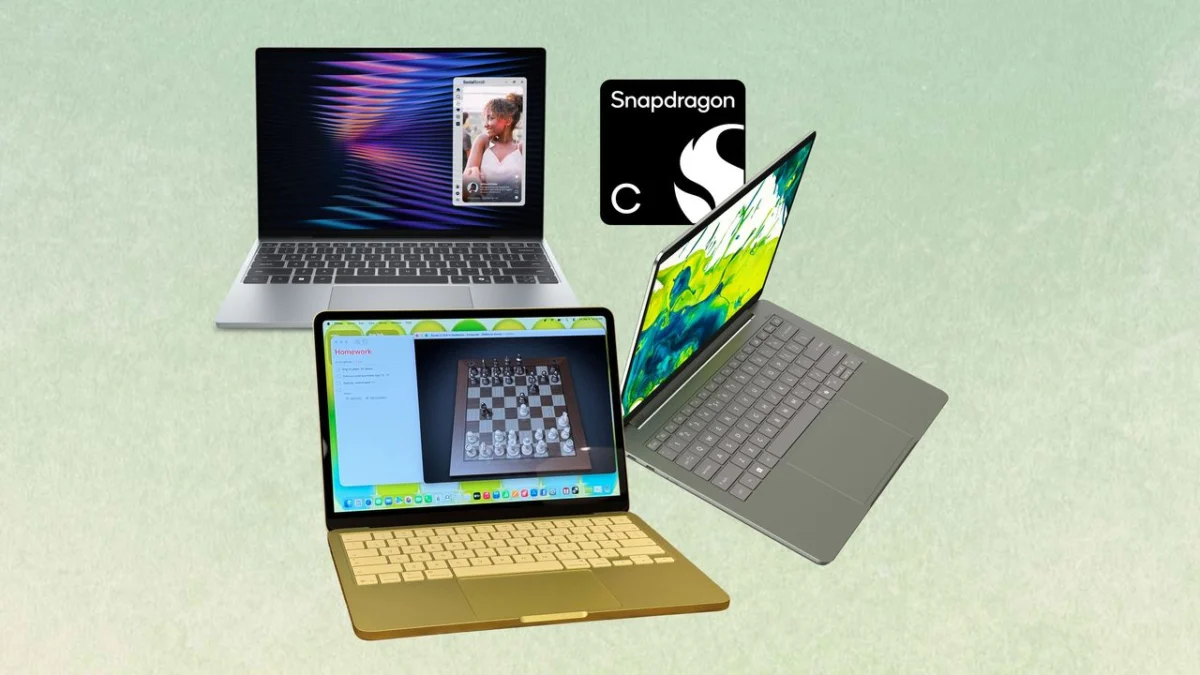
For a brief, promising window between 2024 and early 2025, it appeared the tech industry had reached a consensus: 16GB of RAM was the new, non-negotiable floor for a functional modern laptop. Microsoft underscored this by setting 16GB as a prerequisite for its "Copilot+ PC" branding, and Apple effectively normalized 16GB across its silicon-based lineup. Yet, as the industry gathers at events like Computex, a stark reality has emerged—the 8GB laptop is not only alive; it is making a aggressive comeback.
The Return of the Entry-Level Constraint
The narrative of "16GB as the standard" has been disrupted by a wave of new hardware launches, ranging from budget-conscious ultraportables to premium-feeling machines that attempt to mimic the aesthetic of Apple’s MacBook line.
The primary catalyst for this shift is economic. As manufacturers pivot toward AI-integrated hardware, the cost of components—specifically high-speed memory—has skyrocketed. To maintain accessible price points in the $400 to $700 range, laptop makers are cutting corners where they believe the average consumer won’t notice immediately: system memory.
The MacBook Neo Effect
The trend gained momentum with the release of the MacBook Neo. Featuring a premium aluminum chassis and an A18 Pro chip, the device was a visual stunner. However, it shipped with a base configuration of 8GB of RAM. While tech enthusiasts sounded the alarm regarding memory pressure and swap-file usage, the general consumer response was surprisingly muted. Apple’s optimized macOS environment proved capable of handling basic, single-threaded productivity tasks on 8GB, providing a blueprint for Windows manufacturers to follow.
The Windows Pivot at Computex
The industry’s shift was most visible at Computex, where several major players unveiled hardware that defied the recent momentum toward 16GB.
- The Dell XPS 13: Positioned as a direct competitor to the premium ultraportable market, the new model starts at $699 and includes 8GB of RAM paired with Intel’s new "Wildcat Lake" (Core Series 3) processor.
- Acer Swift Air 14: Also launching at the $699 price point, this system offers an Intel Core 5 chip and 512GB of storage, but adheres to the 8GB RAM limitation.
- Chuwi UniBook: Aiming for the absolute entry-level segment, Chuwi announced its upcoming device will retail for roughly $449, cementing 8GB as the standard for budget computing.
Perhaps most tellingly, this trend is not confined to bargain-bin laptops. Microsoft’s own Surface for Business 13-inch laptop—a device aimed at corporate deployments—starts at $1,299.99 with only 8GB of RAM. This suggests that the industry is normalizing lower memory tiers even at premium price points.
Chronology: From 16GB Standard to the 8GB Bottleneck
To understand how we arrived at this regression, we must look at the rapid evolution of the PC market over the last two years.
2024: The AI Gold Rush: Microsoft and its OEM partners pushed hard to define the "AI PC." With the launch of Copilot+ PCs, the industry attempted to set a high bar, mandating 16GB of RAM to ensure that NPU (Neural Processing Unit) workloads could be handled locally without degrading system stability.
Late 2024: The Cost Crisis: As global demand for high-bandwidth memory (HBM) and LPDDR5X surged to support server-side AI training and inference, the cost of manufacturing laptops ballooned. OEMs faced a choice: raise MSRPs to a point that would alienate consumers or reduce component specs to keep prices attractive.
2025: The Compromise: By early 2025, the "Copilot+ PC" branding became a secondary tier. Manufacturers realized they could ship "AI-ready" laptops—featuring dedicated Copilot keys and access to cloud-based AI services—without meeting the hardware requirements for local AI processing. This allowed them to pivot back to 8GB configurations while still marketing their devices as part of the AI revolution.
Supporting Data: Performance vs. Price
The central debate among hardware analysts is whether 8GB of RAM is truly "enough." For the casual user—someone who operates primarily in a web browser, uses basic office productivity suites, and rarely runs more than two or three applications simultaneously—8GB remains a functional, if limited, experience.
However, the data suggests that for anyone engaging in "modern" multitasking, the overhead of Windows 11 combined with browser-based memory bloat makes 8GB a significant bottleneck.
Memory Pressure and Swap
Modern operating systems rely heavily on "swap" memory, where the OS writes data to the SSD when the RAM is full. While modern NVMe drives are fast, they are significantly slower than physical RAM. Constant swapping reduces the lifespan of the SSD and leads to "hitching" or lag during intensive workflows.
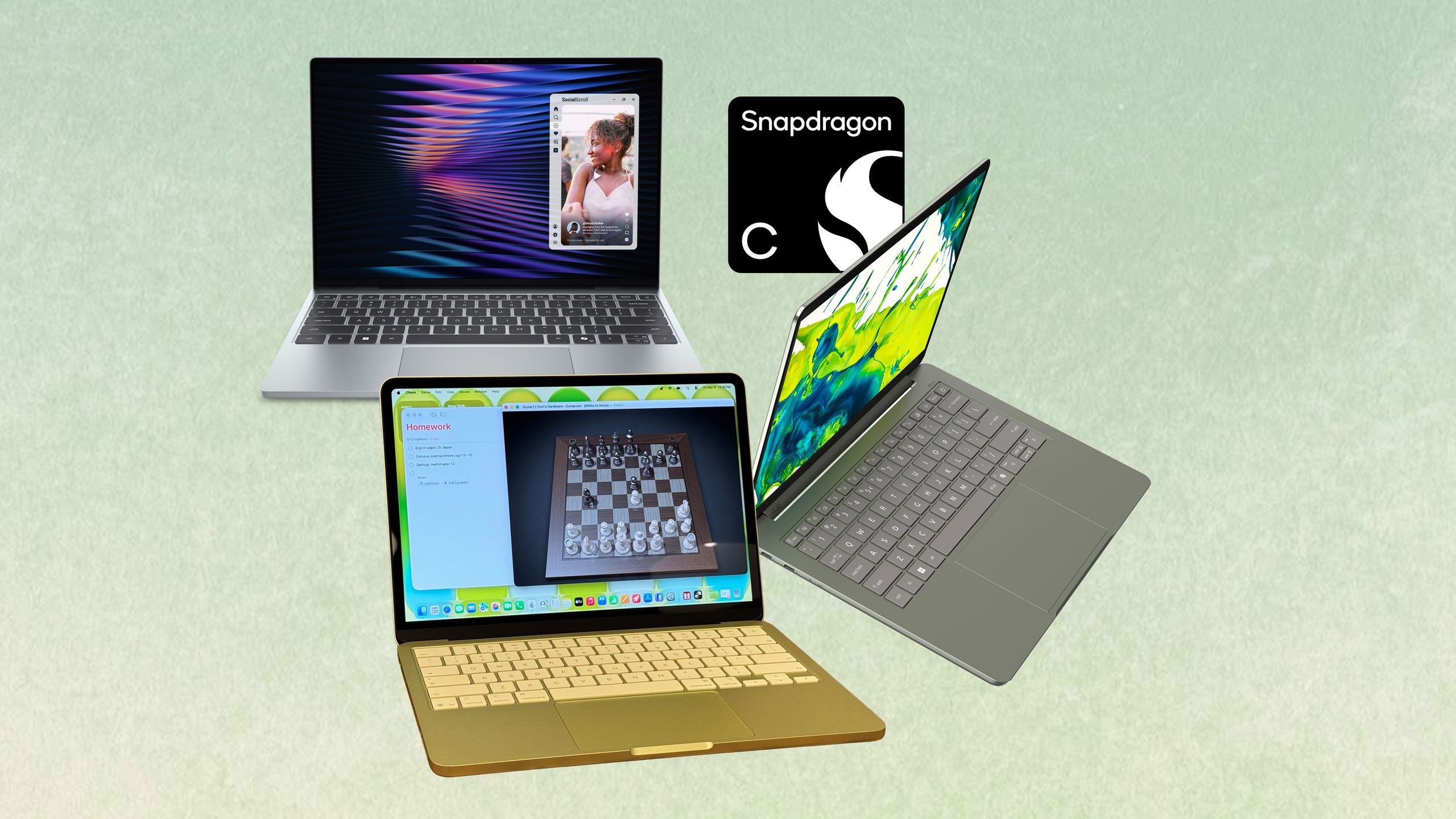
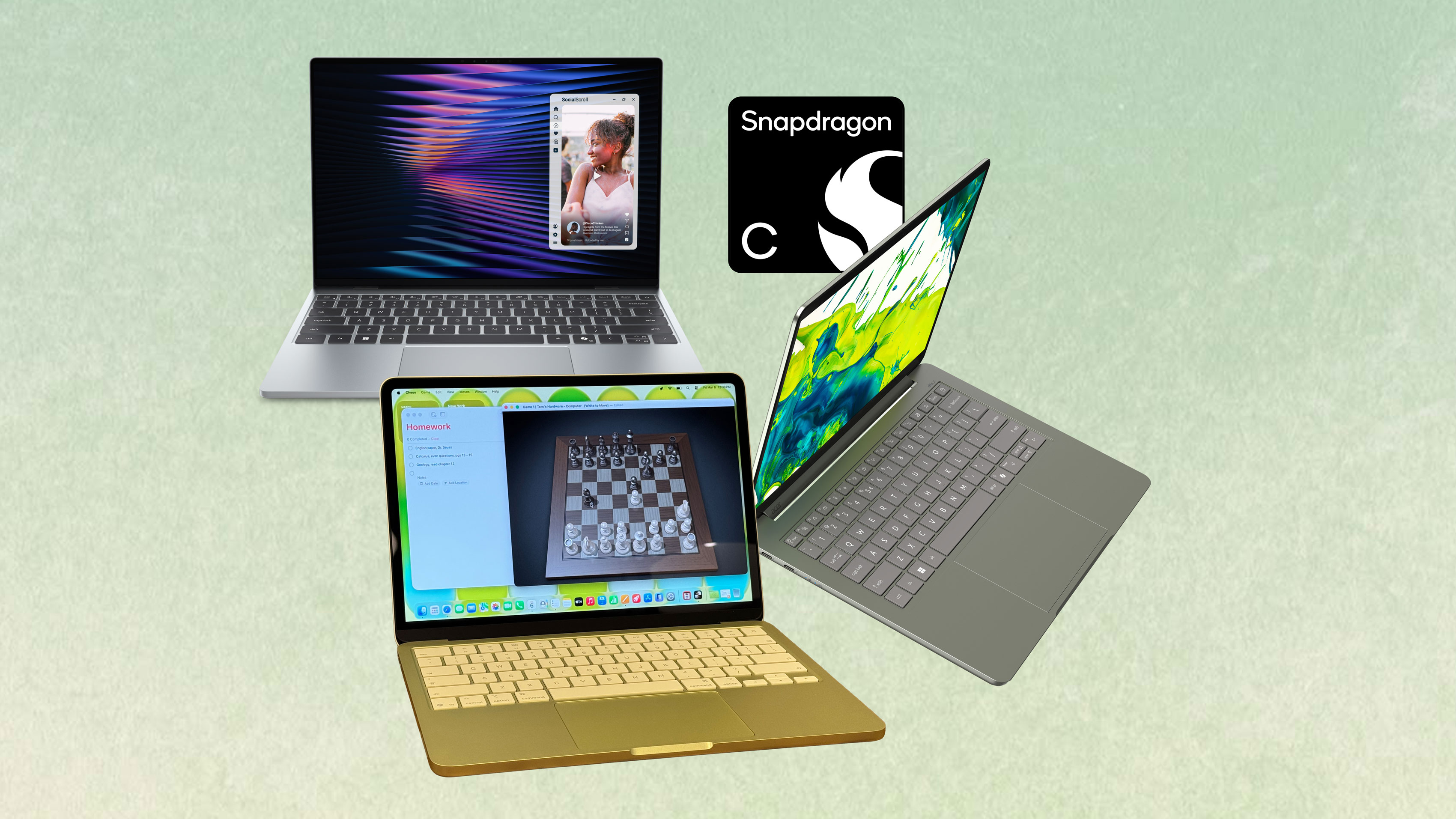
Despite this, some manufacturers are pushing the envelope even further. Reports regarding the Acer Aspire Go 15, which utilizes Qualcomm’s budget-focused Snapdragon C processor, suggest that 8GB may be the "top-tier" spec for that line, with lower configurations possible. Given that Windows 11’s absolute minimum requirement is 4GB, the market is dangerously close to returning to a state of performance stagnation not seen since the mid-2010s.
Official Responses and Industry Sentiment
The response from the industry has been largely defensive. OEM representatives often cite "target demographics" when questioned about the shift back to 8GB. The argument is that the "average" user does not require 16GB of memory.
"We are providing options for a wider range of budgets," one manufacturer noted during a press briefing. "Not every user is a power user. By offering an 8GB tier, we keep our technology accessible to students and entry-level workers who would otherwise be priced out of the current market."
However, analysts are skeptical. The irony is not lost on the community: the very industry that spent the last eighteen months telling consumers that 16GB was essential for the "AI era" is now quietly walking back that requirement to shield profit margins. While cloud-based AI (which runs on server farms) does not technically require high local RAM, the marketing strategy remains muddy. Consumers are often left confused, purchasing devices with "AI" branding that struggle to handle basic multi-tab web browsing.
Implications for the Future
The shift back to 8GB has profound implications for the lifecycle of modern laptops.
1. Shortened Hardware Lifespans
A laptop purchased today with 8GB of RAM will likely reach its performance limits much faster than one with 16GB. As software developers continue to build applications that assume higher memory availability, these machines will become "obsolete" in the eyes of the software much sooner, forcing an earlier upgrade cycle.
2. The Premium Disparity
The fact that a $1,299 device like the Surface for Business ships with 8GB of RAM suggests that manufacturers are successfully conditioning consumers to accept lower specs for higher prices. This trend may normalize "RAM tax" pricing, where upgrading to a usable 16GB requires an exorbitant surcharge, further widening the gap between entry-level and professional-grade machines.
3. The Need for Better Transparency
As the market moves toward a bifurcated future—where "AI-capable" is a marketing term rather than a hardware standard—there is a growing need for greater transparency. Consumers need to know whether the "Copilot" machine they are buying can actually handle local processing or if they are merely paying for a keyboard shortcut to a browser-based AI chatbot.
Conclusion: A Temporary Regression?
Is this the new normal? Perhaps. For now, the global component shortage and the high cost of memory chips seem to have forced a tactical retreat. While we can hope that as memory manufacturing capacity expands, the 16GB standard will return, the current trend suggests a period of stagnation for entry-level computing.
If you are currently in the market for a laptop, the recommendation remains the same: treat 8GB as a compromise, not a standard. If your budget allows, prioritize the move to 16GB to ensure your device remains relevant for the next three to five years. We may be in a "RAM crisis" for now, but history suggests that the market will eventually correct—though perhaps not before millions of users are stuck with underpowered machines that struggle to keep pace with the modern digital world.












No comments yet. Be the first to join the conversation!