Jia Lissa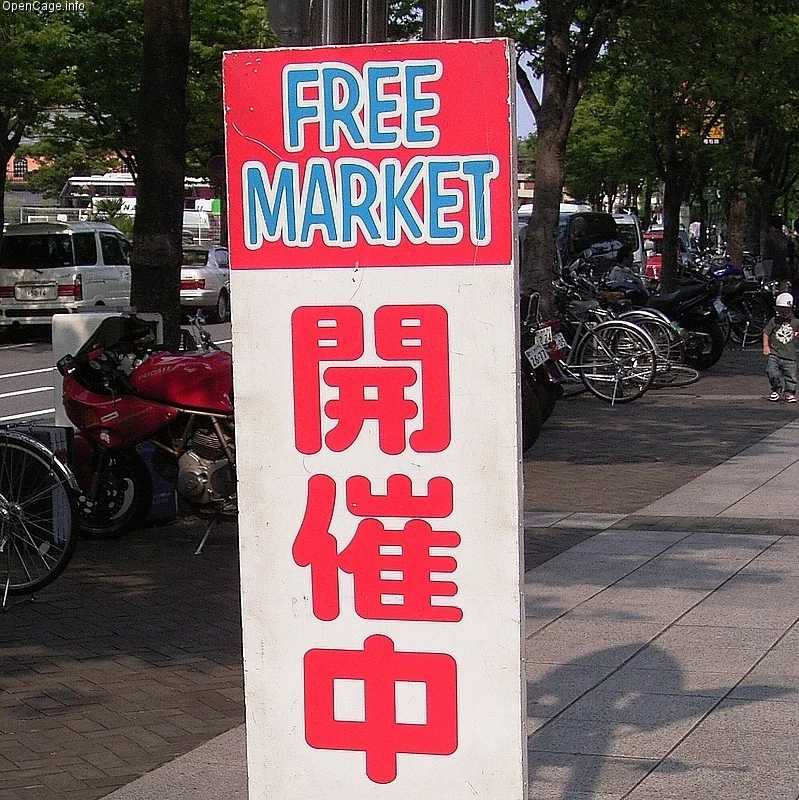
For travelers who have exhausted the polished, high-traffic circuits of Tokyo’s Harajuku or Kyoto’s Gion, Nagoya offers a different kind of discovery. Tucked away in the center of Japan’s fourth-largest city lies a tradition that feels remarkably untouched by the frantic pace of modern tourism: the Osu Kannon Antique Market. Held on the 18th and 28th of every month, this recurring event transforms the sacred grounds of a historic Buddhist temple into a sprawling, open-air bazaar of Japanese history.
From Edo-period woodblock prints and Meiji-era silk kimonos to Showa-era vinyl records and rustic ceramics from the nearby Seto kiln districts, the market serves as a living repository of the past. It is not merely a shopping trip; it is an excavation of Japanese material culture, held in the shadows of a temple that has anchored the region for seven centuries.
Main Facts: The Logistics of Discovery
The Osu Kannon Antique Market is widely considered the premier recurring antique event in central Japan. On a standard market day, visitors will find approximately 80 stalls; however, when the 18th or 28th falls on a weekend, the footprint expands to accommodate over 120 vendors.
- Location: Osu Kannon Temple (2-21-47 Osu, Naka-ku, Nagoya).
- Schedule: 18th and 28th of every month, regardless of national holidays.
- Operating Hours: Sunrise (typically 09:00) until approximately 16:00.
- Admission: Free.
- Payment: Cash is essential. While some vendors in the adjacent permanent shopping arcades accept digital payments, the outdoor stallholders are almost exclusively cash-only.
For international travelers, the scarcity of non-Japanese faces in the aisles is a testament to the market’s authentic, local character. You are not walking through a curated tourist trap, but rather a professional venue where regional collectors, dealers, and historians converge to trade.
Chronology: From 1333 to the Modern Era
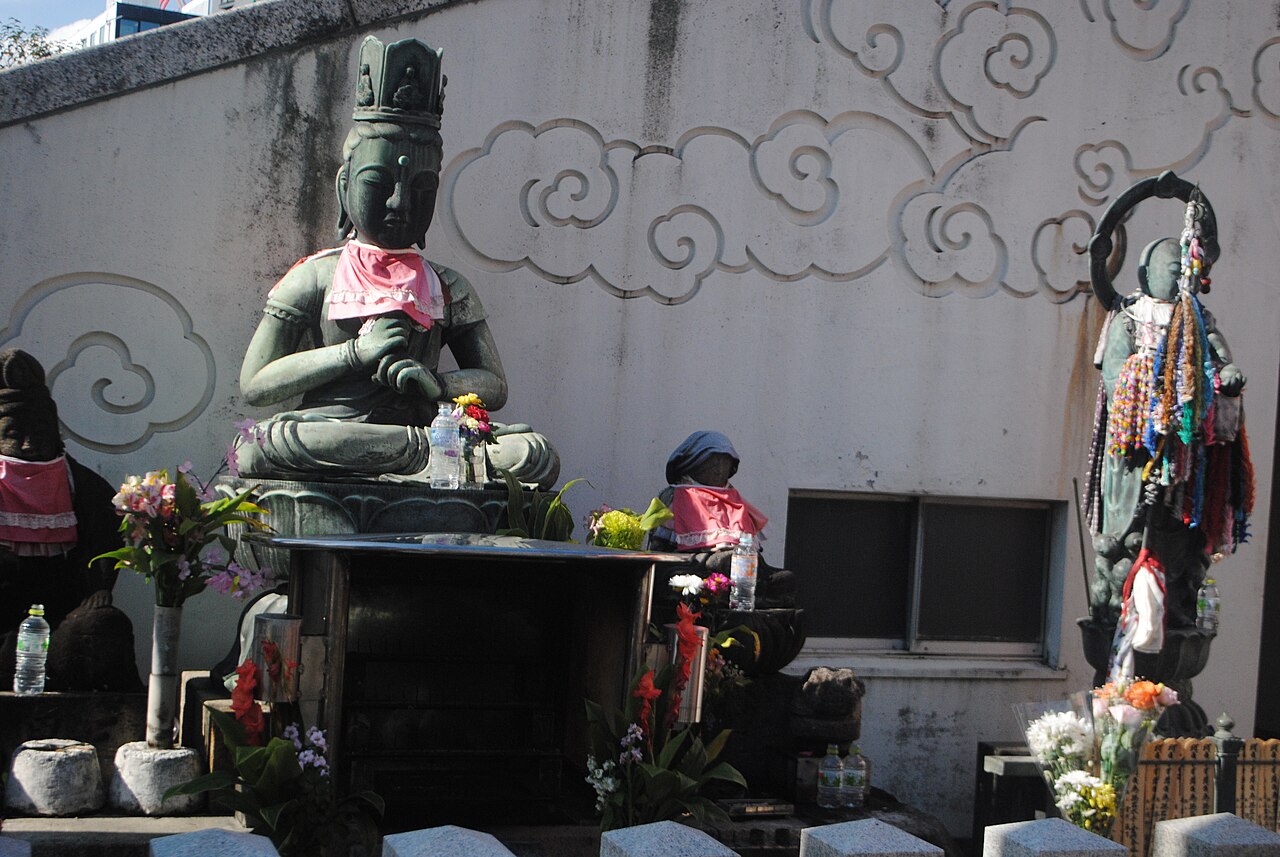
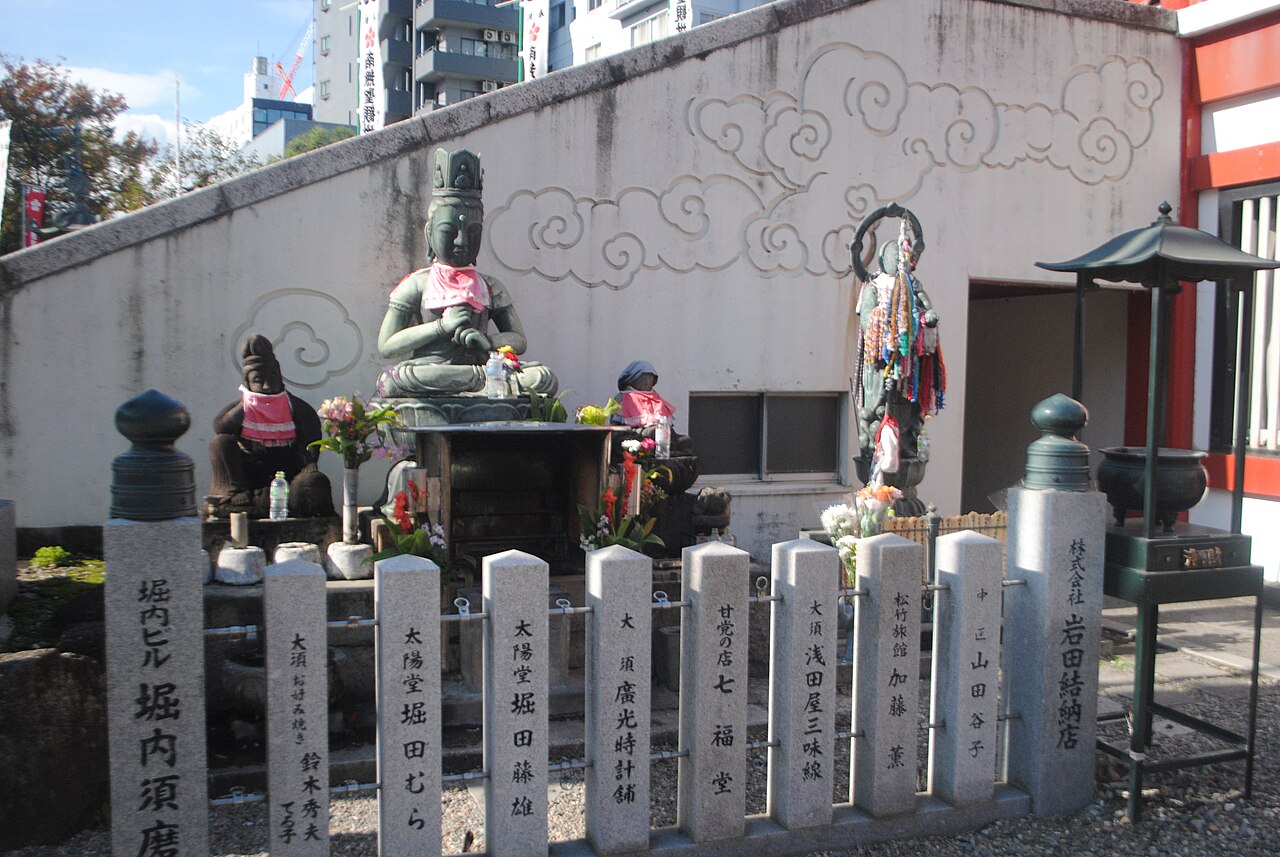
To understand the market, one must first understand the temple. Osu Kannon (formally known as Kitasan Shinpukuji Hosho-in) is a temple of the Shingon sect of Buddhism. Founded in 1333 in the former Mino Province, it was relocated to its current site in Nagoya in 1612 by the order of Tokugawa Ieyasu. This move was a strategic masterstroke by the Shogun, designed to consolidate religious and commercial power in his newly developed castle-town.
The temple’s historical prestige is immense. It houses the Shinpukuji Bunko, a collection of ancient manuscripts that includes one of the world’s oldest surviving copies of the Kojiki—the foundational text of Japanese mythology—dating back to 1371. While these treasures are sequestered in the library wing, the energy of the temple grounds remains vibrant.
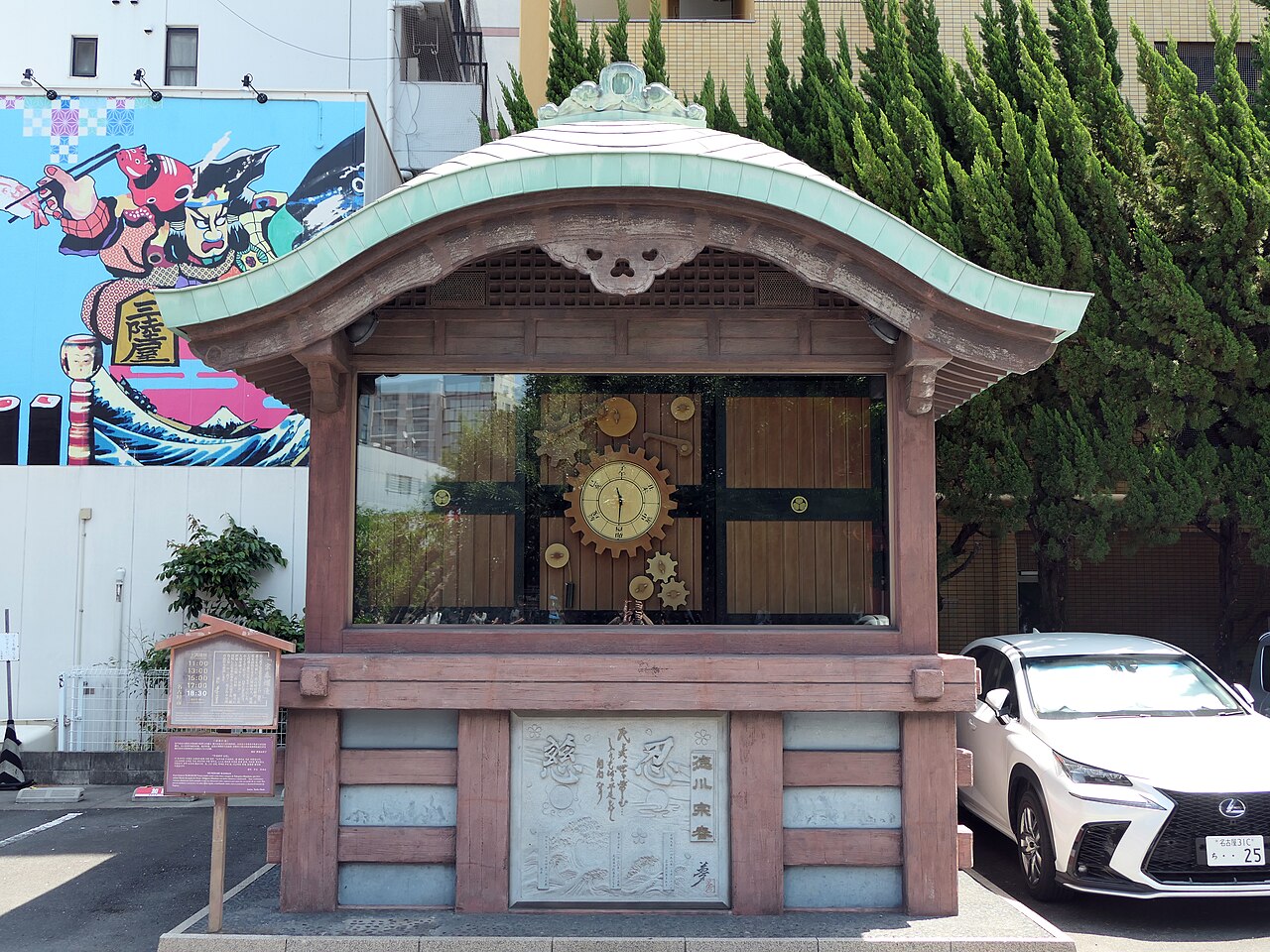
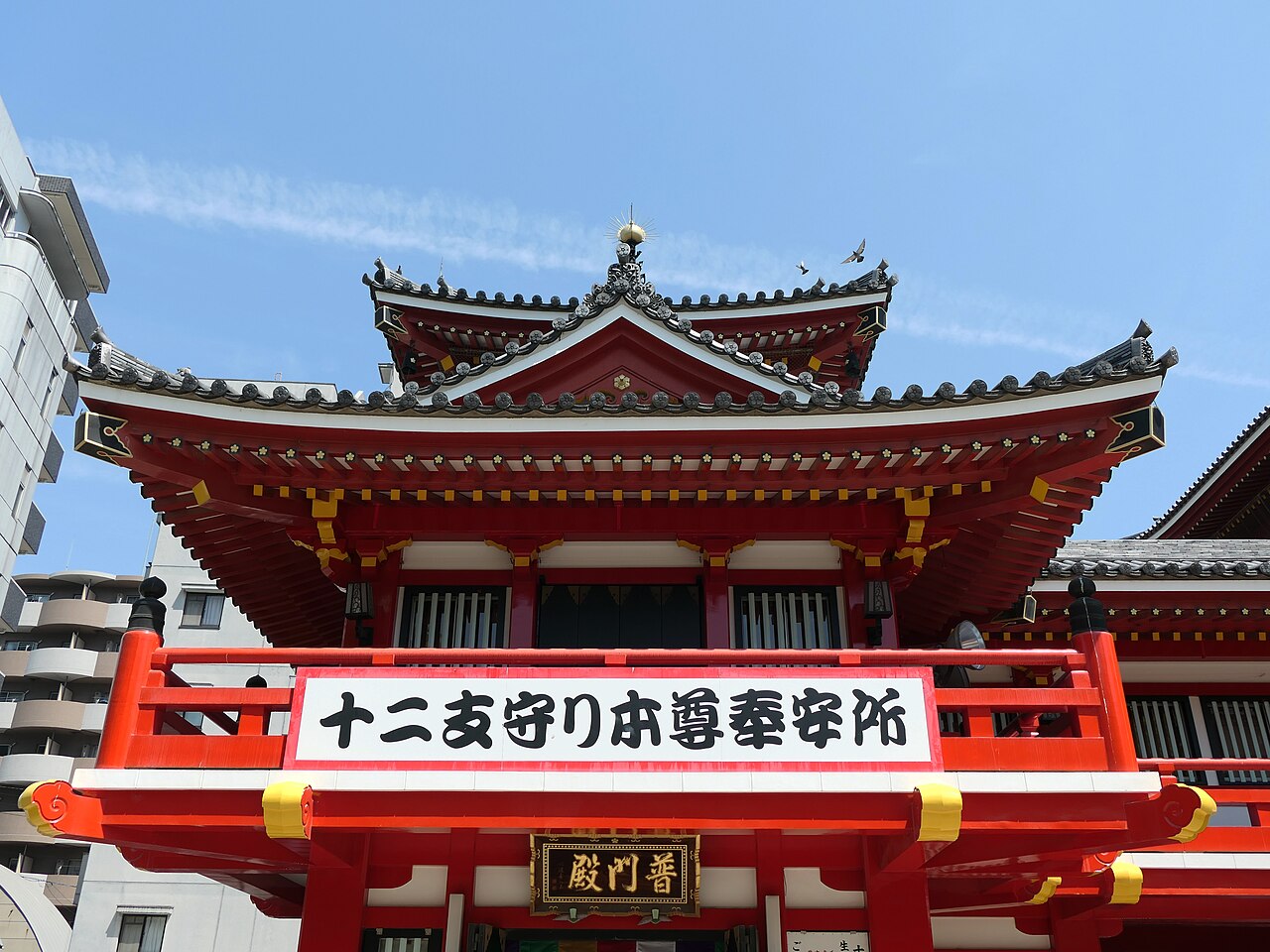
The current main hall, a 1970 reconstruction, replaced the original structure that was lost during the firebombings of World War II. Despite the modern reconstruction, the institutional continuity remains, and the wide paved plaza in front of the temple serves as the staging ground for the market, effectively bridging the gap between medieval religious history and the transient nature of flea-market commerce.
Supporting Data: A Marketplace of Curiosities
The inventory at Osu Kannon is as unpredictable as it is diverse. Because the market is not "curated" for tourists, the merchandise reflects the actual habits of Japanese households and the collections of regional specialists.
Key Categories of Goods:
- Textiles: High-quality vintage kimonos and obi sashes are abundant. Collectors often find pieces here that are significantly cheaper than those sold in Kyoto or Tokyo.
- Ceramics: Proximity to the Seto and Tokoname kiln districts—two of Japan’s "Six Ancient Kilns"—means the market is flooded with high-quality pottery, ranging from mass-produced household bowls to rare, signed tea ceremony wares.
- Media & Memorabilia: Showa-era (1926–1989) vinyl records, retro toys, and early-century photographic prints provide a window into Japan’s rapid mid-century modernization.
- Militaria & Fine Art: For the serious collector, the market occasionally yields samurai armor, Edo-period scrolls, and Ukiyo-e woodblock prints. Prices for these items can range from modest ¥500 trinkets to serious investment-grade pieces costing ¥500,000 or more.
Official Guidelines and Cultural Etiquette
Shopping at a Japanese antique market requires a shift in mindset. Unlike the aggressive haggle-heavy bazaars found in other parts of Asia, Japanese flea market culture is subtle and polite.
The Art of Negotiation
Haggling is acceptable but should be approached with restraint. A request for a 10–15% discount is standard; anything approaching 50% is viewed as an insult. The standard phrase to initiate a price inquiry is, "Kore wa ikura desu ka?" (How much is this?). Keep negotiations to one or two rounds, and always maintain a respectful demeanor.
Authentication and Investment
The market operates on a "buyer beware" basis. There is no central authority verifying the authenticity of items. If you are pursuing a high-value item, ask the vendor for documentation, such as hakogaki (inscriptions on the wooden storage box) or a certificate of provenance. If you are a casual browser, it is best to purchase an item because you love it, not because you are speculating on its investment value.
Logistics for the Traveler
- Shipping: Most stallholders cannot ship internationally. However, major courier services like Yamato Transport have offices within a 5-minute walk of the temple. They offer reliable, if somewhat costly, international surface-mail options.
- Language Barriers: Expect minimal English. The camera function of Google Translate is an essential tool for deciphering maker’s marks or price tags written in kanji.
- Financial Preparation: Carry multiple ¥5,000 and ¥1,000 notes. Large ¥10,000 bills may be difficult for vendors to break early in the morning.
Broader Implications: The Osu District Context
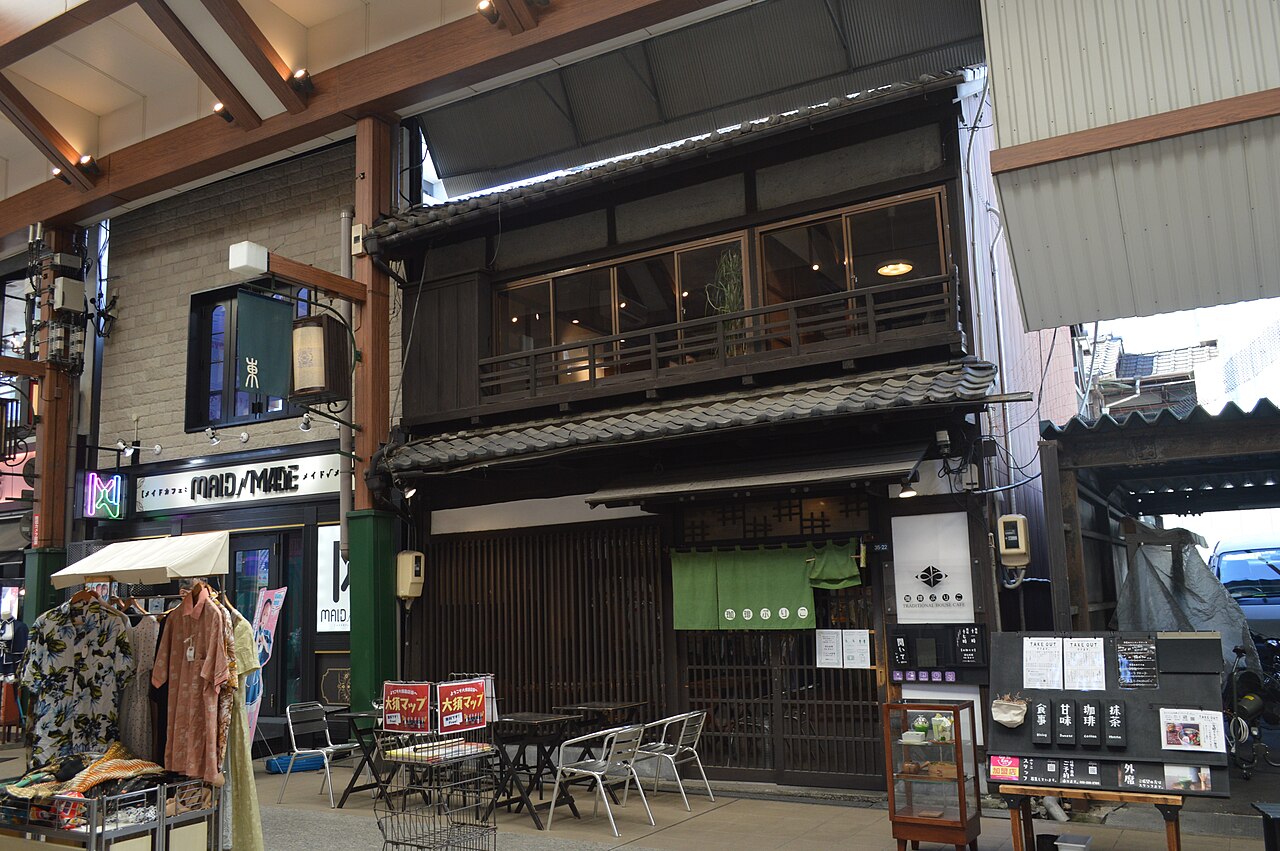
The Osu Kannon Antique Market does not exist in a vacuum; it is the heartbeat of the larger Osu shopping district. Stretching over a kilometer, the district is a dense network of covered arcades—some of the largest in Japan—that offers a striking juxtaposition of traditional temple life and contemporary "geek culture."
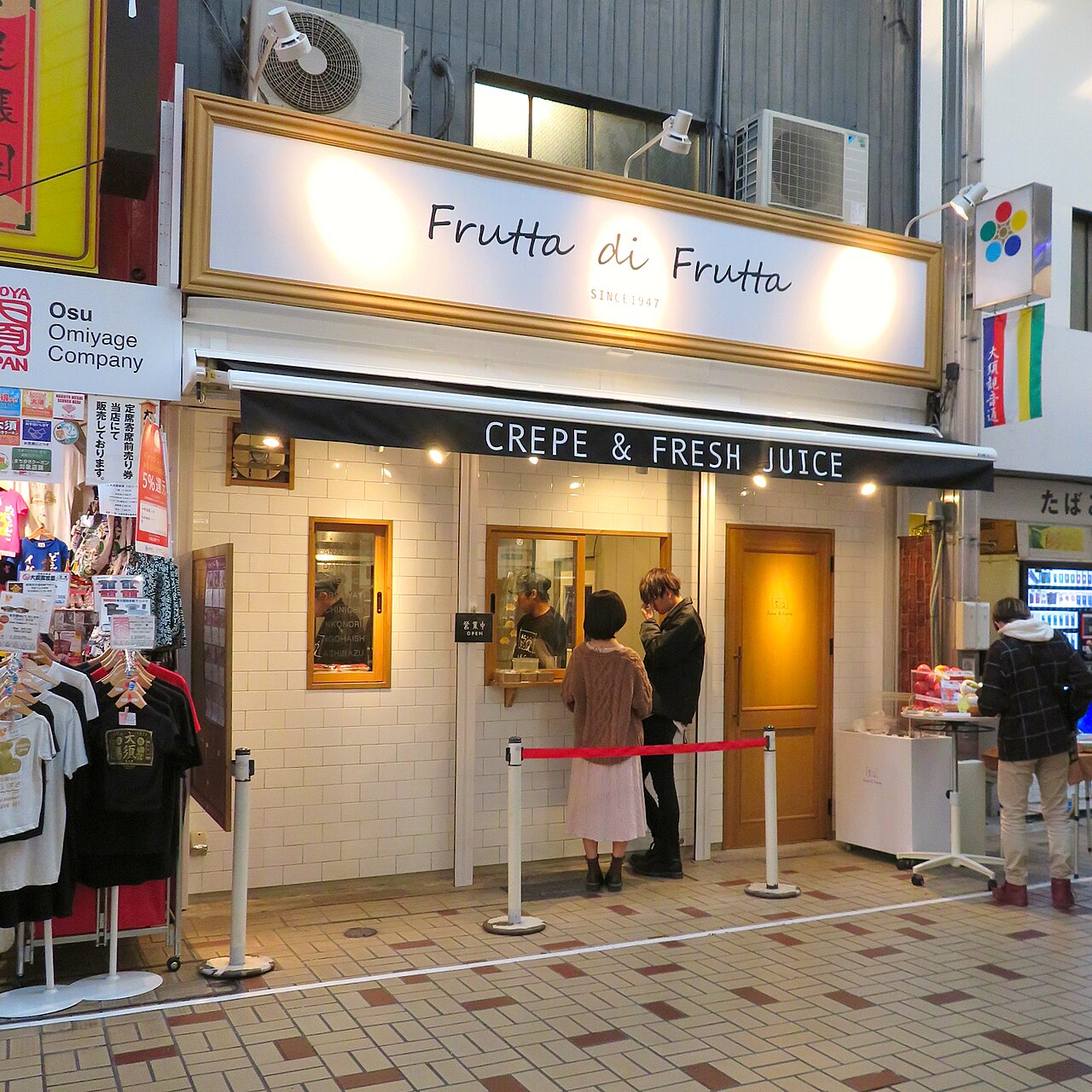
The district is famous for its retro electronics, vintage clothing stores, and a culinary scene that highlights Nagoya’s distinct gastronomic identity. Visitors who spend the morning at the temple market often spend the afternoon eating miso katsu (pork cutlet with miso sauce) or hitsumabushi (grilled eel) in the nearby arcades.
Beyond Osu, Nagoya has cultivated a robust flea-market ecosystem. If your travel dates do not align with the 18th or 28th, you might consider:
- Wakamiya Hachimangu Antique Market: First Saturday of each month. A more intimate setting focused on classical Japanese antiques.
- Shinshoji Temple Antique Fair: Second Sunday of each month. Highly recommended for those specifically interested in pottery.
- Toyota Daihatsu Shrine Market: Held on the 8th of each month, this is a community-driven, family-friendly event.
Conclusion: Is It Worth the Trip?
For the dedicated antique enthusiast, the Osu Kannon Antique Market is an unmissable destination. The pricing is remarkably fair, and the lack of a "tourist markup" makes it one of the few places in Japan where a collector can still find genuine value.
For the general traveler, the market serves as a vivid, sensory-rich introduction to Japanese heritage. It is a place where the sacred and the profane meet—where you might purchase a 200-year-old tea bowl in the morning and a piece of pop-culture ephemera in the afternoon. While it may not be the first stop for a first-time visitor, for those looking to peel back the layers of Nagoya, the Osu Kannon Antique Market remains a window into the soul of a city that prizes its history as much as its future.


 Neng Nana
 Asro
Asro