

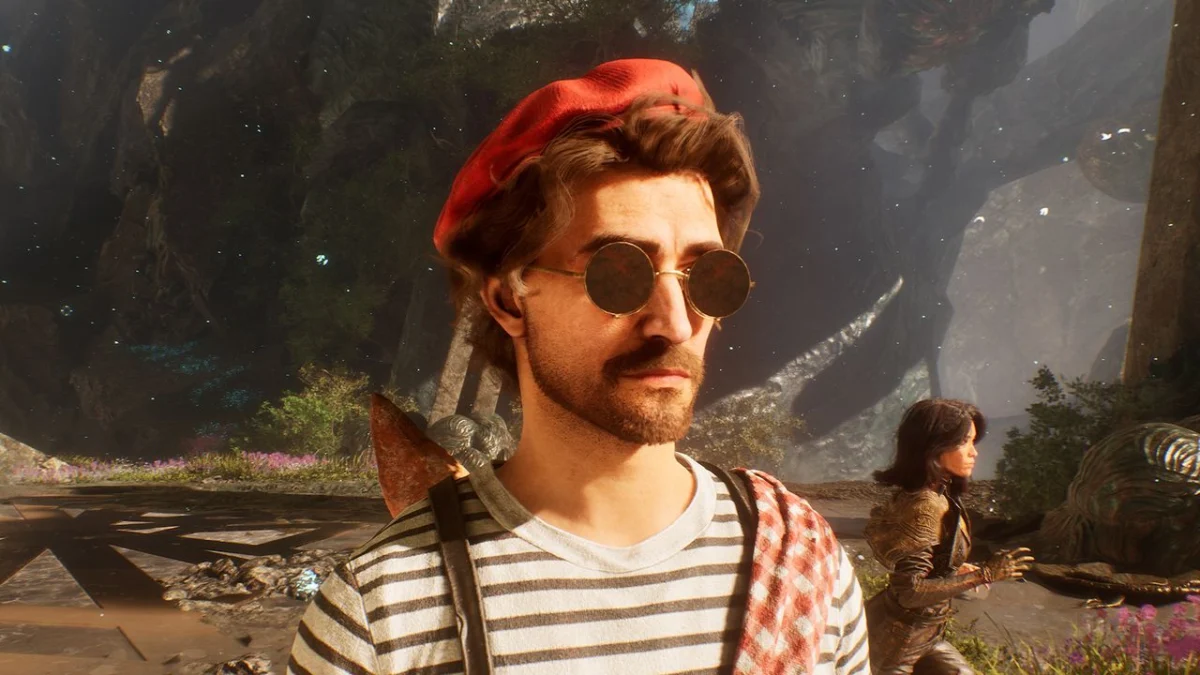
In the modern gaming industry, where the pursuit of "perfection"—often defined by photorealistic graphics, seamless optimization, and mathematically balanced gameplay—is the gold standard, a contrarian voice has emerged from the heart of a Game of the Year (GOTY) winner. Guillaume Broche, the creative director behind the critically acclaimed RPG Clair Obscur: Expedition 33, has sparked a significant conversation regarding the nature of creativity. His central thesis? That games striving for absolute perfection are fundamentally boring, and that the "imperfections" within a title are often the very things that give it a soul.
The Philosophy of the "Messy" Masterpiece
Broche’s perspective, shared during a candid appearance on Konbini’s Video Game Club, challenges the prevailing trend of sanitizing game experiences. He argues that the industry’s obsession with fixing every minor flaw or balancing every edge-case scenario can lead to a homogenization of creative output.
"Games that try to be perfect, that try to fix all their flaws—they’re usually just really boring," Broche stated. Drawing a parallel to human nature, he suggested that, much like people, a work of art is defined by its idiosyncrasies. "People who try to be perfect are boring because they have no personality. Whereas people who embrace their slightly weird side—in the end—are the interesting ones."
This philosophy is not merely academic for Broche; it is an homage to his own inspirations. He points specifically to the Devil May Cry series, particularly the original 2001 release. Despite its status as a seminal action game, Broche describes it as "a bit of a mess," citing the bizarre, somewhat uncomfortable relationship dynamics between Dante and Trish, and the famously "cheesy" dialogue that has since become a hallmark of the series. To Broche, these aren’t bugs to be squashed—they are "endearing" features that make the player feel a genuine connection to the game’s identity.
A Chronology of Creative Intent
To understand how this philosophy manifests in Clair Obscur: Expedition 33, one must look at the game’s development trajectory. As the title ascended to global acclaim—joining the ranks of Baldur’s Gate 3 as one of the few titles to sweep all five major GOTY awards—the public perception of the game became one of a "perfect" experience.
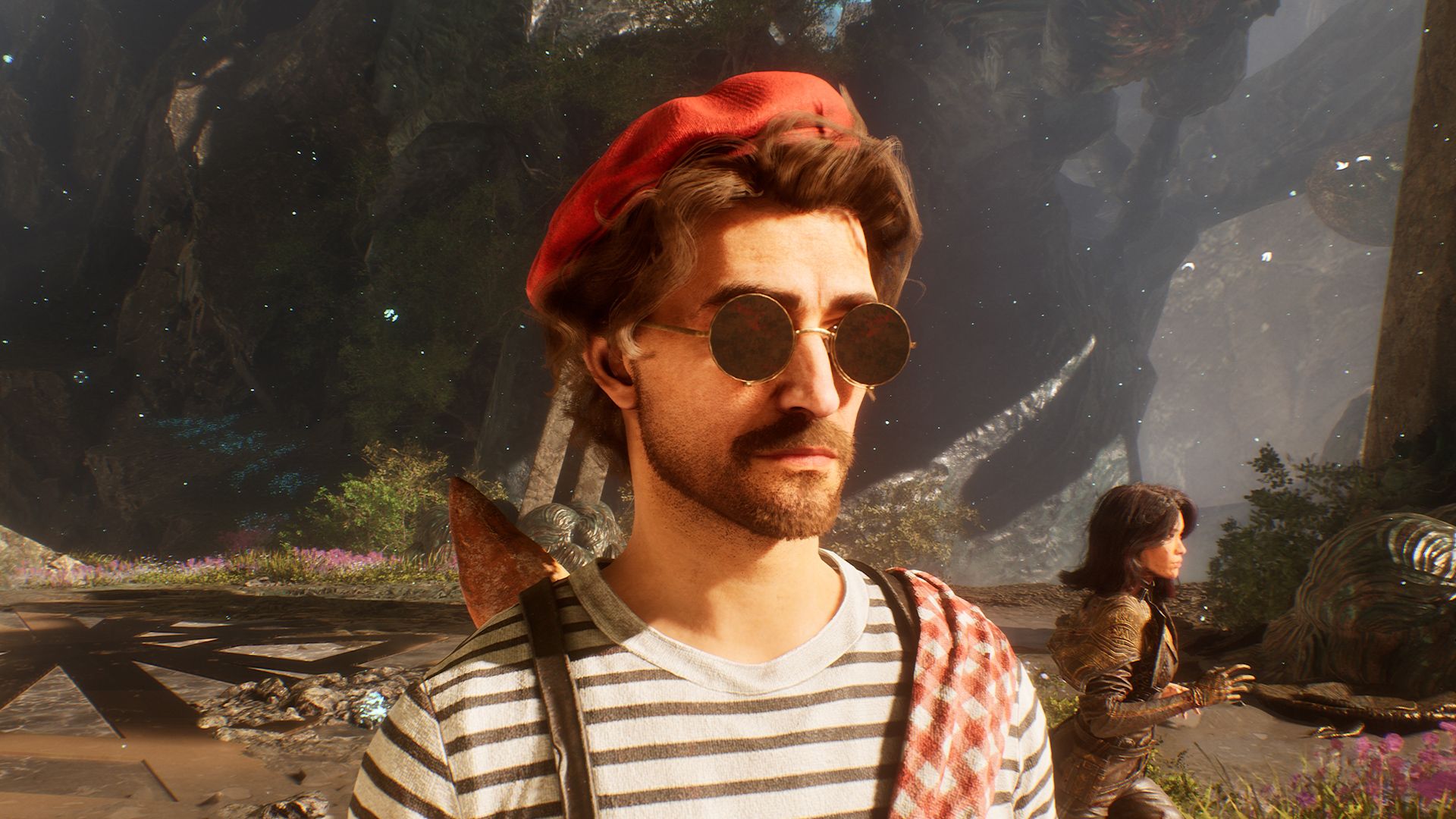
However, the reality of the development process at Sandfall Interactive was far more organic.
- Early Conceptualization: The team prioritized narrative ambition and unique mechanical hooks over rigid adherence to standard industry "polish" checklists.
- The Mid-Development Pivot: During the creation of core mechanics, the team faced decisions regarding difficulty and content distribution. Rather than smoothing out every edge to ensure a uniform player experience, they opted to lean into "unbearable" minigames and optional, highly challenging segments.
- The Launch Window: Upon release, the game was noted for its unconventional design choices. While some critics initially flagged certain segments as potentially divisive, players overwhelmingly embraced the game’s personality.
- The Post-Release Reflection: Following its critical sweep, Broche has used his platform to pull back the curtain on the "messy" reality of the project, framing its quirks as intentional departures from the norm.
Supporting Data: The Case for Quirks
The success of Clair Obscur: Expedition 33 provides empirical evidence that players are not looking for sterile, "perfect" experiences. The game is packed with deliberate oddities that defy traditional design logic:
- The "Unbearable" Minigames: Inspired by the notorious Chocobo racing segments of Final Fantasy X, these minigames are designed to be difficult and frustration-inducing. Rather than removing them to lower the "barrier to entry," the developers kept them because they provided a unique, high-stakes experience that punctuated the game’s pacing.
- Power Imbalance: In Act 3, players can become significantly, even "absurdly" strong. A risk-averse studio might have nerfed this progression path to ensure a consistent difficulty curve. Instead, the team embraced the power fantasy, viewing it as a rewarding aspect of the player’s journey.
- Content Disparity: The developers acknowledged that many players would "breeze through" the game without seeing all the content. Rather than gating progression to force players into seeing every asset, they prioritized the player’s agency, trusting that those who wanted to find the secrets would, and those who didn’t would still have a valid experience.
Official Response: The "Who Cares?" Ethos
When pressed on why these elements remained in the final product, the team’s response was refreshingly simple: "Who cares? It’s just funny. That’s what we love about it."
This ethos is the cornerstone of Sandfall Interactive’s culture. It suggests a departure from the "data-driven" design philosophy that dominates modern AAA development, where every mechanic is analyzed for retention and conversion metrics. Instead, Broche advocates for an intuition-driven approach where the developers’ own enjoyment acts as the primary compass. If a designer finds a ridiculous tower climb "agonizing" but memorable, that emotional resonance is prioritized over the potential for player frustration.
The Implications for Future Game Design
Broche’s stance holds significant implications for the future of the medium. As game development costs skyrocket, the pressure to produce "safe" and "perfect" games increases, often leading to a creative stagnation where titles feel increasingly similar.
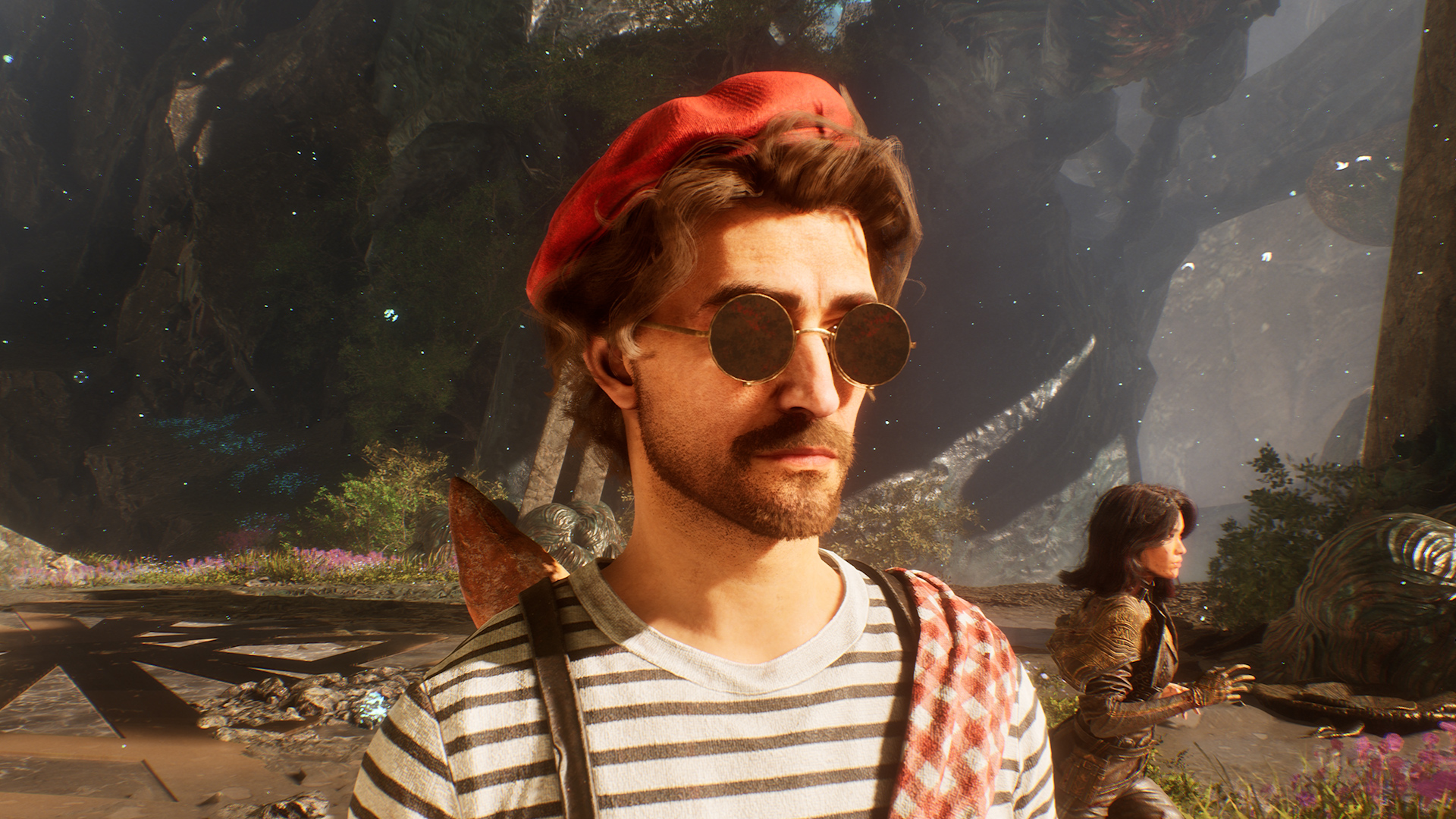
The "Personality" Premium
In an era of endless digital content, a game’s "personality" is becoming a premium asset. If a game is perfect but forgettable, it risks being lost in the noise. By embracing imperfections, Clair Obscur: Expedition 33 has carved out a distinct identity that fans can discuss, debate, and remember years later. The "Gestral Games" climbing minigame, for instance, has become a badge of honor for players, despite—or perhaps because of—its frustration.
The Sustainability of Passion
Perhaps the most important implication is the sustainability of the developer’s own mental health and passion. Broche has publicly stated that he "doesn’t care" if his next project reaches the same commercial heights as his current hit. By prioritizing "what we love" over the pressures of industry-wide expectations, he is setting a blueprint for how independent and mid-tier studios can maintain creative integrity while avoiding burnout.
Challenging the Metrics
Finally, this perspective challenges the industry’s reliance on user metrics. If a developer treats "frustrating" segments as "charm," it forces a re-evaluation of how we collect and act on player feedback. It suggests that not every player complaint is a "problem" that needs solving; sometimes, it is a sign that the game has successfully evoked a strong, albeit complex, emotional response.
Conclusion: Embracing the Weird
As the gaming industry looks toward the next generation of hardware and software, the lessons from Clair Obscur: Expedition 33 are clear. Perfection is a mirage; it is the "slightly weird side" of a game—the cheesy dialogue, the brutal difficulty spikes, and the unbalanced power fantasies—that creates a lasting legacy.
Guillaume Broche’s willingness to defend the "messy" parts of his work is a testament to his confidence as a creator. In an age where everything is polished to a high sheen, perhaps the most revolutionary thing a game can do is show its flaws, own them, and let them serve as the heartbeat of the experience. By doing so, Sandfall Interactive has not only created a GOTY winner but has also provided a roadmap for a more human, more interesting, and undeniably more "imperfect" future for interactive entertainment.










