

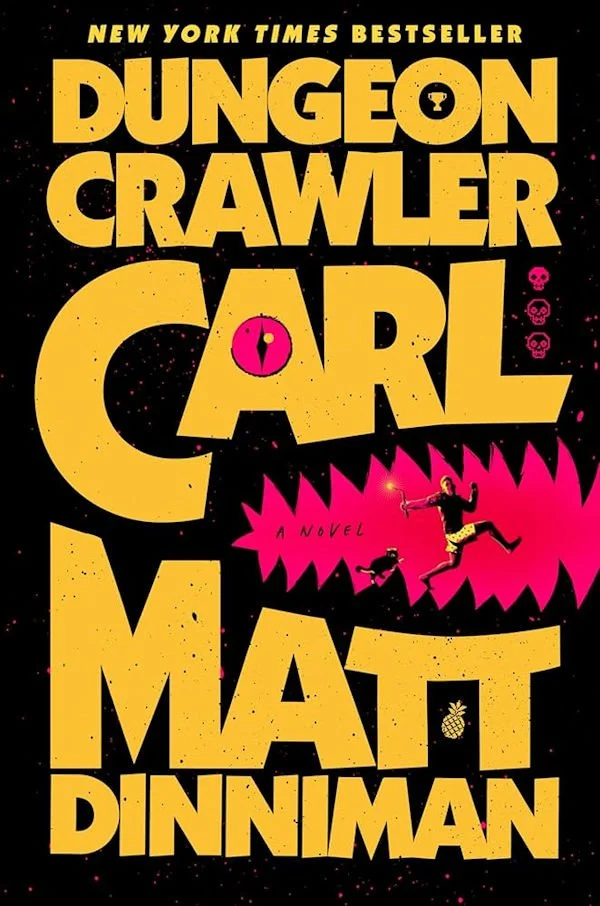
In the landscape of modern speculative fiction, few sub-genres have experienced the meteoric—and often contentious—ascent of LitRPG (Literary Role-Playing Game). Characterized by the integration of explicit gaming mechanics, character progression statistics, and virtual world-building into traditional prose, LitRPG has evolved from a niche corner of the internet into a literary powerhouse. While many writers treat the genre as a contemporary innovation, its roots run deep, entangled with the digital evolution of the late 20th century.
The Foundations: Beyond the Digital Frontier
Long before the term "LitRPG" was coined, the narrative framework—characters trapped in game-like worlds or navigating reality through the lens of statistics—was already taking root in the collective consciousness. For many readers and writers of a certain generation, the genre was sparked not by a single literary manifesto, but by the frustration of seeing the potential of gaming left untapped by mainstream authors.
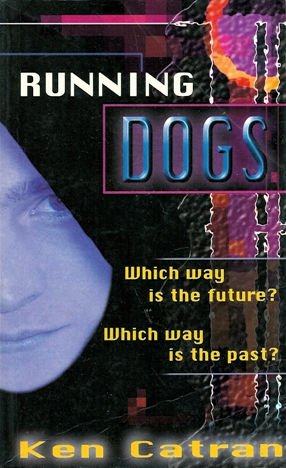
Christopher Keene, a New Zealand-based author and genre chronicler, points to the 1998 novel Running Dogs by Ken Catran as a seminal touchstone. "It left an impression on my game-addicted teenage brain," Keene recalls. This sentiment was echoed by a generation of readers raised on anime staples like .Hack and Sword Art Online. These series, while visually and conceptually stimulating, often left viewers hungry for a more granular exploration of the gaming experience.
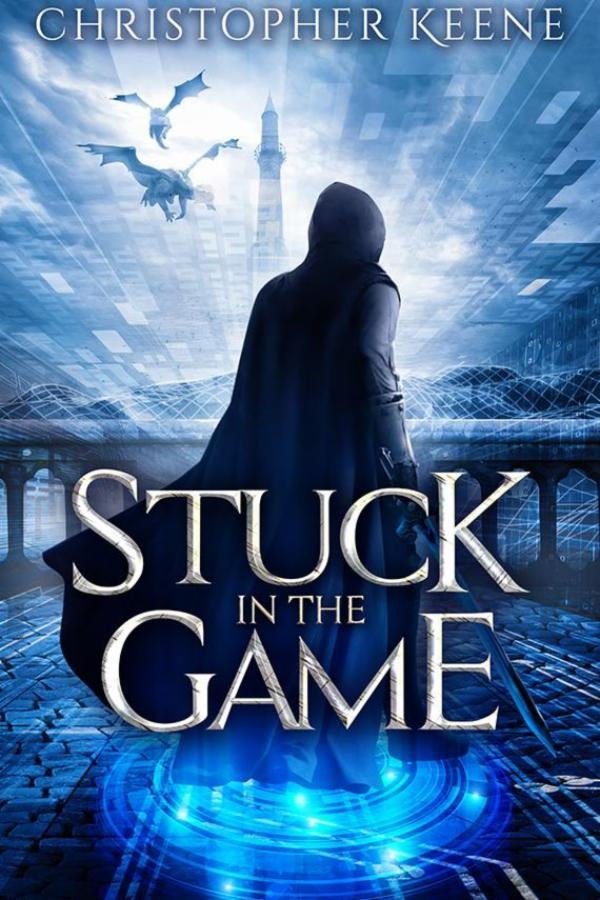
When Ernest Cline’s Ready Player One hit the shelves, it became a massive cultural phenomenon, yet it failed to satisfy a specific subset of gamers who craved a deeper "crunch"—the numerical reality of skill trees, loot drops, and leveling systems. This dissatisfaction acted as a catalyst. In 2014, when a friend challenged Keene to write a book that actually captured the mechanical depth he felt was missing from existing fiction, the result was Stuck in the Game. That title served as both a literal description of the plot and a commentary on the genre’s primary trope at the time.
A Chronology of a Digital Revolution
The formalization of LitRPG as a distinct genre occurred in the early 2010s, primarily within the Russian literary scene. The publishing house EKSMO is widely credited with coining the term, supported by authors such as Dmitry Rus, Dem Mikhaylov, and Vasily Mahanenko. Their work focused on "crunchy" narratives—stories where the interface of a game was as vital to the plot as the protagonist’s character arc.
The Facebook Era and Community Expansion
The expansion of the genre was inextricably linked to the rise of social media. The "gold medal" for genre proliferation, according to industry observers, belongs to Aleron Kong, whose Chaos Seeds series utilized the then-burgeoning LitRPG Facebook community to cultivate a loyal, highly engaged readership.
This period, roughly spanning 2012 to 2016, saw a massive splintering of the genre as new sub-categories emerged. Key contributors included:
- Ramon Mejia: Instrumental in the legitimization of the genre through the LitRPG Podcast, providing a platform for news and reviews.
- Blaise Corvin: A pioneer in the development of "GameLit," a broader, less stat-dependent umbrella for the genre.
- Dakota Krout: Helped shepherd the "Dungeon Core" and "Progression Fantasy" movements, which focused on the building and evolution of environments and powers.
Supporting Data: The Shift in Market Demographics
The growth of LitRPG is not merely anecdotal; it is reflected in the shift from traditional publishing to the "sleeper hit" model. While many early adopters were published through traditional channels, the vast majority of the genre’s success has been driven by self-publishing and serial platforms.
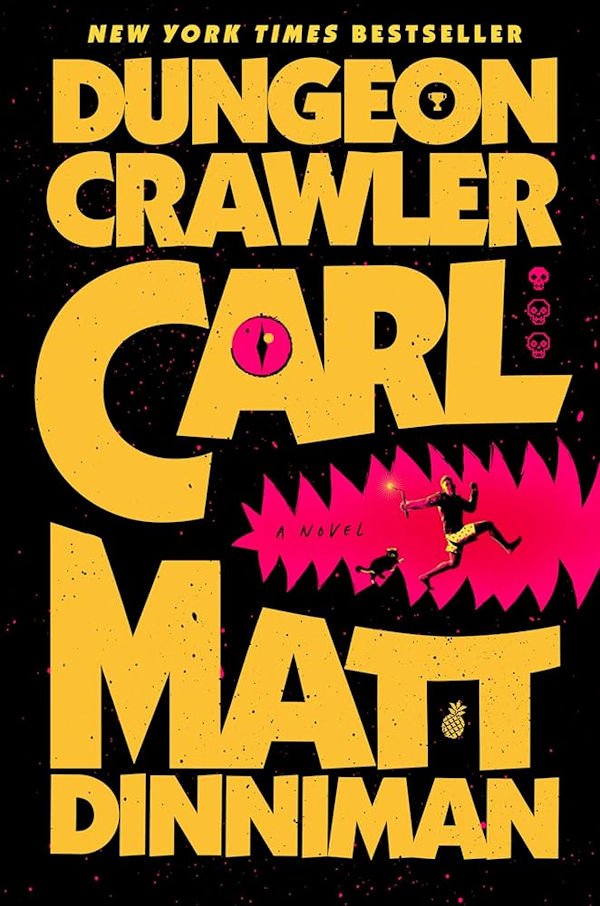
The data suggests a pivot in what readers demand. As the market became saturated with "stuck in a game" narratives, the genre began to cannibalize its own tropes. Books that strictly adhered to the "trapped in an MMO" formula began to see diminishing returns. In contrast, series that pushed the boundaries of the genre, such as Pirateaba’s The Wandering Inn and Matt Dinniman’s Dungeon Crawler Carl, surged to the forefront.
These series are noteworthy because they treat game mechanics as a spice rather than the entire meal. The Wandering Inn, for instance, weaves high-fantasy world-building with progression elements, while Dungeon Crawler Carl utilizes the "stuck in a game" trope as a vessel for dark comedy and satire. These books proved that the genre’s most ardent fans were not necessarily looking for a manual on how to play an RPG, but for a story that used the feeling of playing an RPG to heighten the stakes.
Official Responses and Industry Gatekeeping
The rapid growth of any sub-genre inevitably leads to "no true Scotsman" debates. Early in the genre’s history, there was significant gatekeeping regarding what constituted "real" LitRPG. Was it required to have a visible interface? Did the character have to know they were in a game?
While there was friction, the industry experts—including writers like Keene—argue that this was largely constructive. "There were some gatekeeping and ‘no true Scotsman’ debates," Keene acknowledges. "But it was nothing like the flame wars we have today." The consensus among current authors is that the flexibility of the genre—the ability to bleed tropes across boundaries—is precisely what allowed it to survive the initial boom-and-bust cycle of the mid-2010s.
The legalities of trademarking the term "LitRPG" also created a stir during this period, causing significant concern among independent authors who feared the term might be locked away. While those specific legal threats have largely dissipated, they left a permanent mark on the community, encouraging authors to diversify their terminology (e.g., using "Progression Fantasy" or "GameLit") to avoid potential litigation.
Implications for the Future of Speculative Fiction
What does the trajectory of LitRPG mean for the future of literature? The implications are three-fold:
- The Democratization of World-Building: LitRPG has proven that readers are willing to engage with complex, "crunchy" systems of magic and power. This has forced traditional fantasy to increase the sophistication of its own world-building to compete.
- The Convergence of Media: The blurring lines between video games and literature are now permanent. As younger generations, raised on interactive narratives, become the primary authors of the next decade, we can expect the "lit" in LitRPG to become the standard for all speculative fiction, not just a niche sub-genre.
- The Death of the "Formula": The most successful series today are those that subvert the very tropes the genre created. Just as Frank Herbert’s Dune eventually required The Scattering to evolve, LitRPG has reached a point where the only way to progress is to break the constraints of the system.
In conclusion, the LitRPG phenomenon is a testament to the power of community-driven storytelling. It began as a daring challenge between friends and morphed into a global movement that forced the publishing industry to take note of the digital-native reader. Whether one views the genre as a gimmick or a revolution, its influence on the structure, pacing, and mechanics of modern fantasy is undeniable. The "stat-sheet" is no longer just a UI element; it is a vital part of the storyteller’s toolkit.










No comments yet. Be the first to join the conversation!