Nila Kartika Wati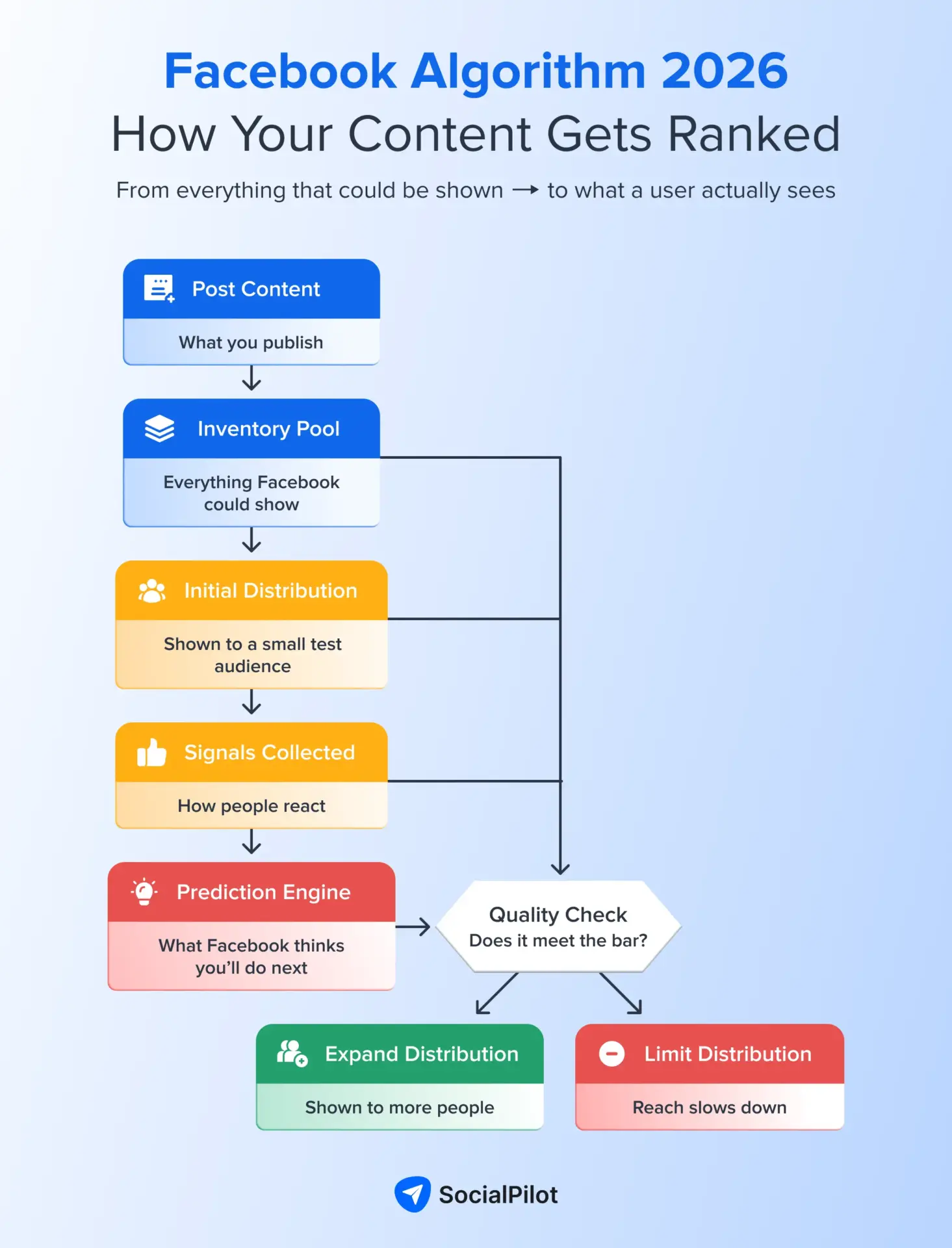
As of July 2026, the social media landscape has undergone its most radical transformation in a decade. Gone are the days of simple chronological feeds and follower-count gatekeeping. Today, algorithms are no longer mere sorting machines; they are sophisticated, predictive engines that anticipate user desire with startling accuracy. For marketers, agencies, and small business owners, the mandate is clear: adapt your strategy to the "Interest-Graph Era," or risk invisibility.
This guide provides a comprehensive breakdown of the current algorithmic environment, the chronological shifts of the past six months, and the actionable intelligence required to thrive in this hyper-competitive, AI-led digital ecosystem.
The Three Pillars of Modern Algorithmic Success
Every major social platform, despite their individual branding, now operates on a shared philosophy. To succeed in 2026, you must stop obsessing over platform-specific "hacks" and focus on the three foundational pillars that drive distribution.
1. The Hierarchy of Engagement Signals
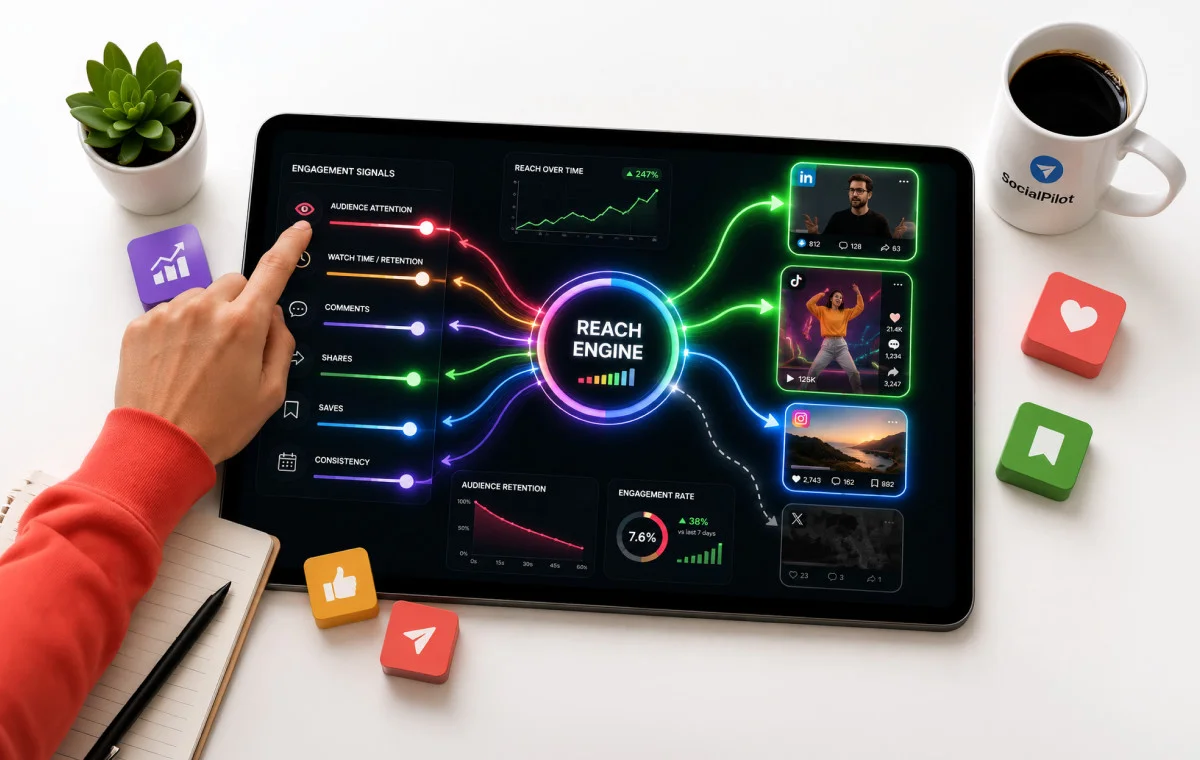
Not all interactions are created equal. Algorithms prioritize signals that demonstrate high-intent connection. In 2026, the hierarchy of value is:
- Shares (The Viral Multiplier): Sending a post to a friend or sharing it to a story is the strongest signal of high-quality content.
- Saves/Bookmarks: This signals "evergreen" value, telling the algorithm that your content is worth returning to.
- Meaningful Comments: Long-form, thoughtful engagement carries more weight than simple emojis or single-word replies.
- Watch Time/Completion Rate: For video content, the percentage of the video consumed is the primary metric for determining whether to push it to a broader audience.
2. The Shift to Content Personalization (Interest-Graph Distribution)
Followers are no longer your primary distribution channel. Today, your content is matched to user interests. If you post content about "sustainable gardening," the algorithm will show it to gardening enthusiasts, regardless of whether they follow your page. This makes niche authority more valuable than sheer reach.
3. The Nuance of Recency
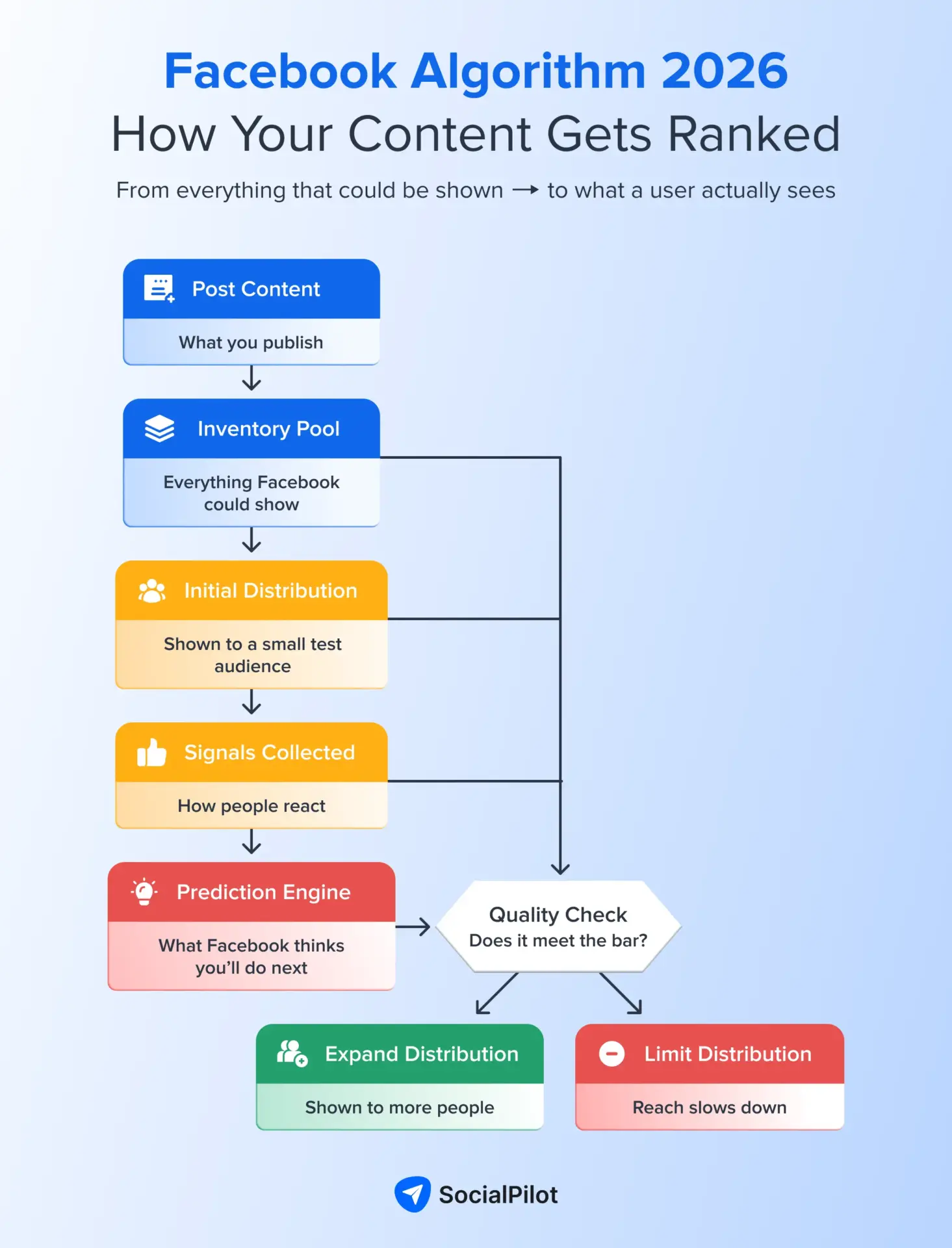
While "fresh" content is prioritized, recency cannot rescue a poor-quality post. In 2026, the algorithm gives your post a "test window." If the initial cohort of users engages with the content, the algorithm extends its lifespan. If it falls flat, it is buried, regardless of how recently it was published.
Chronology of 2026 Algorithmic Shifts
The pace of change has been relentless. Below is the trajectory of major platform updates from the first half of 2026.
June 2026: The Control Revolution
- Instagram: The "Your Algorithm" feature rollout has fundamentally changed how users interact with the app. By allowing users to hand-pick and mute topics, Instagram has handed the keys of discovery to the user. Marketers must now prioritize "Topic Consistency" to ensure they align with the specific buckets users are actively selecting.
- Facebook: A major crackdown on "recycled" content. Facebook’s new fingerprinting technology now penalizes Pages that predominantly repost external content. Originality is now the primary factor for recommendation eligibility.
- TikTok: Mid-year, the transition to a US-only data recommendation model has created significant volatility. Reach benchmarks from early 2026 are already obsolete.
May 2026: The US-TikTok Retraining
The completion of the US ownership deal triggered a massive retraining of the recommendation engine. The platform is currently favoring high-retention, US-centric content, forcing brands to re-test their creative formats to see which resonate with the new, localized recommendation logic.
April 2026: The "Aggregator" Purge
Instagram officially signaled the end of the aggregator era. Accounts that function primarily as content scrapers are now being excluded from the Explore tab. This is a massive win for original creators, as the platform now actively filters for verified original media.
March 2026: LinkedIn’s LLM Pivot
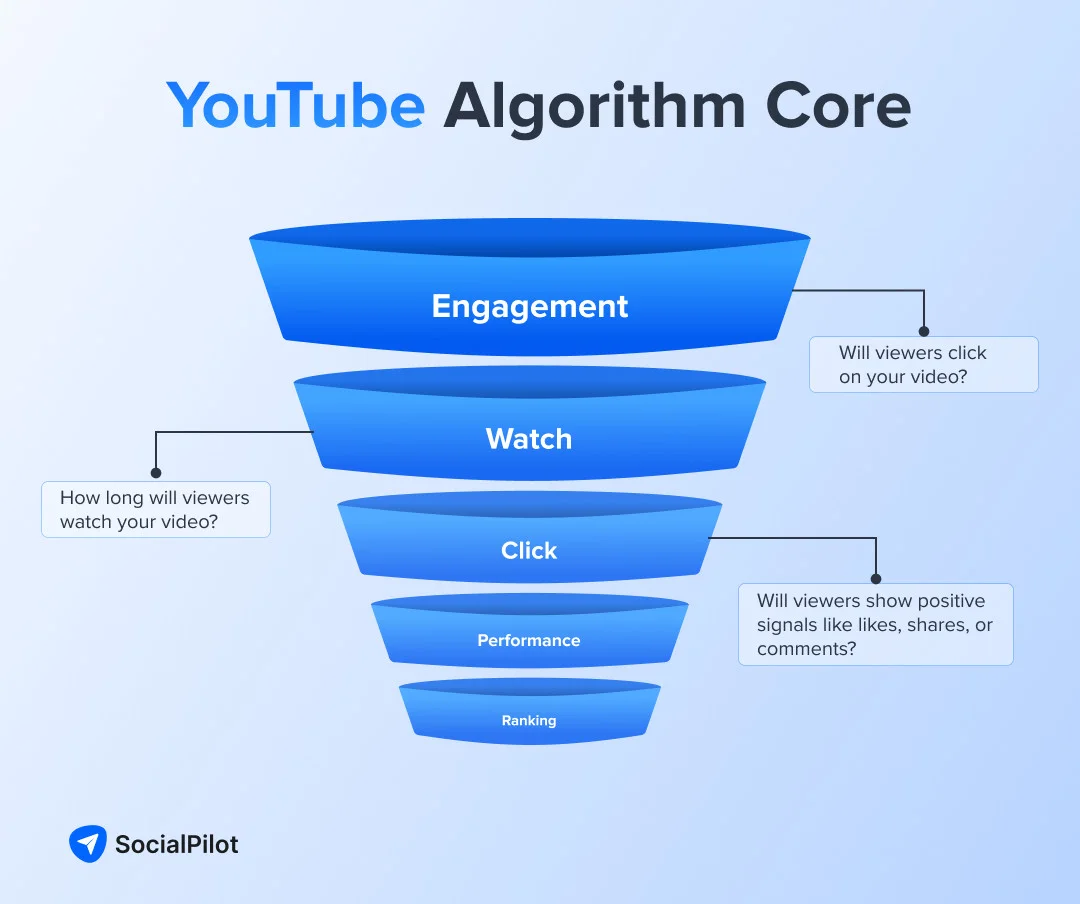
LinkedIn’s integration of a Large Language Model (LLM) to replace traditional ranking systems was a watershed moment. The platform now analyzes the meaning of a post rather than just its metadata. Posts that provide genuine industry insight now surface within minutes, while "engagement bait" (e.g., "agree?" posts) is being aggressively suppressed.
Platform-Specific Strategy Deep Dive
The Facebook Strategy: Community First
With 2.28 billion users, Facebook remains a juggernaut. However, the algorithm now rewards "Community Intent."
- Strategy: Shift focus toward Facebook Groups. Groups are treated as "High-Intent Spaces" by Meta’s AI. A Page paired with an active, moderated Group will always outperform a standalone Page in 2026.
The YouTube Strategy: AI-Verified Authority
YouTube has doubled down on the E-E-A-T (Experience, Expertise, Authoritativeness, Trustworthiness) framework.
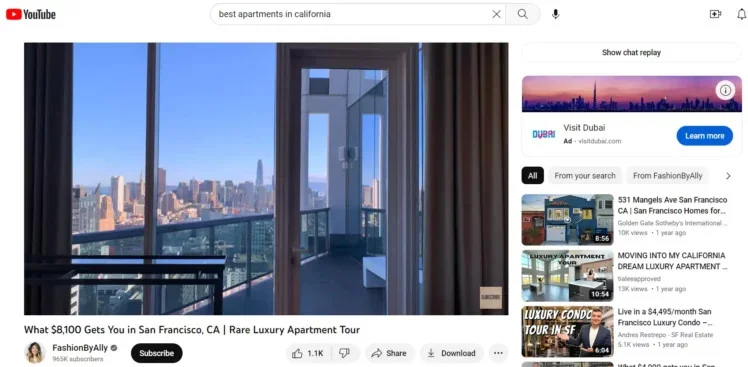
- Strategy: Use AI-driven titles and thumbnails that accurately reflect the video content. Misleading clickbait is now being penalized by YouTube’s AI, which can scan video transcripts for relevance.
The Instagram Strategy: Niche Silos
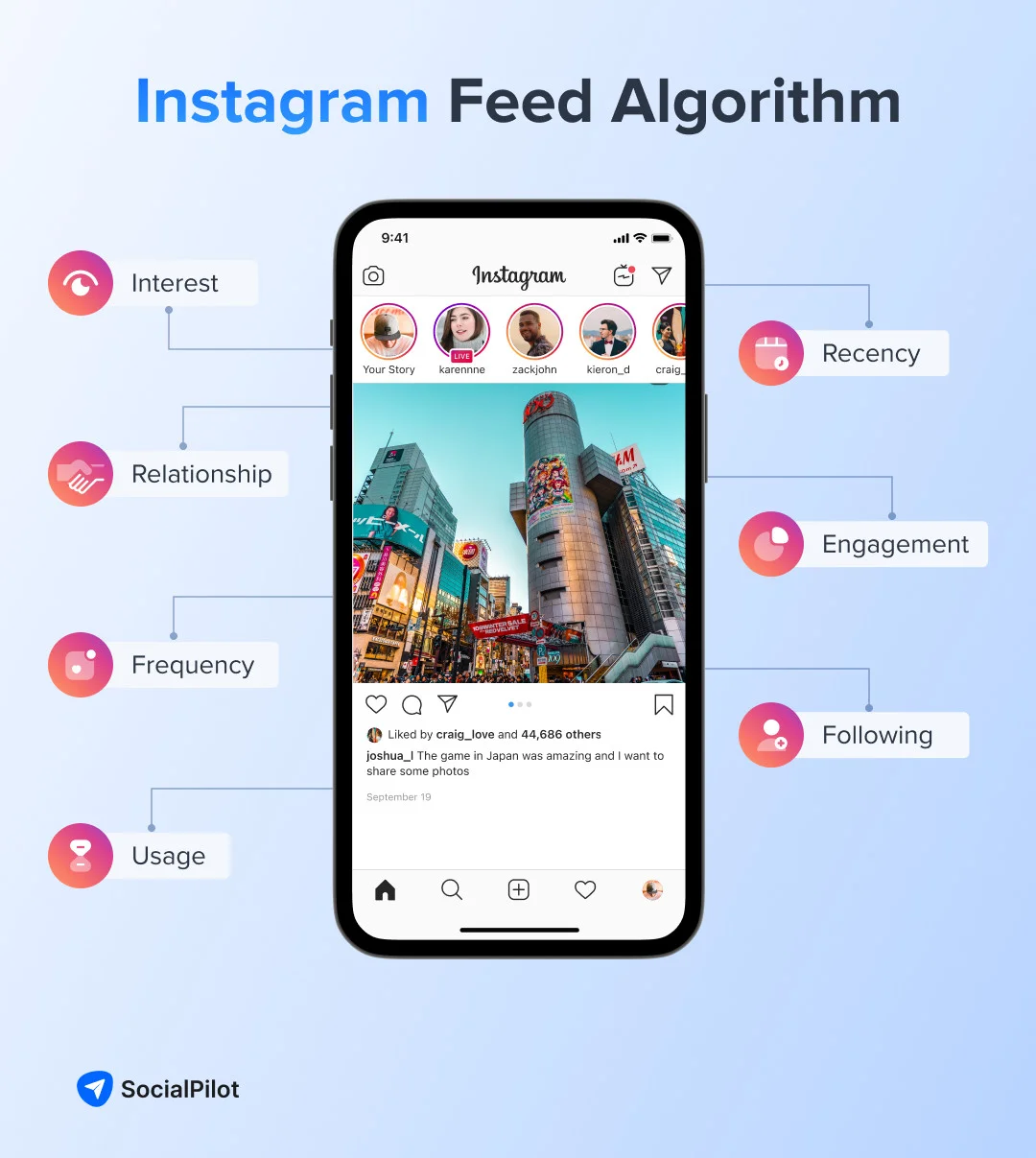
Instagram has fractured into four distinct algorithms: Feed, Stories, Reels, and Explore.
- Strategy: Treat Reels as your discovery engine (optimized for entertainment) and Feed/Stories as your loyalty engine (optimized for community). Never try to make one piece of content perform the function of both.
The LinkedIn Strategy: Semantic Depth
LinkedIn is now a knowledge graph.
- Strategy: Write for "Saves." The algorithm prioritizes posts that users refer back to. High-value, long-form text posts that offer actionable advice perform significantly better than video-heavy content.
The TikTok Strategy: The 70% Completion Rule
TikTok now demands a 70% completion rate for a video to be pushed into the "viral" tier of the For You page.
- Strategy: The first three seconds are your most valuable real estate. If you don’t hook the user immediately, the algorithm will not give your content a second chance.
Official Responses and Engineering Insights
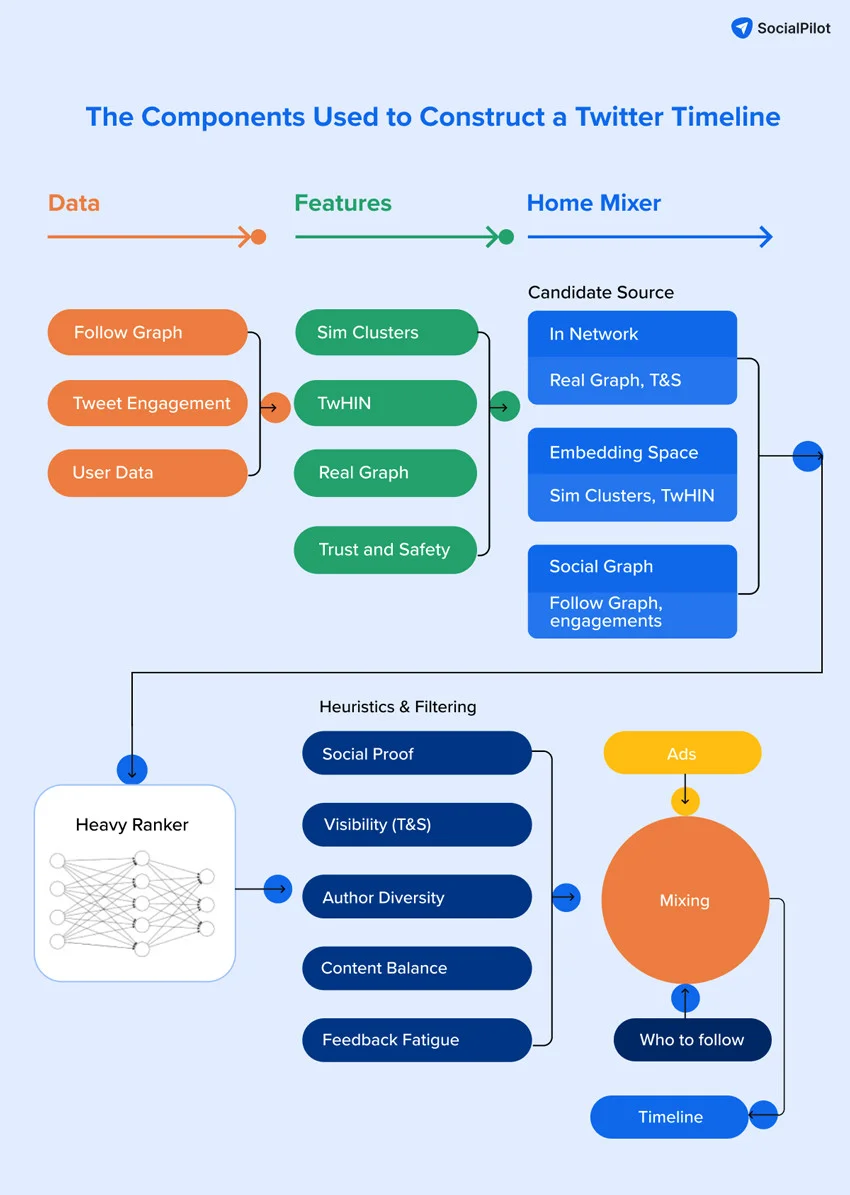
Data from 2025-2026 reveals that platforms are becoming more transparent about their technical goals, even if the exact "code" remains proprietary. The consensus across LinkedIn Engineering, Meta’s AI Labs, and Oracle’s recent disclosures regarding TikTok is that AI-driven personalization is the final form of social media.
Platforms are moving away from "social graphs" (who you know) to "interest graphs" (what you like). This transition is permanent. The engineering focus is currently on "Content Quality Classification"—the ability of AI to distinguish between a high-effort video and a low-effort repost without human intervention.
Implications for the Future: What Brands Must Do
The "Mastery" of algorithms in 2026 is no longer about finding a loophole; it is about aligning with the platforms’ business goals: keeping users on the app through high-quality, relevant, and original content.
- Prioritize Originality: If you are a brand, stop acting like an aggregator. Produce your own imagery, write your own copy, and film your own videos.
- Invest in Data Analytics: Algorithms change every month. Use tools like SocialPilot to track your performance metrics in real-time. If a format stops working, stop using it immediately.
- Optimize for Retention: Every platform is a video platform now. Whether it’s a 60-second Reel or a 10-minute YouTube video, the goal is to keep the user watching until the final frame.
- Embrace the Niche: Do not try to be everything to everyone. In an interest-graph world, being the #1 voice in a specific niche is significantly more profitable than being a generalist with a larger, but unengaged, audience.
The landscape is volatile, but for those who prioritize the user experience and create meaningful, original content, the opportunities for organic reach are greater than they have ever been. By leveraging AI-driven tools and staying agile in the face of monthly updates, you can turn the algorithm from a hurdle into your most powerful marketing asset.


 Nana Wu
 Nana
Nana