

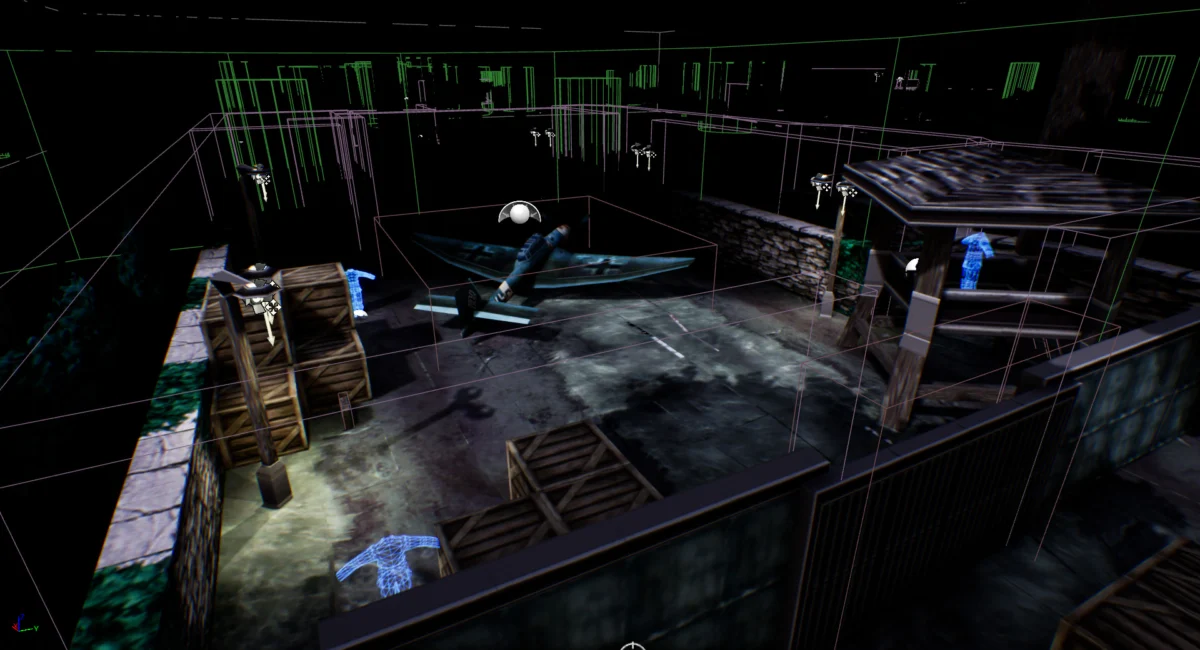
While Electronic Arts has seemingly retreated from the franchise that defined the World War II shooter genre, the spirit of Medal of Honor is experiencing a renaissance—not in the boardroom, but through the dedicated labor of a single fan. For years, the Medal of Honor series sat in a state of suspended animation, hampered by the commercial failure of Respawn Entertainment’s ambitious but polarizing VR effort, Above and Beyond. Yet, the legacy of the original 1999 PlayStation classic remains deeply embedded in the gaming zeitgeist.
Last month, a developer known as Elber88 released a comprehensive, ground-up remake of the series’ inaugural title, built within Unreal Engine 4. By blending the original game’s logic with assets inspired by the series’ PC evolution, Medal of Honor: Allied Assault, Elber88 has effectively brought a piece of history to modern hardware. Now, with the release of version 1.1, the project has evolved from a simple passion project into an essential experience for fans of retro shooters.
The Foundations of a Genre
To understand the significance of this remake, one must look back at the landscape of 1999. Before Call of Duty became a global juggernaut, Medal of Honor on the original PlayStation was the gold standard for cinematic war gaming. Developed by DreamWorks Interactive and executive produced by Steven Spielberg, the game brought a level of tension, atmosphere, and historical reverence that was largely unseen in the console market at the time.
The original game followed Lieutenant Jimmy Patterson, an OSS operative, as he navigated the harrowing realities of the European theater. It was praised for its clever AI, immersive sound design, and the way it made the player feel like a lone operative behind enemy lines. However, as the industry shifted toward high-fidelity sequels and eventually the modern warfare era, the 1999 original began to show its age, relegated to the dusty corners of gaming history.
Elber88’s Medal of Honor: Retro Remake aims to bridge that gap. By porting the original game’s structure into Unreal Engine 4, the developer has managed to retain the "feel" of the 1999 classic while injecting it with modern visual fidelity. The result is a playable history lesson, allowing modern PC users to step into the boots of Jimmy Patterson with a clarity that the original hardware simply could not achieve.
Chronology of a Passion Project
The path to version 1.1 was paved by the overwhelming positive reception of the initial launch. Following the release of the project’s first iteration last month, the community response was immediate and vocal. Players who had been clamoring for a way to experience the series’ roots on modern systems flocked to the download links, providing feedback that pushed the developer to refine the experience.
"I am glad to invite you to play the updated version 1.1 of the remake, which to my surprise has become very popular not only among fans of the original MOH but also among ordinary players," Elber88 shared on ModDB. "This inspired me to continue working in my free time and do it for the community."
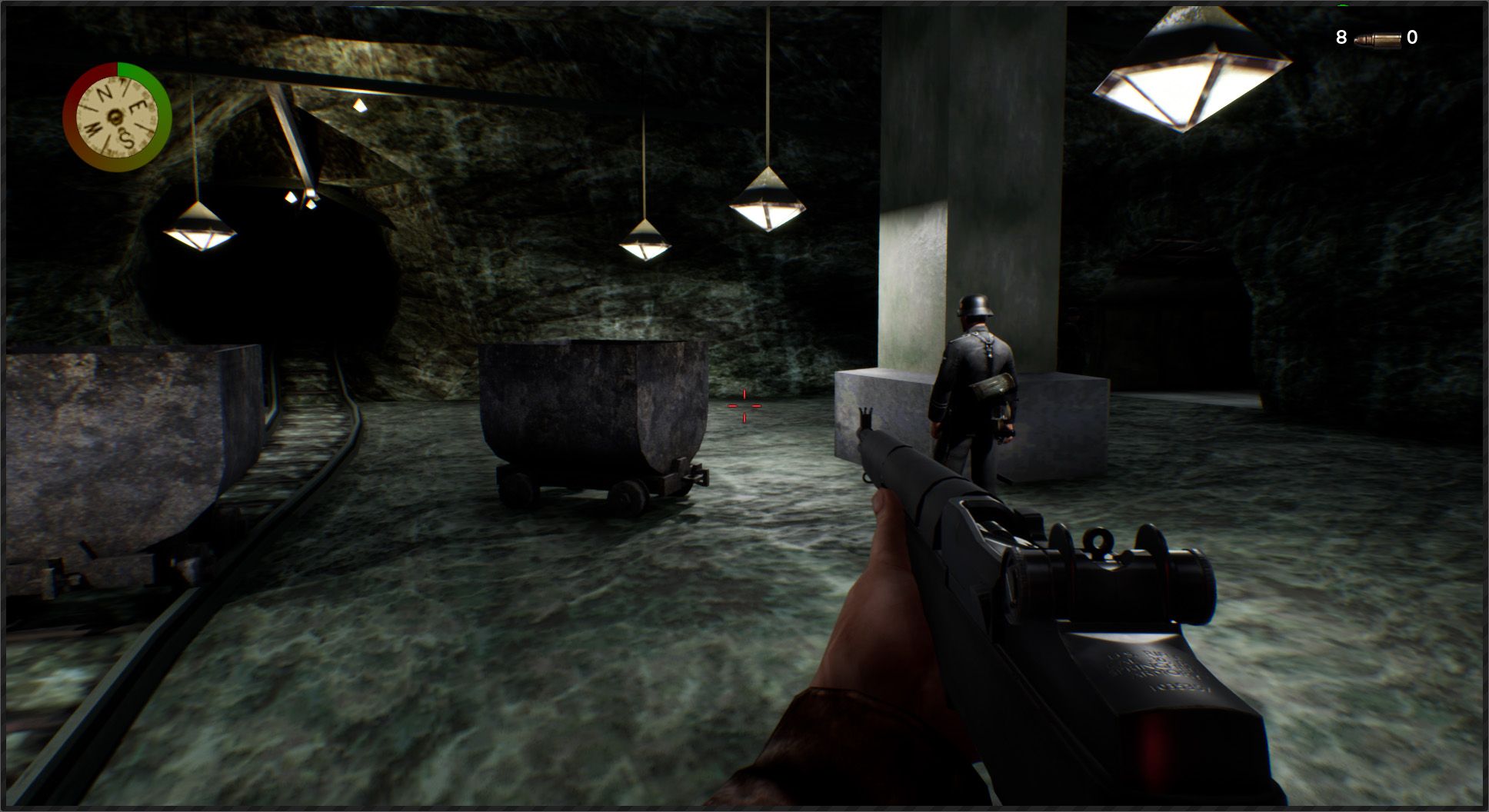
The development timeline moved rapidly from the release of the base game to the integration of community-requested fixes. The most significant addition in this latest update is a long-lost mission: the legendary, yet cut, "Colditz Castle" level.
Bringing the Lost Level to Life
Perhaps the most intriguing aspect of the version 1.1 update is the inclusion of the Colditz Castle mission. For decades, the existence of this level was known only to data miners and those who had dissected the original game’s files. According to documentation found in the Medal of Honor wiki, the mission was intended to see the player infiltrate a high-security POW camp to gather intelligence and assassinate the castle commandant.
However, the original developers were forced to cut the content, leaving behind only tantalizing snippets in the game’s LEVEL.BIN files and a few low-resolution screenshots. Elber88’s decision to recreate this mission represents a monumental effort in digital archeology.
"The current implementation can be considered as my vision," Elber88 explained, acknowledging that because the original mission was never finished, he had to take creative liberties to fill in the gaps. He utilized the limited available data as a blueprint, constructing a level that fits seamlessly into the game’s existing aesthetic while offering a fresh challenge for veterans who thought they had seen everything the 1999 title had to offer.
The Technical Underpinnings
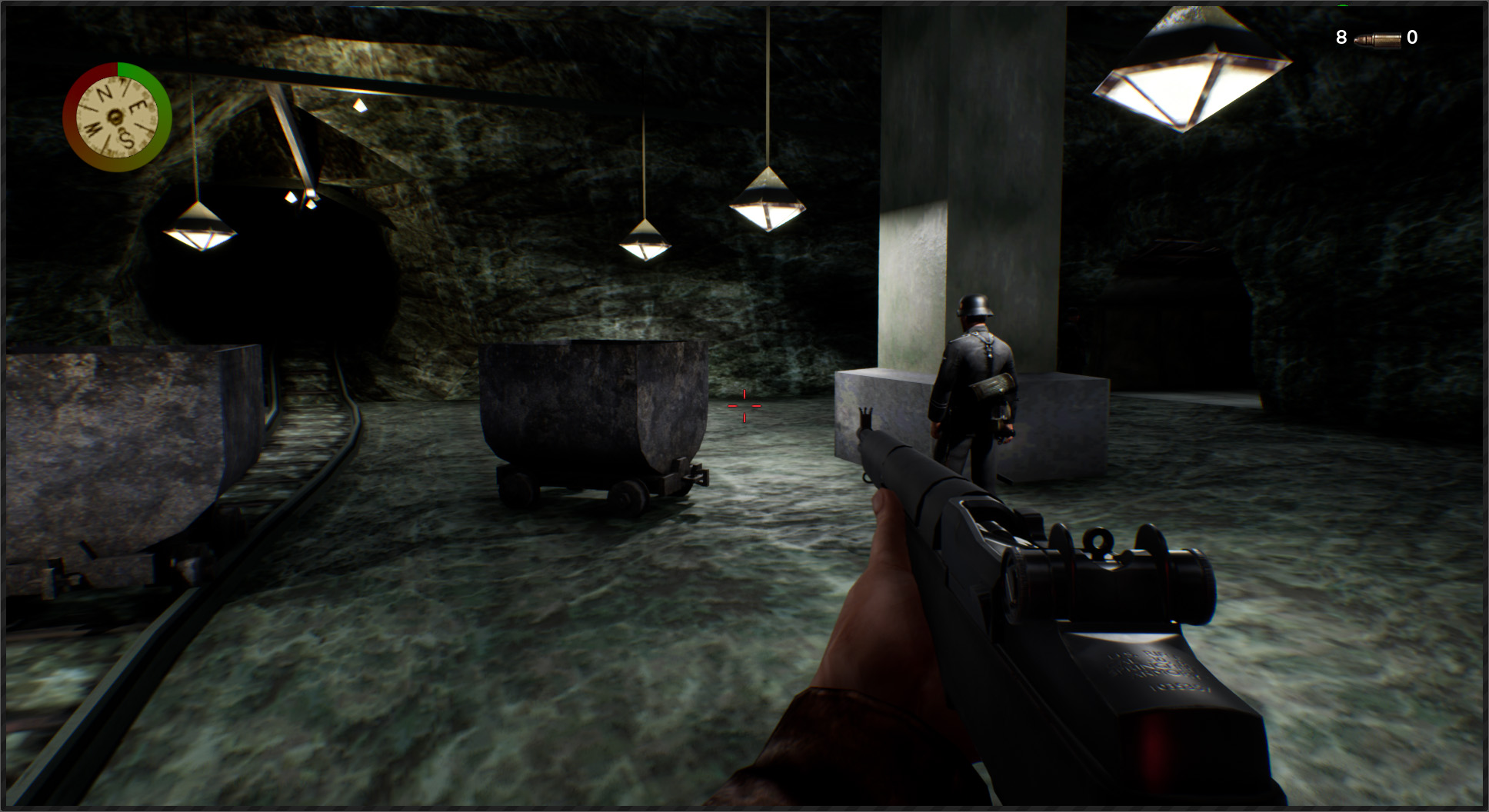
The technical achievement of this remake cannot be overstated. By utilizing Unreal Engine 4, Elber88 has managed to maintain the original’s movement speed and enemy behavior while applying modern lighting, texture filtering, and high-resolution rendering. The use of assets from Medal of Honor: Allied Assault is a clever touch; the game, which was released in 2002, shares much of the same DNA as the original and provides a more cohesive, albeit modernized, look for the assets.
While the remake is a technical triumph for a solo developer, it is not without its limitations. Some players have noted that the original game’s unique character animations are absent, replaced by more generic movement systems necessitated by the engine swap. Yet, for a free, fan-made project, the trade-off is more than acceptable. The game captures the haunting atmosphere of the original, from the oppressive silence of the corridors to the sudden, frantic bursts of gunfire that define the Medal of Honor experience.
Implications for the Industry
The success of Medal of Honor: Retro Remake serves as a stark reminder of the untapped potential in dormant intellectual properties. When major publishers like Electronic Arts move on from a brand, they often leave behind a vacuum that fan communities are all too eager to fill. This project is part of a growing trend of "fan-led preservation," where enthusiasts take it upon themselves to ensure that titles of the past are not lost to the march of technological progress.
Furthermore, it highlights a disconnect between corporate strategy and player demand. While EA has experimented with various directions for Medal of Honor—including the aforementioned VR title that failed to capture the mainstream—fans have consistently signaled that they want a return to the series’ tactical, boots-on-the-ground roots. When a solo developer can capture the attention of thousands with a remake of a 25-year-old game, it suggests that the "formula" for the series is not dead; it is simply waiting for someone to treat it with the care it deserves.
A Legacy Preserved
For those who grew up on the PlayStation, the Medal of Honor series is more than just a shooter; it is a memory. It was the game that brought the gravity of World War II to our living rooms, using the medium of play to tell stories of heroism and sacrifice.
Elber88’s remake is a tribute to that history. It is a labor of love that proves the community is often the best steward of a franchise’s legacy. By taking the "Colditz Castle" level out of the realm of rumor and into the realm of play, Elber88 has given fans a reason to return to the front lines.
Whether you are a veteran of the original game looking for a trip down memory lane, or a modern player curious about the origins of the genre, the Medal of Honor: Retro Remake is a mandatory download. It is a testament to the fact that while games may age, the experiences they create are timeless. As the project continues to evolve, one can only hope that this small, dedicated corner of the internet continues to thrive, keeping the spirit of the original Medal of Honor alive for generations to come.
You can find the latest version of the remake on ModDB, where the community continues to offer feedback and support for what is quickly becoming the definitive way to play a piece of gaming history. In a world of live services and fleeting digital trends, the Retro Remake stands as a reminder of the power of the original—and the enduring impact of a game that dared to change the world of shooters forever.











No comments yet. Be the first to join the conversation!