Siti Muinah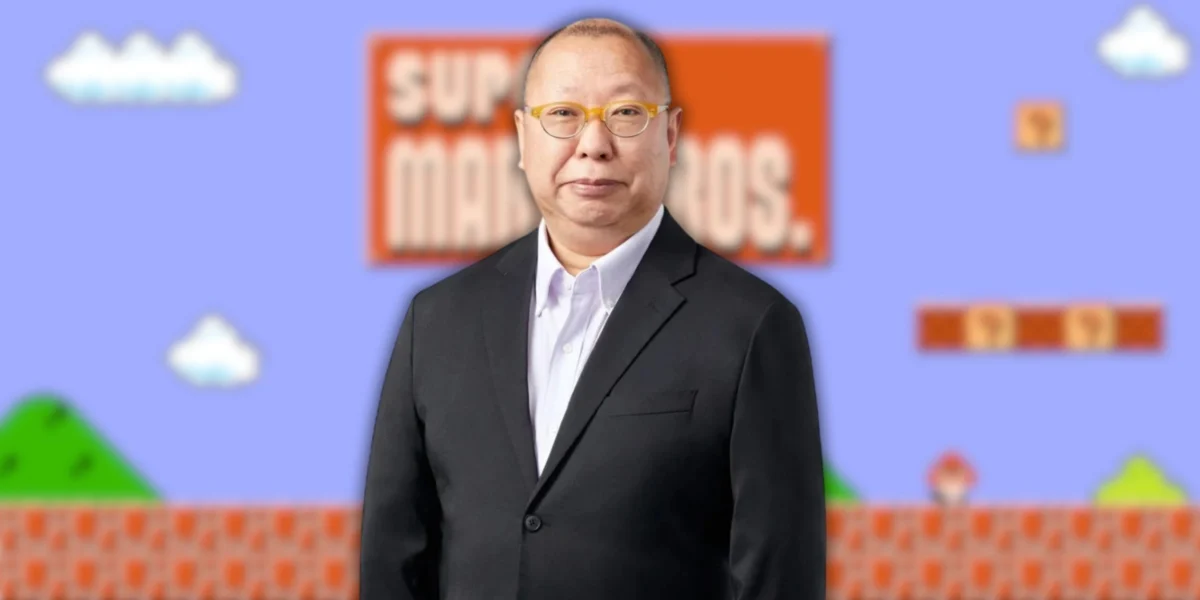
For the global gaming community, the names Takashi Tezuka and Shigeru Miyamoto are synonymous with the foundational architecture of modern interactive entertainment. Over the past four decades, their collaborative genius has shaped the childhoods of millions, defining the Super Mario and The Legend of Zelda franchises. When news broke in May 2026 that Takashi Tezuka—a pillar of Nintendo’s creative output—would be stepping down from his long-standing role as Executive Director, it sent a shockwave through the industry. Speculation regarding his retirement reached a fever pitch, leading many to fear that a defining era of game design was coming to a premature close.
However, during Nintendo’s annual shareholder meeting held on Thursday, June 25, 2026, the company provided clarity that brought immense relief to fans and industry analysts alike. Takashi Tezuka is not departing the company; rather, he is transitioning into a specialized role that promises to keep his creative influence firmly embedded in Nintendo’s future.
The Chronology of a Crisis: From Rumor to Reassurance
The apprehension began in May 2026, when routine corporate filings indicated that Tezuka’s term as Executive Director was coming to an end. In the world of corporate gaming, such announcements are frequently precursors to retirement or departure. Given that Tezuka has been a cornerstone of the company since joining in 1984, the news felt, to many, like the end of a storied chapter.

The digital sphere reacted instantly. Social media platforms and gaming forums were flooded with tributes, retrospectives, and expressions of collective anxiety. The concern was not merely administrative; it was cultural. Tezuka has been a guiding hand behind some of the most influential titles in history, from Super Mario Bros. 3 and The Legend of Zelda: A Link to the Past to the modern evolution of the Mario series.
The silence from Nintendo’s headquarters in Kyoto was brief but heavy. It was finally broken at the June 25 shareholder meeting, where the company clarified that while Tezuka is vacating his executive title, he is stepping into a new position: Production Producer. This strategic shift ensures that while he will be stepping away from the heavy burden of high-level corporate governance, he will remain deeply involved in the granular, hands-on process of game development.
A Legacy of Innovation: Supporting Data
To understand why the prospect of Tezuka’s departure caused such a stir, one must look at the scope of his contribution to the industry. Since 1984, Tezuka has been a vital force in defining what we recognize as "Nintendo magic."

The Pillars of His Career
- Early Successes (1984–1990): Tezuka joined Nintendo shortly after the company began its expansion into home console gaming. He was instrumental in the design of the original Super Mario Bros. and The Legend of Zelda, helping to establish the conventions of side-scrolling platformers and action-adventure exploration that are still used today.
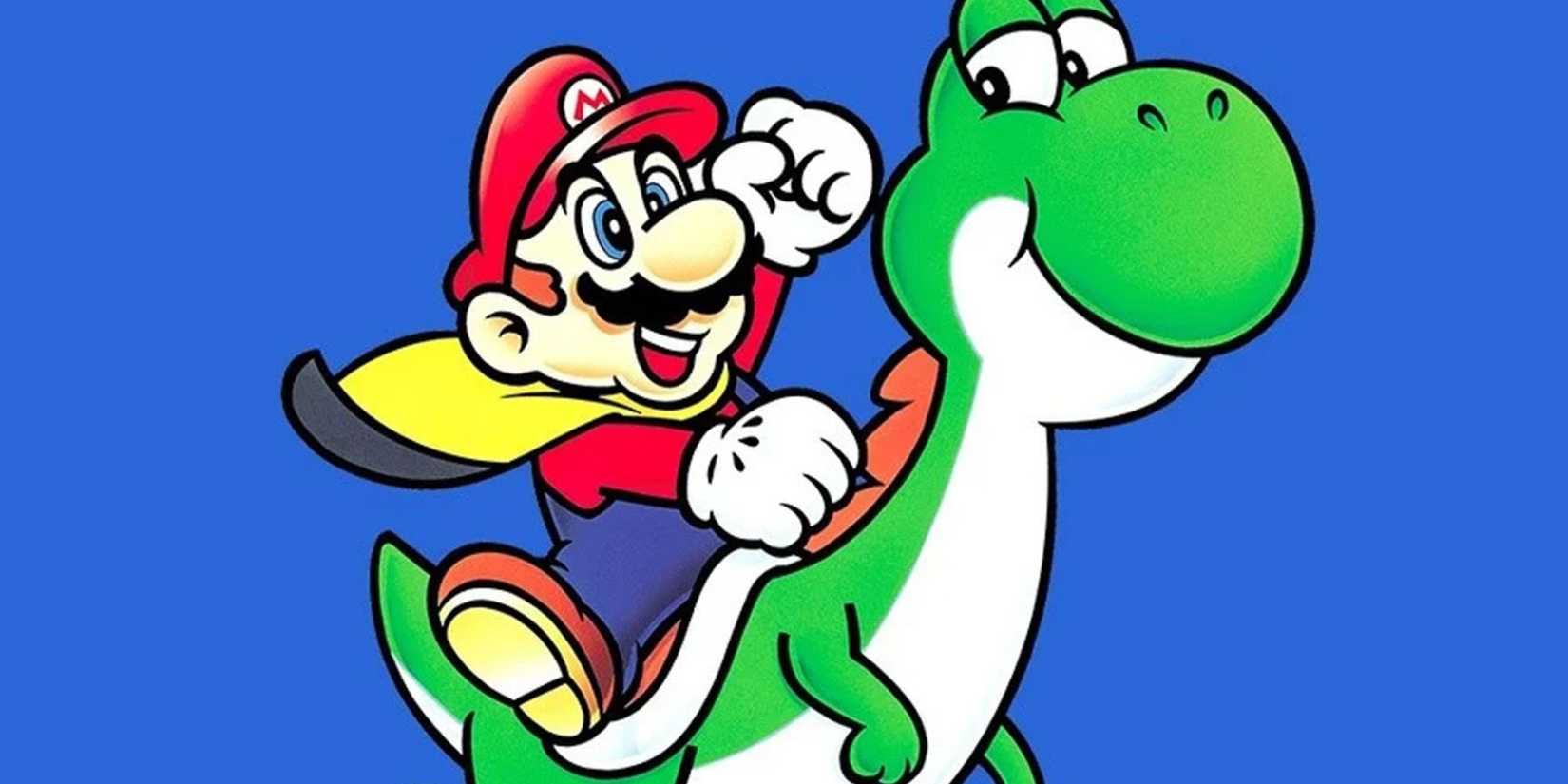
- Creative Directorship (1991–2010): As a director and supervisor, Tezuka oversaw the transition of Nintendo’s flagship franchises into the 3D era. Titles like Super Mario World and Yoshi’s Island carry his distinct creative DNA—a focus on intuitive design and "playful" mechanics that reward curiosity.
- Executive Leadership (2010–2026): In his role as Executive Director, Tezuka moved toward a broader, strategic oversight, managing large-scale projects and ensuring that the core Nintendo philosophy of "fun first" remained intact despite the increasing complexity of modern hardware.
His tenure spans 42 years of unparalleled industry growth. He has witnessed the shift from 8-bit sprites to high-definition, open-world environments, yet his focus has remained consistent: creating unique, joy-filled experiences that cannot be replicated elsewhere.
The Official Response: A Heartfelt Transition
The most poignant moment of the June 25, 2026, shareholder meeting occurred when Takashi Tezuka himself addressed the attendees. His speech was not merely a corporate announcement; it was a reflection on a life’s work.
"Looking back at the past 42 years, I can honestly say it was a wonderful and enjoyable career," Tezuka remarked. "In the beginning, we were hand-creating new types of fun that you couldn’t find in toy stores. Today, game development has grown to a much larger scale, and there is a different kind of joy in creating things together with so many people."
Tezuka’s words highlighted the evolution of the workplace itself. He spoke of the transition from the scrappy, intimate teams of the 1980s to the massive, collaborative global production lines of today. Crucially, he expressed a profound sense of satisfaction with his decision to stay with Nintendo, albeit in a different capacity.
"I truly feel that working for this company was the right choice. Going forward, I will continue to be involved as a production producer. Thank you for providing me with this opportunity to say a few words," he concluded.
Nintendo President Shuntaro Furukawa supported this narrative, confirming that the change was a mutually agreed-upon restructuring intended to optimize the company’s creative output while allowing its most seasoned veterans to focus on their core passions.
Implications: What Does a "Production Producer" Do?
The title of "Production Producer" suggests a shift away from the administrative, board-level responsibilities that often accompany an Executive Director role. In many modern Japanese game development structures, a producer’s role is to act as the bridge between creative vision and technical execution.
Focus on Hands-On Mentorship
By stepping back from executive duties, Tezuka is likely positioning himself to act as a mentor. Nintendo is currently in a period of transition, preparing for future hardware cycles and attempting to maintain the relevance of its legacy IPs. Having a designer with 42 years of experience providing direct, daily guidance to younger teams is an invaluable asset.
The "Joy-First" Philosophy
The core implication of this move is that Nintendo is not looking to "phase out" its old guard, but rather to "re-task" them. By removing the administrative friction from Tezuka’s day-to-day life, Nintendo is essentially liberating its most creative minds to do what they do best: iterate on gameplay mechanics. For fans, this likely means that the upcoming titles in the Mario and Zelda series will continue to benefit from Tezuka’s unique design sensibility, unencumbered by the bureaucratic weight of his previous office.
A Future Secured
The fear that gripped the Nintendo community in May was a testament to how deeply ingrained these figures are in the cultural identity of gaming. When we think of Mario, we think of Miyamoto’s vision, but we also think of Tezuka’s world-building.
The confirmation that Tezuka is staying on as a Production Producer is more than just a piece of good news—it is a signal of continuity. As Nintendo looks toward the next decade, with the inevitable challenges of evolving technology and shifting market trends, having a "master craftsman" like Tezuka in the trenches is the best possible outcome.
As a journalist who has covered the industry for years, I have seen many legends retire, often leaving a vacuum that is difficult to fill. However, this transition feels different. It is a graceful evolution, allowing a veteran of the industry to continue creating "digital joy" on his own terms. We may not see his name as prominently on executive board reports, but we will certainly see his touch in the games we play for years to come. The era of Takashi Tezuka is not over; it is simply entering a new, more focused, and perhaps even more creative phase.


 Asro
Asro
 Muslim