Layla Zulfa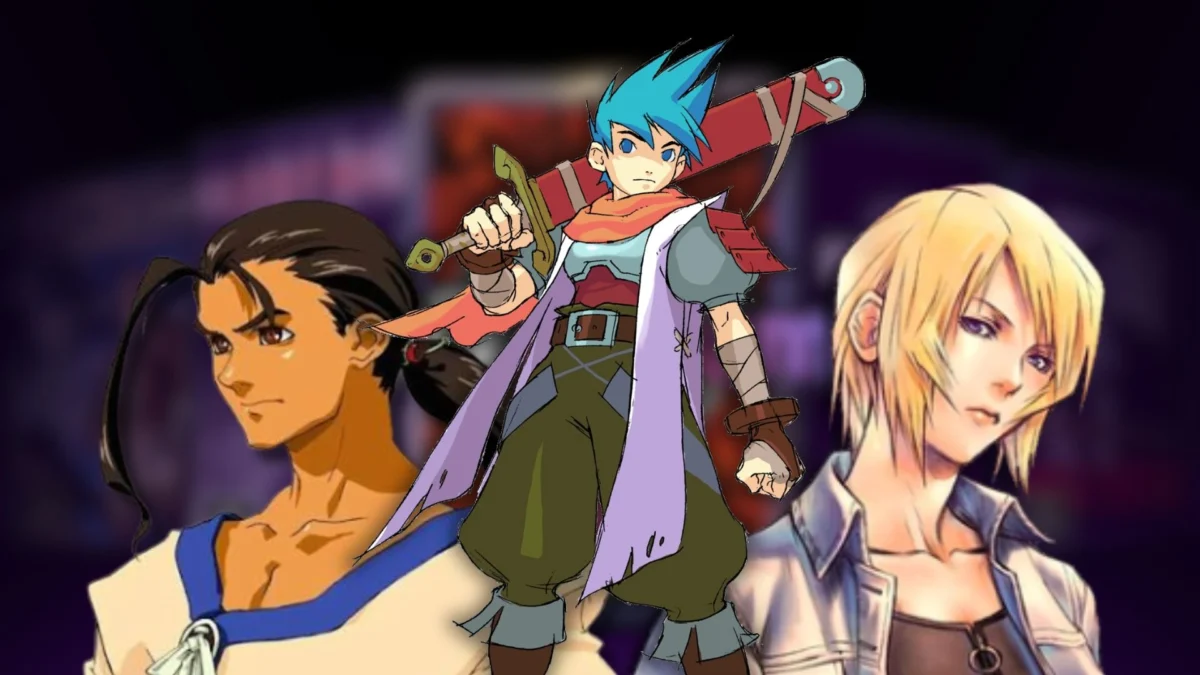
We are currently living in a golden age for the Japanese Role-Playing Game (JRPG). From the record-shattering sales of modern juggernauts to a surge in high-quality remakes and innovative indie titles that wear their 16-bit influences on their sleeves, the genre has never been more vibrant. Yet, beneath this veneer of prosperity lies a darker reality: a vast catalog of industry-defining classics remains locked away on aging, legacy hardware.
For many enthusiasts, these games are effectively lost to time, trapped in a cycle of decaying disc drives and prohibitively expensive secondary markets. However, a glimmer of hope remains in the form of GOG’s "Dreamlist"—a community-driven initiative that allows players to signal demand for classic titles. While a vote does not guarantee a port, it serves as a powerful metric for publishers to gauge interest. In this comprehensive breakdown, we examine ten essential JRPGs that, while currently absent from modern digital storefronts, are prime candidates for a modern revival.
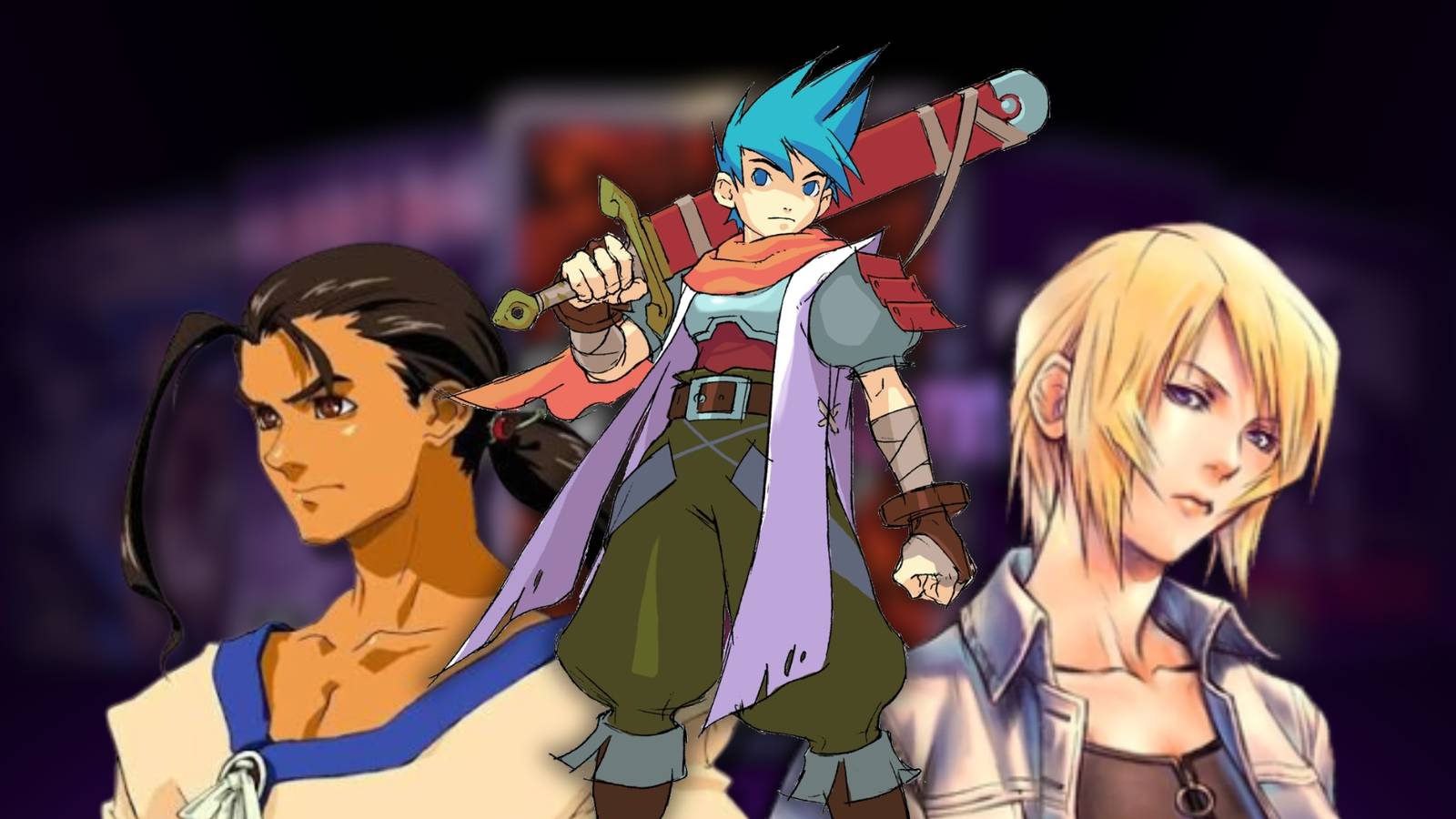
The Preservation Crisis: Why Legacy Matters
The issue of digital preservation is not merely about nostalgia; it is about accessibility. As developers move toward "games as a service" models, the preservation of standalone, complete experiences from the 90s and 2000s becomes increasingly fragile. When a game is not available on platforms like GOG or Steam, it ceases to exist for the vast majority of new players.
The GOG Dreamlist acts as a bridge between fans and copyright holders. By centralizing requests, it forces publishers to recognize that the market for these "lost" titles is not just a handful of vocal fans, but a significant, untapped demographic.
10. Star Ocean: Integrity and Faithlessness
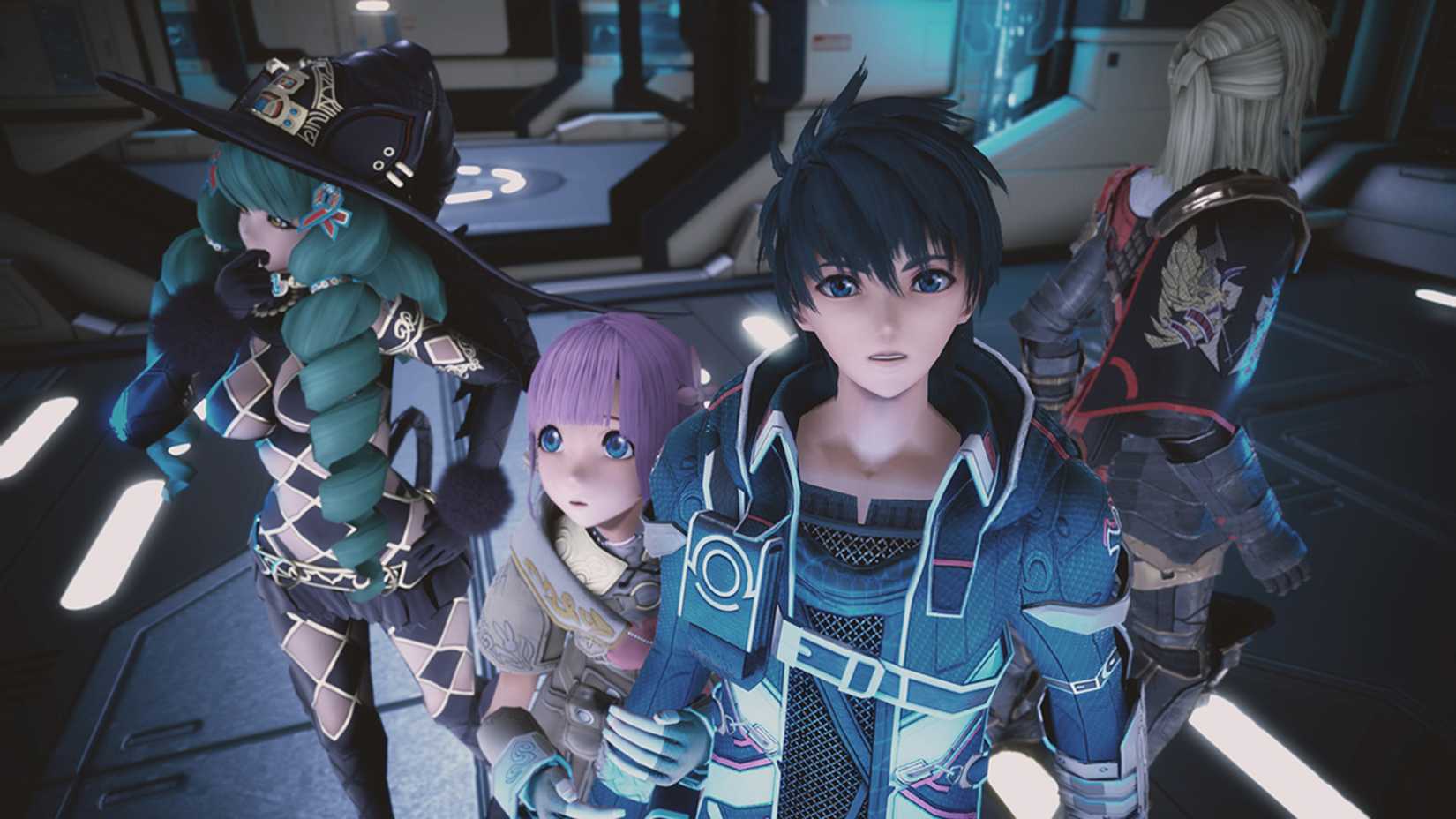
Star Ocean: Integrity and Faithlessness is frequently cited as a polarizing entry in the long-running tri-Ace series. Critics often point to its smaller budget and restricted scope compared to its predecessors. However, dismissing it entirely ignores the core strengths that define the Star Ocean DNA: a robust, frenetic gameplay loop and an intricate crafting system that remains one of the most rewarding in the genre.
As one of only two mainline entries currently missing from the PC landscape, its inclusion here is a matter of franchise completeness. While purists may clamor for earlier titles, Integrity and Faithlessness offers a distinct charm that warrants an official, preserved release on modern hardware.
9. Dirge of Cerberus: Final Fantasy VII
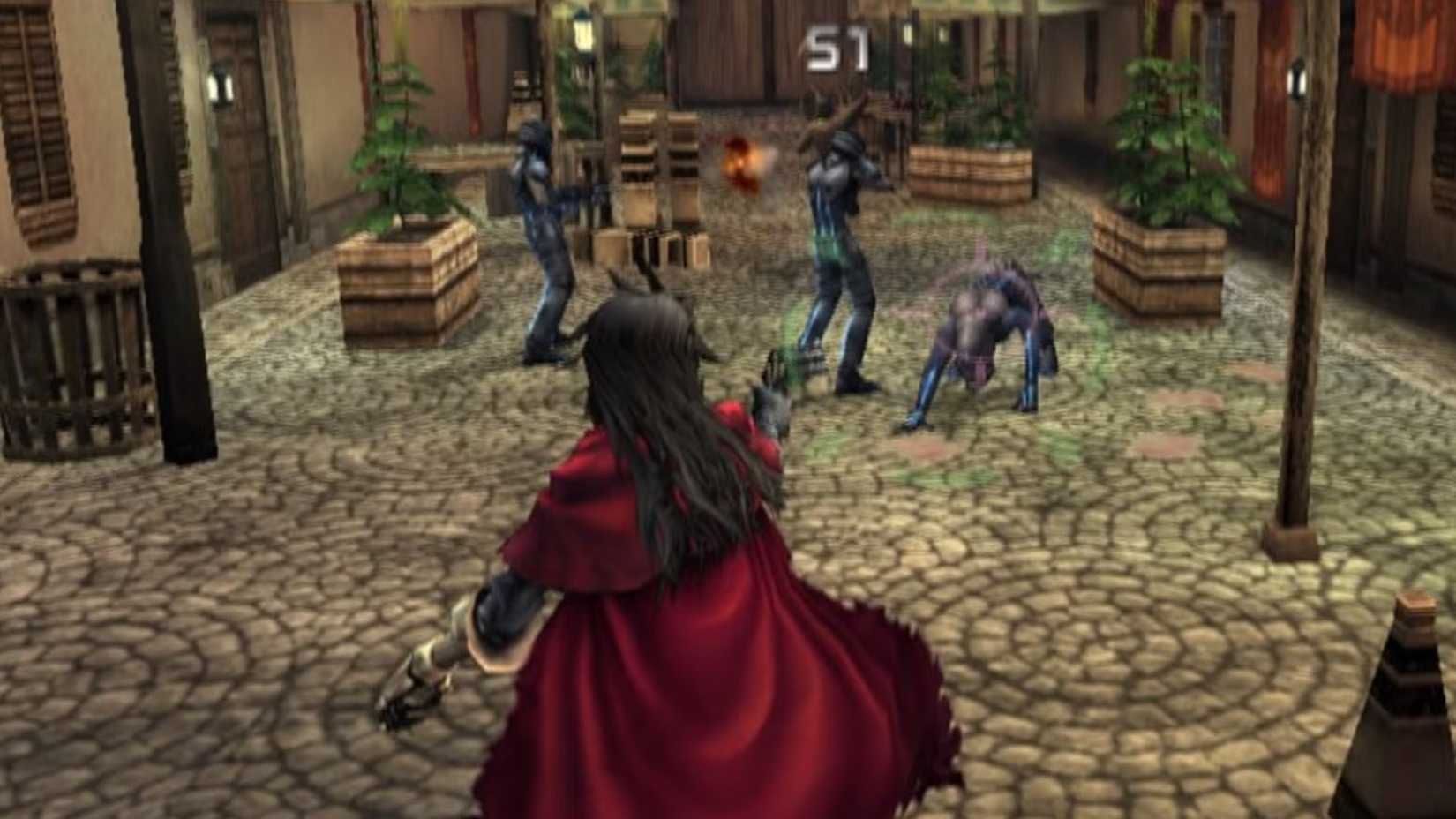
The Final Fantasy VII universe has seen an unprecedented expansion over the last decade, yet the 2006 shooter-RPG hybrid Dirge of Cerberus remains an outlier. While the gameplay was criticized for its clunkiness at launch, its importance to the overarching lore of the Compilation of Final Fantasy VII cannot be overstated.
With the Remake trilogy introducing characters like Nero and Weiss, the "Deepground" lore is more relevant than ever. For fans to truly understand the threat looming in the Remake timeline, Dirge of Cerberus should be accessible. It is a vital piece of the FFVII puzzle, flaws and all.
8. Grandia III
Since the release of the Grandia HD Collection in 2019, the third entry has been conspicuously absent. Grandia III features a combat system that remains a masterclass in turn-based strategy, pushing the envelope of what the PS2 was capable of.
The lack of an HD port is a missed opportunity to introduce a new generation to the series’ cinematic flair. Whether through a high-definition remaster or a direct emulation-based port, the story of Yuki and his quest to fly deserves to be revisited. It remains a high-water mark for tactical combat that modern RPGs would do well to emulate.
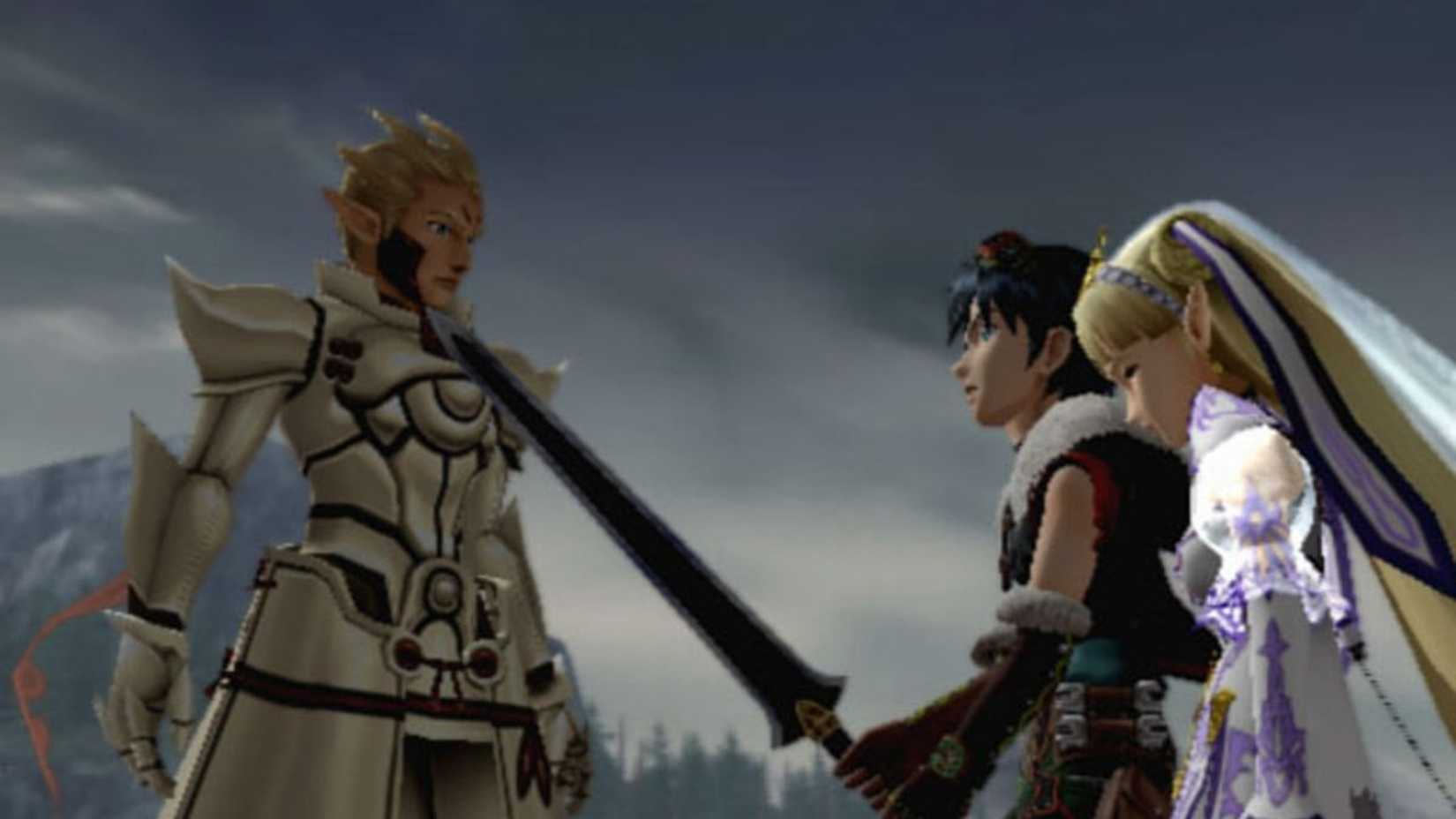
7. Suikoden III
Konami’s recent efforts to remaster Suikoden I and II were met with universal acclaim, proving that there is a massive appetite for the series. However, the absence of Suikoden III leaves a gaping hole in the narrative continuity of the series.
Suikoden III was a bold departure, utilizing a complex, multi-perspective narrative structure that was lightyears ahead of its time. While the transition from 2D sprites to early 3D models can be jarring for modern players, the writing and political intrigue are timeless. A GOG release would allow the game to stand on its own merits, unburdened by the need for a full visual overhaul.
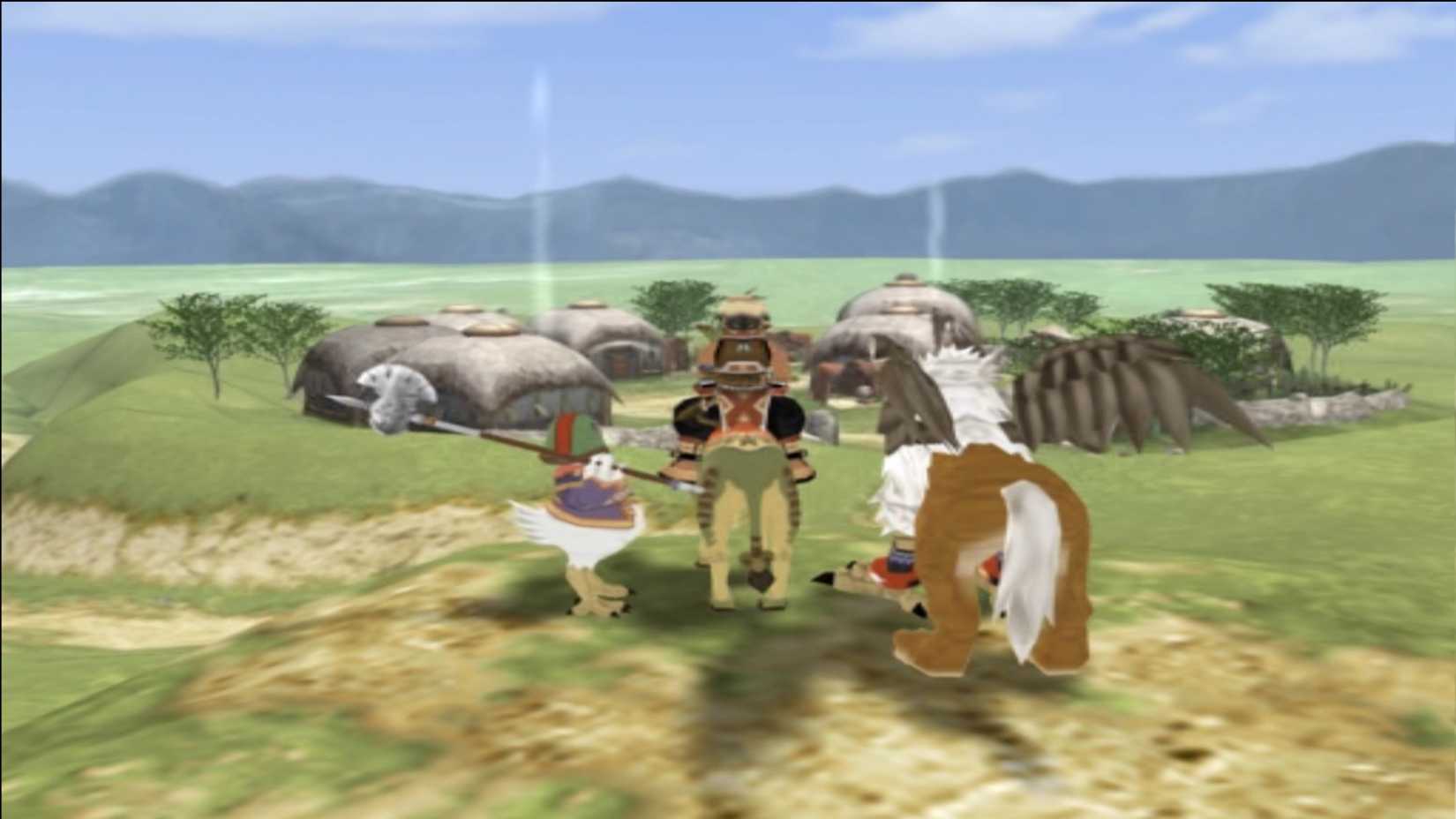
6. Eternal Sonata
Eternal Sonata is arguably the definitive "hidden gem" of the PS3/Xbox 360 era. Centered around the life and music of Frédéric Chopin, the game is a beautiful, surreal journey that blends classical music with a unique tactical combat system.
Despite its brilliance, it has fallen into obscurity. Because it was never ported to modern consoles or PC, it is essentially a relic. Preserving Eternal Sonata is an act of cultural importance; it is a game that marries high art with interactive entertainment in a way that remains entirely unique in the gaming landscape.
5. Shadow Hearts
With the recent industry-wide conversation regarding innovation in turn-based combat, Shadow Hearts stands as a reminder that the genre was innovating long before modern titles claimed the mantle. Its "Judgment Ring" mechanic—a real-time, timed-input system—turned every battle into a test of precision and nerves.
Beyond its mechanics, its dark, alternate-history aesthetic remains incredibly compelling. With the planned spiritual successor Penny Blood still in development, there is no better time to bring the original Shadow Hearts to a new audience. It is a masterpiece of horror-RPG design.
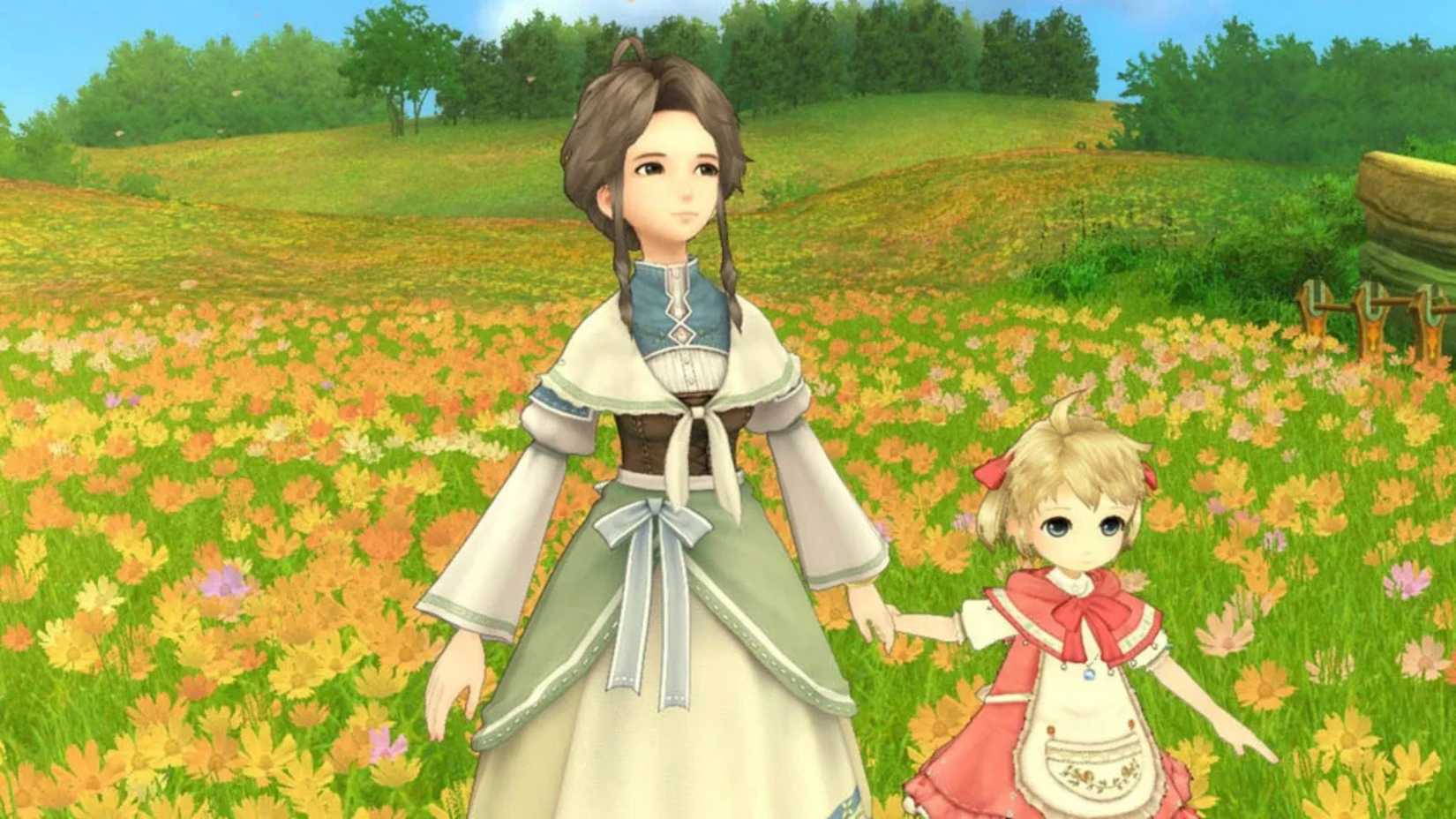
4. Parasite Eve
Parasite Eve is a strange, wonderful anomaly: an action-RPG horror game set in a grounded, realistic New York City. Its ATB-based combat, combined with body-horror elements and a mature, cinematic tone, made it a standout title for the original PlayStation.
The game’s difficulty and dark themes were a shock to the system for many young players, but they also created a deep, lasting connection. Aya Brea is a legendary protagonist, and the fact that her debut adventure is inaccessible to modern gamers is a travesty of preservation.
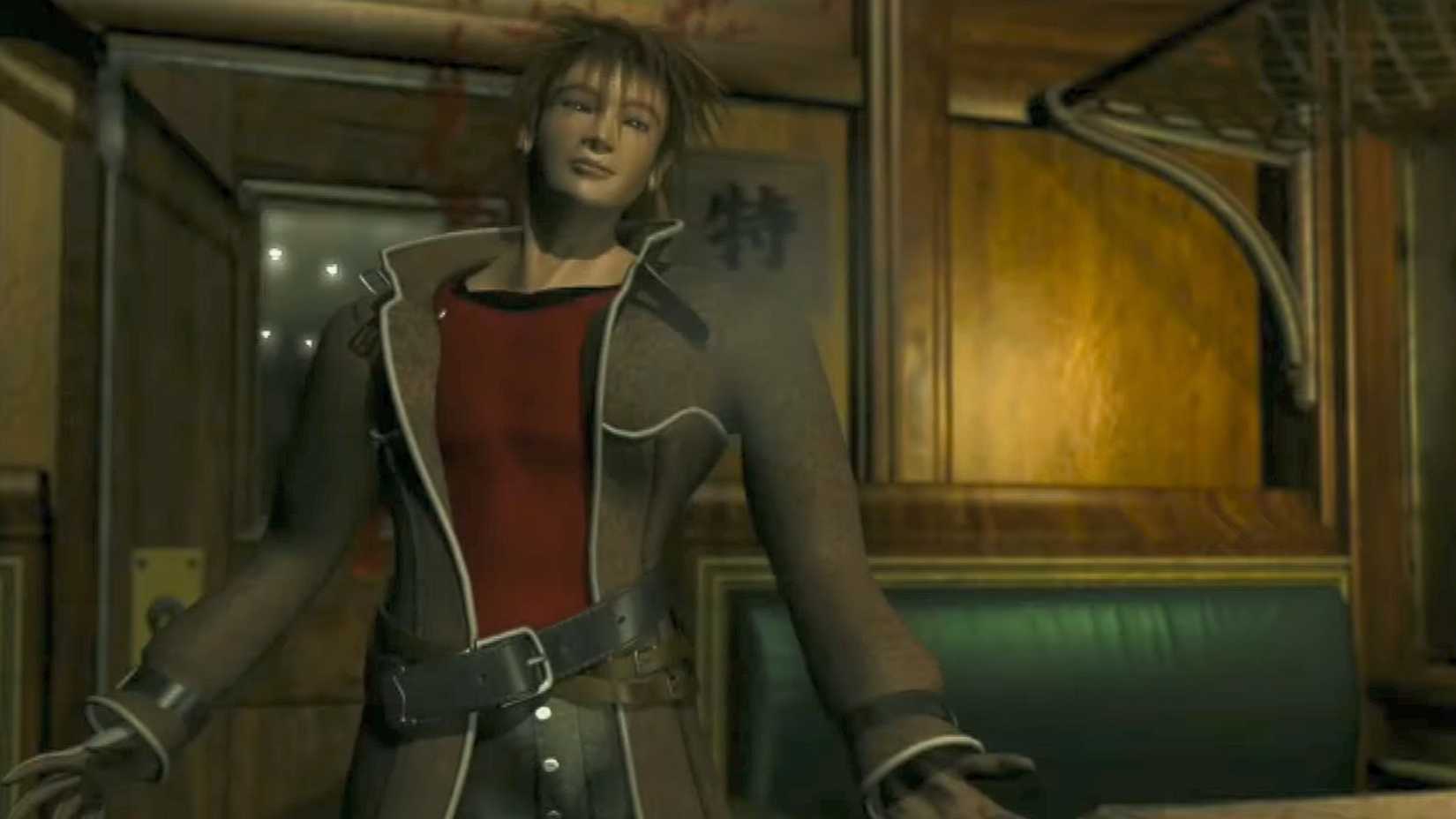
3. Dragon Quest (1986)
The Dragon Quest series is the bedrock upon which the entire JRPG genre was built. While recent HD-2D remakes have brought the Erdrick Trilogy to life, the original 8-bit NES version remains locked in the past.
There is a distinct, minimalist beauty to the original 1986 release that cannot be fully replicated by modern remakes. For students of game design and long-time fans alike, having access to the original source material on a platform like GOG is essential for historical context.
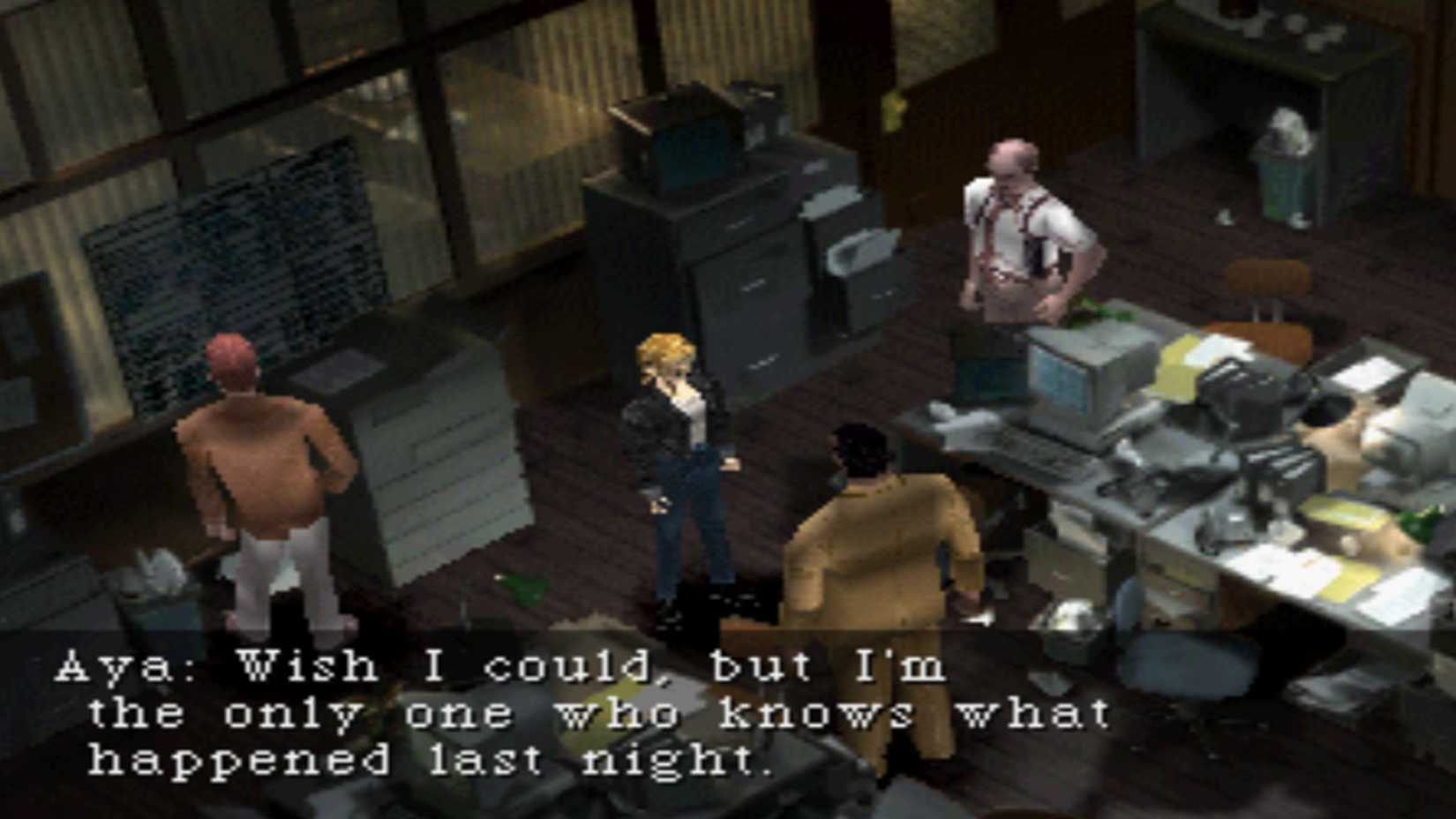
2. Xenogears
Xenogears is widely considered one of the greatest RPG narratives ever written. Its exploration of Jungian psychology, religion, and philosophy, set against the backdrop of a sprawling mecha-drama, remains unmatched.
While its second disc is famously rushed, the game as a whole remains a monumental achievement. With over 10,000 votes on the GOG Dreamlist, the demand is clear. A digital release would not only satisfy current fans but would also serve as a gateway to the broader Xeno universe, potentially paving the way for the Xenosaga trilogy to follow.
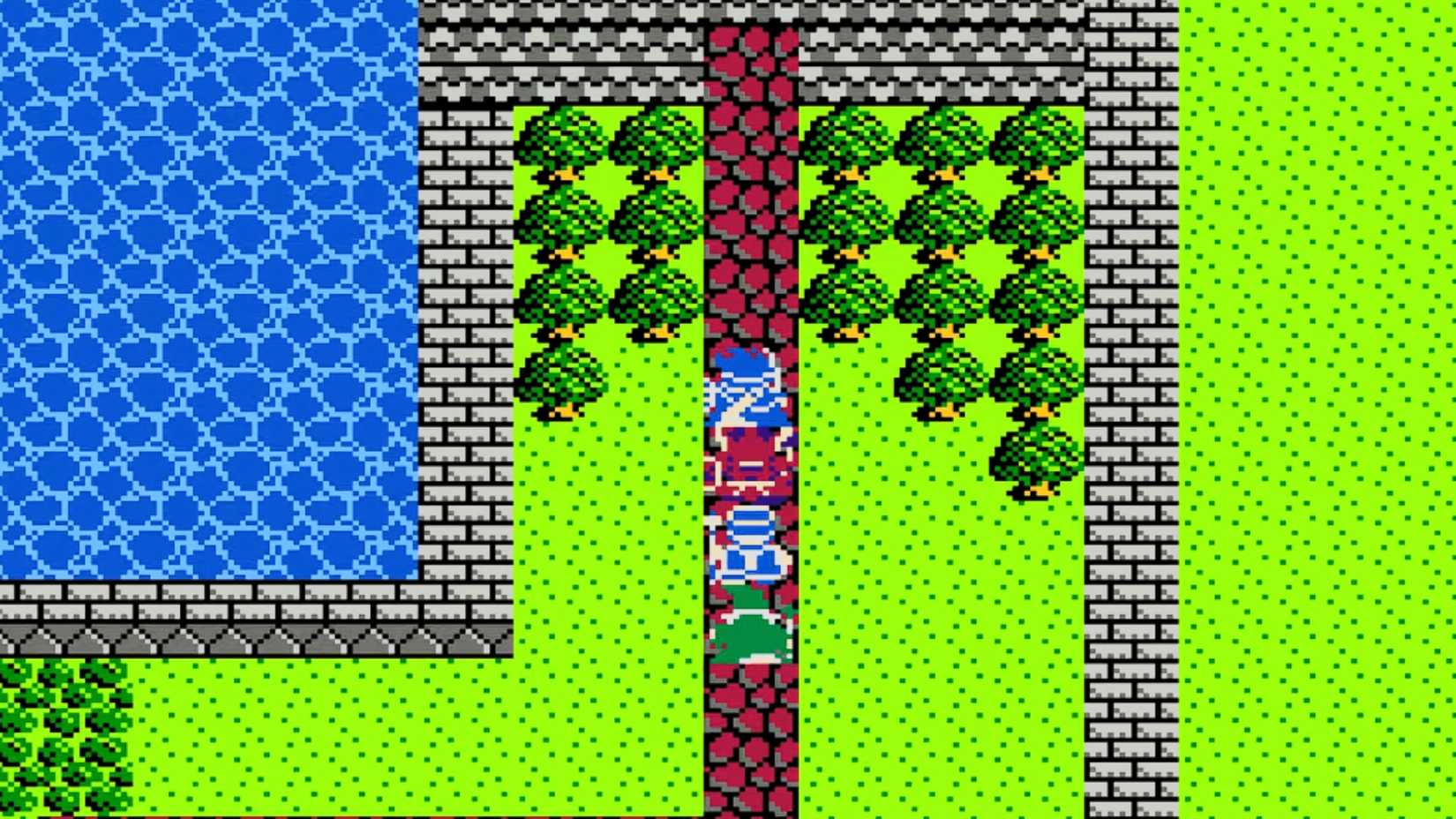
1. Breath of Fire III
If there is one game that defines the "lost" era of JRPGs, it is Breath of Fire III. From its gorgeous, expressive pixel art to its complex dragon-transformation system and unforgettable soundtrack, it is a masterpiece that has aged with grace.
The dream scenario is simple: a successful digital release of Breath of Fire IV followed by the long-overdue return of III. By bringing these titles to GOG and Steam, Capcom could easily gauge interest for a definitive collection. For this writer, Breath of Fire III is the pinnacle of the genre—a game that deserves to be played by every RPG fan, regardless of their hardware preference.
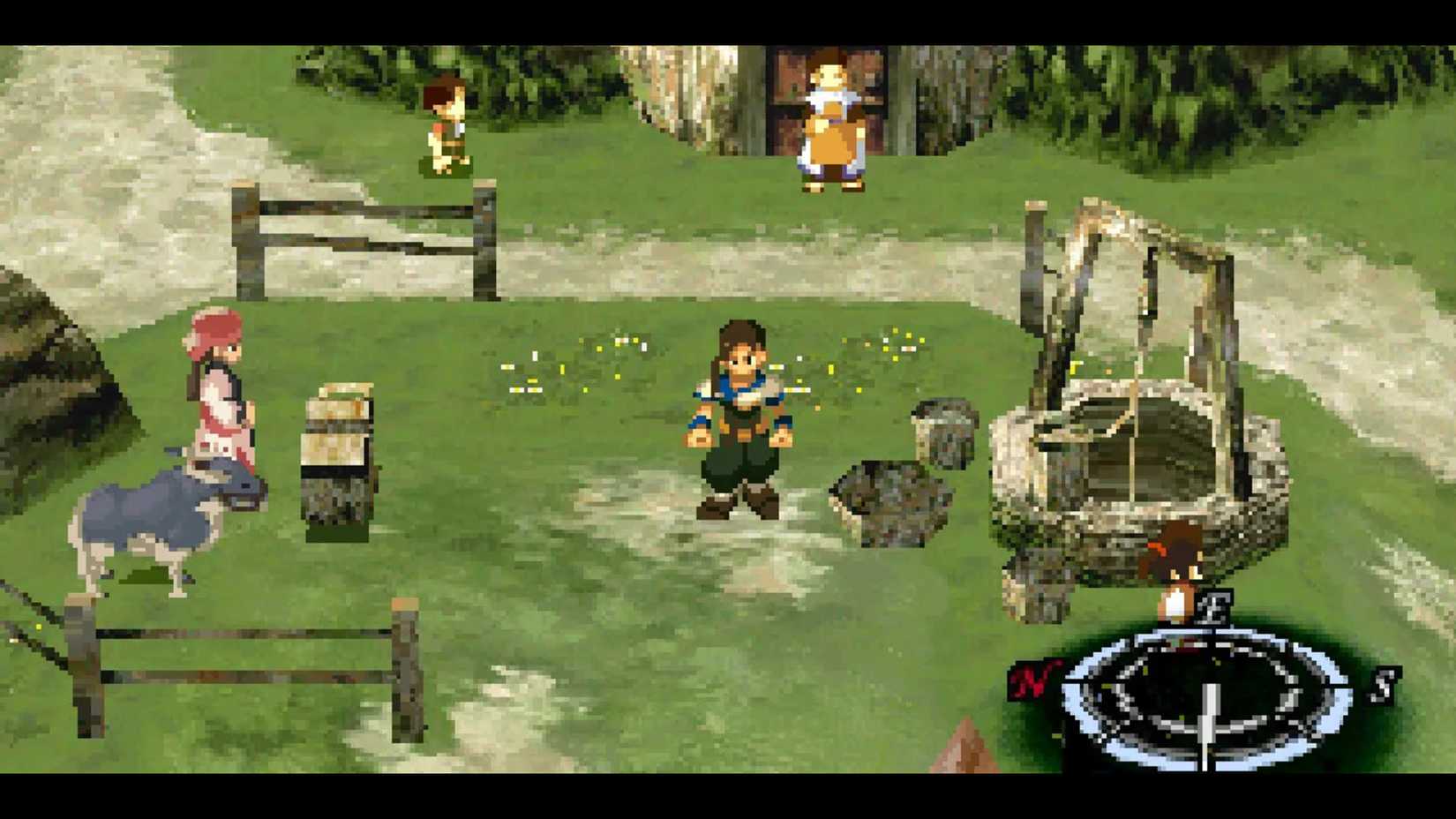
Conclusion: The Path Forward
The desire for these titles is not merely about playing "old games." It is about ensuring that the history of the medium remains intact. When we advocate for these games on the GOG Dreamlist, we are not just asking for a product; we are asking for a seat at the table of modern gaming.
The technology to emulate and distribute these classics exists. The demand is proven by the community’s engagement. Now, the burden lies with the publishers to listen. By unlocking these titles, we don’t just revisit the past—we enrich the future of the genre by ensuring that the classics remain part of the conversation.


 Laily UPN
 Nila Kartika Wati