

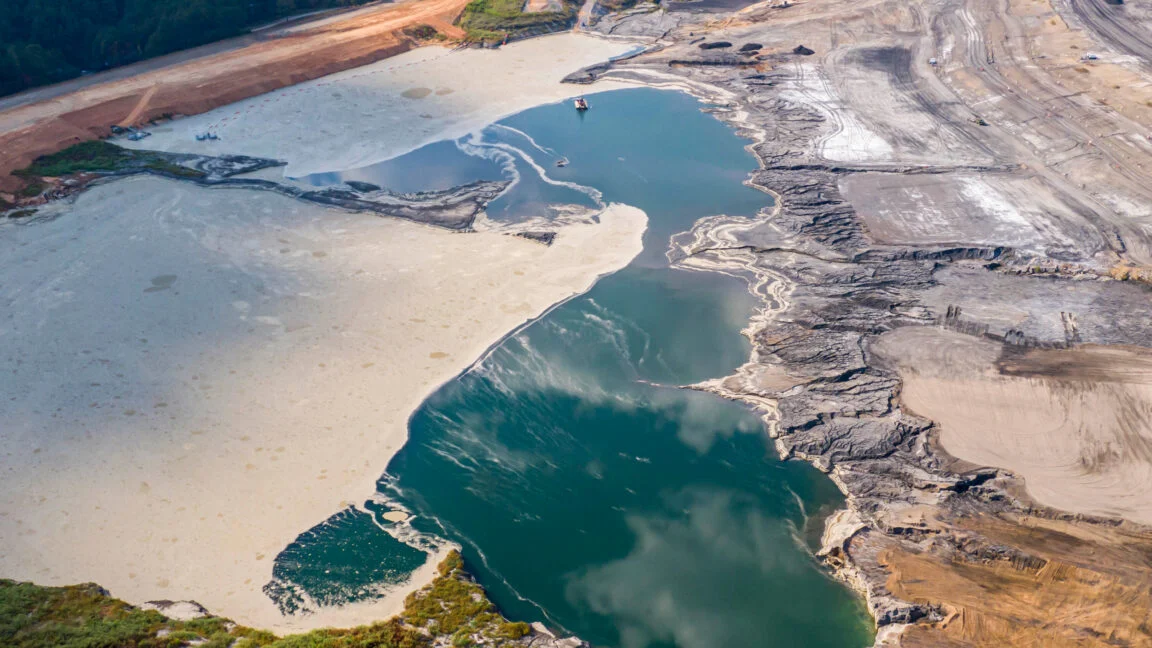
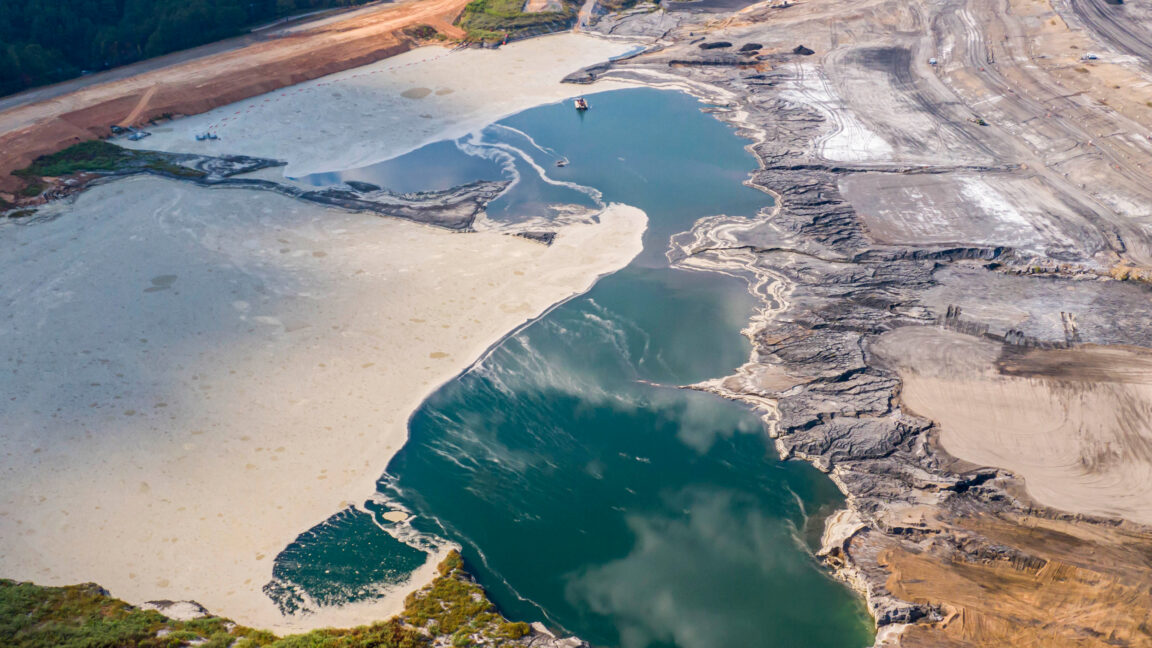
For over a decade, environmental advocates and researchers have sounded an alarm that is only growing louder: the byproduct of coal-fired electricity—coal ash—is no longer a localized industrial concern but a pervasive public health crisis. As the climate warms, bringing more frequent and intense hurricanes and catastrophic rainfall, the containment structures designed to hold this toxic waste are failing. For the families living in the shadow of these massive, aging dumps, the discovery of cancer clusters has become a harrowing, recurring reality that defies statistical explanation.
The debate over the regulation of coal ash—a substance laden with arsenic, lead, mercury, and other heavy metals—has reached a fever pitch. As the Environmental Protection Agency (EPA) faces pressure to either tighten oversight or allow for regulatory rollbacks, the voices of those living on the frontlines of this contamination have become impossible to ignore.
The Human Cost: A Legacy of Neglect
Cassel, an environmental advocate who has spent 15 years fighting to protect communities from coal ash pollution, argues that the current regulatory framework is fundamentally broken. "EPA, you know the record," she stated during a recent briefing. "You made the record."
The "record" she refers to is a history of containment failures, regulatory negligence, and the persistent health disparities found in fence-line communities. For those living near coal ash ponds, the health impacts are not abstract; they are deeply personal. Residents report cancer rates that they describe as impossible to ignore, fostering a collective realization that their environment is fundamentally compromised. "This cannot be normal," is the phrase repeated by residents who have watched neighbors and family members succumb to illnesses that seem linked to the toxic dust settling on their homes, gardens, and playgrounds.
The Neurobiological Crisis: Coal Ash and Childhood Development
The threat posed by coal ash is perhaps most acute for the nation’s children. Kristina Zierold, a professor at the University of Mississippi, has spent over a decade researching the specific health impacts of coal ash exposure on the pediatric population.
Beginning in 2011, Zierold’s research culminated in a 2015 study funded by the National Institutes of Health, which specifically investigated the neurobiological health of children aged 6 to 14 living near coal ash sites. Using air pollution monitoring and dust sampling inside family homes, Zierold’s team established a harrowing correlation: children exposed to coal ash are significantly more likely to suffer from clinical depression and demonstrate lower academic performance compared to their peers.
The implications of these findings are long-term and systemic. "If a child performs poorly in school, that can have cascading effects through adulthood," Zierold explains. The mental health toll is particularly concerning, with exposure contributing to poor social interaction and, in extreme cases, suicidal ideation.
"Do you want your children playing on coal ash in parks and playgrounds?" Zierold asked, highlighting the absurdity of the current landscape. "Do you want them breathing it in and ingesting it? I don’t."
Chronology of a Disaster: The Kingston Legacy
To understand the urgency of the current regulatory debate, one must look back at the 2008 Kingston Fossil Plant coal ash spill—a disaster that remains a scar on the American industrial record. Brianna Knisley, director of public power campaigns at Appalachian Voices, identifies the Kingston incident as a definitive failure of oversight.
When the containment dike failed at the Tennessee Valley Authority (TVA) facility, it released over a billion gallons of coal ash slurry, burying hundreds of acres of land. The cleanup effort, however, proved as tragic as the spill itself. Approximately 900 workers were recruited to remediate the site, often without adequate protective gear. According to Knisley, these workers were frequently told the ash was safe enough to eat. In the years since, hundreds of those workers have fallen ill, and dozens have died from conditions linked to their exposure to the toxic sludge.
The Kingston disaster serves as a cautionary tale for what occurs when federal regulators delegate oversight to state agencies and the utilities themselves. As Knisley notes, the lack of a centralized, robust federal standard creates a patchwork of safety that leaves communities vulnerable.
Sacrifice Zones and Regulatory Loopholes
Angie Mummaw, an organizer with Appalachian Voices who resides near the Cumberland Fossil Plant in Tennessee, embodies the frustration of thousands of Americans living in what she calls "sacrifice zones." These are areas where industrial interests are prioritized over the health and well-being of local populations.
"I’m tired of communities like ours being treated as sacrifice zones," Mummaw said. She notes that rather than investing in clean-up technology or sustainable waste disposal, the coal industry is actively lobbying for permanent regulatory loopholes.
Knisley’s field observations confirm the extent of the negligence. She has personally documented instances where coal ash was repurposed as fill material for children’s ball fields and has witnessed TVA waste piles sitting exposed behind public playgrounds. Without a physical barrier or containment, the wind carries the toxic particulates directly into the lungs of children.
Supporting Data and The Role of the EPA
The data regarding coal ash is clear: it contains a cocktail of toxic chemicals that, when ingested or inhaled, are known carcinogens and neurotoxins. Despite this, the management of coal ash remains a contentious political issue.
The EPA’s role in this crisis is twofold: oversight and enforcement. Critics argue that the agency has historically allowed utility companies to self-monitor, a strategy that has proven disastrous. In the wake of climate change, the risk profile of these storage sites has shifted. As hurricanes become more frequent and rainfall intensity increases, old, unlined ponds that were once deemed "stable" are now prone to saturation and catastrophic breach.
When asked for comment on the current allegations and the specific issues at the Cumberland Fossil Plant, the Tennessee Valley Authority did not provide an immediate response. This silence is emblematic of a broader trend where utilities and government entities rely on a lack of transparency to avoid the costs of comprehensive remediation.
Implications: A Call for Federal Action
The current trajectory, according to advocates like Knisley, leads only to more illness and more industrial disaster. "This is coal ash management without strong federal regulation and enforcement," she warned. "States and utilities are not going to keep communities safe."
The implications of failing to act are profound. If the regulatory rollbacks proposed by industry lobbyists succeed, the burden of disease will continue to fall disproportionately on low-income and rural communities. The science is no longer a matter of debate—the neurobehavioral impacts on children, the rise in cancer, and the environmental degradation are documented realities.
The path forward requires a transition from the current "self-regulation" model to one defined by strict, federally enforced standards. This includes:
- Mandatory Liner Requirements: All coal ash ponds must be fully lined to prevent groundwater leaching.
- Real-time Air Monitoring: Communities living near storage sites deserve transparent, real-time data on air quality.
- Accountability for Past Harms: Providing medical support and compensation for the workers and residents whose health has been irreparably damaged by past negligence.
- Permanent Removal: Moving away from the "containment" philosophy toward the permanent, safe removal of ash from the environment.
As climate change continues to stress our aging infrastructure, the clock is ticking. The "sacrifice zones" of today could easily become the next national disaster of tomorrow if the regulatory environment does not shift to prioritize human life over the convenience of the coal industry.
The testimony of residents like Angie Mummaw and the research of experts like Dr. Zierold make one thing clear: the status quo is a form of violence against the American public. The EPA stands at a crossroads, and for the families living in the shadow of coal ash, the choice is between continued neglect and the long-overdue protection of their most basic human right: the right to a clean, safe, and healthy home.
This article originally appeared on Inside Climate News, a nonprofit, non-partisan news organization that covers climate, energy, and the environment.












No comments yet. Be the first to join the conversation!