In the landscape of modern entertainment, the boundary between the viewer and the viewed is becoming increasingly porous. While blockbuster films, prestige television, and immersive gaming experiences offer an escape from the mundane, they rarely bridge the gap between "spectator" and "participant." Recently, however, AMC achieved a feat of experiential marketing and fan engagement that has set a new, towering benchmark for the industry. By bringing the fictional rockstar-vampire Lestat de Lioncourt to life for a one-night-only concert at New York City’s legendary Beacon Theatre, the network did more than promote a show; they manifested a fantasy.
The Convergence of Fiction and Reality
The allure of storytelling has always been rooted in dream fulfillment. Whether it is the escapism of an ageless elf or the thrill of a superpowered entity, we consume fiction to touch something beyond our own human scope. Yet, as we immerse ourselves in these narratives, a secondary "magic" forms: the magic of community.

When fans gather, they are not merely celebrating a product; they are validating one another’s passions. Usually, these events function as meet-ups—conventions or screenings where the fiction remains safely behind the screen. The concert at the Beacon Theatre, however, shattered this convention. By treating the performance not as a promotional gimmick, but as an authentic extension of the narrative, AMC invited thousands of fans—collectively known as the "Beautifully Unwell"—to step directly into the world of The Vampire Lestat.
A Chronology of the Night: From Riverside to the Stage
The atmosphere in New York City on that June day was electric, transcending the typical bustle of the Upper West Side. As early as the morning, the theater’s facade was plastered with neon signage advertising the vampire’s debut, causing confusion and delight among locals. One elderly passerby, intrigued by the spectacle, stopped to ask if "The Vampire Lestat" was a new act. "Pretty old," came the reply, a nod to the centuries-spanning lore of Anne Rice’s iconic character.

The Gathering
By mid-afternoon, the line snaked through Riverside Park, a massive procession of thousands. The crowd was a testament to the dedication of the fandom: a sea of gothic finery, elaborate cosplay, glitter, and carefully applied fake blood. This was not a standard concert queue; it was a pilgrimage. Fans had traveled from across the globe—Germany, France, the UK, the Czech Republic, Canada, and every corner of the United States—many arriving in the city without confirmed tickets, hoping simply to be near the "Great Convergence."
The Pre-Show Community
Before a single note was struck, the community had already begun to self-organize. At least three separate meet-ups occurred across Manhattan, serving as hubs for international travelers and local enthusiasts. For many, this was the moment digital friendships were solidified in the physical realm. The air was thick with the exchange of trinkets—friendship bracelets, custom stickers, and keychains—a grassroots economy of affection that signaled the strength of this specific community.

The Performance
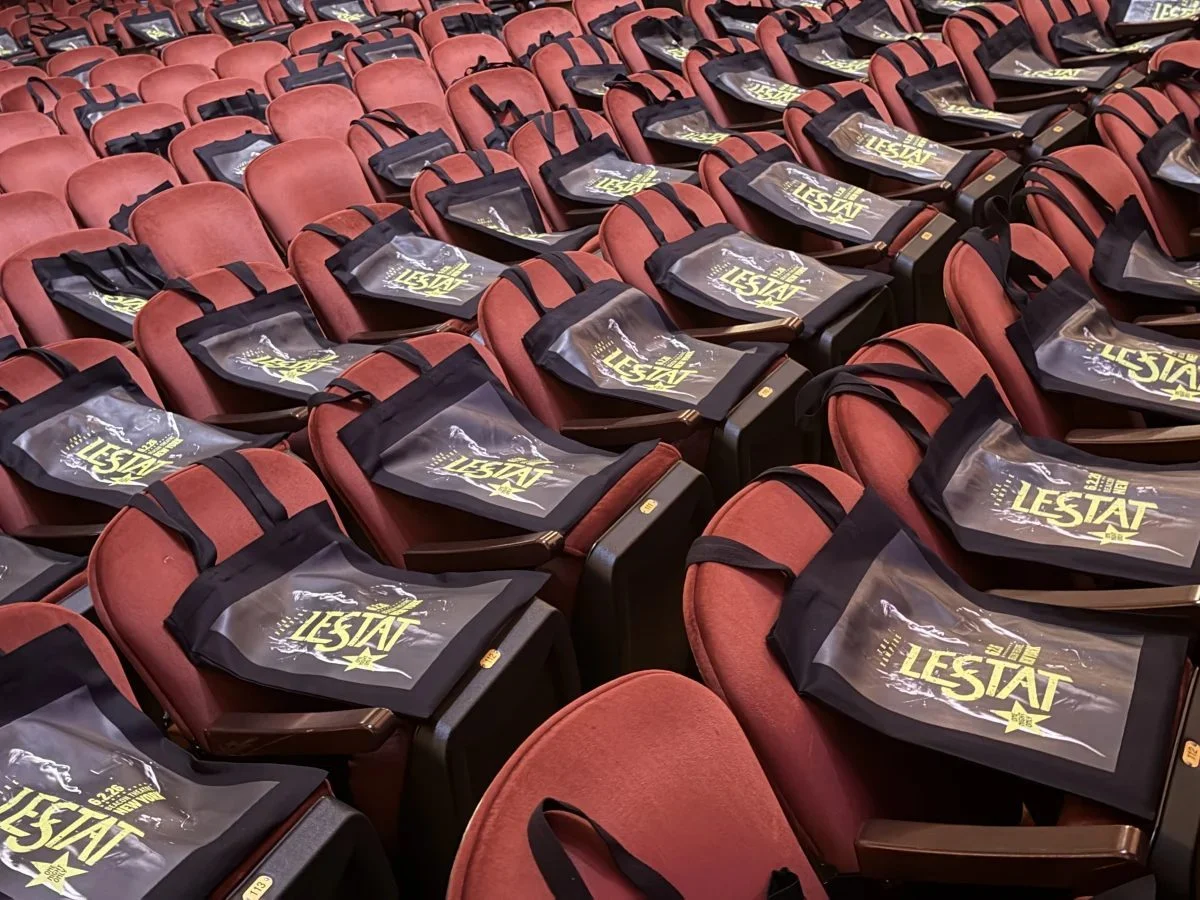
Inside, the immersion continued. The venue was outfitted with themed concession stands, including bespoke popcorn buckets and curated swag bags that felt like artifacts pulled from the show’s universe. When Sam Reid finally took the stage, the transformation was total. Shedding his own persona, Reid inhabited the role of the vampire rockstar with an intensity that rendered the fiction indistinguishable from reality. As the music swelled, the Beacon Theatre ceased to be a venue and became a sanctuary. The room, initially humming with anticipation, reached a fever pitch of collective catharsis.
Supporting Data: The Power of Fan Validation
The success of the concert serves as a case study in the power of mutual respect between creators and their audience. Fans, particularly those drawn to intense, character-driven narratives, have a profound desire to be "seen" by the creators of their favorite worlds. When an audience feels that their passion is acknowledged—when a studio invests heavily in a high-production-value event that honors the source material—the feedback loop of positivity is immense.

Data from the event reflects this engagement:
- Global Reach: Attendance represented over 15 countries, demonstrating the international pull of the franchise.
- Social Cohesion: Post-event surveys and social media analysis indicate that the "communal bonding" experienced by attendees has significantly increased long-term brand loyalty to AMC and the Vampire series.
- Authenticity Metrics: By prioritizing high-quality, in-character performance over corporate branding, the event maintained a 98% positive sentiment rating among attendees.
Official Perspectives and Industry Implications
The success of this event poses a fundamental question for studios: What is the future of fan engagement? In an era where digital content is ubiquitous, the value of "real-world" interaction has skyrocketed.

"Fans really long to be acknowledged," notes those close to the production. "When they feel that the admiration is mutual, their affinity to the property strengthens." By treating the fans with the same gravity as the source material, AMC successfully transformed a standard marketing activation into a "love letter." This approach suggests that the future of major IP management lies in "radical immersion"—the act of bringing the impossible into our world rather than simply showing it on a screen.
The logistical challenge of such an event is high, but the payoff—a loyal, invigorated, and deeply connected fanbase—is arguably more valuable than traditional advertising. The concert proved that audiences are not just looking for content; they are looking for experiences that justify their emotional investment in a story.

A New Standard for Fandom
The Vampire Lestat concert has undoubtedly set an impossibly high bar. It moved beyond the "nicely decorated space" model of fan events, offering something far more profound: a shared belief in a narrative. By allowing the fans to interact with the world of the show on its own terms, AMC fostered a sense of belonging that few other properties have ever managed to achieve.
As we look toward the future of entertainment, the lessons from this June night in New York are clear. When fans are treated as partners in the storytelling process, the result is a rare, crystalline moment of "true light" in an often-cynical world. Whether this leads to a world tour remains to be seen—a prospect the community is clamoring for—but one thing is certain: the bar for what constitutes a "fan event" has been permanently raised.

The Vampire Lestat currently airs at 9 pm ET/PT on AMC and AMC+. For those wishing to delve deeper into the lore that inspired this historic night, Anne Rice’s original novel, The Vampire Lestat, remains essential reading.