

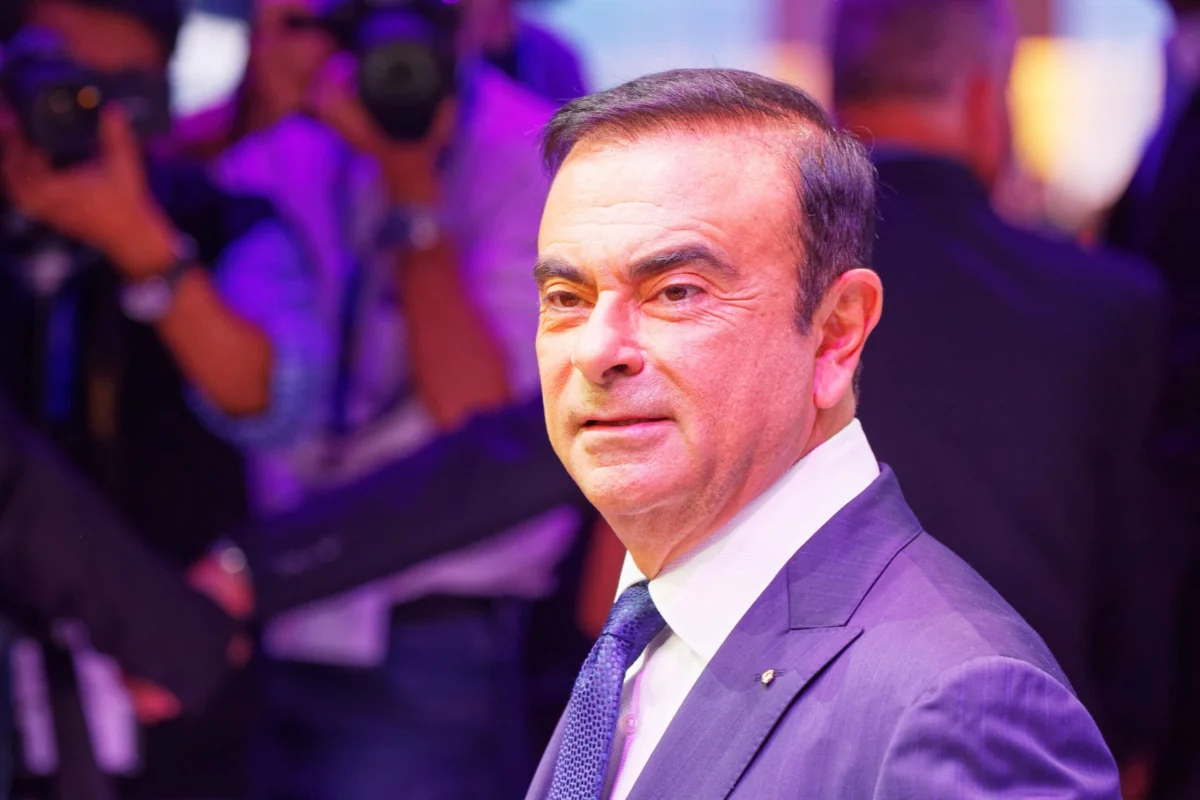
In a development that feels plucked from the script of a high-stakes corporate thriller, the specter of former Nissan CEO Carlos Ghosn has once again cast a long shadow over the Japanese automotive giant. As Nissan struggles with declining market performance and mounting shareholder frustration, the man who once rescued the company from the brink of insolvency has emerged from his Lebanese exile to suggest that he is the only person capable of fixing the current mess.
The irony is palpable. Seven years after a cinematic escape from Tokyo that humiliated the Japanese justice system, Ghosn—now a fugitive—is being whispered about in boardrooms and shareholder meetings as a potential savior. While the logistics of such a return are virtually impossible, the mere fact that his name is being floated serves as a scathing indictment of Nissan’s current trajectory.
A Chronology of Chaos: From Savior to Fugitive
To understand the absurdity of the current situation, one must look back at the tumultuous history of the Ghosn era and the events that triggered his departure.
The Rise and Fall (1999–2018)
Carlos Ghosn arrived at Nissan in 1999, sent by Renault to oversee the "Nissan Revival Plan." At the time, the Japanese automaker was burdened by massive debt and outdated production models. Ghosn’s aggressive restructuring, which included closing factories and slashing supply chain costs, earned him the moniker "Le Cost Killer." He transformed the company into a global powerhouse, and for nearly two decades, he was treated as a corporate deity in Japan.
However, the tide turned in November 2018. Ghosn was arrested in Tokyo on allegations of under-reporting his compensation and misusing corporate assets. What followed was a prolonged period of legal detention and house arrest that stretched into 2019, drawing international condemnation regarding Japan’s "hostage justice" system.
The Great Escape (December 2019)
On the evening of December 30, 2019, as the Japanese public prepared for New Year’s festivities, Ghosn executed a daring escape. With the assistance of a team led by a former U.S. Special Forces operative, Ghosn bypassed Japanese security, famously reportedly hiding in an audio equipment case to board a private jet bound for Beirut, Lebanon. Since then, he has remained beyond the reach of Japanese extradition, maintaining his innocence and claiming his arrest was a orchestrated coup by Nissan executives wary of his influence.
The 2026 Shareholder Uprising
The current climate at Nissan is one of profound dissatisfaction. On June 23, 2026, the company’s annual shareholder meeting turned into a referendum on the current management’s performance. Motoo Nagai, an outside director and a central figure in the 2018 efforts to oust Ghosn, was denied reappointment in a surprise vote. The rejection of Nagai signaled that shareholders are no longer willing to tolerate the status quo. In the hallways of the meeting, some investors went as far as suggesting that Nissan should bring back the very man they had spent years trying to erase from the company’s history.
The Case for the "Father of the Year"
When news of the shareholder frustration reached Ghosn in Lebanon, he did not shy away from the spotlight. In a subsequent interview with Reuters, he painted a grim picture of Nissan’s current standing.
"Nissan is in an emergency situation," Ghosn stated. "Tough decisions have to be made."
When directly asked if he would consider returning to steer the ship, Ghosn was characteristically confident. "If there is one person or one profile today who can make it happen, it’s mine. I’m not saying it because I’m arrogant. I’m saying it because of the facts. I’ve done it already once."
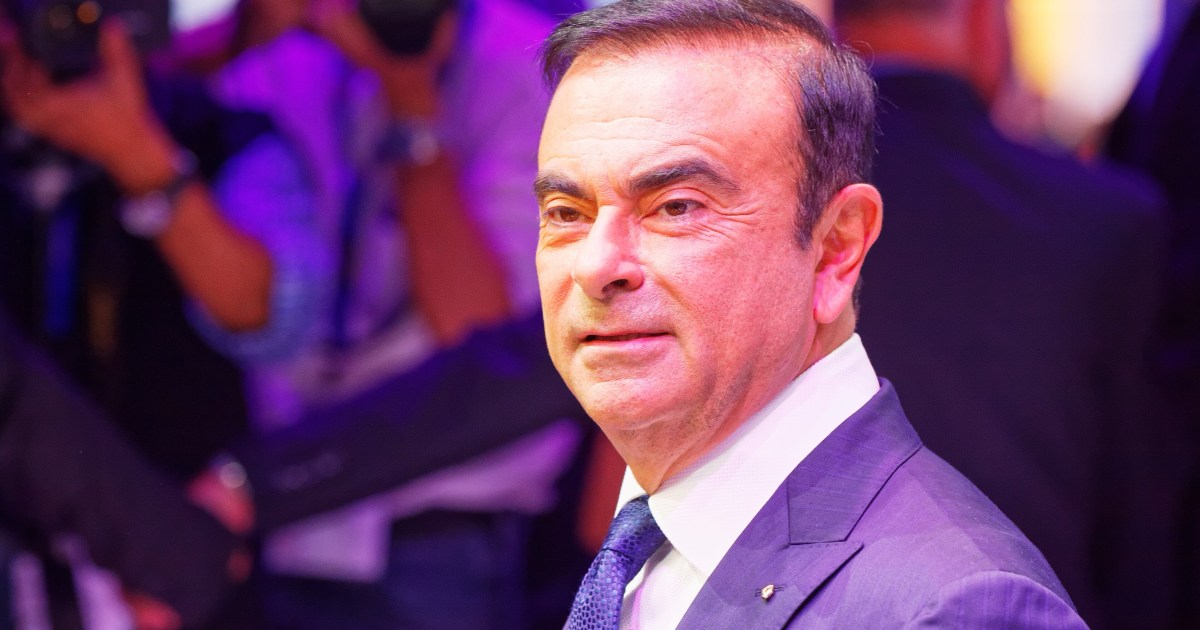
His argument rests on the historical reality of 1999. His supporters point to the iconic Nissan GT-R and other prestige models that flourished under his leadership, arguing that the company has lost its "soul" and competitive edge by chasing volume over brand prestige. To his fans, Ghosn is a visionary who was betrayed by a company that grew jealous of his power; to his detractors, he is an opportunistic executive who prioritized short-term financial gains at the expense of long-term corporate health.
The Legal and Logistical Impenetrability
While the narrative of a "return of the king" makes for compelling headlines, the reality of global law and corporate governance renders it virtually impossible.
The Legal Quagmire
Ghosn remains a wanted man in Japan. Should he step foot in the country, he would be immediately taken back into custody to face the charges that he fled in 2019. Beyond Japan, he faces legal scrutiny in France regarding separate allegations of financial misconduct.
The Regulatory Blockade
Even if he were to be legally cleared in both jurisdictions, there is the matter of the U.S. Securities and Exchange Commission (SEC). In 2019, Ghosn reached a settlement with the SEC that included a 10-year ban on him serving as an officer or director of any publicly traded company in the United States. While this does not explicitly forbid him from running a Japanese firm, it would create an insurmountable barrier for any global automotive company that relies on U.S. markets for its primary revenue. Investors would flee, and institutional partners would likely sever ties immediately to avoid regulatory contagion.
Implications for Nissan’s Future
The "Ghosn revival" rumors are less about the man himself and more about a cry for help from a disillusioned investor base. Nissan’s post-Ghosn era has been defined by internal power struggles, sluggish innovation, and a failure to capture the market share of the burgeoning electric vehicle sector.
The Internal Culture Crisis
The rejection of Motoo Nagai shows that the "clean-up crew"—the executives who rose to power by removing Ghosn—are now facing the same scrutiny they once applied to him. Shareholders feel that the current leadership has failed to replace the visionary, albeit controversial, direction that Ghosn provided.
The Strategic Vacuum
Nissan is currently caught in a transition that lacks a clear identity. The company has moved away from the "high-volume" strategy, but it has not successfully pivoted to a sustainable model that balances profitability with brand prestige. By pinning their hopes—however jokingly—on Ghosn, shareholders are expressing a desire for a strong, singular leader who is willing to make "tough decisions" without being hampered by the bureaucracy that currently defines Nissan’s board.
Conclusion: A Fantasy of Accountability
Ultimately, the prospect of Carlos Ghosn returning to Nissan is a fantasy—a symptom of corporate desperation rather than a viable business strategy. The Japanese public, largely disillusioned by his escape, views the prospect with a mix of cynical humor and indignation. Online sentiment in Japan suggests that while people acknowledge the company’s failures, they are not keen on welcoming back a man who effectively mocked their legal system.
However, the discourse surrounding his possible return serves as a warning to Nissan’s current leadership. When your shareholders are fantasizing about the return of a fugitive who once led your company, it is an undeniable signal that the current management has failed to provide a compelling vision for the future.
Nissan may not be moving its headquarters to Lebanon, and it is highly unlikely that we will see a repeat of the 1999 rescue. But until the company can articulate a strategy that excites its investors as much as the memory of the "Ghosn era" seems to, the ghost of the former CEO will continue to haunt every boardroom meeting, serving as a reminder of a time when the company was, for better or worse, undeniably relevant.











