Nana
Nana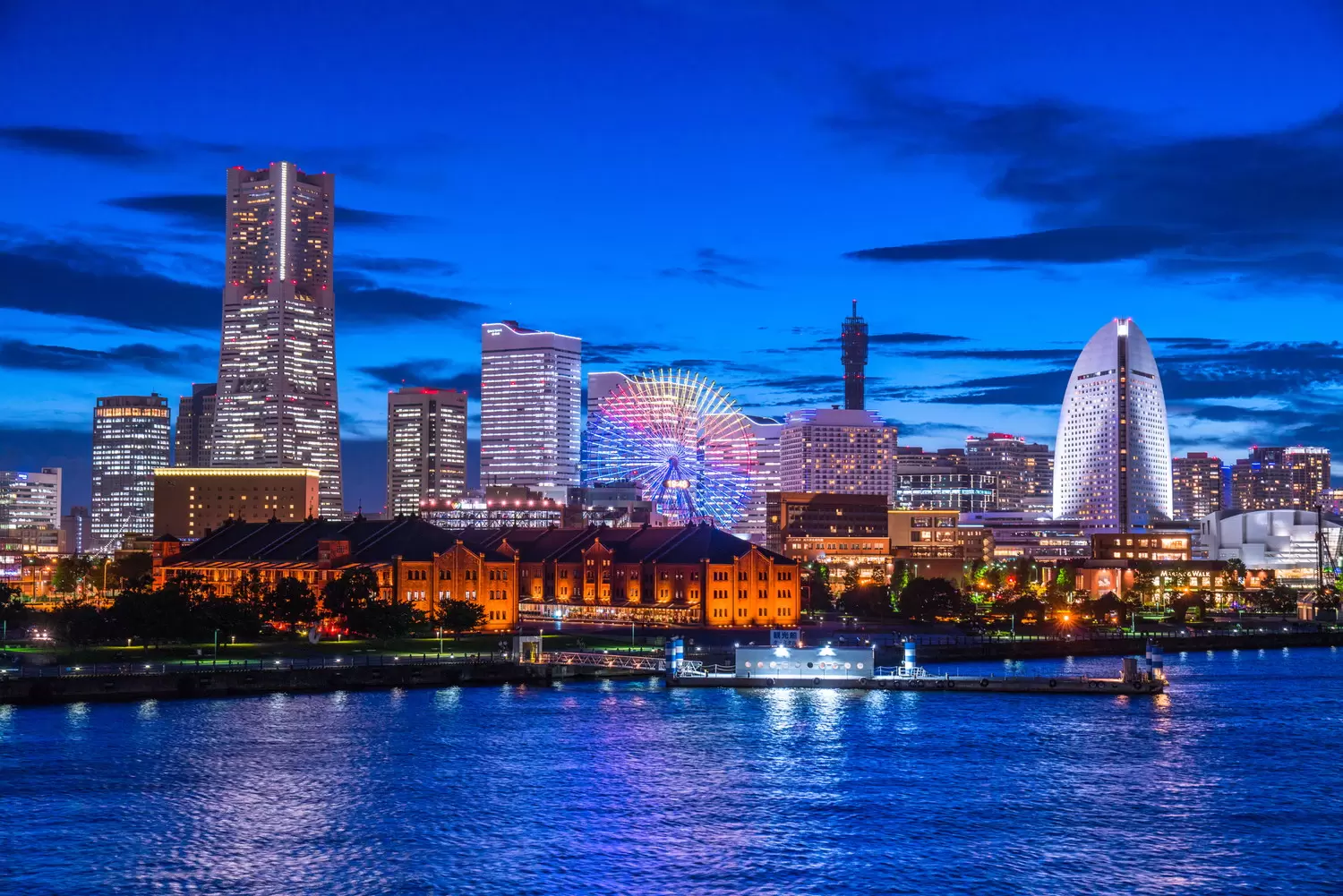
Yokohama, Japan’s second-largest city, serves as a glittering testament to the nation’s modernization, maritime heritage, and future-forward urban planning. At the heart of this transformation lies the Minatomirai 21 district—a sprawling waterfront area defined by its iconic Ferris wheel, high-rise skyscrapers, and the shimmering reflection of the Pacific Ocean. As travelers increasingly seek bases that offer both the thrill of metropolitan energy and the tranquility of a coastal retreat, Yokohama’s hotel landscape has evolved into a premier destination for luxury, business, and leisure.
Main Facts: The Appeal of the Port City
The Minatomirai district is not merely a collection of buildings; it is a meticulously curated urban landscape. Visitors choosing to stay in this area benefit from unparalleled access to the Tokyo metropolitan circuit while enjoying a distinct, laid-back coastal atmosphere.
For the international traveler, Yokohama serves as a strategic gateway. With high-speed rail links and efficient bus services to Haneda Airport, the city functions as a seamless entry point to Japan. Furthermore, its proximity to cultural hubs like Kamakura—the ancient capital—and the hot springs of Atami makes it an ideal "hub-and-spoke" base for exploring the Kanagawa Prefecture. Whether one is celebrating a landmark anniversary or navigating a high-stakes business trip, the hotels in this district offer a diverse range of experiences, from historic, brick-accented boutique rooms to cloud-piercing luxury suites.
A Chronological Evolution: From Port to Premier Destination
Yokohama’s identity is deeply rooted in its history as the first port to open to international trade in 1859. The architectural evolution of the city reflects this transition.

- 19th Century Origins: The area around Nihon-odori and Yamashita Park retains the historic, maritime aesthetic of the Meiji era, characterized by Western-influenced architecture and red-brick warehouses.
- The Late 20th Century Shift: The "Minatomirai 21" project was officially launched in the 1980s, shifting the city’s industrial focus toward commercial, residential, and tourism development.
- The Modern Era: Since 2020, the district has seen an influx of premium "lifestyle hotels" that cater to the "bleisure" (business and leisure) traveler. Hotels like OMO5 and Mitsui Garden represent the current trend of integrating smart-home technology with high-rise luxury, moving away from traditional, standardized hospitality.
Supporting Data: The 8 Exceptional Stays
1. Citadines Harbour Front Yokohama
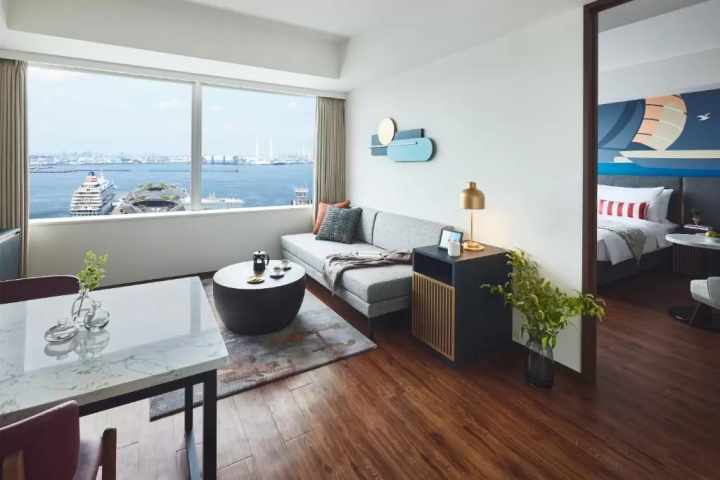
Located at the gateway of the historic district, this property is the epitome of convenience. Connected directly to Nihon-odori Station, it offers a seamless commute to Yokohama Stadium and the Red Brick Warehouse. The interior design is a love letter to the city’s coastal roots, featuring maritime artwork that bridges the gap between historic charm and modern comfort.
2. Mitsui Garden Hotel Yokohama Minatomirai Premier
For those who prioritize aesthetics and panoramic views, this hotel is unmatched. Situated just 600 meters from the iconic Landmark Tower, it offers a sky-high perspective of the city. With a state-of-the-art fitness center and an upscale bar, it caters to the sophisticated traveler who views a hotel as a destination in its own right.

3. Hyatt Regency Yokohama
Located in the heart of the port-opening era’s heritage district, the Hyatt Regency serves as a bridge between cultures. With 315 rooms, the design philosophy focuses on "Western-meets-Japanese" elegance. It is the premier choice for guests wishing to explore the retro streets of Motomachi-Chukagai by day and enjoy luxury amenities by night.
4. OMO5 Yokohama Bashamichi by Hoshino Resorts
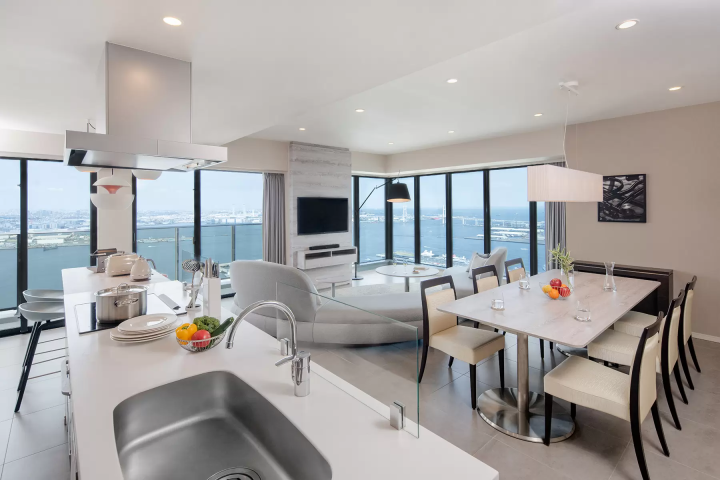
Hoshino Resorts has redefined the high-rise experience. Occupying the 46th to 51st floors, this "apartment-hotel" allows guests to live like residents. With en-suite kitchens and laundry facilities, it provides the flexibility of a private condo with the services of a world-class resort. It is currently the most popular choice for long-term travelers and those hosting private celebrations.

5. The Square Hotel Yokohama Minatomirai
As its name implies, this hotel operates as a community hub. By fostering a "city square" atmosphere, it encourages interaction between locals and international visitors. It is an ideal stay for those looking to bypass the tourist traps and find an authentic connection to the city’s heartbeat.
6. Yokohama Tokyu REI Hotel
Catering to the music and entertainment crowd, this property is situated within walking distance of K-Arena Yokohama. It is a dynamic, high-energy environment where the lobby functions as a venue for live performances, ensuring the excitement of a concert carries through to the end of the night.

7. Shin Yokohama Grace Hotel
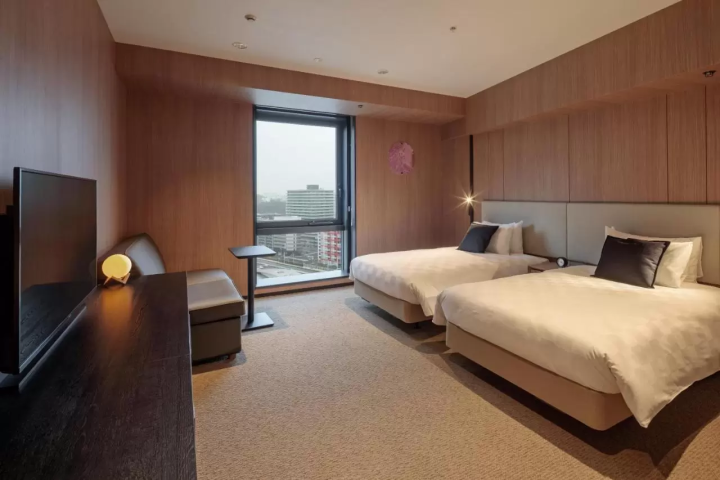
Convenience is the primary metric here. Located a mere one-minute walk from Shin-Yokohama Station, this hotel is a vital resource for travelers navigating the Shinkansen lines. A recent renovation has revitalized the property, making it a spotless and efficient sanctuary for those on the move.
8. APA Hotel & Resort Yokohama Bay Tower
With a staggering 2,311 rooms, this is a titan of hospitality. Featuring five restaurants, a large public bath, and a comprehensive fitness suite, it is designed to be a self-contained resort. It is the definitive choice for large-scale events, business conferences, and travelers who value having every amenity under one roof.
Official Perspectives and Industry Trends
According to local tourism board reports, the "Minatomirai" brand has seen a 15% increase in occupancy rates among international travelers post-2023. Industry analysts point to the "Workation" trend—a blend of vacation and remote work—as a key driver for the success of properties like the OMO5 and Citadines, which offer kitchenettes and high-speed infrastructure.
General managers across these properties have noted a shift in consumer demand: guests are no longer satisfied with a bed and a view. They are looking for "curated experiences," such as the live music programming at the Tokyu REI or the community-driven initiatives at The Square.

Implications for Future Travelers
The implications of this hotel density are positive for the visitor. Competition has forced properties to innovate, resulting in a higher baseline for cleanliness, service, and design across all price points.
Planning Your Stay:
- For the Business Traveler: Opt for Shin Yokohama Grace Hotel to ensure Shinkansen connectivity.
- For the Romantic Getaway: The Mitsui Garden Hotel or OMO5 provide the best views for evening celebrations.
- For the Culture Seeker: The Hyatt Regency or Citadines place you in the center of the historic, atmospheric district.
As you plan your journey to Yokohama, consider that your choice of hotel acts as the lens through which you view the city. Whether you prefer the bustling, high-energy environment of a concert-adjacent hotel or the serene, reflective calm of a room overlooking the harbor, Yokohama’s hospitality sector has meticulously prepared for your arrival.
By utilizing these centrally located hubs, you are not just booking a room; you are positioning yourself at the epicenter of Japan’s most vibrant port city. Explore, relax, and immerse yourself in the evolving skyline of Yokohama.


 Neng Nana
 Asro
Asro