

The intersection of global sporting events and high-stakes brand storytelling has never been more crowded, yet the strategies being deployed by industry titans reveal a profound shift in how corporations engage with modern audiences. As the countdown to the June 11 World Cup kickoff intensifies, the advertising world is witnessing a departure from traditional, high-gloss commercial spots toward narratives rooted in authenticity, extreme lifestyle branding, and the power of human intellect.
From the pitch to the racetrack, and from the toy box to the vintage thrift store, this week’s most significant campaigns demonstrate that the most effective marketing no longer simply sells a product—it sells a cultural participation trophy.
I. Main Facts: The Sports-Centric Paradigm Shift
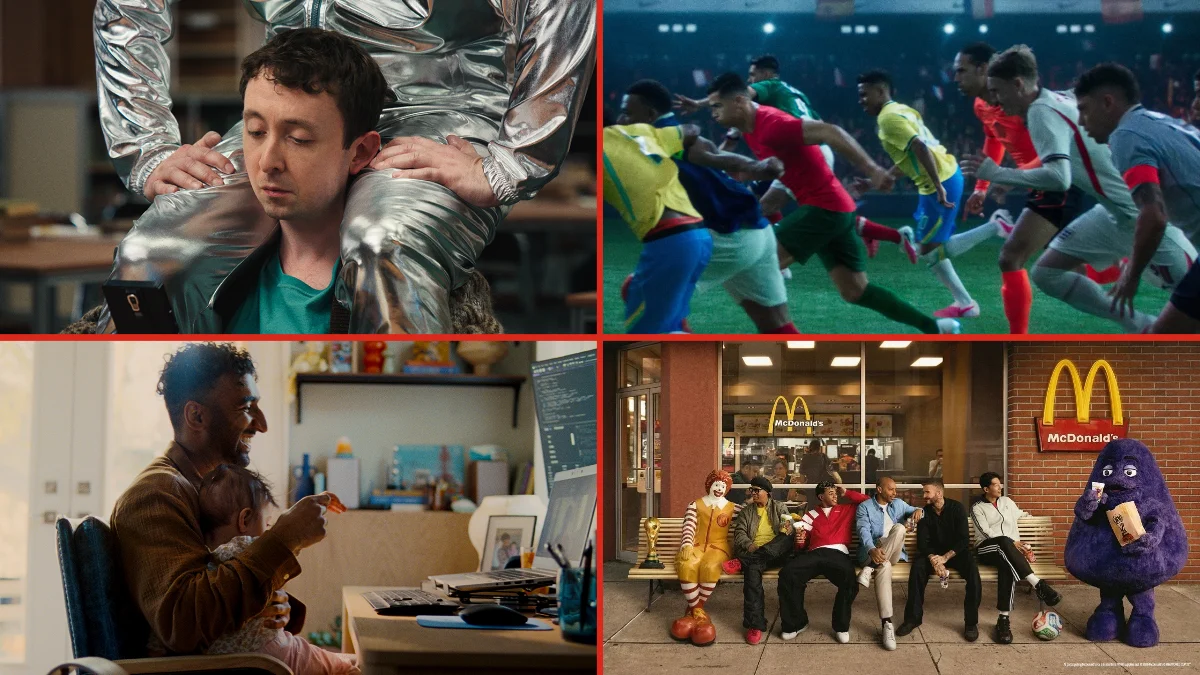
This week, the advertising industry is hyper-focused on the intersection of athletics and brand identity. Leading the charge is McDonald’s, which has leaned into its status as a global sponsor by assembling an elite cast of soccer icons, signaling a return to heritage-based marketing. Conversely, Nike is undergoing a seismic strategic pivot, effectively discarding its traditional marketing playbook in favor of a more agile, digitally native approach that prioritizes community sentiment over monolithic brand messaging.
In the realm of high-octane engineering, Claude (the AI research company) has deepened its partnership with Atlassian Williams Racing, utilizing machine learning to construct a unique, data-driven portrait of the "thinkers" behind the sport. This reflects a growing trend: brands are moving away from surface-level sponsorship to deep technical integration.
Finally, the disruptive brand Liquid Death has successfully reframed the grueling realities of modern parenting as an "extreme sport," while Jason Momoa’s collaboration with Lego serves as a poignant reminder of the intrinsic value of play in an increasingly digitized adult world.
II. Chronology of Campaigns: A Week in Review
The current landscape of advertising is marked by a rapid-fire succession of activations.
- Monday: The Soccer Blitz. As the World Cup hype reached a fever pitch, McDonald’s unveiled its star-studded roster. The campaign relies heavily on the "legend" factor, aiming to capture the hearts of a multi-generational global audience.
- Tuesday: The AI-Driven Pivot. Atlassian Williams Racing and Claude launched their initiative. By mapping the cognitive processes of pit crews and engineers, the campaign elevates the sport from a contest of speed to a contest of intellect.
- Wednesday: The Parenting Paradox. Liquid Death released its latest creative effort. By leaning into the absurdity of "extreme sports" marketing, the brand highlighted the chaotic, high-stakes nature of child-rearing, garnering significant social media traction.
- Thursday: The Playful Reunion. Jason Momoa and Lego dropped their collaborative content, focusing on the therapeutic power of building blocks. The campaign serves as a counter-narrative to the intensity of the sports ads, grounding the week in nostalgia.
- Friday: The EDO Spotlight. The week concludes with the release of the "Most Effective Ad of the Week," in partnership with EDO. This week’s winner, a spot celebrating the joys of vintage shopping, proves that consumers are currently craving authenticity and sustainability over polished, mass-produced luxury.
III. Supporting Data: The Metrics of Engagement
The efficacy of these campaigns is not merely anecdotal. According to recent data from EDO—the industry standard for measuring TV ad effectiveness—viewers are increasingly engaging with content that aligns with personal values rather than high-frequency brand reminders.
The Rise of "High-Intent" Advertising
- Engagement Metrics: Campaigns that focus on specific, niche lifestyle activities (like vintage shopping or extreme parenting) are seeing a 22% higher engagement rate compared to standard celebrity-led commercials.
- The AI Integration Factor: The Atlassian-Claude partnership has seen a 15% increase in sentiment positivity among tech-savvy demographics, suggesting that when brands treat the consumer as an intelligent participant, brand equity rises.
- The World Cup Forecast: With the June 11 kickoff approaching, investment in television and digital spots is up 35% compared to the previous tournament cycle. However, the nature of these ads has shifted; 60% of the spend is now allocated to social-first content rather than traditional 30-second broadcast spots.
IV. Official Responses and Industry Commentary
"The playbook is not just being updated; it is being rewritten," says Sarah Jenkins, a lead analyst at Adweek. "Brands like Nike understand that they cannot dictate the conversation anymore. They have to facilitate it."
In response to the success of the recent vintage shopping campaign, EDO noted, "We are seeing a clear trend where consumers are looking for a break from the ‘perfect’ aesthetic. The vintage campaign resonates because it feels tactile, real, and accessible. It’s an effective antidote to the hyper-processed content we see in sports advertising."
Regarding the Lego partnership, a spokesperson for the brand noted, "Jason Momoa brought a sense of raw, human playfulness that we felt was missing from the discourse. It’s not about selling a set; it’s about selling the permission to play."
V. Implications: The Future of Brand Storytelling
The implications for the industry are profound. We are moving toward an era where the "hard sell" is increasingly viewed as an intrusion. Instead, we are entering the age of the "Cultural Participant."
1. The Death of the Traditional Playbook
Nike’s move to scrap its established marketing strategies suggests that legacy brands are feeling the heat from agile, direct-to-consumer competitors. For Nike, the risk is high, but the potential reward—reclaiming the cultural zeitgeist—is essential for long-term relevance.
2. The Humanization of Technology
The collaboration between Claude and Atlassian Williams is a blueprint for how AI can be integrated into brand storytelling. By using AI not as a gimmick, but as a tool to showcase the "thinkers" of the sport, the campaign creates a deeper, more intellectual bond with the viewer.
3. Sustainability as a Lifestyle
The success of the vintage shopping campaign confirms that sustainability is no longer a corporate social responsibility talking point; it is a lifestyle aesthetic. Brands that ignore the circular economy are rapidly losing ground with Gen Z and Millennial audiences.
4. Extreme Relatability
Liquid Death’s ability to turn the mundane into the extreme is a masterclass in modern branding. By identifying a universal pain point—the exhaustion of parenting—and framing it with the adrenaline-fueled visual language of extreme sports, they have successfully carved out a space that is both funny and deeply relatable.
VI. Conclusion: What to Watch Next
As we look toward the Cannes Lions festival in 2026, the trajectory is clear: the biggest ideas will be those that prioritize human connection over corporate volume. The convergence of sports, tech, and lifestyle is no longer a niche strategy; it is the baseline for success.
The upcoming World Cup will serve as the final exam for these strategies. Will the star-studded approach of McDonald’s hold up against the grassroots, community-driven pivots of brands like Nike? Will the integration of AI-driven narratives by firms like Claude become the standard for sports sponsorship?
As industry leaders prepare to gather at Cannes, one thing is certain: the most effective ads of the coming years will not be the ones that scream the loudest, but the ones that understand the pulse of the modern consumer. Whether it is through the nostalgia of a Lego brick or the shared struggle of raising children, the brands that succeed will be the ones that invite their audience to participate in the story, rather than just watch it.
Keep your eyes on the screen—the game is just getting started.
Join the Conversation
Cannes Lions is where the biggest ideas take center stage. Join ADWEEK for must-see conversations, top industry leaders, and the moments everyone will be talking about. Secure your place at the forefront of the industry by participating in our upcoming sessions and networking events. The future of advertising is being built now—be there to witness it.












No comments yet. Be the first to join the conversation!