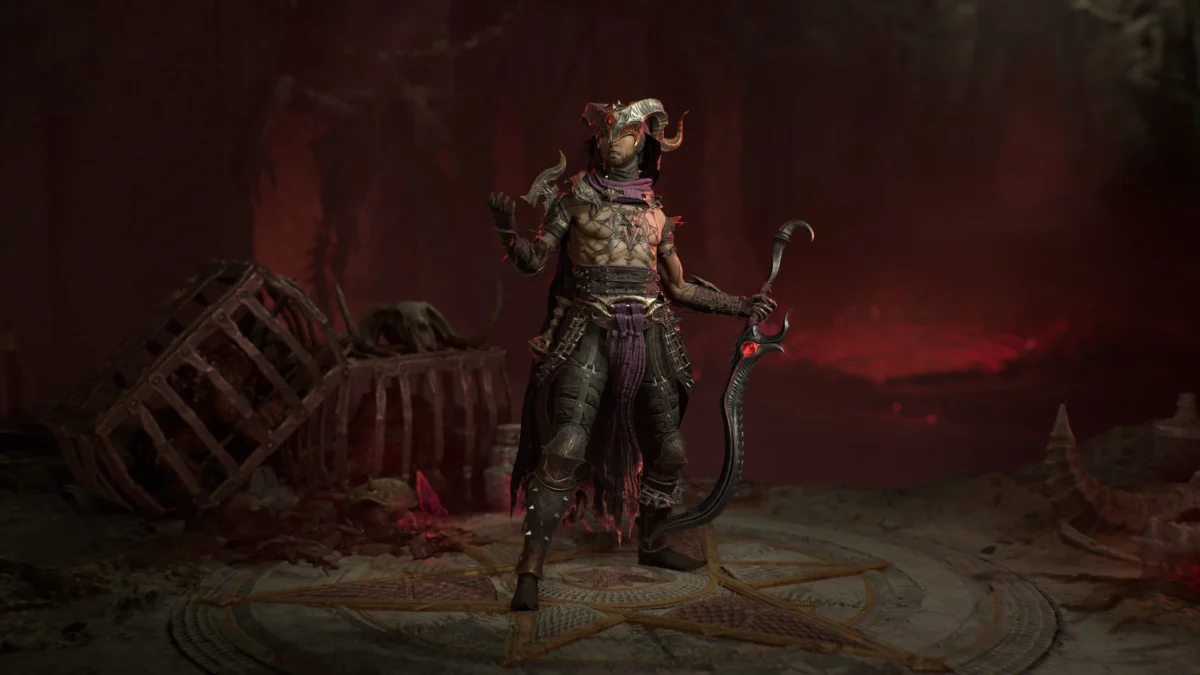
The landscape of Sanctuary is set to shift dramatically. Following months of speculation and a carefully curated drip-feed of information, Blizzard Entertainment has finally pulled back the curtain on the Warlock, the second of two new character classes arriving with the Lord of Hatred expansion for Diablo 4. While the Paladin—the expansion’s stalwart champion of light—has already been accessible to those who pre-purchased the content, the Warlock represents a darker, more pragmatic approach to the encroaching demonic threat.
In a comprehensive Developer Update, Blizzard showcased the Warlock’s distinct gameplay loop, revealing a sophisticated hybrid class that blends pet-management mechanics with devastating shadow-based spellcasting. As the April 28 release date approaches, players now have a clearer vision of how this practitioner of forbidden arts will integrate into the existing roster.
The Core Archetypes and Mechanics
At its heart, the Warlock is a class defined by duality. Whereas the Paladin seeks to purge the forces of Hell with holy fervor, the Warlock views the demonic legions as tools to be harnessed, corrupted, and weaponized. This "pragmatic" philosophy manifests in a unique resource management system and a multifaceted specialization tree.
Resource Systems: Wrath and Dominance
Unlike classes that rely on a single energy bar, the Warlock operates using a dual-resource system: Wrath and Dominance.
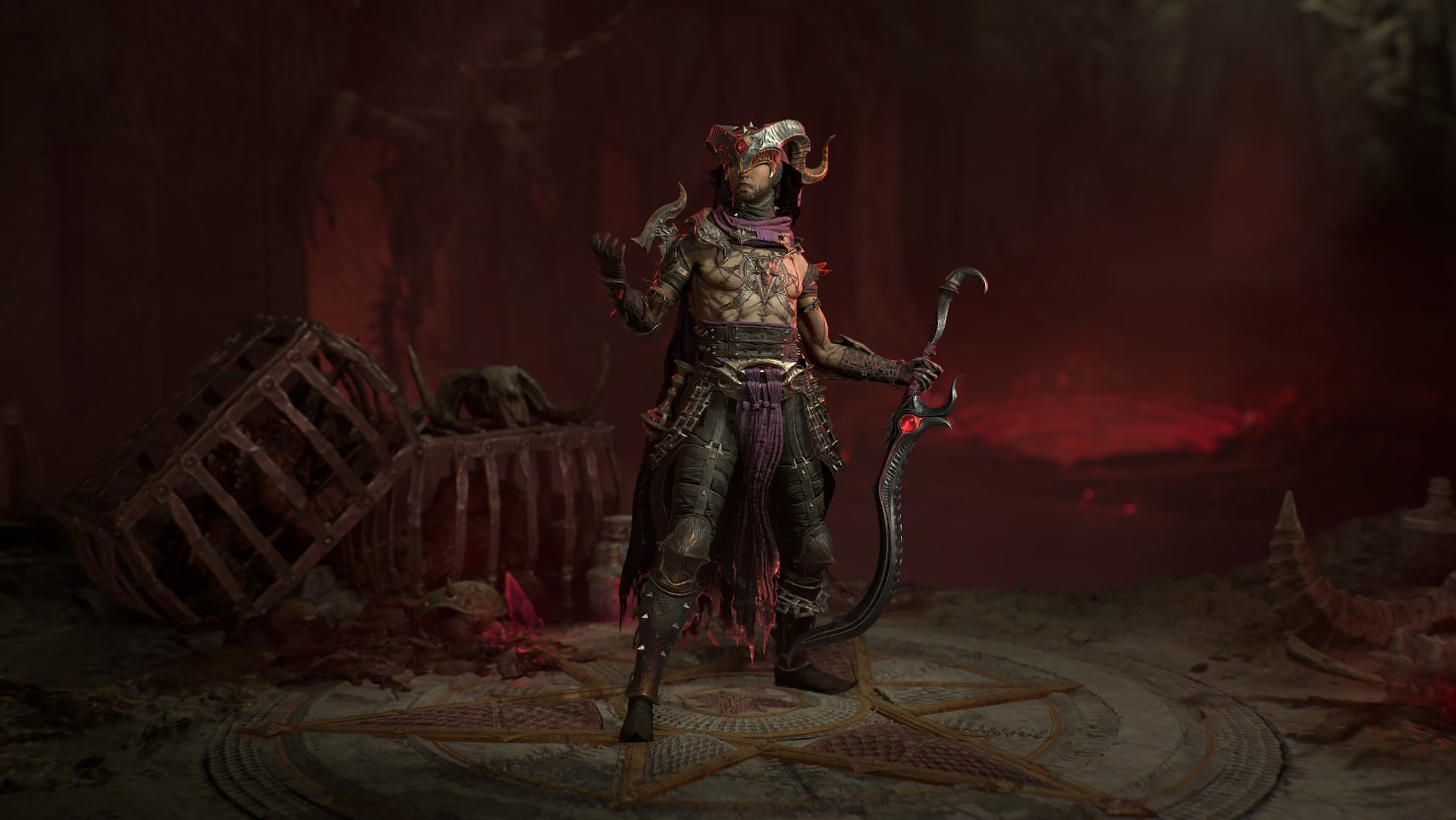
- Wrath: This acts as the primary fuel for the Warlock’s active spellcasting abilities. It is the offensive engine of the class, driving the shadow arts and direct damage spells.
- Dominance: This is the specialized resource required to summon, maintain, and command demonic entities. Managing Dominance is the core skill floor for high-level play; if a Warlock runs dry, their summoned legions become unresponsive or dissipate, leaving the player vulnerable.
The Four Paths of Forbidden Arts
Upon reaching level 30, players unlock the class-specific mechanic: Soul Shards. By fusing these shards into their own bodies, Warlocks can specialize into one of four distinct archetypes. This choice fundamentally alters the player’s playstyle:
- Legions: The quintessential summoner archetype. These players focus on overwhelming the battlefield with a massive swarm of lesser demons, perfect for clearing screens of trash mobs.
- Vanguards: For those who prefer a more aggressive, front-line presence. The Vanguard functions similarly to the Sorcerer, using shadow-infused strikes and defensive buffs to engage enemies in direct combat.
- Masterminds: A tactical archetype that utilizes "shadowcraft" to debuff, drain, and manipulate enemy behavior. Masterminds rely on damage-over-time (DoT) effects and crowd control to whittle down bosses.
- Ritualists: The pinnacle of summoning. Ritualists channel the power of the most terrifying denizens of the Burning Hells, focusing on high-impact, high-cost demons that act as boss-killers.
A Chronology of the Warlock’s Reveal
The path to the Warlock’s unveiling has been a calculated journey of marketing and community management.
- Initial Announcement: When Lord of Hatred was first teased, the identity of the two new classes remained a closely guarded secret. The Paladin was revealed almost immediately to drive pre-orders, while the second slot remained a placeholder for mystery.
- The February Reveal: Blizzard officially acknowledged the Warlock’s existence in February, timing the announcement to coincide with the Diablo 2 anniversary celebrations to evoke nostalgia for the series’ roots.
- The Developer Update: The most recent showcase provided the first concrete look at gameplay, combat animations, and the UI integration of the Wrath/Dominance systems. This was the moment that transformed the Warlock from a thematic concept into a tangible, playable reality.
- April 28 Launch: The full, public release of Lord of Hatred will grant all expansion owners access to the full suite of Warlock abilities and unique gear sets.
Supporting Data: Why the Warlock Matters
The introduction of the Warlock is not merely a cosmetic or narrative addition; it represents a fundamental change in the Diablo 4 meta. Blizzard’s design philosophy for this class appears to be a direct response to player feedback regarding the "pet AI" and "summoner viability" in previous seasons.
By splitting the summoner role into "Legion" (swarm) and "Ritualist" (high-impact), Blizzard is attempting to address the balancing issues that have plagued the Necromancer’s minions since launch. Furthermore, the reliance on Soul Shards as a class mechanic mirrors the success of systems like the Spiritborn’s Spirit Guardians, providing players with a sense of meaningful, persistent progression that scales into the endgame.

Unique Gear and Synergy
Similar to the itemization updates seen in the Spiritborn release, the Warlock will launch with a dedicated suite of Uniques. These items are designed to synergize with specific Soul Shards, allowing for "build-enabling" power spikes. Early reports suggest that certain Uniques will allow for "cross-archetype" play, where a Ritualist might gain benefits from the Shadowcraft abilities usually reserved for Masterminds, encouraging extensive theory-crafting.
Official Developer Stance and Design Intent
In the accompanying Developer Update, the team at Blizzard emphasized that the Warlock is designed to feel "dangerous to play." Lead designers noted that the Warlock’s power is "borrowed" from Hell, and the mechanics are intended to reflect that inherent risk.
"We wanted the Warlock to feel distinct from the Necromancer," a spokesperson stated during the broadcast. "While the Necromancer commands the dead, the Warlock commands the living—or at least, the entities of the Hells. They are not necromantic; they are pact-makers. Their power comes from their own physical transformation through the Soul Shards, which creates a more visceral, immediate connection to the demons they summon."
The design team also addressed concerns regarding the "pet management" loop, noting that they have refined the AI to be more responsive to player inputs, ensuring that players feel like commanders rather than spectators of their own summons.

Implications for the Future of Sanctuary
The arrival of the Warlock marks a significant turning point for Diablo 4. As the game continues to evolve, the distinction between the classes is becoming sharper, moving away from the more homogenized skill trees of the base game.
Impact on Meta-Gaming
With the introduction of the Warlock and the Paladin, the traditional "Holy Trinity" of classes is being expanded into a more complex web of roles. The Warlock’s ability to manipulate enemy states via shadowcraft will likely make them a staple in high-tier group play, particularly in activities like The Pit or high-level Nightmare Dungeons, where debuffing high-health targets is essential.
Community Reception and Expectations
The community response to the Warlock has been overwhelmingly positive, particularly among those who felt the current summoner options were too limited in their complexity. By offering four distinct paths—ranging from the swarm-heavy Legions to the surgical Ritualist—Blizzard is effectively catering to four different player profiles within a single class.
However, the challenge remains the balancing act. Integrating a class that relies on two dynamic resources requires precise tuning. If the Warlock is too weak, the "pet" aspect will feel ineffective; if too strong, it will overshadow the Paladin and existing classes.

The Road Ahead
As the Lord of Hatred release approaches on April 28, the excitement is palpable. Before that date, players will have the opportunity to engage with the upcoming season—titled Season of Slaughter—which features new mechanics, killstreak rewards, and a high-profile collaboration with the Doom franchise. This seasonal content is intended to provide a "bridge" of engagement, allowing players to refine their skills and gear before the Warlock arrives to redefine the meta.
For those who have invested hundreds of hours into the current Diablo 4 endgame, the Warlock represents a fresh start. It is an invitation to explore the dark side of Sanctuary’s lore, to experiment with forbidden mechanics, and to test the limits of what a player can command. Whether you are a fan of the classic summoner playstyle or a strategist looking for a new way to dismantle the forces of evil, the Warlock stands ready to lead the way into the next chapter of the Lord of Hatred.