

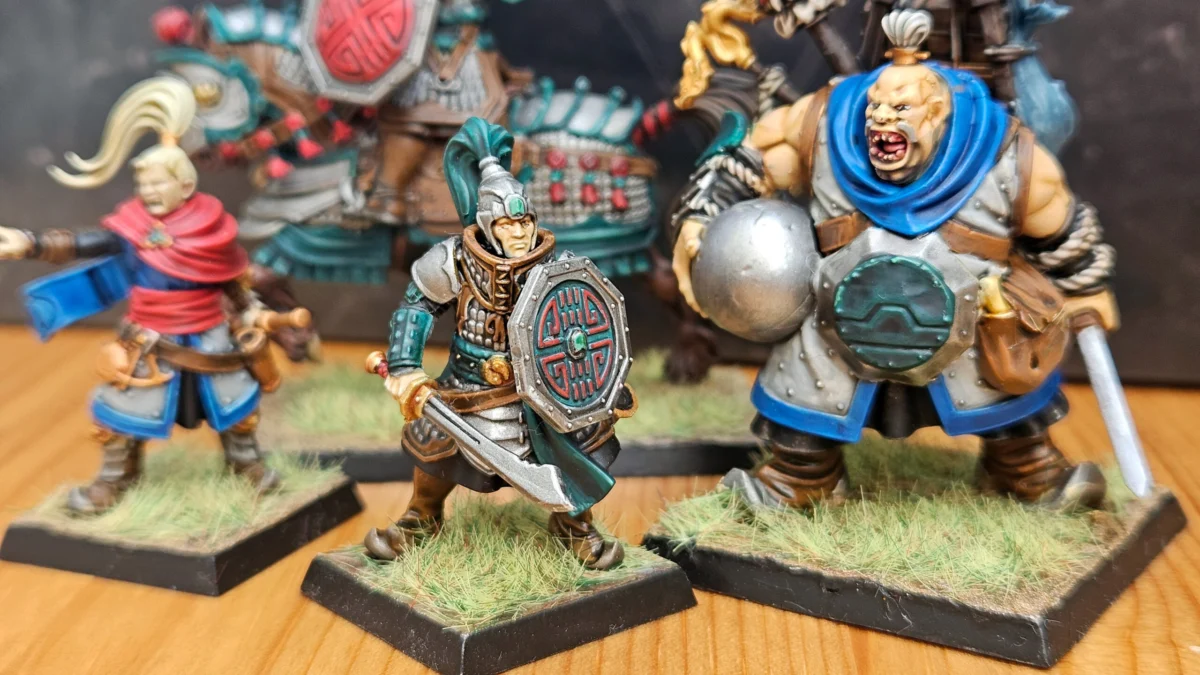
For many veteran tabletop gamers, the mere mention of "Warhammer Fantasy" evokes a sense of nostalgic longing—a time when rank-and-file infantry blocks maneuvered with deliberate precision and morale was a fragile commodity that could break at the sight of a charging dragon. Following the controversial retirement of the original setting nearly a decade ago, Games Workshop has finally resurrected the classic experience with Warhammer: The Old World.
The recently released Core Set is more than just a collection of plastic and paper; it is a meticulously curated time capsule. It captures the essence of the "cantankerous" classic game while refining its edges for a modern audience. For those who have spent years navigating the skirmish-heavy landscapes of Age of Sigmar or the sci-fi corridors of Warhammer 40,000, the return to the Old World offers a distinct, deep, and unapologetically tactical experience.
The Main Facts: Everything You Need to Start
The Warhammer: The Old World Core Set arrives as the definitive entry point into a revitalized franchise. Unlike previous iterations, which often required a daunting level of financial and creative commitment, this set aims to be accessible without sacrificing the "crunch" that defines the system.
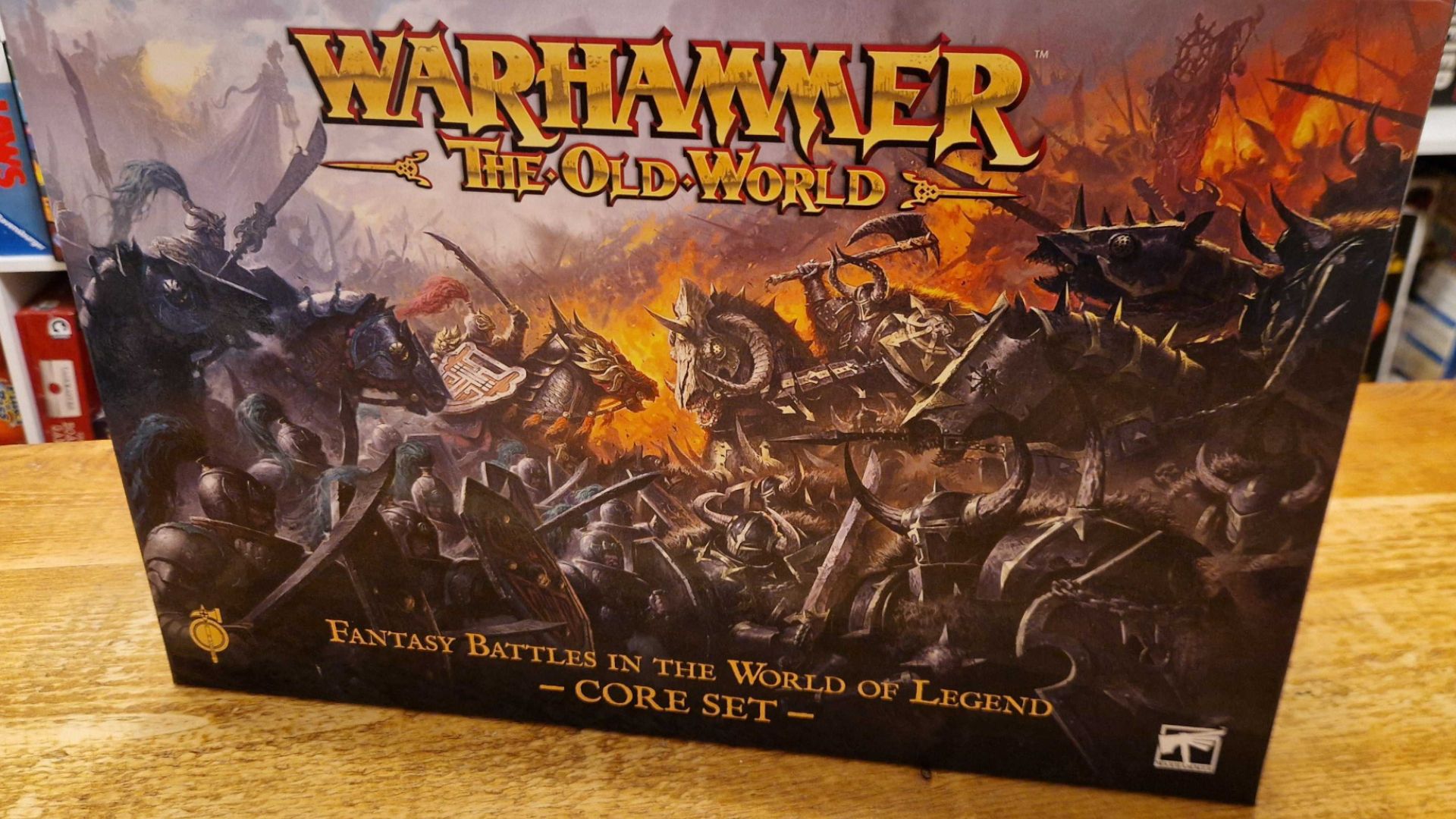
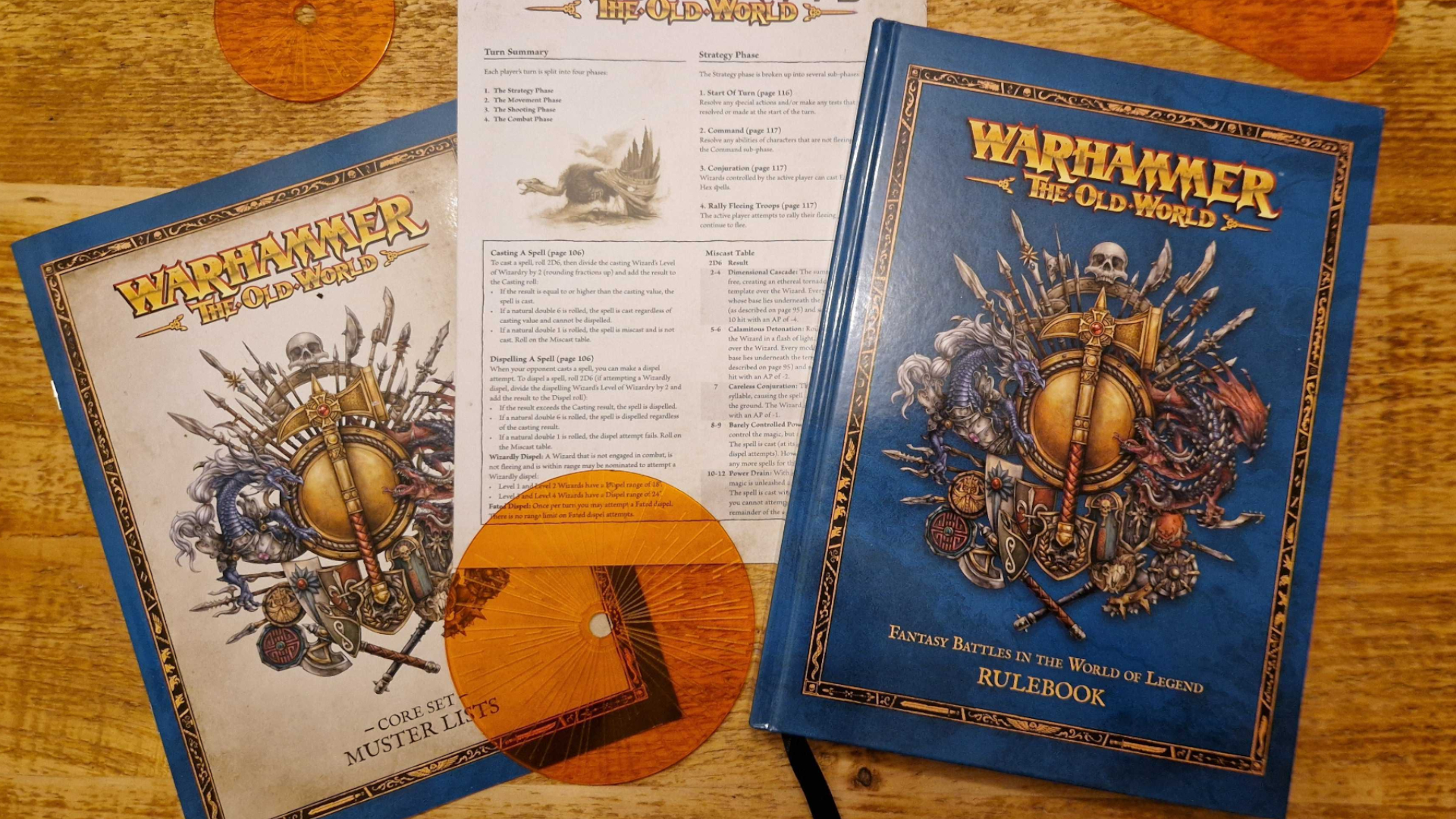
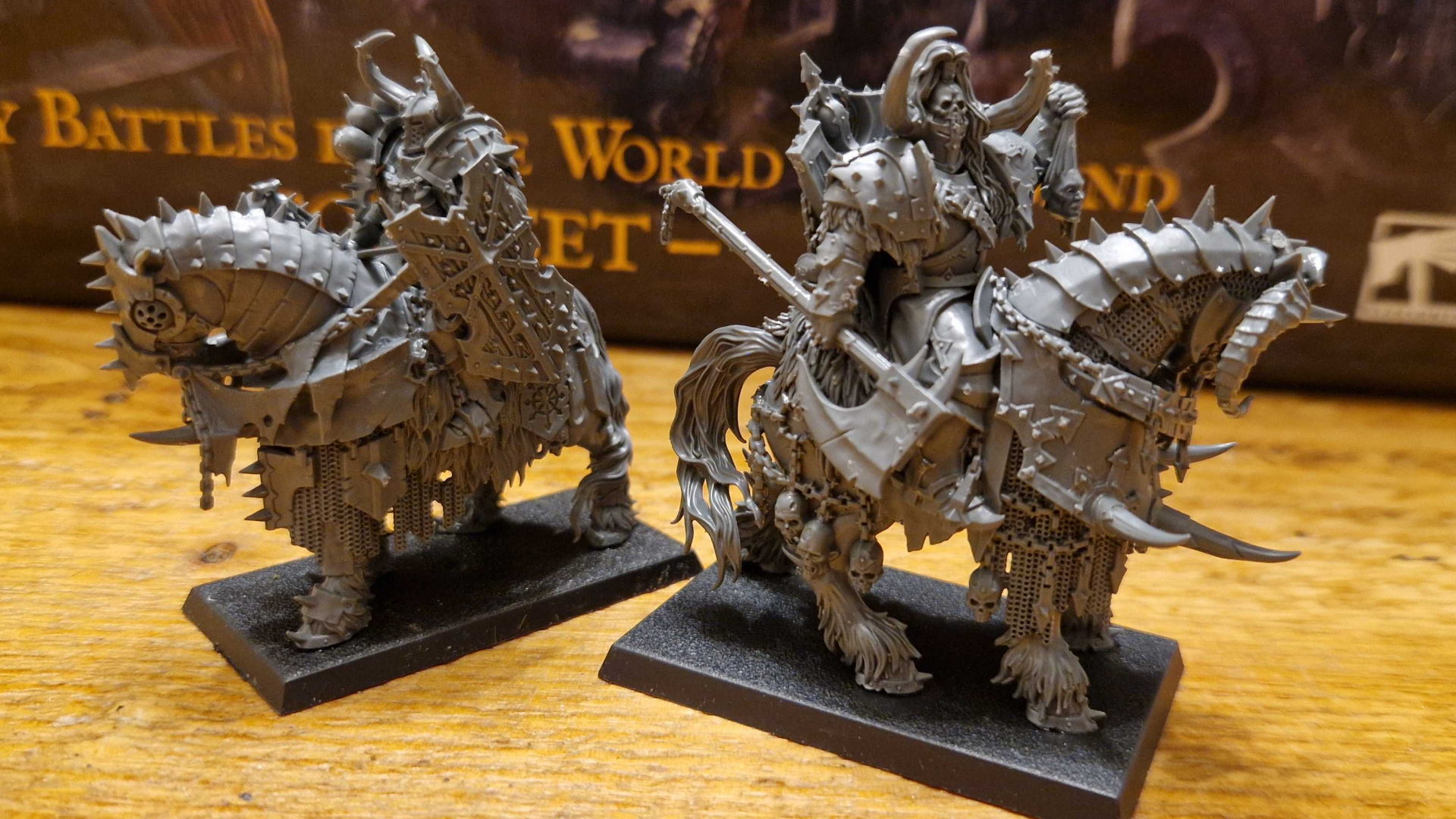
The box includes two complete, competitively-balanced "Battle March" armies: the newly designed Chaos Warriors and the previously released, critically acclaimed Grand Cathay range. Beyond the miniatures, the set provides the comprehensive rulebook, stat profiles for all included units, a durable battlemat, and the essential accessories required to begin campaigning.
Key Specifications:
- Player Count: 2
- Recommended Age: 12+
- Average Playtime: 90–120 minutes per session
- Complexity: High (Tactical/Strategic)
- System: The Old World (2026 iteration)
Chronology: From Fantasy Battles to The Old World
The history of this game is a journey through the evolution of tabletop wargaming. The original Warhammer Fantasy Battles (WFB) was the bedrock upon which the modern miniature industry was built. Its focus on ranked units—where the geometry of your formation was as important as the strength of your dice rolls—created a unique tactical tension.
However, as the game grew older, the rules became bogged down in legacy "bloat." When Games Workshop transitioned to Age of Sigmar in 2015, the community was divided. Many missed the depth of the rank-and-file system. The Old World was announced as a passion project to bridge this divide. Over the last few years, the development team has slowly teased the return of the setting, culminating in this Core Set, which seeks to modernize the mechanics of 20th-century wargaming for the 2026 landscape.
Supporting Data: The Mechanics of Depth
If you are accustomed to the streamlined, skirmish-based mechanics of modern titles, The Old World will feel like a profound shift in perspective. This is a game of "edge-cases" and granular simulation.
The core experience revolves around the "rank-and-file" mechanic. Your units are not loose mobs; they are disciplined formations. If a unit is flanked, its ability to hold the line is severely compromised. If it takes a massive charge from heavy cavalry, the morale check that follows can result in a rout, where the unit flees the board in a panic.
The game relies heavily on static modifiers and to-hit/to-wound tables. While some may find this "mathematical tomfoolery" intimidating, it is the heart of the game’s depth. By forcing players to compare their unit’s discipline against the opponent’s raw power, the game simulates the "cut and thrust" of medieval-style warfare. During our testing, this led to moments of genuine emotional investment—watching a stalwart unit of Jade Warriors desperately hold their ground against a charging chaos horde is a level of drama rarely seen in smaller-scale skirmish games.
Official Responses and Design Philosophy
Games Workshop has been vocal about their design intent: to preserve the soul of the classic game while removing the "bad" baggage of older editions. By trimming away outdated, contradictory rules and focusing on the core experience of grand-scale battle, the designers have created a system that feels cleaner, even if it remains inherently complex.
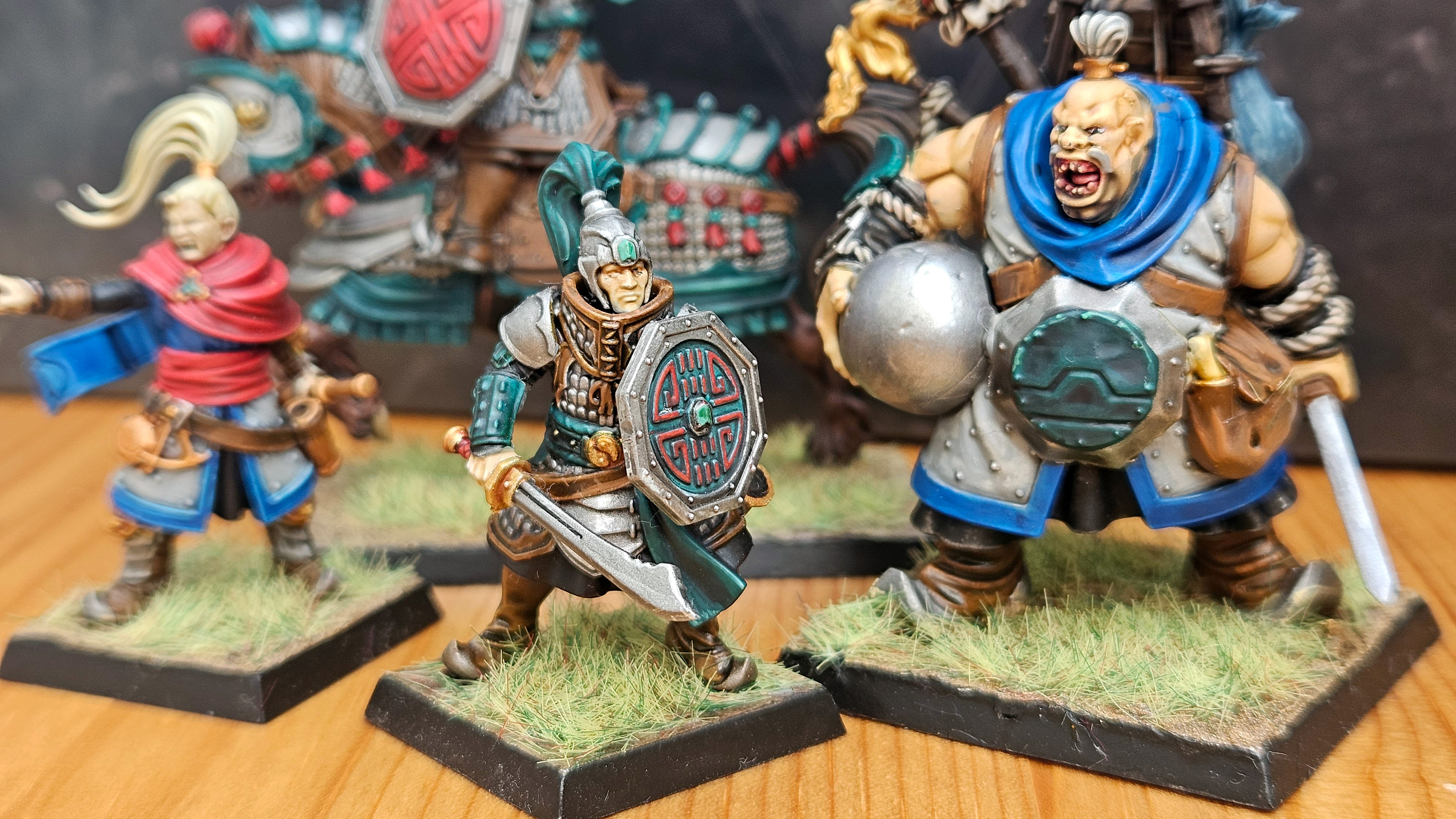
One of the most noticeable design choices is the construction of the models themselves. The miniatures in the Core Set are highly detailed and dynamic, moving away from the static poses of the 1990s and early 2000s. However, they are also "bitty," requiring a higher degree of patience and hobby skill to assemble. This reflects a shift in the hobby toward high-fidelity plastic engineering, where the miniature is as much a display piece as it is a game piece.
The Critique: Accessibility and Room for Improvement
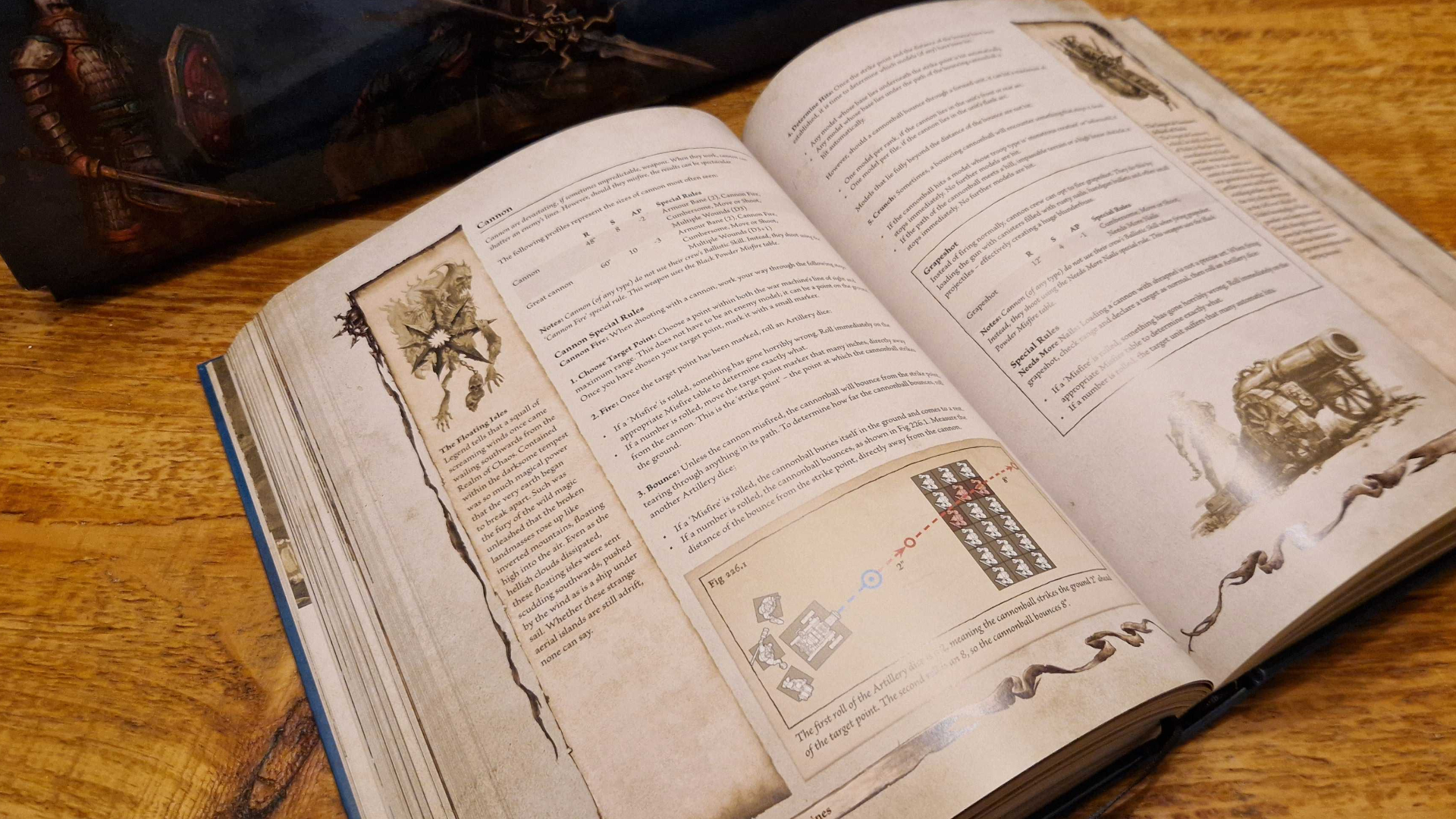
Despite the triumph of the gameplay, the Core Set is not without its flaws. The primary criticism centers on the "bookkeeping" required during play. As a new player, you will find yourself frequently flipping between the core rulebook, the army lists, and the various reference tables.
In a modern gaming climate where "datacards" and quick-reference sheets are the industry standard, The Old World feels surprisingly analog. There is a palpable lack of player aids. To improve the experience, Games Workshop would do well to release official, separate datacards for units, reducing the need to constantly consult the rulebook mid-turn. This friction can cause the game to grind to a halt during the learning phase, which might discourage players who aren’t already deeply invested in the setting.
Implications: A New Era for Tactical Gaming
What does the success of this Core Set mean for the future of the hobby? First, it validates the "big battle" wargame. Many developers had written off ranked-infantry games as too niche, but the reception of The Old World suggests that there is a massive appetite for high-complexity, high-stakes tactical play.
Second, it signals a shift in how Games Workshop approaches its "legacy" IP. By treating the setting with a mix of reverence and modern design rigor, they have successfully brought back a classic without it feeling dusty or outdated.
Buy it if…
- You crave tactical depth: If you find modern wargames too "light" and want a system where flanking, morale, and unit formation matter, this is the gold standard.
- You love grand-scale visuals: The sight of ranked infantry blocks and cavalry charges is unrivaled in the current tabletop market.
- You are ready for a long-term project: This is a hobby-intensive game. The assembly and painting requirements are significant, offering months of engagement.
Don’t buy it if…
- You want a "pick up and play" experience: This is a heavy, complex beast. It is not designed for a quick, 30-minute casual session.
- You are intimidated by dense rulebooks: If you prefer games with minimal reading and intuitive, abstract mechanics, The Old World will feel like homework.
- You lack hobby time: The sheer volume of models and their complexity means this is a major commitment of time, not just money.
Conclusion: A Masterpiece of Complexity
Warhammer: The Old World is not for everyone, and that is precisely its strength. It is a bold, confident refusal to simplify the wargaming experience. While the lack of player-friendly reference materials can make the first few games feel like an exercise in navigation, the tactical payoff is worth the effort.
If you are a fan of traditional wargaming, or if you simply miss the days when battles were won by smart maneuvering rather than just raw power, the Core Set is an essential purchase. It is the best way to enter a classic world that has finally been brought back to life with the care and attention it deserves. The journey back to the Old World is long, complex, and sometimes frustrating—but it is, above all, a deeply rewarding tactical journey.










