

In the landscape of contemporary horror, few aesthetics have resonated as deeply with digital-native audiences as the "liminal space"—that unsettling, transitionary quality of empty offices, yellowed wallpaper, and the uncanny hum of fluorescent lights. Kane Parsons’ feature-length adaptation of Backrooms has brought this internet-born phenomenon to the silver screen, grounding the viral YouTube lore in a tangible, cinematic reality.
However, as audiences leave theaters, they are finding that while Backrooms captures the visual dread of a distorted reality, its thematic roots run much deeper than its 4chan origins. For those captivated by the film’s exploration of trapped memories and fractured spaces, there is a clear, essential predecessor that defined the genre long before the term "liminal" entered the mainstream lexicon: David Lynch and Mark Frost’s Twin Peaks.
The Genesis of the Aesthetic: From YouTube to the Black Lodge
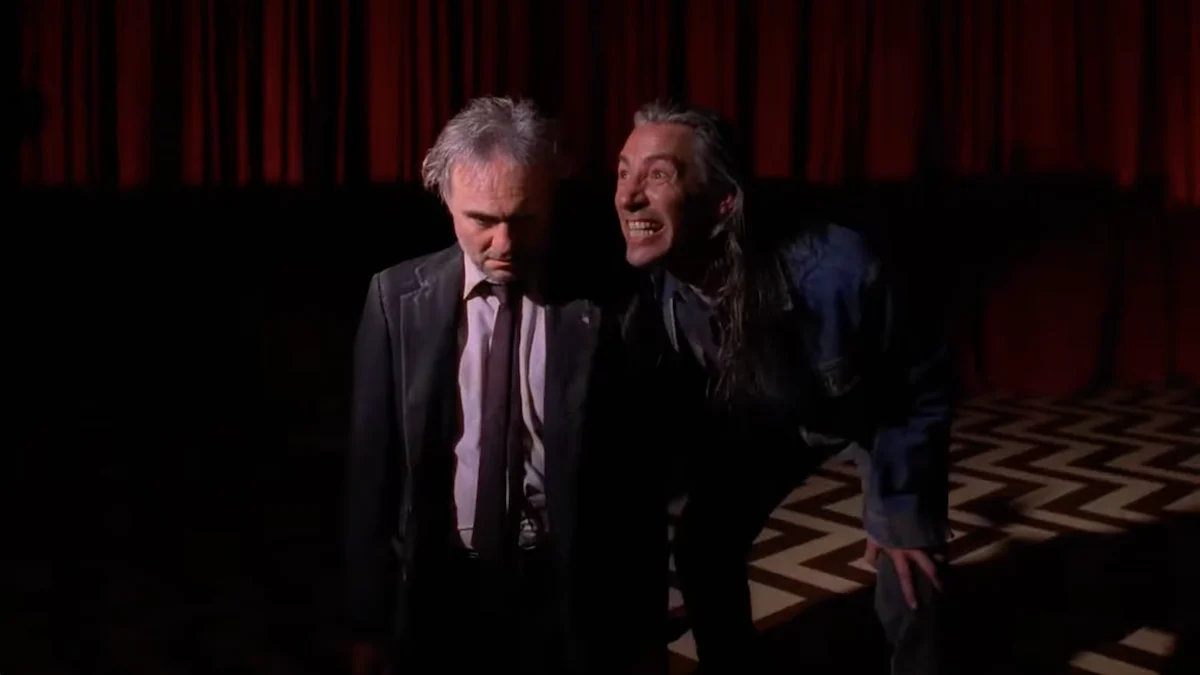
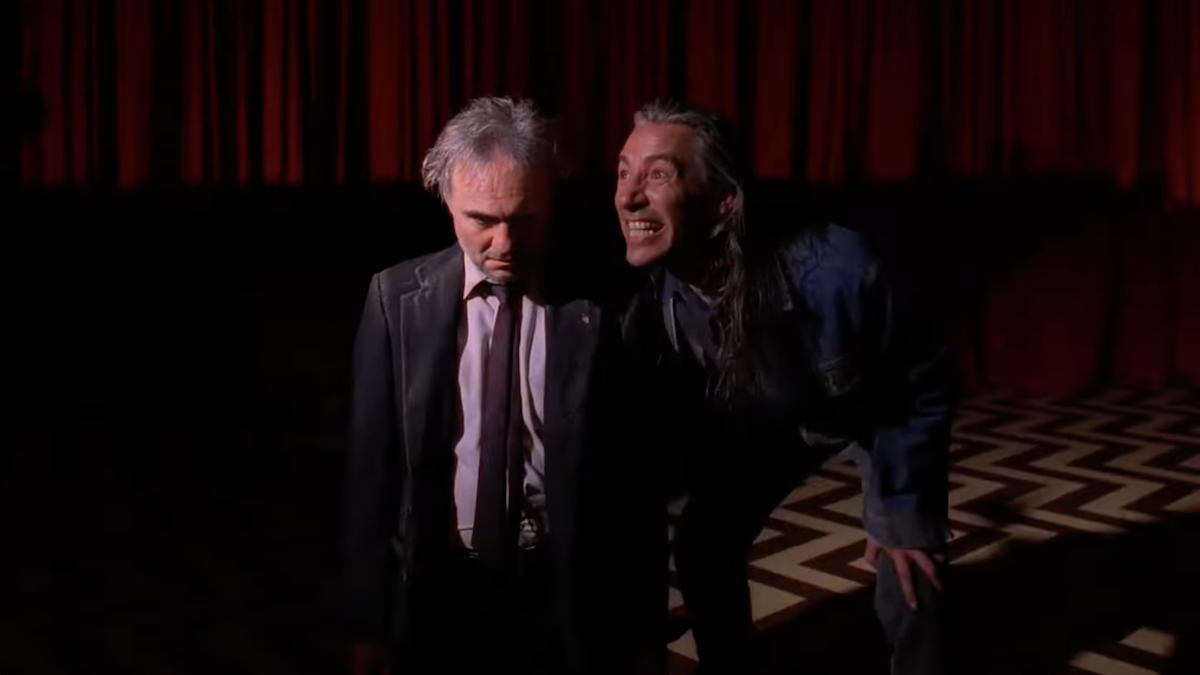
The Backrooms film, while lauded for its atmospheric tension, exists within a lineage of surrealist art. Kane Parsons himself has acknowledged the influence of David Lynch on his subconscious creative process. During a recent interview with Collider, Parsons recounted a pivotal moment from his childhood: following his parents’ separation, his father decorated a rental home with red curtains and a signature zigzag-patterned carpet—an unmistakable homage to the iconic Black Lodge from Twin Peaks.
While Parsons characterizes the space as a "dreamscape" rather than a direct reference to the Lodge, the aesthetic DNA is undeniable. For fans of Backrooms who are drawn to the feeling of being trapped in a space that feels simultaneously familiar and deeply, fundamentally wrong, Twin Peaks offers the foundational masterclass. It is not merely an aesthetic precursor; it is the blueprint for how to weaponize domestic space to induce existential terror.
A Chronology of Surrealism: From 1990 to the Return
To understand why Twin Peaks is the vital next step for the Backrooms audience, one must look at its fractured, multi-decade evolution:
- 1990–1991 (The Original Run): What began as a subversion of the primetime soap opera format quickly devolved into a surrealist nightmare. The investigation into the murder of Laura Palmer served as the anchor, but the show rapidly expanded into a mythological exploration of "The Black Lodge"—an extradimensional space where the laws of physics and morality dissolve.
- 1992 (Fire Walk With Me): This prequel film stripped away the kitschy "small-town charm" of the original series to focus on the visceral trauma of Laura Palmer. It remains one of the most harrowing depictions of supernatural evil ever committed to film.
- 2017 (The Return): After a 25-year hiatus, Lynch and Frost returned to television to deconstruct their own legacy. This season abandoned traditional narrative pacing, instead opting for a "glacial" approach that challenged the audience’s patience and forced a confrontation with the passage of time, nostalgia, and the decay of identity.
Supporting Data: The Convergence of Themes
The synergy between Backrooms and Twin Peaks is found in their shared preoccupation with "non-places." In Backrooms, protagonists Clark (Chiwetel Ejiofor) and Mary (Renate Reinsve) are physically lost in an infinite office complex, but they are metaphorically trapped by their own unresolved traumas.
Twin Peaks operates on the same frequency. When FBI Special Agent Dale Cooper (Kyle MacLachlan) enters the Black Lodge, he isn’t just entering a room; he is entering a space of total psychological exposure. Unlike modern horror films, which often rely on jump scares or overt monster designs, both Backrooms and Twin Peaks utilize:
- Inverted Doppelgängers: The physical manifestation of the characters’ worst impulses or hidden aspects of their psyche.
- Linguistic Dissonance: In Twin Peaks, characters speak in reverse or employ non-sequiturs that defy logic. In Backrooms, the environmental hazards function as a silent, crushing language of their own.
- The "Glitch" in Reality: Both works utilize the concept of "cracks" in reality—doorways or portals that lead to spaces where the usual rules of time and space do not apply.
Official Responses and Creative Commentary
Industry critics have noted that while Backrooms is a technical triumph, it occasionally suffers from a tendency to "tell" rather than "show," with characters explicitly stating their emotional states. In contrast, the Lynchian approach—as championed in The Return—relies on the audience’s willingness to sit with discomfort.
"Lynch understands that if you give the audience the answer, you kill the mystery," says cultural critic Marcus Thorne. "Parsons has captured the look of the internet age, but by watching Twin Peaks, he—and his fans—learn the value of the ‘sublime.’ It’s the difference between a scary set-piece and a haunting, lifelong experience."
Parsons’ own admission regarding his father’s decor confirms that the "Lynchian" influence is not just a stylistic choice but a lived experience. It suggests that the imagery of the Red Room is so deeply ingrained in our collective consciousness that it has become the standard by which we measure all "weird" architecture.
Implications: Why the Modern Viewer Needs ‘Twin Peaks’
For the generation that grew up on creepypasta and YouTube horror, Twin Peaks may initially appear dated. It features 1990s soap opera acting, synthesizer scores, and a pace that demands more than the five-second attention span often associated with digital shorts.
However, the implications of viewing Twin Peaks in 2026 are significant. We live in an era of "content consumption," where horror is often treated as a series of aesthetic beats—the "liminal" photo, the "scary" monster, the "lore" dump. Twin Peaks serves as an antidote to this. It teaches the viewer that a story can be "soapy" and "silly" one moment and "sublimely terrifying" the next.
Furthermore, The Return provides a profound meditation on aging that Backrooms only begins to touch upon. While Backrooms uses the office space to represent the stagnation of corporate life, Twin Peaks uses it to represent the stagnation of the soul. By watching how Lynch and Frost manipulate their audience’s expectations, Backrooms fans can gain a deeper appreciation for how horror cinema can function as a tool for self-reflection rather than just a thrill ride.
Conclusion: Entering the Lodge
As Backrooms continues its global theatrical run, it stands as a testament to the power of independent, digital-first filmmaking. But for those who find themselves returning to the film’s darker, more introspective moments, the journey shouldn’t end there.
Whether it is the backwards-talking entities of the Black Lodge or the simple, devastating tragedy of a homecoming queen wrapped in plastic, Twin Peaks remains the gold standard for atmospheric, surrealist storytelling. It is a place both wonderful and strange—and for the modern horror fan, it is a destination that is long overdue.
Backrooms is now playing in theaters worldwide. The complete Twin Peaks saga is currently streaming on Paramount+.











No comments yet. Be the first to join the conversation!