The global semiconductor landscape is currently defined by a tug-of-war between the relentless, high-stakes appetite of the artificial intelligence (AI) sector and the hardening price resistance of the everyday consumer. According to a new, comprehensive market survey from TrendForce, the blistering surge in memory pricing that defined the first half of 2026 is finally beginning to lose steam. While consumers shouldn’t expect a return to the bargain-bin pricing of previous years, the era of exponential, double-digit monthly hikes is transitioning into a phase of more moderate, albeit persistent, growth.
For PC enthusiasts, system integrators, and smartphone manufacturers, this represents a precarious middle ground: supply remains constrained, yet the market has hit a psychological and economic ceiling.
Main Facts: The Market Shift
TrendForce’s latest projections for the third quarter (Q3) of 2026 indicate that conventional DRAM contract prices are expected to climb by 13% to 18% quarter-over-quarter (QoQ), while NAND Flash prices are forecasted to rise between 10% and 15%.
To the casual observer, these are still significant increases. However, when viewed through the lens of the preceding quarter—which saw staggering 60% spikes—the slowdown is palpable. This deceleration is not the result of a sudden influx of manufacturing capacity or a stabilization in supply chains. Instead, it is a forced correction driven by consumer electronics manufacturers who have reached the end of their financial rope. The industry is effectively facing a standoff: memory makers are prioritizing high-margin server hardware for AI, while the PC and mobile sectors are finding it impossible to pass these inflated component costs down to the end user without risking a total collapse in demand.
Chronology: The Road to the 2026 Price Peak
The current market conditions are the culmination of an 18-month cycle of aggressive shifts in production priorities.
- Late 2025 – Early 2026: The AI gold rush hit full stride. Hyperscalers and data center operators scrambled to secure High Bandwidth Memory (HBM) and high-capacity DDR5, leading manufacturers like Samsung, SK Hynix, and Micron to aggressively reallocate production lines.
- Q1 2026: The "Shortage Squeeze" began to manifest. As capacity was diverted from consumer-grade DRAM and NAND to server-grade products, consumer component prices began to climb at an unprecedented rate.
- Q2 2026: The peak of the crisis. Prices for memory modules and SSDs surged by as much as 60% in a single quarter, forcing PC builders and smartphone vendors to dramatically adjust their MSRPs or face insolvency.
- Q3 2026 (Current): The "Ceiling Effect." Manufacturers are now seeing a softening in demand for PCs and smartphones, not because the underlying tech is less desirable, but because the cost of building these devices has outpaced the consumer’s willingness to pay.
Supporting Data: The Bifurcated Market
The memory market is no longer a monolithic entity; it has effectively fractured into two distinct tiers: the Enterprise/AI Tier and the Consumer Tier.
The AI Infrastructure Dominance
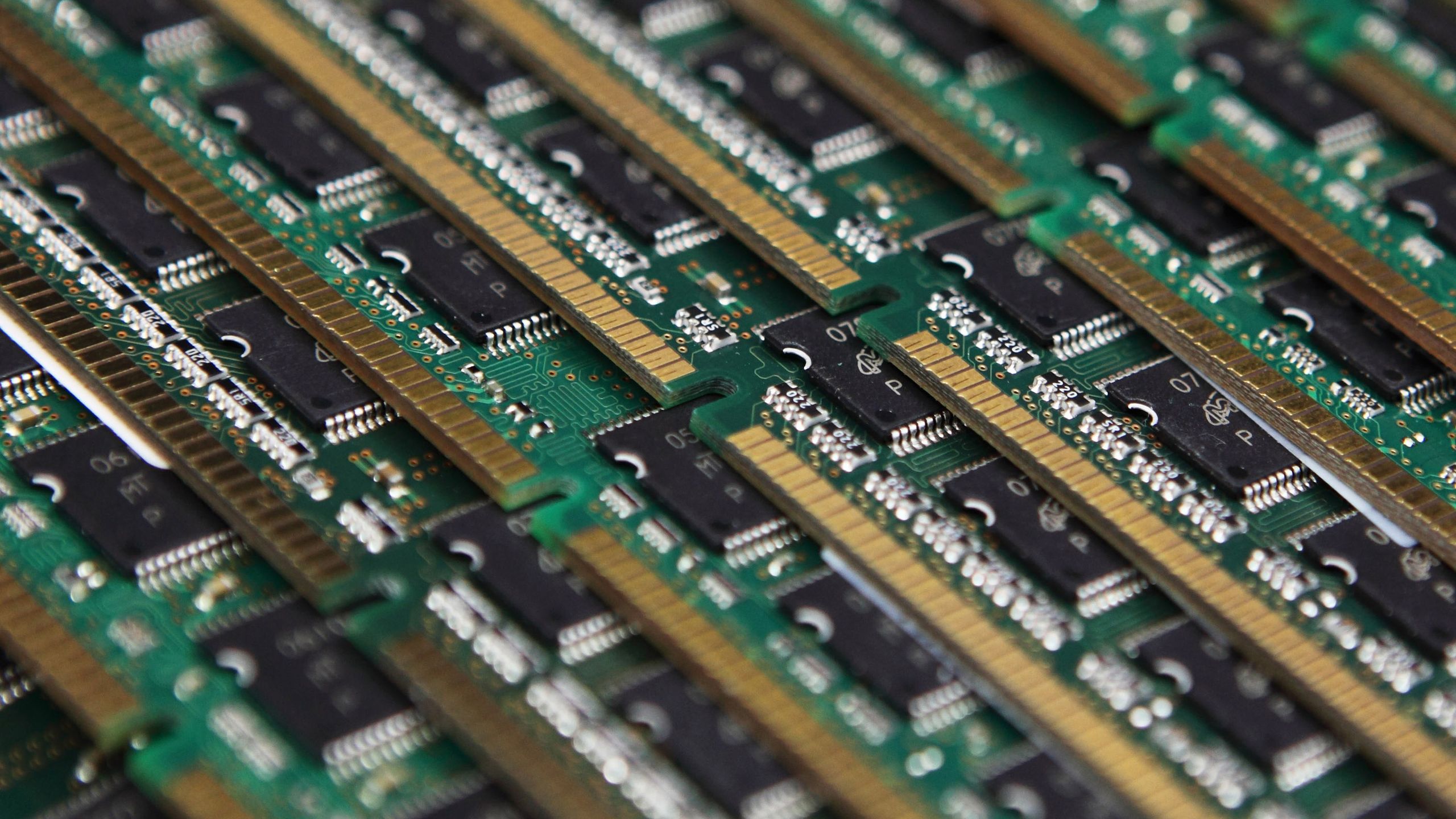
AI inference systems and the build-out of massive hyperscale data centers remain the primary drivers of the semiconductor economy. The demand for server-grade memory—specifically x86-compatible registered DIMMs (RDIMMs)—is expected to remain robust through the entirety of 2027. Because these components are essential for the next generation of AI-integrated enterprise software, manufacturers are shielded from price sensitivity. Long-term supply agreements (LTAs) for these customers have created a layer of stability, even as the broader market experiences turbulence.
The Consumer Struggle
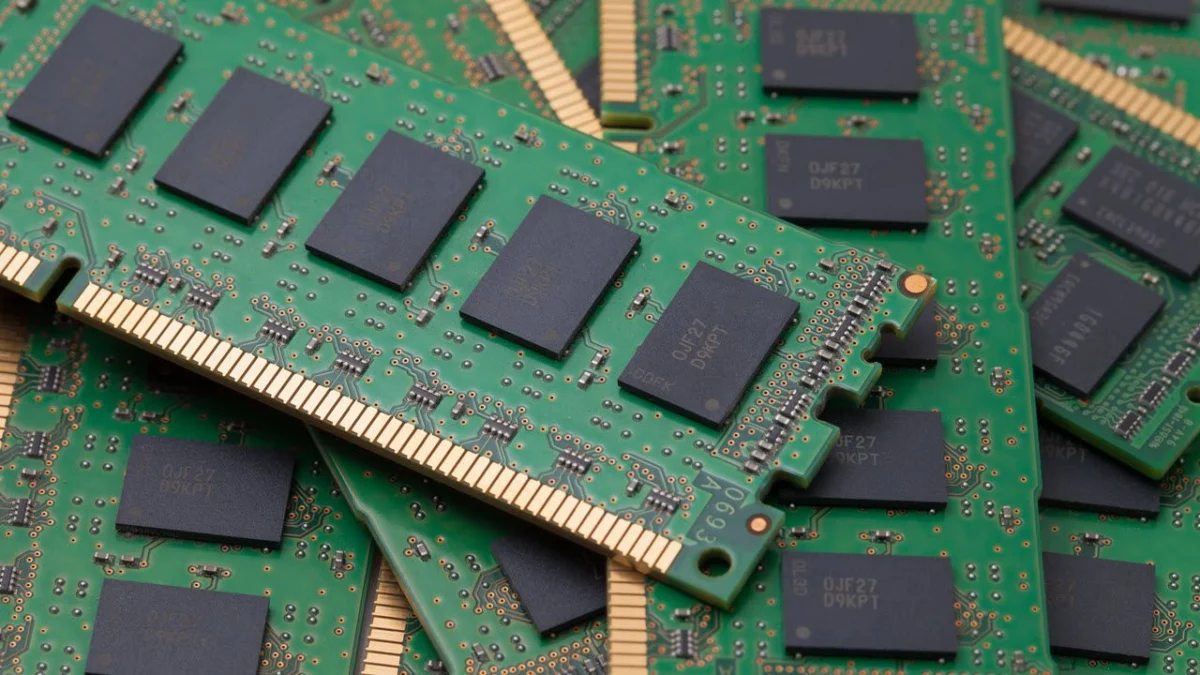
Conversely, the consumer segment is showing signs of exhaustion. Notebook manufacturers, having spent the first half of the year stockpiling SSDs and DRAM in anticipation of further shortages, are now sitting on significant inventories. This surplus of existing stock has led to a more flexible approach in contract negotiations between suppliers and OEMs, helping to dampen the price hikes for client-side storage.
Smartphone vendors are in a tougher spot. Faced with the high cost of LPDRAM, many brands are forced to raise the retail prices of handsets. However, as consumer confidence wanes in a high-inflation environment, these vendors are becoming increasingly cautious with production plans, preferring to slow down manufacturing rather than commit to high-cost components that may result in unsold, overpriced inventory.
Official Industry Perspectives and Implications
The AI Bottleneck
The fundamental issue remains the reallocation of manufacturing capacity. High Bandwidth Memory (HBM), which is essential for NVIDIA’s high-end GPUs, requires a significantly more complex and resource-heavy manufacturing process than standard DDR5 or consumer NAND. As long as the AI boom continues to offer higher profit margins, memory manufacturers will continue to favor server products. This structural shift effectively acts as a "tax" on consumer memory, as consumer devices are forced to compete for whatever capacity remains.
The Retail Reality
For the retail market—specifically USB flash drives, memory cards, and DIY PC components—the outlook remains sluggish. The difficulty of passing upstream costs to the consumer has led to a stagnation in sales for these categories. Furthermore, high-profile hardware releases, such as the NVIDIA RTX PRO 6000 Blackwell series, have not yet generated the anticipated "super-cycle" of demand for high-end graphics memory (GDDR7), suggesting that even the high-end workstation market is feeling the weight of the broader economic slowdown.
Future Implications: What to Expect in 2027
As we look toward the remainder of 2026 and into 2027, the market is likely to settle into a "new normal" characterized by:
- Continued Price Polarization: The gap between the price of enterprise-grade memory and consumer-grade memory will likely widen. Enterprise memory will remain tethered to the growth of AI, while consumer memory will be governed by the slower, more volatile cycles of the global PC and smartphone markets.
- Strategic Inventory Management: OEMs will likely move away from the "just-in-case" inventory building that defined the first half of 2026, shifting toward more agile, demand-based procurement to avoid getting stuck with high-cost hardware that doesn’t sell.
- Delayed Relief for Builders: For the home PC enthusiast, the message is clear: there is no crash coming. While the days of 60% quarter-over-quarter increases are likely behind us, the transition to lower prices will be a slow, grinding process. The "breaking point" mentioned by TrendForce suggests that while prices won’t skyrocket as they did in Q2, they will remain elevated as long as AI demand consumes the bulk of global production capacity.
Conclusion
The memory market is currently navigating a delicate transition. By hitting the ceiling of consumer affordability, the industry is forcing a moderation in the runaway price hikes of early 2026. However, because the structural demand for AI and enterprise-level infrastructure remains fundamentally undersupplied, the "cool down" in price increases is not a return to affordability, but rather a stabilization at a higher, more painful baseline. For the foreseeable future, the consumer will remain the secondary priority in a world where silicon is increasingly being spoken for by the servers of tomorrow.