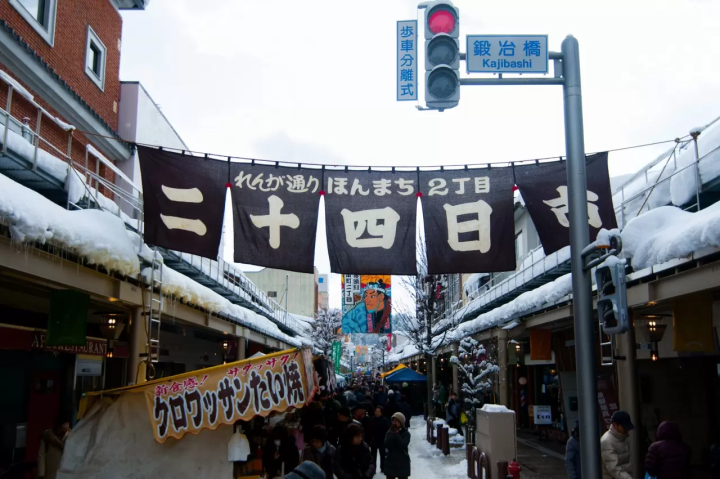
TAKAYAMA, Japan — As the crisp, biting air of January settles over the Hida region, the historic streets of Takayama prepare for a time-honored ritual. On January 24, 2027, the Honmachi and Yasukawa districts will transform into a living gallery of folk history, hosting the "24ka Market." While the event has evolved significantly since its inception, it remains a vital artery connecting modern Japan to the rustic ingenuity of the Edo period.
A Historical Evolution: From Year-End Traditions to January Markets
The origins of the 24ka Market are deeply rooted in the agricultural cycle of the Hida region. According to local records, the market was originally held on the 24th day of the 12th month of the old lunar calendar. During this era, it served as a bustling year-end destination, where farming families gathered to trade essential New Year’s supplies and festive goods.
However, the dawn of the Meiji era brought with it a shift in both culture and logistics. As Japan modernized and adopted the Gregorian calendar, the market’s timing transitioned to January. Despite these changes, the market’s primary objective remained constant: providing a venue for the sale of "winter handiwork." These were the goods produced by farmers during the long, snow-heavy months when the fields lay dormant, turning the stillness of winter into a period of creative productivity.
The Artisanal Pillars of the Hida Region
The 2027 market will showcase three distinct categories of traditional craftsmanship, each representing a fragile but resilient thread in the tapestry of Hida’s cultural heritage.
1. Enago Bandori: The Vanishing Art of Straw Craft
Among the most storied items to appear at the market is the Enago Bandori. Originating in Enago town during the Edo period, the bandori is a specialized rain gear woven from straw and Chinese bark. Folklore credits Genjuro Kato, a kiln operator of the era, with teaching local farmers the intricate weaving techniques required to create these durable, functional pieces.
For centuries, bandori provided farmers with essential protection against the elements, serving as a vital side job that supplemented agricultural income. Yet, as industrial mass production took hold, demand plummeted. Today, the craft faces a precarious future. Shinkichi Fujii stands as the sole surviving artisan capable of producing these items for the 24ka Market.
2. Miyakasa: Elegance in Cypress
The Miyakasa hat, a hallmark of the Miya region, represents a fusion of utility and aesthetic refinement. These hats are constructed by thinly slicing local white cypress or red-fleshed Japanese cypress, which are then meticulously woven into a bamboo frame.
Tracing its roots to the middle of the Edo period, the Miyakasa has transcended its original purpose as a field hat. Today, it is highly sought after by tourists as both a functional sun hat and a sophisticated decorative souvenir. The appeal lies in the tactile nature of the craftsmanship; each hat carries the faint, soothing scent of fresh wood, a sensory reminder of the Hida mountains from which the materials are sourced.
3. Koya Na Shoke: The Architecture of the Colander
In the northeastern reaches of Kuguno-cho, the Koya Na Shoke technique has been preserved with near-religious devotion. These "colanders," known historically as Shouuke (later colloquially shortened to Shouke), are essential tools for Hida households, used primarily for draining vegetables and managing rice.
The construction process is remarkably labor-intensive. Artisans utilize sycamore mushrooms, Actinidia (hardy kiwi vine), and poison ivy. The mushrooms are split into fine ribbons, while the poison ivy is fire-roasted to ensure flexibility before being woven into a robust, ring-shaped core. These colanders are produced in various sizes, with distinct "katakuchi jouke" (with a pouring mouth) and "marujoke" (circular) variations, demonstrating a sophisticated understanding of kitchen ergonomics that dates back centuries.

Chronology of Preservation Efforts
The survival of these crafts is not accidental; it is the result of concerted community action.
- Edo Period: Origins of Bandori, Miyakasa, and Shouke production as agrarian side-industries.
- Meiji Era: Transition of the 24ka Market from a lunar year-end event to a January calendar fixture.
- Late 20th Century: Decline in traditional production due to the rise of mass-manufactured plastics and synthetic textiles.
- Early 21st Century: Formation of the Enako Bandori Preservation Society by the Kamienako Historical Site Preservation Society.
- 2027: The current 24ka Market serves as the primary annual platform for the display and sale of these heritage items, ensuring that the knowledge is passed to the next generation.
Official Responses and Preservation Initiatives
The Kamienako Historical Site Preservation Society has emerged as the vanguard of cultural stewardship. Recognizing that the techniques for making bandori were on the brink of extinction, the society has organized formal study sessions where elderly masters teach younger residents the intricacies of the craft.
"The bandori is not merely a tool; it is a folklore material that defines our identity," a spokesperson for the society noted. By documenting the production process and gathering practitioners to record their oral histories, the society ensures that even if the market demand fluctuates, the technical "blueprint" of the craft remains intact for future research and revival.
Economic and Cultural Implications
The 24ka Market serves a dual function in modern Takayama: it is both an economic opportunity for local artisans and an educational outreach program for the region.
From an economic perspective, the market provides a high-visibility venue where artisans can command prices that reflect the hours of labor involved in hand-weaving cypress or roasting poison ivy vines—prices that would be impossible to achieve in a standard retail environment. This "boutique" appreciation of traditional goods is essential to incentivizing younger people to learn these crafts.
Culturally, the market acts as a barrier against the homogenization of Hida’s tourism sector. As global travel trends push toward "authentic experiences," the market offers visitors something that cannot be found in a factory or a department store. The warmth of the wood in a Miyakasa or the structural integrity of a Koya Na Shoke provides a tangible link to the past, grounding the tourist experience in the actual geography and history of the Hida region.
Attendee Information: 2027 Market
For those wishing to witness this living history, the 2027 iteration of the 24ka Market is scheduled as follows:
- Date: Sunday, January 24, 2027
- Operating Hours: 10:00 AM to 5:00 PM
- Location: Honmachi Street and Yasukawa Street, Takayama City
- Accessibility: Located centrally in Takayama, easily reachable via public transit.
For further details regarding the history of the region or to plan your visit, travelers are encouraged to consult the official resources:
- Hida Takayama Tourist Information
- Hida Takayama Travel Guide (Official Tourism Website)
- Visit Hida Takayama Facebook Page
As the snow falls on the eaves of Takayama’s traditional houses, the 24ka Market remains a beacon of continuity. It is a reminder that in an age of rapid technological acceleration, there is still profound value in the slow, deliberate work of the human hand. By supporting these markets, attendees do more than purchase a souvenir; they participate in the preservation of a culture that has weathered centuries of change.