

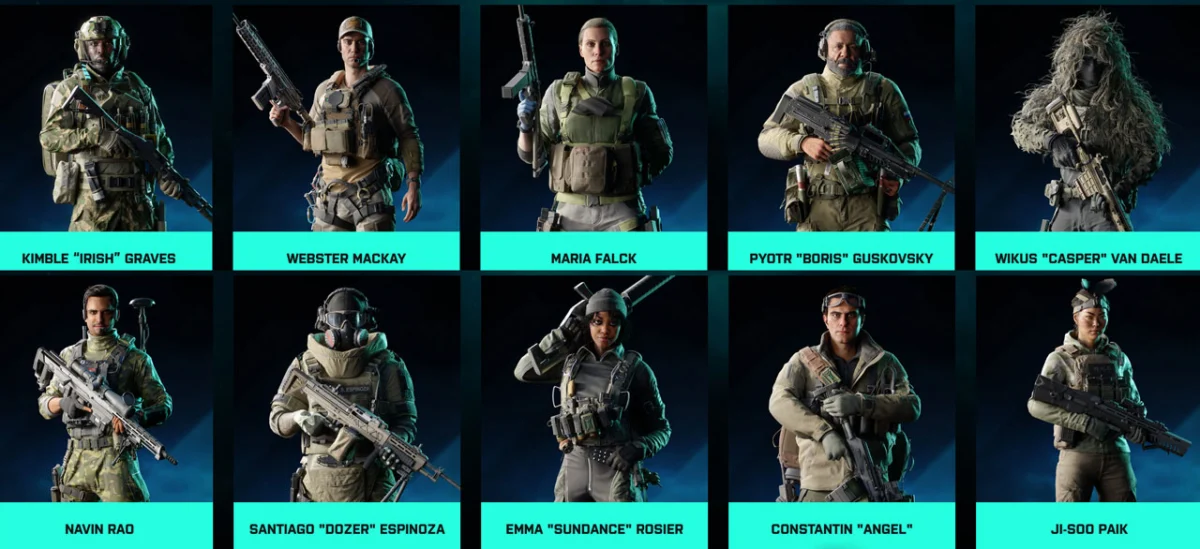
Following the conclusion of the Battlefield 2042 open beta earlier this month, the gaming community has been rife with speculation, criticism, and hope. Electronic Arts (EA) and developer DICE have finally pulled back the curtain on how they intend to address the mountain of feedback harvested from millions of players who engaged in the 128-player chaos of the “Orbital” map. As the November 19th release date approaches, the studio is racing to prove that their bold new vision for the franchise is not just viable, but a necessary evolution.
The State of the Battlefield: An Overview of Beta Feedback
The Battlefield 2042 open beta served as a stress test for the game’s ambitious scale. Players were dropped into the French Guiana map, Orbital, tasked with navigating a massive, dynamic battlefield that featured extreme weather events—specifically, the game’s signature tornadoes—and massive 128-player skirmishes on PC and current-generation consoles.
While the sheer scale of the conflict was lauded, the technical performance and mechanical shifts drew mixed reviews. DICE has acknowledged that the data collected was substantial, spanning everything from server stability and frame-rate optimization to nuanced complaints regarding game balance and player movement. In a comprehensive briefing, the developers outlined a roadmap that focuses on both immediate “day one” fixes and long-term design refinements, aiming to bridge the gap between their vision and player expectations.
The Specialist Controversy: Evolution or Identity Crisis?
Perhaps the most significant point of contention following the beta was the introduction of the “Specialist” system. For decades, Battlefield has been defined by its rigid class system: Assault, Engineer, Support, and Recon. These roles created a symbiotic ecosystem where players relied on each other for ammunition, health, and vehicle repairs. By replacing these classes with Specialists—unique characters with specific gadgets and traits—DICE has sparked a debate over whether the game has traded team-based tactical depth for individualistic “hero shooter” mechanics.
The Developer’s Defense
DICE remains steadfast in their stance that Specialists represent an “evolution” rather than an abandonment of the Battlefield formula. According to official communications, the goal was to provide players with more freedom to craft their own combat identities. By allowing players to pair any weapon with any Specialist, the studio argues that the game becomes more responsive to the unpredictable nature of 128-player warfare.
However, the feedback from the beta suggested that many players felt the current implementation eroded the “synergy” that made previous titles feel like a cohesive squad experience. Players expressed concern that the lack of distinct class indicators made it difficult to identify friendlies in need of support, leading to a more disjointed gameplay experience.
Putting All the Cards on the Table
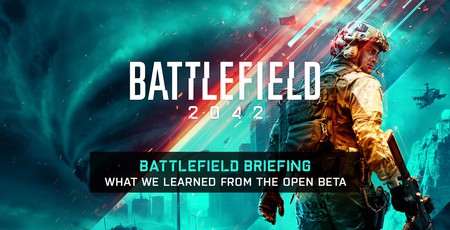
In a bid to quell these fears, DICE has officially revealed all ten launch-day Specialists. By doubling the available roster from the five seen in the beta, the developers hope to show that the system possesses more depth than was initially perceived. The new roster aims to fill the gaps in the traditional archetypes—Medic, Assault, Support, and Recon—while adding layers of specialization that were not fully evident in the early test build. The studio is betting that once players understand how these characters interact, the “identity crisis” will fade, replaced by a more flexible and strategic meta.
Technical Refinements and Quality of Life Improvements
Beyond the philosophical debates over character design, the technical state of the game was a primary focus for the development team. The beta revealed several friction points that the studio has now committed to addressing.
UI and UX Overhauls
One of the most frequently cited issues was the User Interface. Testers found the HUD to be cluttered and, at times, difficult to read amidst the intense visual noise of combat. DICE has confirmed that significant adjustments are being made to the UI to improve clarity, particularly concerning the “ping” system and the identification of team members versus enemies.
Movement and Gunplay
The movement system, which aims to be more fluid than previous entries, faced scrutiny regarding its “weightiness.” DICE has indicated that they are tweaking animations and the responsiveness of the movement suite to ensure that traversing the game’s massive maps feels deliberate and precise. Furthermore, developers have noted that the gunplay—which some found to be less precise than previous titles—will see adjustments to recoil patterns and weapon spread to ensure a more rewarding experience for skilled players.
Accessibility and Server-Side Optimization
Accessibility remains a priority for modern AAA development. The post-beta updates include a broader range of accessibility settings, from color-blind modes to customizable button mapping and audio adjustments. On the server side, the engineering team has been working around the clock to ensure that the massive 128-player lobbies remain stable, reducing instances of “rubber-banding” and desynchronization that plagued the early days of the beta.
Addressing the "Empty" Feeling
A recurring complaint from beta testers was that the large maps, such as Orbital, felt occasionally empty or disjointed. This is a common challenge when scaling up to 128 players; if the map design does not effectively funnel players toward key objectives, the action can feel spread too thin.
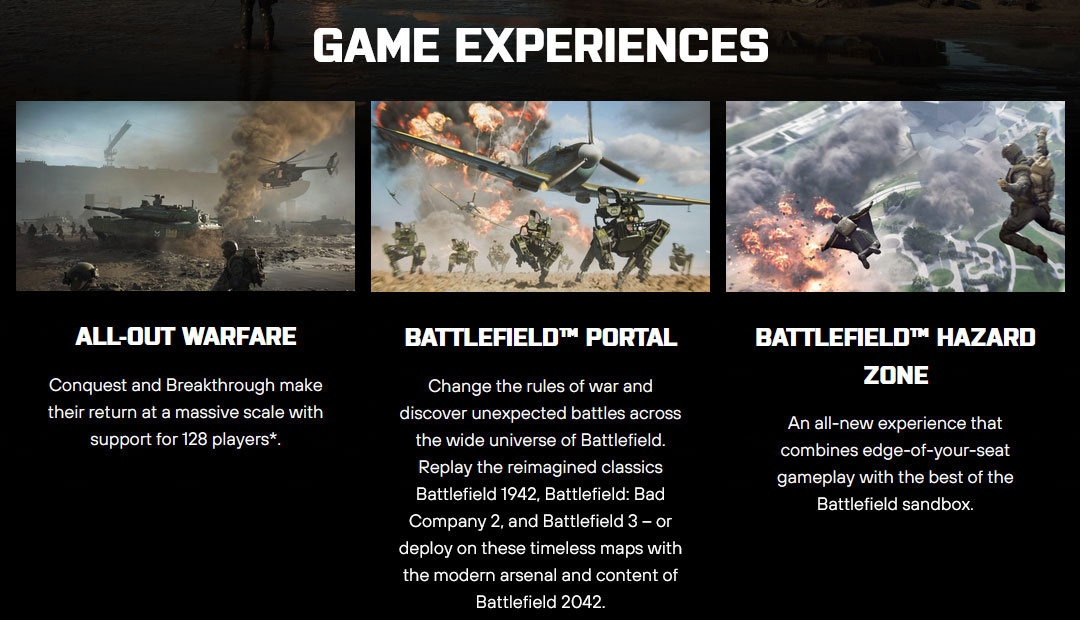
DICE has responded by highlighting the importance of the “Plus System,” a feature that allows players to customize their weapon attachments on the fly. They argue that as players unlock more specialized hardware and become more familiar with the maps, the flow of combat will naturally improve. The developers are urging the community to view the beta as a “slice” of a much larger pie—one where progression, map mastery, and loadout synergy will eventually fill the void that some players perceived during their initial sessions.
The Path to November 19th: What to Expect
The road to launch is rarely smooth for games of this magnitude. The sheer volume of feedback processed by DICE in such a short window is a testament to the studio’s commitment to the franchise. However, the true test will be whether these changes can satisfy the veteran player base while simultaneously attracting the new generation of players the studio is clearly courting with the Specialist system.
Chronology of the Beta Feedback Loop
- Early October: The Battlefield 2042 open beta goes live for early access and public participants.
- Mid-October: The community provides a deluge of feedback, focusing on bugs, the Specialist system, and map flow.
- Late October: DICE publishes their “Battlefield Briefing,” detailing the findings and committing to specific changes.
- Current Phase: The team is implementing server-side updates and finalizing the “Day One” patch, which will likely be available to players upon early access launch.
Implications for the Franchise
The shift toward Specialists, 128-player battles, and a more “live service” approach suggests that EA is positioning Battlefield to compete directly with the biggest names in the live-service shooter market. If successful, Battlefield 2042 could redefine what is expected of a large-scale military shooter. If it fails to land, the game risks alienating the core community that has supported the series for two decades.
The inclusion of all ten specialists and the commitment to a polished, high-fidelity experience indicates that DICE understands the stakes. They are not merely launching a game; they are launching a platform that they intend to support for years to come. The upcoming release date on November 19th is just the beginning of the story.
Ultimately, the beta served its purpose: it exposed the friction between the developers’ vision and the players’ expectations. Whether the adjustments made in response to this feedback will be enough to harmonize those two perspectives remains to be seen. However, given the transparency and the volume of data now at the developers’ disposal, there is a clear, if challenging, path forward. The Battlefield is evolving—and the world is watching to see if this new iteration captures the soul of what made the series a legend in the first place.










No comments yet. Be the first to join the conversation!