Jia Lissa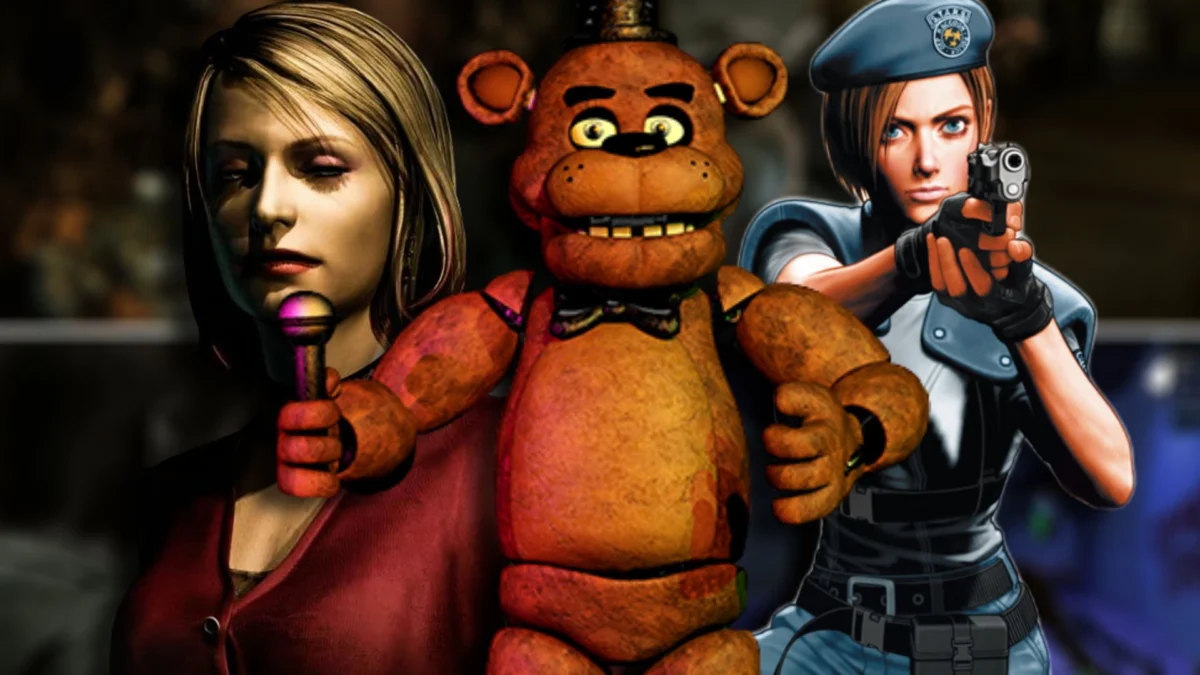
When we discuss the evolution of horror in interactive media, we are essentially tracing the lineage of our own collective fears. The horror genre in gaming is not merely a collection of jump scares or dark corridors; it is a meticulously constructed architecture of tension, atmosphere, and psychological manipulation. Certain intellectual properties have served as the bedrock of this genre, acting as pillars that defined what it means to be truly terrified while holding a controller.
To look at the current landscape of survival horror is to see the echoes of a few visionary titles. These games did more than just provide entertainment; they shifted the industry’s understanding of player agency, vulnerability, and environmental storytelling. Without these foundational works, the modern gaming landscape would be unrecognizable.

The Evolution of Fear: A Chronological Retrospective
The history of horror gaming is a trajectory of experimentation. From the static camera angles of the 90s to the immersive, high-fidelity AI systems of today, developers have constantly sought new ways to bypass the player’s defenses.
10. System Shock 2 (1999): The Birth of Immersive Terror
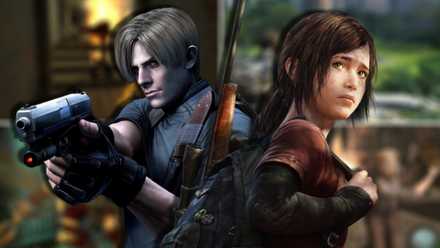
FPS horror is notoriously difficult to balance. By definition, an FPS grants the player power—guns, precision, and dominance. System Shock 2 defied this convention by introducing the concept of the "immersive sim" to the horror genre. In a world where the environment reacts to the player as much as the player reacts to it, you are simultaneously empowered and helpless. It forced players to manage resources while navigating a decaying starship, creating a sense of dread that remains unparalleled even decades after its 1999 release. Its legacy is etched into the DNA of modern classics like BioShock.
9. Five Nights at Freddy’s (2014): The Indie Revolution
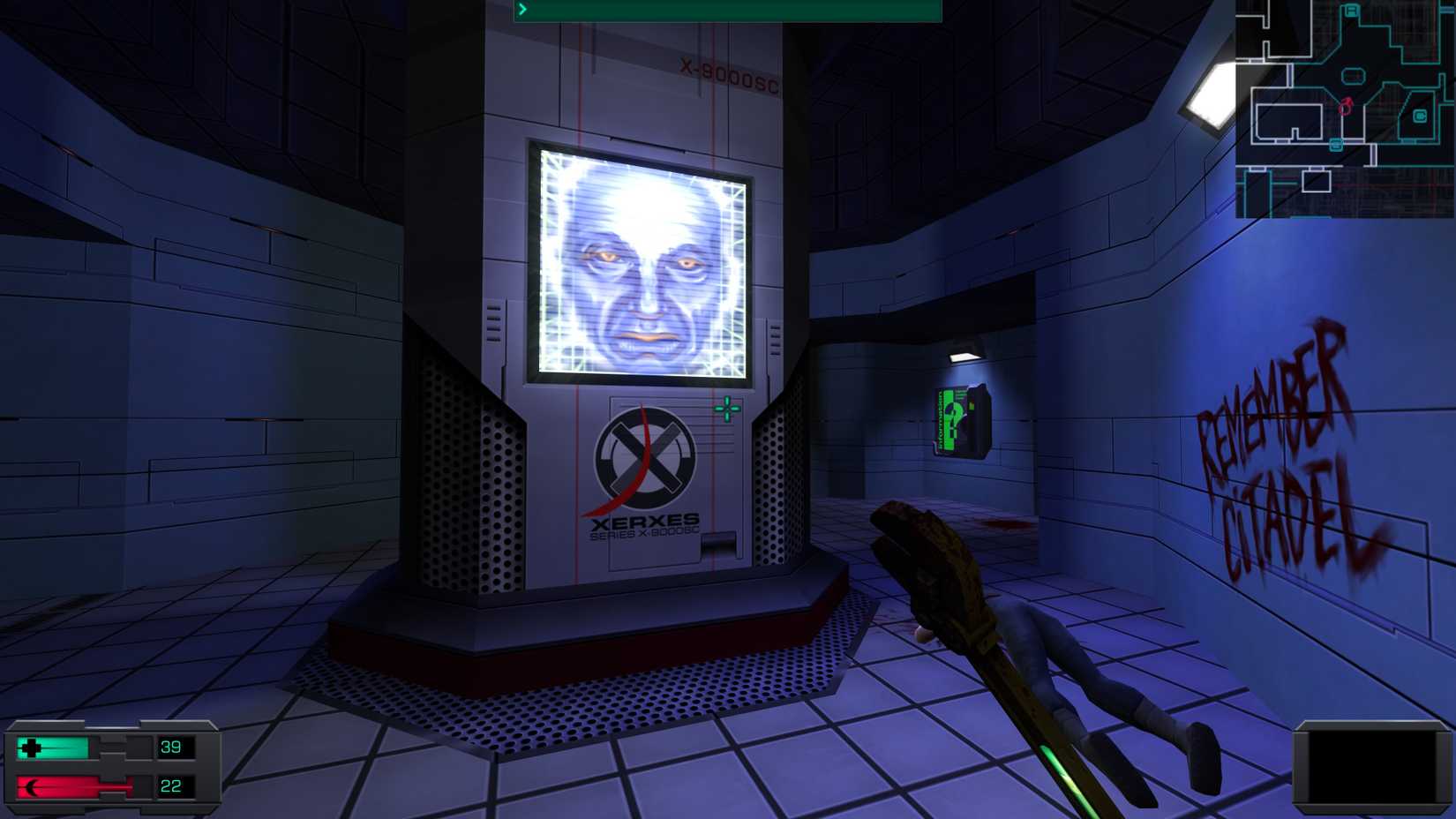
While the broader FNAF franchise has become a cultural juggernaut, the original game remains a masterclass in minimalist design. Released during a time when AAA horror was obsessed with "Action Horror" and cinematic set pieces, Five Nights at Freddy’s stripped everything back. It utilized static camera mechanics and simple power management to create a suffocating sense of anticipation. It proved that a single developer could redefine the genre’s mechanics, sparking a wave of indie horror that prioritized atmosphere over bloated budgets.
8. Phasmophobia (2020): Co-op’s New Standard
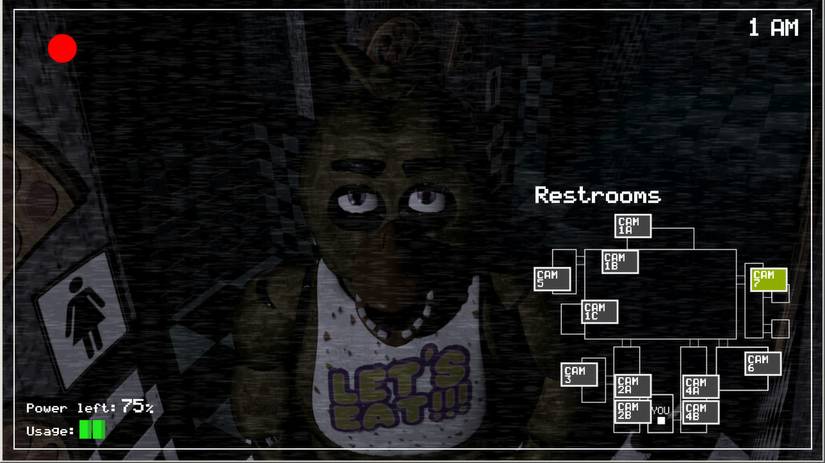
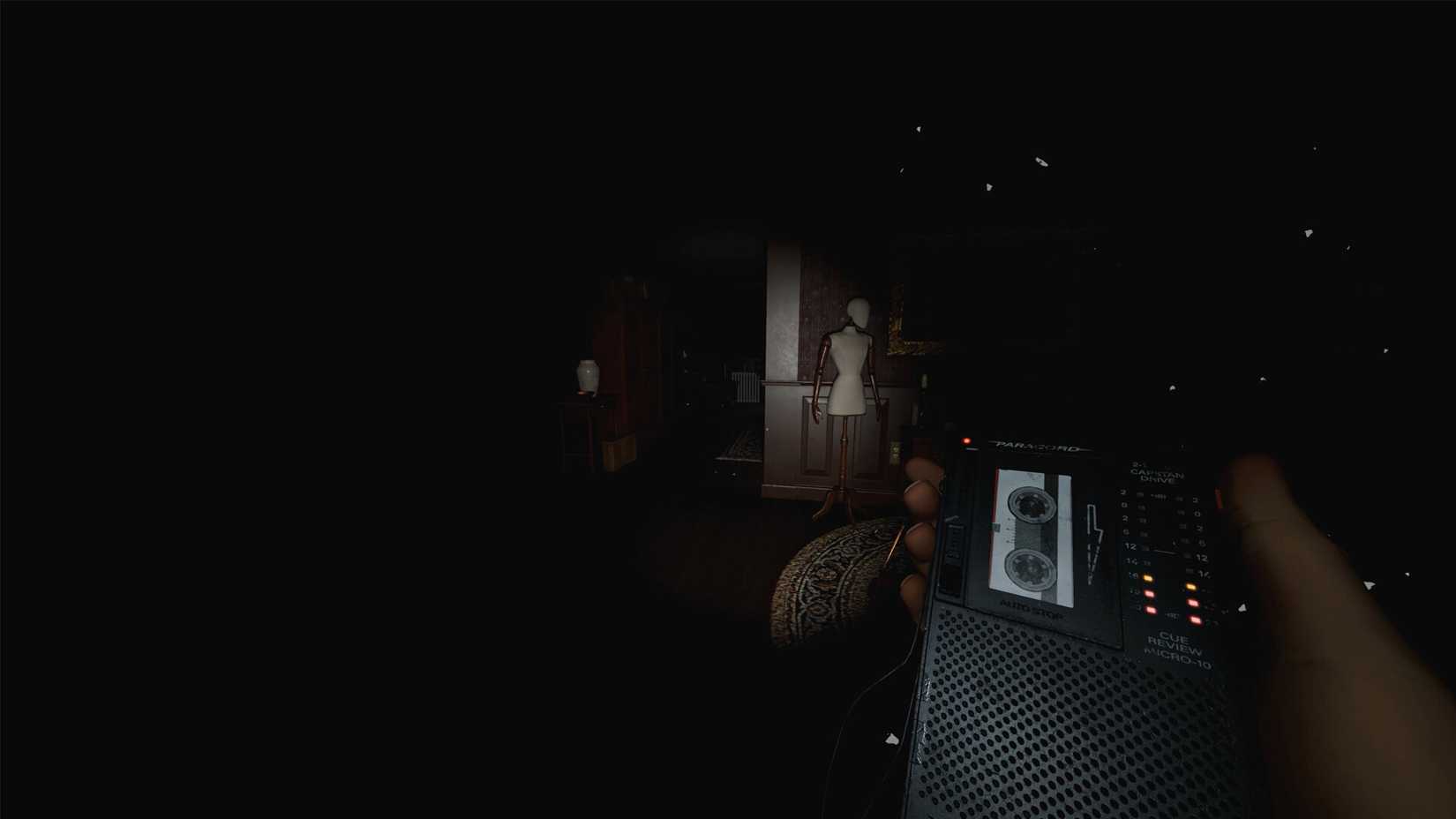
Co-op horror often suffers from a "safety in numbers" paradox, where the presence of friends dilutes the terror. Phasmophobia shattered this by weaponizing player communication. By forcing investigators to use proximity chat to coordinate and search for evidence, the game creates moments of genuine isolation even within a group. It remains the gold standard for multiplayer horror, proving that you don’t have to sacrifice genuine frights for social gameplay.
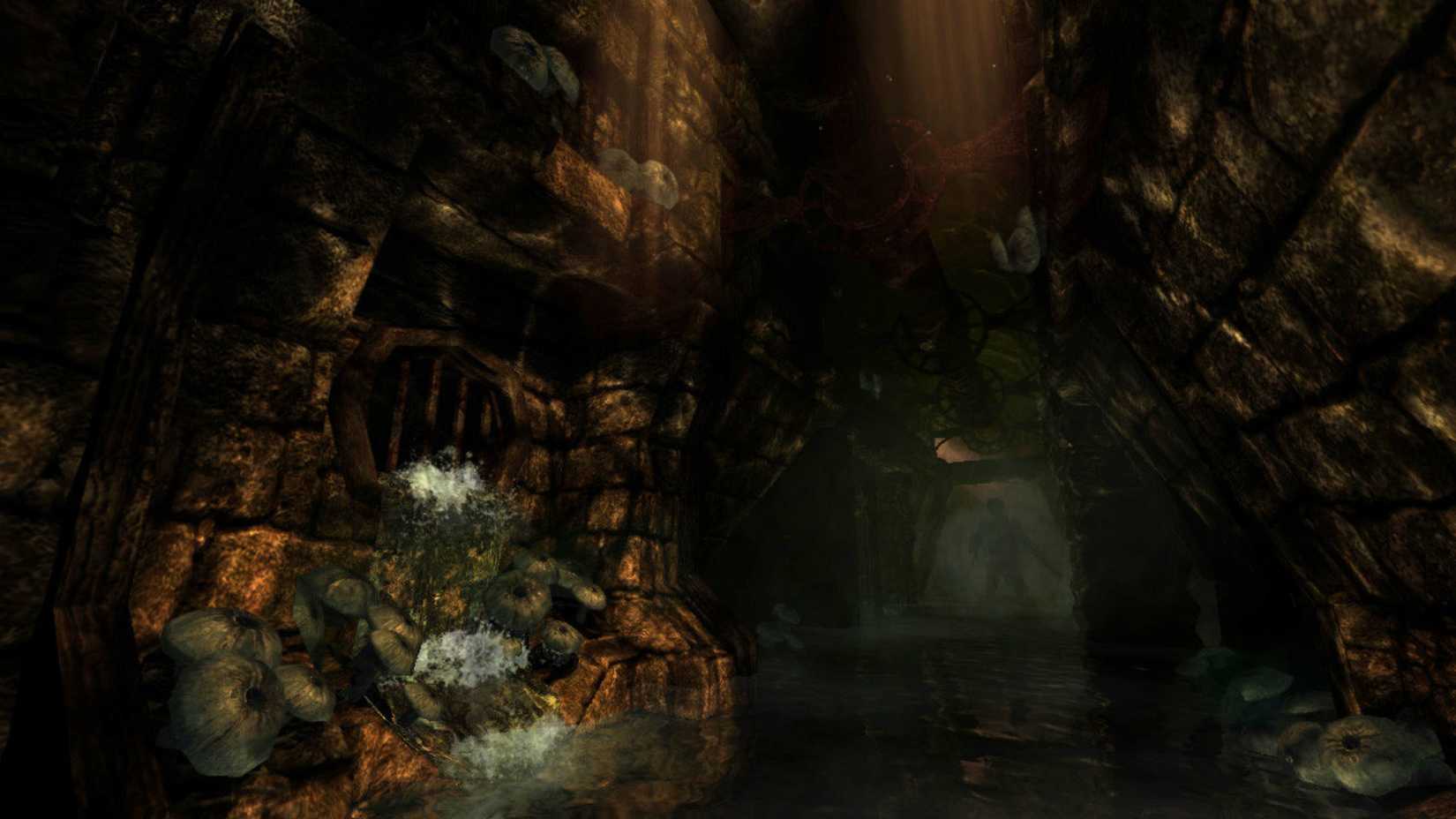
7. Amnesia: The Dark Descent (2010): The Power of Powerlessness
If Resident Evil gave us the tools to fight back, Amnesia took them away. By popularizing the "hide-and-seek" gameplay loop in a 3D environment, Frictional Games changed how developers approached enemy encounters. You are not a soldier; you are a victim. The game’s focus on light management and sanity-draining environments forced players to confront their own helplessness, a design philosophy that has influenced countless titles, including Outlast and Alien: Isolation.
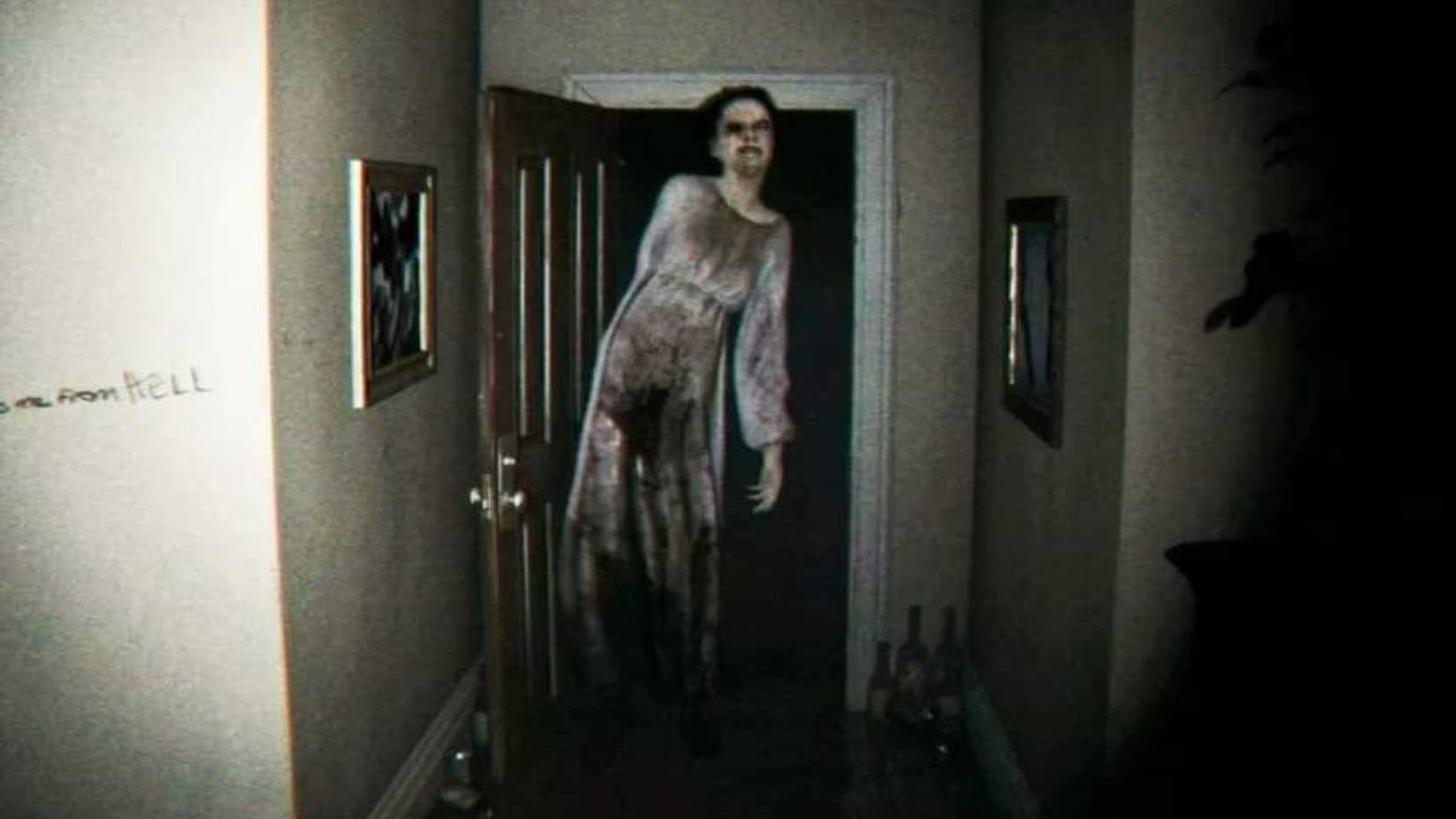
6. P.T. (2014): The Ghost of What Could Have Been
P.T. (Playable Teaser) occupies a tragic place in gaming history. Despite being nothing more than a demo for a cancelled Silent Hill project, its impact was seismic. By trapping players in a looping hallway and utilizing subtle, shifting environmental cues to build an unbearable sense of unease, it single-handedly forced a pivot in the AAA space back toward "horror-first" design. It serves as a reminder that the most terrifying experiences are often those that refuse to explain themselves.
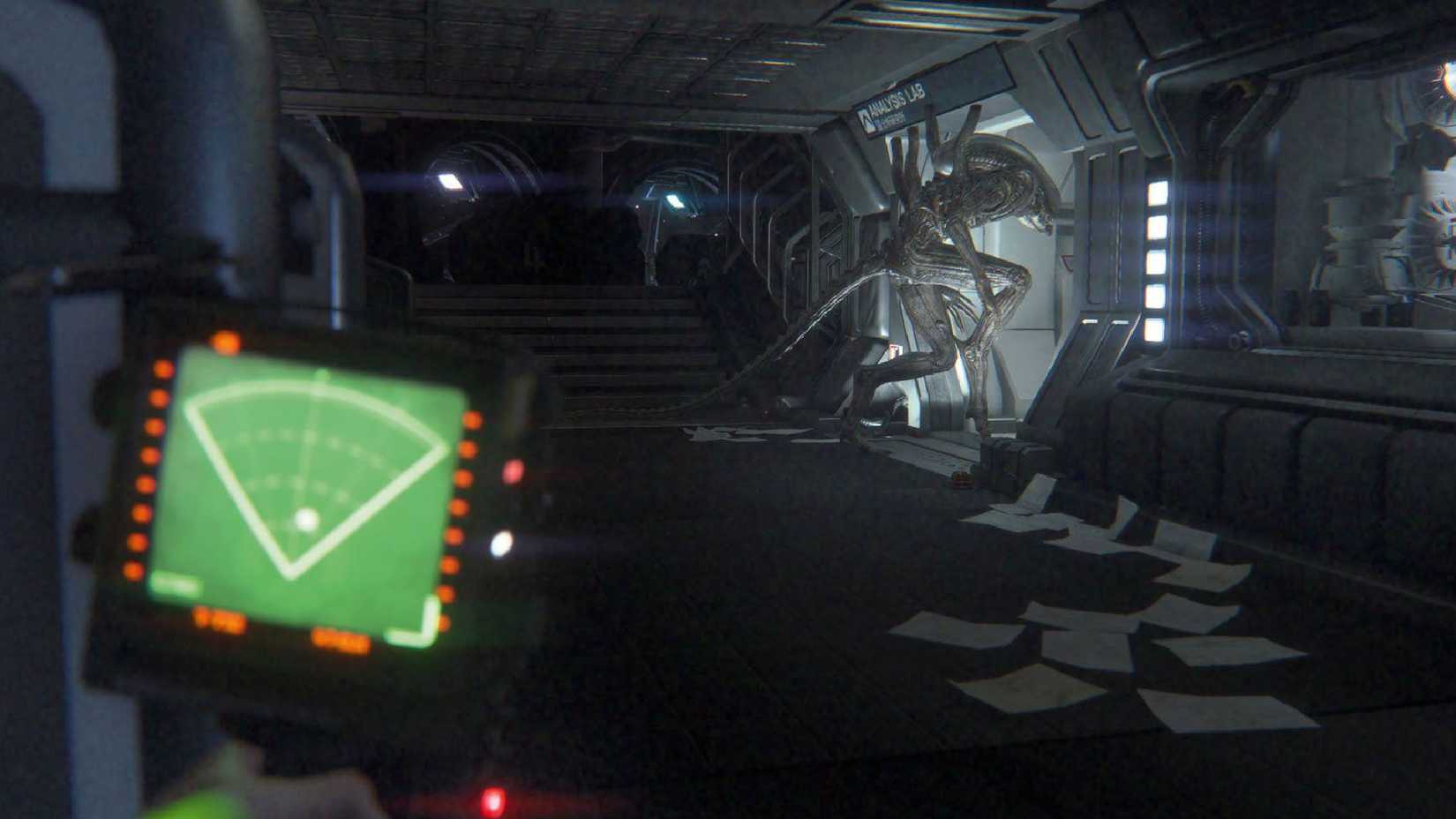
5. Alien: Isolation (2014): The Apex Predator AI
Alien: Isolation is a triumph of artificial intelligence. By creating a Xenomorph that truly hunts—learning the player’s patterns and adapting to their hiding spots—Creative Assembly turned the game into a persistent, living nightmare. It elevated the "stalker" trope, proving that when an enemy is smarter than the player, the resulting tension is far more potent than any scripted event.
4. Dead Space (2008): Sci-Fi Horror’s Gold Standard
Sci-fi horror is a difficult needle to thread, often leaning too far into action. Dead Space balanced this by introducing "strategic dismemberment." By forcing players to target limbs rather than heads, the game fundamentally changed combat mechanics. It turned the ship of the Ishimura into a claustrophobic tomb, proving that space is not just a setting, but a canvas for visceral, grotesque horror.
3. Eternal Darkness: Sanity’s Requiem (2002): The 4th Wall Breaker
A cult classic in the truest sense, Eternal Darkness was a bold experiment by Silicon Knights. Its defining feature was the "sanity meter." When your character’s sanity dipped, the game would manipulate your perception—hallucinations, false error messages, and even fake volume-bar fluctuations that broke the 4th wall. It remains the most creative implementation of psychological mechanics in gaming history.
2. Silent Hill 2 (2001): The Psychological Masterpiece
If horror is an art form, Silent Hill 2 is its magnum opus. It moved away from the "zombie outbreak" tropes of its peers to explore grief, trauma, and guilt. The town of Silent Hill acts as a mirror for the protagonist’s fractured psyche. Every monster and every alleyway is a manifestation of inner turmoil. Its influence on psychological horror is so absolute that nearly every modern game tackling these themes is compared to it.

1. Resident Evil (1996): The Blueprint
While Alone in the Dark may have laid the foundation, Resident Evil built the house. It defined the survival horror genre by balancing exploration, inventory management, and limited resources. It created the "Action Horror" era that would dominate the 2000s and provided the framework for almost every horror game that followed. To play Resident Evil is to study the history of the genre itself.
Supporting Data and Industry Implications
The commercial and critical success of these titles reveals a clear trend: the market for horror is resilient and evergreen. According to recent industry analysis, horror games consistently outperform their budget expectations. This is largely due to the "streamability" of the genre—horror games are inherently designed to be observed, making them perfect for platforms like Twitch and YouTube.
Furthermore, the "remake culture" currently dominating the industry—exemplified by the massive success of the Resident Evil and Dead Space remakes—proves that these foundational pillars have enduring value. Players are not just looking for new experiences; they are looking for the definitive versions of these genre-defining moments.
Official Perspectives and The Road Ahead
Industry developers often cite these ten games as "required reading." During various post-mortem panels and developer roundtables, creators from teams like Frictional Games, Capcom, and Bloober Team have acknowledged the "ripple effect" of these titles.
"You cannot make a modern horror game without acknowledging the path Silent Hill and Resident Evil paved," noted one lead designer during a recent industry retrospective. "They taught us that atmosphere is a mechanic in its own right."
The implications for the future are clear. As technology advances—specifically regarding procedural AI and VR immersion—we are likely to see a new era of horror. With Phasmophobia moving toward full release and the Silent Hill franchise seeing a resurgence, the genre is moving toward a synthesis of the "old guard" atmosphere and "new school" interactive systems.
Conclusion
The horror genre in gaming is defined by its ability to evolve. From the fixed camera angles of the Spencer Mansion to the hyper-intelligent Xenomorph stalking the halls of Sevastopol, these ten games have taught us that fear is not static. It is a dialogue between the player and the developer. As we look toward the next decade of gaming, we can be certain of one thing: the foundations laid by these giants will continue to support the next generation of nightmares. Whether you are a fan of psychological exploration or high-tension survival, all roads in horror eventually lead back to these ten masterpieces.


 Ammar Sabilarrohman
 Siti Muinah