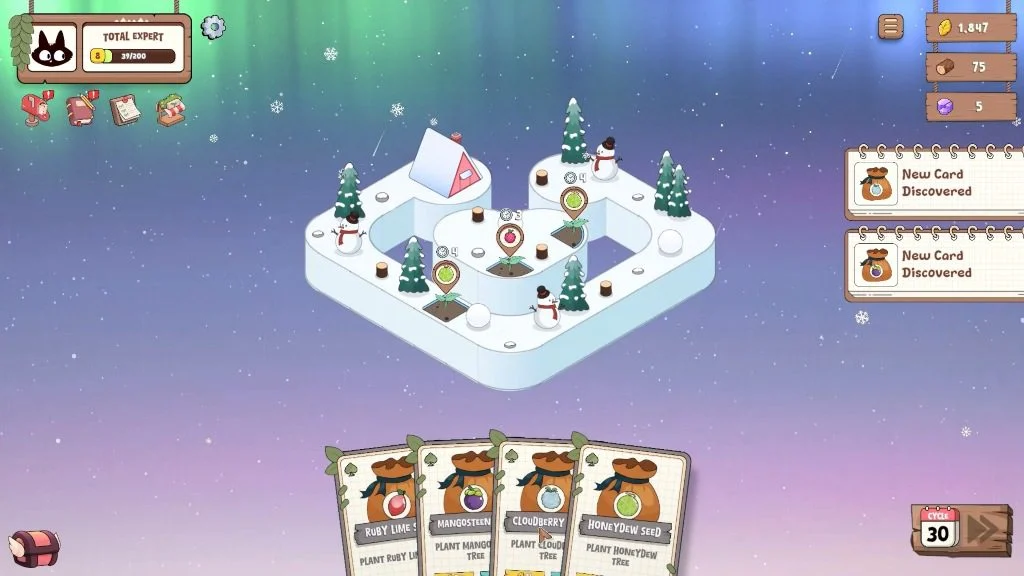
In an era where the “cozy game” genre has become a saturated marketplace of pastoral simulators and pixel-art life sims, it is rare to find a title that genuinely dares to innovate. Enter Life and Lemon, the latest project from solo developer Amberwind Games. By merging the relaxing, methodical pace of orchard management with the strategic depth of deck-building card games, Life and Lemon is positioning itself as a standout title for the 2027 gaming calendar.
With a scheduled PC release in Q2 2027 and a mobile port already in the early stages of development, the game promises to offer a unique blend of strategic agriculture and narrative-driven social interaction.
The Core Concept: A New Breed of Farming Simulation
At its heart, Life and Lemon is a game about mastery—not just of the soil, but of the systems that govern growth. Unlike traditional farming sims that rely on repetitive clicking or basic time-management loops, Life and Lemon introduces a tactile, card-based layer to every aspect of the orchard.
The Card-Driven Engine
Players do not simply plant seeds; they manage a deck of botanical potential. By collecting, fusing, and upgrading over 80 unique cards, players can influence crop traits, adjust growth cycles, and even mitigate the unpredictable nature of the game’s dynamic weather systems. This deck-building element transforms the orchard into a puzzle. How do you fuse a “Fast Growth” trait with a “High Yield” species to maximize profits before the season changes? The game demands both long-term planning and quick, reactive decision-making.
Discovering the Unknown
A central pillar of the gameplay is the discovery loop. Players are encouraged to cross-breed species to create entirely new, exotic fruits. This genetic tinkering serves as a high-reward mechanic that keeps players engaged beyond the initial harvest. As players progress, they gain access to advanced agricultural techniques, turning a simple patch of dirt into a high-tech, productive agricultural enterprise.
Chronology and Development Roadmap
The development of Life and Lemon has been a meticulous journey under the vision of a solo developer at Amberwind Games.
- Early Development Phase (2025–2026): The project began with the goal of creating a "cozy" experience that lacked the repetitive boredom often found in mobile farming games. The developer focused on the intersection of card mechanics and simulation, testing various fusion algorithms to ensure that the cross-breeding system felt rewarding rather than frustrating.
- Announcement and Trailer (Mid-2026): The official announcement arrived in the summer of 2026, accompanied by a reveal trailer that highlighted the game’s soft, inviting art style and atmospheric soundtrack. This was the moment the project transitioned from a passion project to a highly anticipated indie title.
- The Demo Phase (Late 2026 – Early 2027): Amberwind Games has confirmed that a free, limited-scope demo will be released on PC to allow players to test the core mechanics of orchard layout and card fusion.
- The PC Launch (Q2 2027): The full version of the game is slated for a Q2 2027 release on PC, which will serve as the primary sandbox for refining the game’s balance and features.
- Mobile Expansion (Post-Launch): Following the PC release, the developer has committed to a mobile version. While specific details on the mobile release date remain under wraps, the cross-platform vision is a central part of the developer’s long-term roadmap.
Supporting Data and Gameplay Mechanics
What makes Life and Lemon particularly compelling is its commitment to "addictive simplicity." The game manages to balance deep, complex systems with an aesthetic that is accessible and calming.
Biomes and Weather Systems
The world of Life and Lemon is not a singular, static map. Instead, it is divided into distinct biomes, each presenting unique challenges. One region might offer high-yield crops but suffer from unpredictable storms, while another might be a stable, temperate zone where growth is slow but consistent. These biomes necessitate different deck strategies, forcing players to adapt their cards to the environment.
Social Dynamics: Beyond the Trees
Farming is a lonely endeavor if not shared with others. The game features over 15 distinct, quirky characters. Building relationships with these NPCs isn’t just for flavor—it is a functional component of the game. As you grow closer to these characters, you unlock special items, gain access to rare cards, and trigger unique story events that flesh out the lore of the orchard world.
User Interface and Visuals
The visuals lean into a cozy, hand-drawn aesthetic that prioritizes clarity. Because the game relies on cards, the UI is designed to be clean and intuitive, allowing players to manage their deck and their crops without feeling overwhelmed by menus.

Official Perspective and Developer Vision
In recent communications, the solo developer behind Amberwind Games emphasized that Life and Lemon was born from a personal frustration with the current state of the farming sim genre.
"I found myself playing a lot of management titles, but I kept wishing for more agency over the process," the developer noted. "By bringing in card mechanics, I wanted to turn the act of farming into a conversation with the environment. It’s not just about waiting for a timer to finish; it’s about choosing the right card, the right time, and the right combination of traits."
The developer has been particularly vocal about the importance of the upcoming PC demo. "The community’s feedback during the demo phase will be the final piece of the puzzle. I want to ensure the difficulty curve feels right—challenging enough for strategy fans, but relaxing enough for those who just want to unwind after a long day."
Implications for the Indie Gaming Market
The success of Life and Lemon could signal a shift in the indie farming genre. For years, the market has been dominated by traditional life-sims. By incorporating deck-building—a mechanic typically reserved for competitive or roguelike games—Amberwind Games is proving that "cozy" does not have to mean "simple."
The Rise of Hybrid Genres
If Life and Lemon succeeds, we may see a wave of developers experimenting with similar hybridizations. The marriage of slow-paced simulation and high-agency mechanics (like deck-building or tower defense) could define the next generation of indie games.
Accessibility and Mobile Portability
The plan to bring the game to mobile is a strategic masterstroke. The "bite-sized" nature of card-based play makes it perfectly suited for mobile devices. Unlike massive open-world sims that require long sessions, Life and Lemon allows for a quick "fusion" session during a commute or a short break, effectively bridging the gap between hardcore PC strategy and casual mobile gaming.
Community-Centric Development
By maintaining an active presence on social platforms and prioritizing a public demo, Amberwind Games is fostering a dedicated community long before the game’s official release. This "build-in-public" approach has become the gold standard for successful indie launches, reducing the risks associated with solo development by ensuring the product matches player expectations.
Conclusion: A Garden Worth Waiting For
As we look toward the horizon of 2027, Life and Lemon stands out as a beacon of creative, low-stress, high-satisfaction gaming. It promises to satisfy the itch for both strategic depth and peaceful, rewarding gameplay. Whether you are a fan of the card-battler genre looking for a change of pace, or a veteran of the farming sim community seeking a fresh challenge, Life and Lemon is a title that deserves a spot on your watchlist.
With the demo on the horizon and the promise of a robust, cross-platform experience, Amberwind Games is set to prove that sometimes, the best things in life are found in the garden—provided you have the right cards in your hand. Stay tuned for more updates as the launch window approaches, and prepare to cultivate your dream orchard one card at a time.