Raul Delapena Setiawan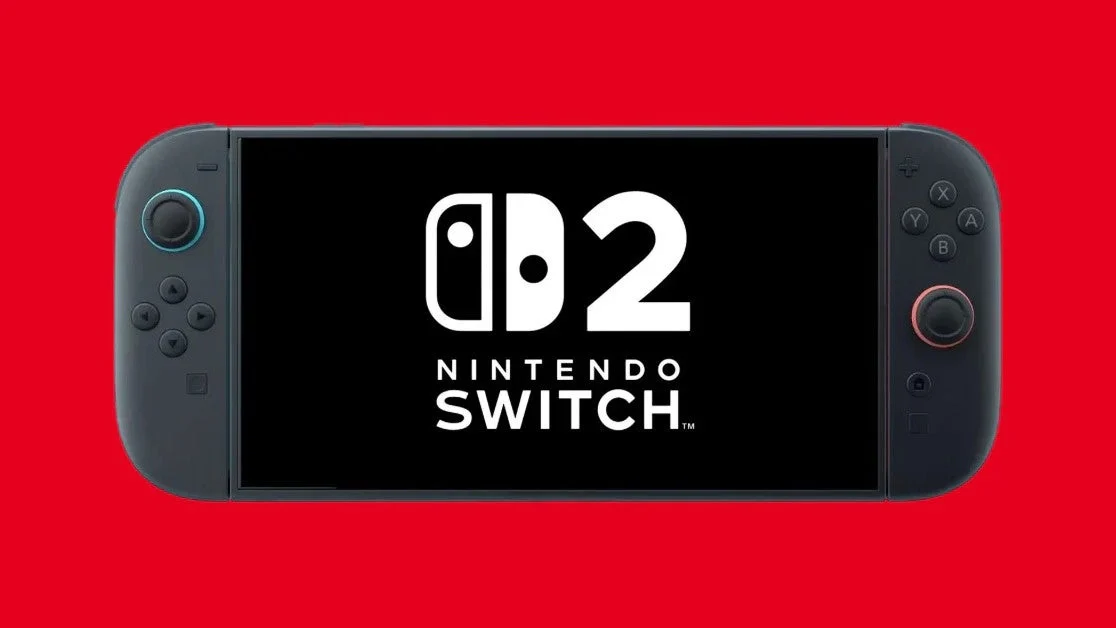
In an industry increasingly defined by the transition toward digital-first distribution and the gradual phasing out of physical media, the North American gaming market has witnessed a statistical anomaly that has captured the attention of analysts and enthusiasts alike. For the first time since 2009, physical video game spending in the United States has experienced a year-on-year increase.
Data provided by market research firm Circana reveals a modest yet significant 3% rise in physical software spending for the 12-month period ending in May 2026, pushing the total valuation to $1.6 billion. While this figure pales in comparison to the industry’s 2009 physical market peak of $11.5 billion, it represents a symbolic "moment of life" for a segment that many experts had already written off as a relic of a bygone era.
At the heart of this resurgence lies the launch of the Nintendo Switch 2. As market analysts parse the data, it has become clear that Nintendo’s latest hardware cycle has acted as a singular catalyst, momentarily defying the gravitational pull of the digital marketplace.
The Anatomy of the Rise: Understanding the "Switch 2 Bump"
To understand this uptick, one must look at the specific performance of Nintendo’s ecosystem. Mat Piscatella, senior director at Circana, characterizes the phenomenon with precise terminology: "The Switch 2 bump."
According to the data, physical software sales on Nintendo platforms have surged by approximately 26% compared to the previous year. This performance is the primary engine driving the total market’s 3% year-on-year growth. Without the influx of Switch 2 software purchases, the broader industry trend—characterized by double-digit declines in physical media across other console ecosystems—would have continued its downward trajectory unabated.
Chronology of the Shift
- 2009: The final year of consistent annual growth for the physical gaming market, valued at $11.5 billion.
- 2010–2024: A decade-and-a-half-long trend of erosion, as high-speed internet adoption and the convenience of storefronts like the PlayStation Store and Xbox Marketplace made digital downloads the industry standard.
- June 2025: The global launch of the Nintendo Switch 2.
- March 2026: Nintendo confirms the hardware has reached 19.86 million units sold globally, signaling massive consumer appetite.
- May 2026: Circana reports the first year-on-year growth in physical software spending since 2009, a direct result of the Switch 2’s software attach rate.
Supporting Data: By the Numbers
The resurgence is not merely a product of hype; it is backed by hardware adoption rates that have shattered expectations. In the United States alone, the Switch 2 broke launch-week records, moving over 1.1 million units in its first seven days on shelves. By May 2026, reports emerged that Nintendo was ramping up production by 20% to mitigate persistent stock shortages.
However, the "physical" nature of this software is evolving. A distinct trend identified by Piscatella is the rise of "code-in-the-box" releases. In the first half of 2026, roughly 30 titles have sold over 1,000 copies through physical retail via digital voucher codes. Titles like Just Dance 2026, Split Fiction, and Mario + Rabbids: Sparks of Hope serve as case studies for how publishers are maintaining a retail presence even when the physical disc is no longer the primary storage medium for the game data.
Despite this, the broader market remains tethered to digital distribution. Piscatella notes that the "overwhelming majority" of total sales are digital, and the second-hand market—a traditional pillar of physical retail—has become a negligible factor in the modern financial landscape.
Industry Implications: The Digital Inevitability
While the industry celebrates this brief moment of retail growth, the consensus among analysts remains somber regarding the long-term future of physical media.
The "Temporary Blip" Theory
Piscatella is quick to temper expectations. "This is highly likely to be just a temporary blip," he states. His analysis points to the reality that while Nintendo’s platform is enjoying a retail renaissance due to its unique hybrid hardware and consumer base, the PlayStation and Xbox ecosystems are continuing to see double-digit percentage drops in physical sales.
The industry is currently staring down the barrel of a "digital-only" future. A significant inflection point occurred with the announcement that Grand Theft Auto 6—the most anticipated title of the decade—will launch on November 20 as a download-only experience. In this instance, "physical" copies at retail will serve only as a vehicle for a digital redemption code. This move by a titan like Rockstar Games signals a clear direction for the industry: the elimination of the disc drive as a standard hardware component.
When Will the Market Bottom Out?
The question for retailers is not if the decline will continue, but when it will reach a state of equilibrium. "At some point, this will all bottom out—perhaps we’re getting there now," says Piscatella. The floor for the physical market, however, is determined not by consumer preference alone, but by hardware manufacturers.
If major players decide to cease production of consoles equipped with physical media drives, the market will effectively be forced to zero. The current Switch 2 success is therefore seen as a "last hurrah" of sorts—a testament to Nintendo’s commitment to physical game cards, which remain a preferred format for the company’s family-oriented, collector-focused demographic.
Strategic Responses and the Future of Retail
Nintendo’s strategy—maintaining physical game cards as a core component of their business model—stands in stark contrast to the trends set by Sony and Microsoft. This divergence has created a unique retail niche where Nintendo is the sole beneficiary of consumer demand for tangible products.
For brick-and-mortar retailers, this creates a precarious dependency. While they are currently buoyed by the high volume of Switch 2 sales, they are effectively tethered to a single platform’s lifecycle. The current success masks a deeper structural shift:
- Consumer Behavior: Players have become accustomed to the "instant gratification" of digital downloads.
- Publisher Profit Margins: By bypassing the middleman (retailers) and the costs of manufacturing, shipping, and logistics associated with physical goods, publishers maximize their per-unit revenue through digital stores.
- The Death of the Disc: As seen with the shift toward code-in-the-box, the "physical" box is becoming a marketing tool rather than a functional storage medium.
Conclusion: A Temporary Respite
The 3% growth in physical sales is a fascinating data point that highlights the enduring appeal of physical ownership, particularly among the Nintendo faithful. It is a win for collectors, for small-town retailers, and for those who believe that a library of games should be owned, not licensed.
However, looking at the macro-economic data provided by Circana, it is clear that this is an isolated event. The Switch 2 has provided a lifeline to a dying segment of the industry, but it is unlikely to reverse the tide. As we move toward 2027 and beyond, the industry will continue to lean into digital-only distribution models. The current uptick in physical sales will likely be remembered as the final major surge before the industry officially completes its transition to an all-digital, cloud-integrated future. For now, gamers and retailers alike should enjoy the presence of physical cartridges while they remain a viable, and indeed successful, part of the Nintendo experience.


 Siti Muinah
 Suro Senen