In the annals of PC gaming history, Valve’s "Steam Machine" initiative stands as a fascinating, albeit commercially ill-fated, experiment. Launched in the mid-2010s, the project aimed to bridge the gap between the living room console experience and the raw power of the desktop PC. While the hardware ultimately failed to capture the mainstream market, the spirit of the project never truly died.
Recently, tech enthusiast and blogger Matthew Brunelle proved that you don’t need a pre-packaged, proprietary box from Valve to achieve the console-like dream. By leveraging high-end cabling, Linux-based gaming distributions, and a healthy dose of technical ingenuity, Brunelle has turned his existing desktop workstation into the ultimate "Steam Machine" living room experience. His journey serves as a blueprint for modern gamers who refuse to compromise between the productivity of a PC and the comfort of the couch.
The Core Concept: Bridging the Desktop-to-Living Room Divide
The fundamental challenge Brunelle faced—a hurdle shared by millions of PC gamers—is the physical separation of the "battlestation" from the living room entertainment center. For most, the PC resides in a home office or bedroom, anchored by a desk, monitors, and keyboard. The living room, conversely, is the domain of the television, surround sound systems, and a more relaxed, controller-first gaming environment.
Historically, enthusiasts bridged this gap via two paths: building a dedicated, secondary "Small Form Factor" (SFF) PC, or attempting to stream content wirelessly. The former is expensive and requires twice the maintenance; the latter, while convenient, introduces latency, compression artifacts, and network instability that can ruin the experience for competitive or high-fidelity titles.
Brunelle’s solution was a return to basics, bolstered by modern fiber-optic technology. By running a 50-foot HDMI 2.1 fiber-optic cable from his office to his living room, he bypassed the limitations of wireless streaming entirely. This setup provides the near-zero latency of a direct connection, ensuring that his high-end hardware can deliver native resolution and frame rates to his television without the degradation inherent in remote-play solutions.
A Chronology of the Build
The realization of this project was not an overnight success but a calculated iterative process.
Phase 1: The Networking Compromise
Initially, Brunelle experimented with standard streaming protocols, such as Moonlight, Sunshine, and Valve’s native Steam Remote Play. While these tools have matured significantly, they remained insufficient for his specific requirements. As a power user, the "mirroring" aspect of these streams felt clunky; he desired a system that functioned like a dedicated console—a device that wakes, plays, and sleeps without constant manual intervention.
Phase 2: The Software Revolution (Bazzite)
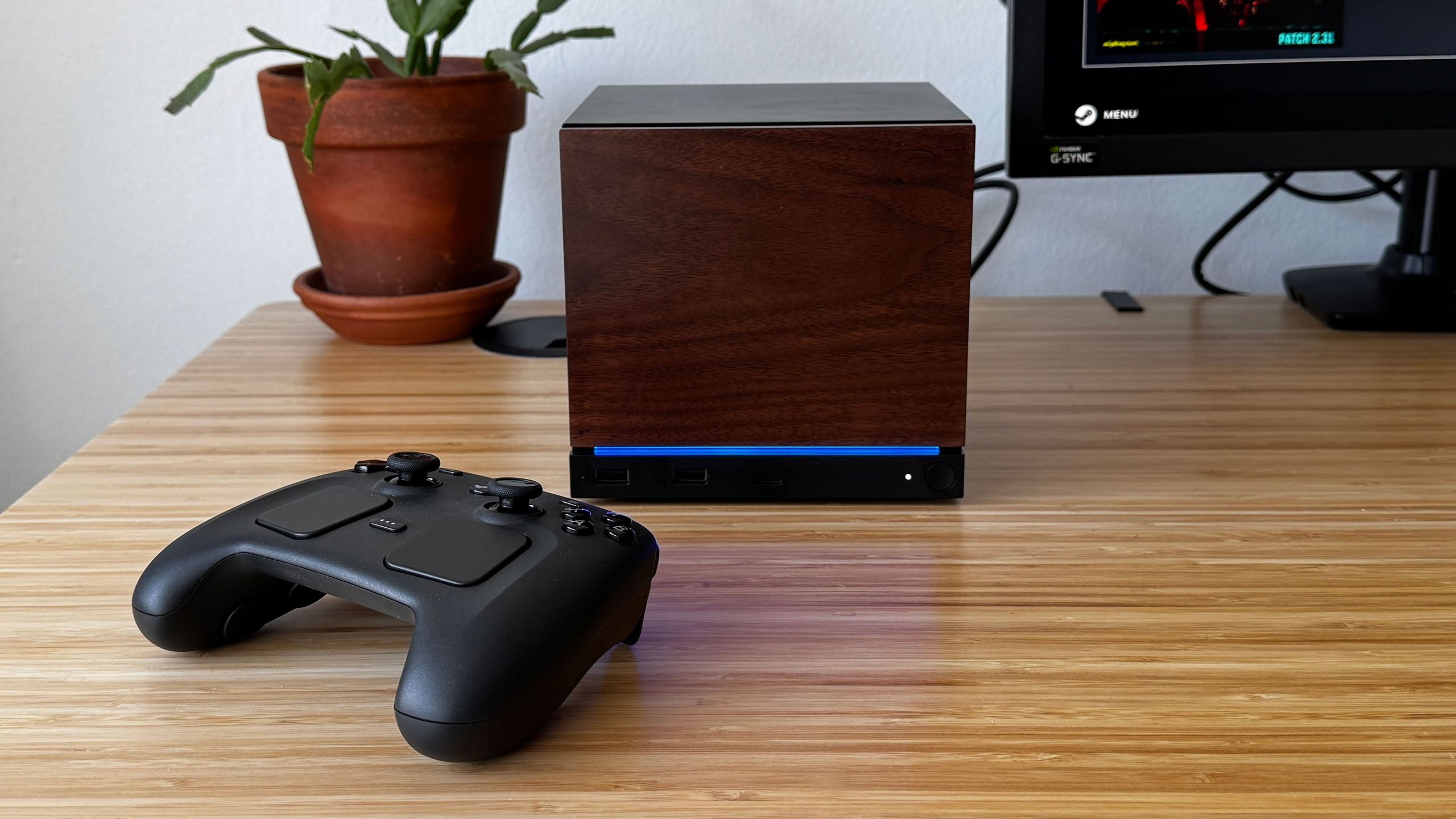
The critical turning point in the project was the discovery of Bazzite. An image of Fedora Linux, Bazzite is designed to provide an experience nearly identical to the Steam Deck’s "SteamOS" on standard x86 hardware. By installing Bazzite on a dedicated SSD within his workstation, Brunelle gained the ability to toggle his PC’s primary operating system. Upon boot, Bazzite automatically configures display outputs and audio routing to the television, effectively "console-izing" the PC.
Phase 3: The Physical Infrastructure
With the software in place, the hardware followed. The 50-foot fiber-optic HDMI 2.1 cable was the "secret sauce," enabling full-bandwidth 4K output at high refresh rates over a significant distance. This cable, priced at approximately $75, was meticulously routed along the house’s molding, creating a permanent, invisible bridge between the office and the living room.
Supporting Data: Why This Setup Works
The efficacy of Brunelle’s setup rests on three technical pillars:
- Fiber-Optic Signal Integrity: Traditional copper HDMI cables suffer from signal attenuation over long distances. Fiber-optic HDMI cables convert the electrical signal to light, allowing for 48Gbps bandwidth over 50 feet without loss of fidelity. This is crucial for modern HDMI 2.1 features like Variable Refresh Rate (VRR) and HDR, which are essential for a premium gaming experience.
- Linux-Based "Console" States: Bazzite leverages Steam’s "Big Picture" mode in a way that mimics a console’s deep-sleep and wake cycles. Unlike Windows, which often struggles with display handshakes after waking from sleep, the Linux-based environment handles the transition between the office monitor and the living room TV with far greater stability.
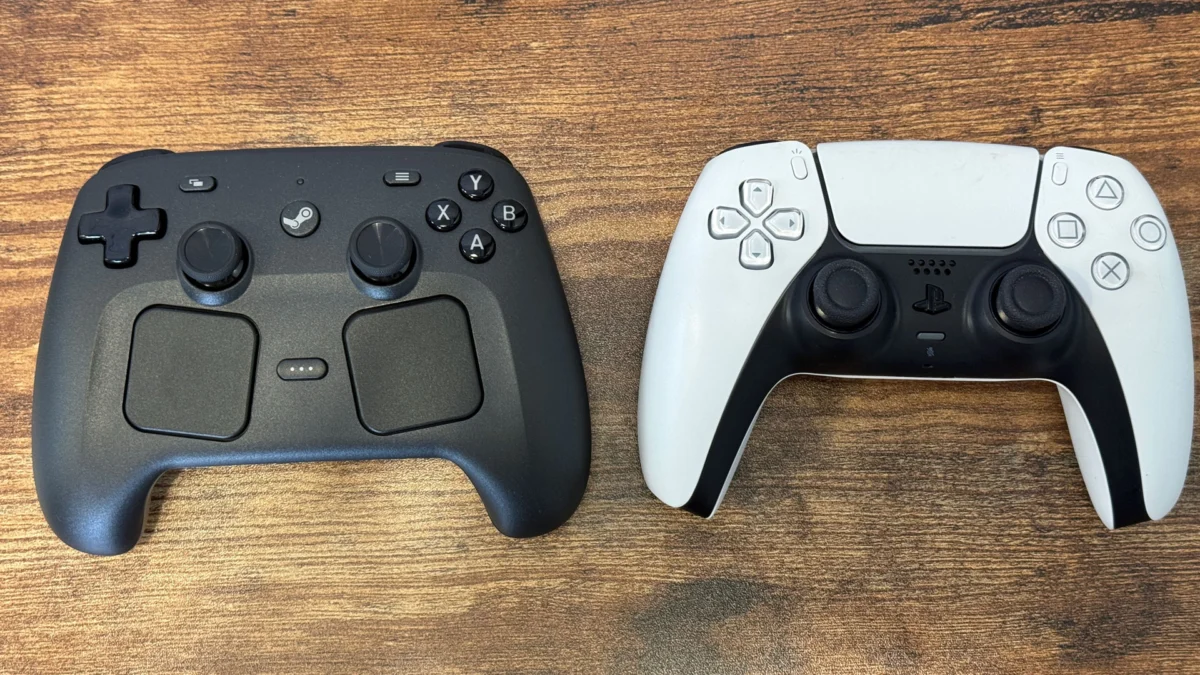
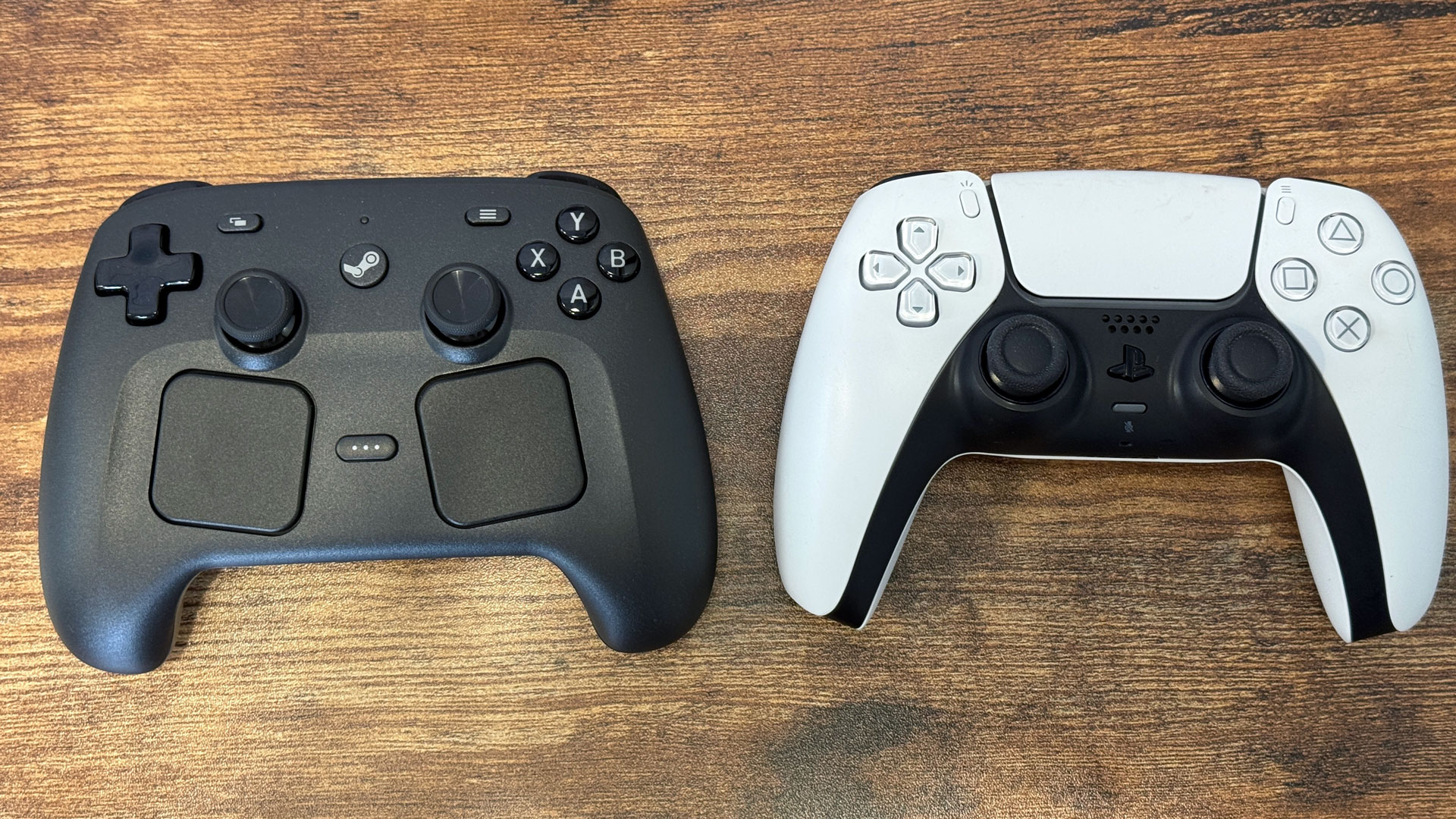
- Controller Reliability: The integration of the (upcoming/new) Steam Controller was the final piece of the hardware puzzle. While modern controllers like the Sony DualSense offer excellent compatibility, the Steam Controller provides the deep customization and robust, latency-free wireless connectivity required for a seamless couch experience.
The Dual-Boot Dilemma: Work vs. Play
A significant portion of the challenge in this project is the "dual-boot" nature of the machine. Brunelle uses his PC for work on NixOS, while Bazzite handles the gaming. Currently, this requires a manual restart and selection of the OS at the boot menu.
However, the implications of this setup go beyond simple convenience. Brunelle is actively experimenting with "hibernate-to-disk" features in Bazzite. The goal is to allow the PC to save the entire gaming state, reboot into the work environment, and return to the game later exactly where it left off. If successful, this would represent the "Holy Grail" of PC gaming—a single machine that functions as both a professional workstation and a high-end console with zero loss of progress or time-consuming reloads.
Implications for the Industry
The success of this DIY "Steam Machine" highlights several key trends in the current gaming landscape:
The Shift Toward Linux Gaming
The growth of projects like Bazzite, ChimeraOS, and Valve’s own SteamOS (for the Steam Deck) suggests a tectonic shift in PC gaming. Developers are increasingly targeting Linux, and users are finding that Windows is no longer the "mandatory" operating system for gaming. As these distributions become more user-friendly, the "console-ification" of the PC will likely become a standard enthusiast practice.
The Death of the "Proprietary Box"
Valve’s original Steam Machine failed because it tried to sell hardware that was often overpriced and lacked a clear advantage over custom-built PCs. Today, the "Steam Machine" isn’t a product you buy; it’s a standard of functionality you build. By using off-the-shelf components—a good GPU, a long cable, and the right OS—users can create a better experience than any pre-built box, at a fraction of the cost.
The Living Room as a Desktop Frontier
With the rise of OLED displays (like the LG C-series) that double as massive, high-refresh-rate monitors, the line between "TV" and "Monitor" is vanishing. Brunelle’s plan to upgrade to an LG C5 OLED highlights the end-game for this setup: a living room that offers the same, if not superior, visual fidelity to a professional studio desk.
Conclusion
Matthew Brunelle’s project is more than just a clever way to play games on a couch; it is a testament to the versatility of the personal computer. By refusing to accept the limitations of wireless streaming and the rigidity of proprietary consoles, he has reclaimed the vision of the Steam Machine.
Whether this leads to a resurgence of living room-optimized PC builds remains to be seen. However, for those who value the flexibility of a desktop combined with the comfort of a living room, the blueprint is clear. As software like Bazzite continues to mature and fiber-optic cabling becomes more accessible, the barriers between the desk and the couch will continue to dissolve, proving that the best gaming console is often the one you already own.