Sagoh
Sagoh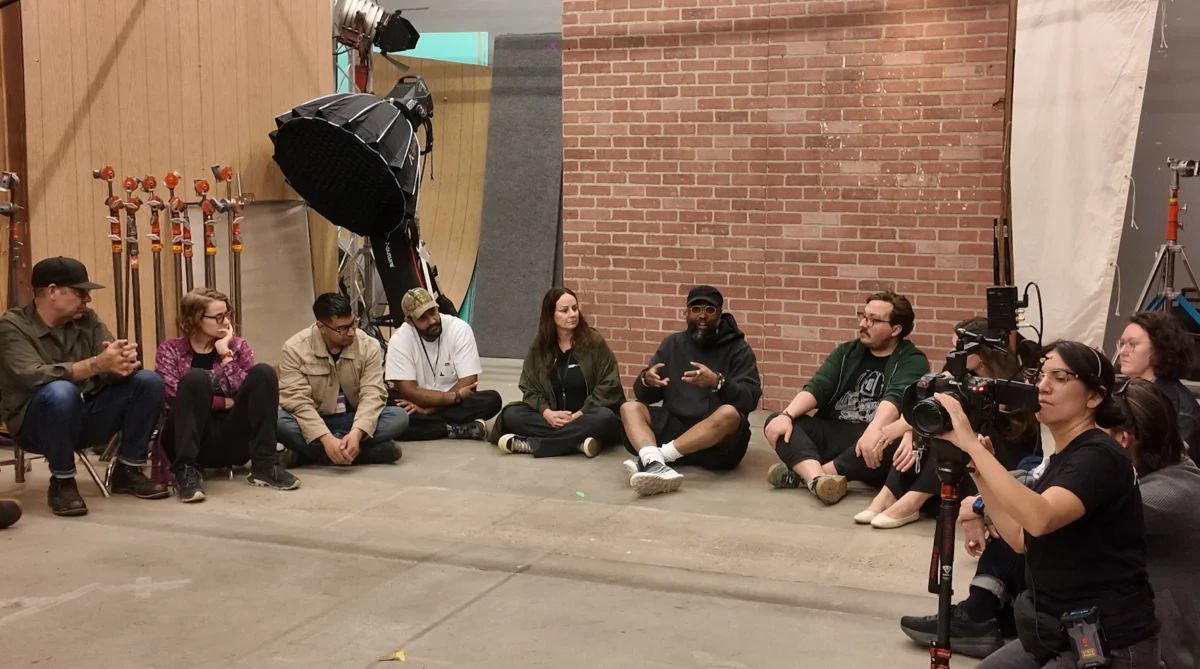
Filmmaking is inherently a collective effort, a high-stakes ballet where the camera department acts as the primary heartbeat of the visual narrative. Yet, for all the reliance on collaboration, the most senior voices in the industry—the department heads—rarely have the luxury of sitting down to compare notes on the philosophical and practical hurdles of their craft. For acclaimed cinematographer Natasha Braier, this professional isolation is not just a missed opportunity; it is a systemic flaw in the industry’s culture.
Braier, the visionary lens behind the neon-drenched brutality of The Neon Demon, the intimate, slippery fantasy of Honey Boy, and the boisterous, kinetic energy of I Love Boosters, has spent her career pushing the boundaries of visual storytelling. But as she scaled the heights of the industry, she realized that even after joining prestigious bodies like the American Society of Cinematographers (ASC), the sense of community she craved was often absent when she needed it most. To bridge this gap, Braier has launched "Deep Light," an expansive, multifaceted initiative designed to foster the next generation of cinematographers by focusing on the "why" of filmmaking rather than just the "how."
The Genesis of a Movement: From Isolation to Community
The origins of Deep Light trace back to the enforced stillness of the COVID-19 pandemic. While the world ground to a halt, the pause provided Braier with a rare moment of introspection regarding her own path. Reflecting on her early days as a student in Argentina, she remembers the scarcity of visible role models. "When I was a student, I knew of three [cinematographer] names that I could see in credits, but I didn’t even know how they looked," Braier told IndieWire. "So it’s important to reassure people and give them a mirror where they can see themselves in this career and keep going."
That desire to act as a mirror for the next generation evolved into a robust ecosystem. What started as a vague idea during lockdown has transformed into a comprehensive platform featuring mentorship programs, a global crew recommendation database, and a thriving Discord server. These spaces serve as a digital sanctuary where emerging talent can interface with working professionals, dissecting everything from technical lighting schematics to the daunting psychological realities of life on set.
Philosophical Re-centering: The "Meaning" Over the "Tool"
A central pillar of Braier’s mission is to pivot the industry conversation away from the relentless cycle of "gear-fetishism." In an era dominated by YouTube tutorials and Instagram feeds that prioritize the latest camera sensor or lens coating, Braier argues that the soul of the image is being lost.
"You have thousands of YouTube accounts and Instagram accounts and online things and publications, and everyone talks about the tools. And there’s new tools every day—new cameras, new light," Braier observed. "I felt like the conversation was really becoming about the tools and not about the meaning. What are we doing with these tools? What stories are we telling as filmmakers? Why do we want to be filmmakers? Why do we want to produce images?"

Deep Light is her answer to this technological noise. By stripping away the obsession with specs, the initiative forces participants to interrogate their own intent. It is an attempt to professionalize the "why" of the craft, ensuring that when a DP picks up a camera, the technical choices are driven by narrative necessity rather than trends or marketing materials.
A Curriculum of Vision: Workshops and "Through Their Eyes"
To ground these abstract questions in tangible experience, Deep Light has inaugurated a series of intimate, high-level workshops. The inaugural session, hosted at Panavision and led by the visionary cinematographer Bradford Young, served as a blueprint for the program’s ambition.
"We had 30 people, and Bradford, for two days, and it was amazing," Braier said. The workshop was intentionally structured to encourage total transparency, with segments kept off the record to allow for the kind of candid, unvarnished industry talk that is rarely found in public forums. These sessions are being curated into a digital archive, with a recorded version expected to launch in August, allowing the reach of these teachings to extend far beyond the room where they were filmed.
Complementing the technical workshops is the "Through Their Eyes" interview series. This project seeks to capture the career trajectories of notable cinematographers, moving past the standard press-junket questions about specific film productions. Instead, Braier digs into the formative influences and personal challenges that shape a cinematographer’s DNA. Recent installments have featured conversations with Lol Crawley, Michael Bauman, and Autumn Durald Arkapaw.
The initiative also includes a "Cine Club," a deep-dive exploration into the films that defined the aesthetic sensibilities of modern masters. By analyzing classics like Spike Lee’s Malcolm X through the eyes of someone like Arkapaw, members of the community gain a richer, more contextual understanding of the lineage of visual language.
Challenging the Industry’s "Success" Paradigm
Perhaps the most radical aspect of Deep Light is its stance on professional achievement. In Hollywood, there is a pervasive, often unspoken assumption that a successful career follows a linear trajectory toward blockbuster budgets and Marvel-tier spectacles. Braier, however, is a vocal proponent of the independent spirit, challenging the notion that leaving the indie scene is the ultimate goal.

"There’s always this perception that people in this town perceive success as going into studio movies, as getting out of indies to do Marvel," she noted. "I don’t want out of indies. I’m here for these kinds of movies. And so I think it’s important—this society gets you very confused, with Instagram and all these things. So for me, it’s like, what’s the idea of success? To me, success is doing movies that we love."
This perspective serves as a vital anchor for younger filmmakers who may feel pressured by the industry’s optics. By fostering a space where "success" is defined by artistic integrity and personal satisfaction rather than box office gross, Braier is helping to cultivate a generation of cinematographers who are less prone to burnout and more aligned with their own artistic voices.
The Implications for Future Filmmaking
The impact of Deep Light is already beginning to ripple through the cinematography community. By decentralizing knowledge and prioritizing mentorship, Braier is effectively dismantling the "gatekeeper" culture that has historically defined the cinematography world.
The implications are two-fold:
- Democratization of Mentorship: By providing a structured, accessible path for junior DPs to learn from masters, the industry can expect a more informed, articulate, and diverse cohort of filmmakers.
- Elevating Narrative Quality: If the next generation of cinematographers is trained to value narrative intent over technical performance, the visual quality of the medium stands to improve significantly. A cinematographer who understands the "why" behind their choices is far more likely to produce images that resonate with audiences on a subconscious, emotional level.
Ultimately, Natasha Braier’s project is an act of preservation. In a digital age where the craft of filmmaking is often commodified and accelerated, she is slowing the process down. She is ensuring that the wisdom of the current generation of DPs is not lost, but instead codified into a living, breathing community. For those who are currently struggling to navigate the early, difficult stages of their careers, Deep Light offers something more valuable than a camera recommendation: it offers a mirror, a community, and a reminder that the pursuit of beautiful images is, above all, a pursuit of meaning.


 Iffa Jayyana
 Nila Kartika Wati