

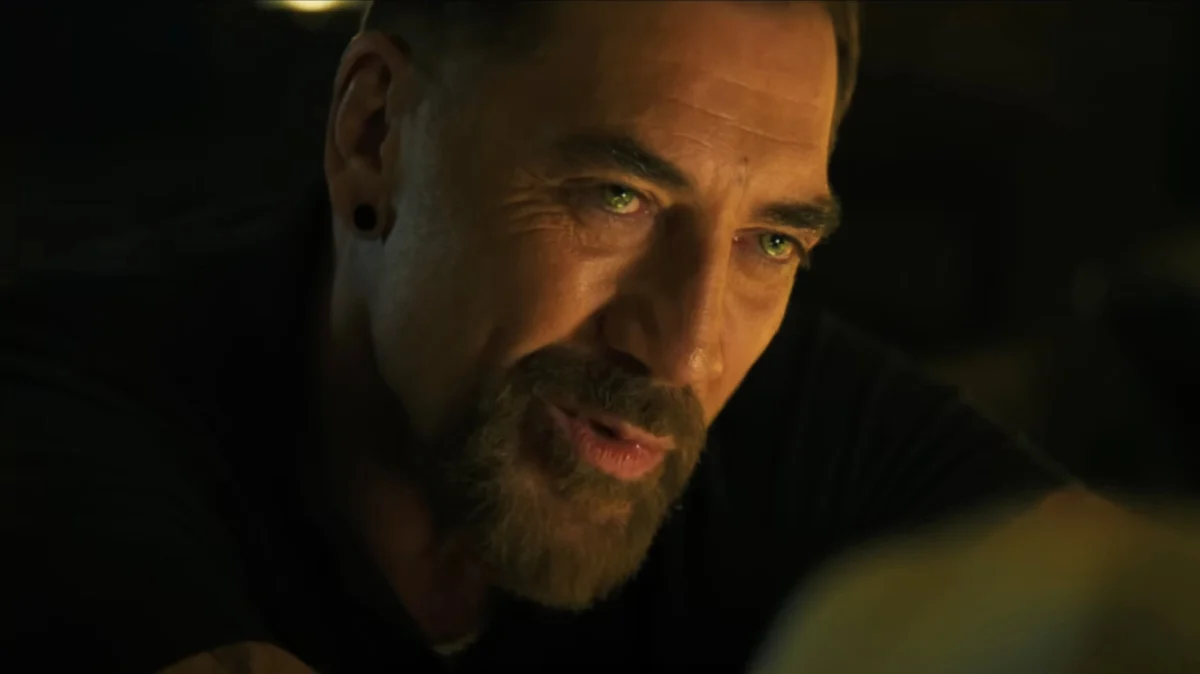
In the landscape of modern television, few genres are as challenging to reinvent as the psychological thriller. When the source material carries the heavy pedigree of John D. MacDonald’s 1957 novel The Executioners—a story twice adapted into iconic cinematic milestones by J. Lee Thompson (1962) and Martin Scorsese (1991)—the task becomes even more daunting. Yet, Apple TV+’s new Cape Fear limited series has managed the impossible: it has taken a well-trodden narrative of obsession and vengeance and transformed it into a fresh, expansive, and deeply unsettling 10-hour odyssey.
Central to this transformation is showrunner Nick Antosca’s unorthodox production philosophy. Rather than imposing a stifling, singular visual mandate, Antosca has fostered a creative environment that encourages directorial experimentation. Nowhere is this more evident than in the series’ sixth episode, "Possum," helmed by the enigmatic horror auteur Trey Edward Shults.
A New Chapter in a Storied Franchise
To understand the weight of the new Cape Fear, one must look at its lineage. The 1962 original established the template for the "home invasion" subgenre, anchored by Robert Mitchum’s chilling portrayal of Max Cady. The 1991 remake further solidified the story as a masterclass in gothic, southern-fried obsession, with Robert De Niro’s Cady becoming a permanent fixture in the cultural zeitgeist.
By shifting to an episodic format, the new Apple TV+ series has gained the breathing room necessary to explore the psychological decay of its characters in ways that a two-hour film simply cannot. The series does not merely retell the story of a lawyer being stalked by a vengeful criminal; it dissects the moral rot that binds these two men together.
The transition to a 10-hour format has allowed the creative team to expand the "Cape Fear" universe, turning what was once a lean, mean thriller into a sprawling, multi-layered nightmare. As the narrative progresses, the show leans into a surreal, feverish tone, culminating in mid-season peaks that challenge the audience’s perception of reality.
The "Possum" Factor: Trey Edward Shults Unleashed
Trey Edward Shults has long been a polarizing figure in independent cinema. From the suffocating tension of It Comes at Night (2017) to his more experimental projects, Shults has demonstrated a profound understanding of how to use the camera to evoke primal fear. While his career has seen its share of fluctuations, his technical prowess remains undeniable.
In "Possum," arriving on the platform this July 3rd, Shults is granted the autonomy to push the Cape Fear aesthetic to its absolute breaking point. Showrunner Nick Antosca notes that the series is built on a foundation of "escalation." As the story deepens, the internal logic of the characters becomes increasingly fractured.
![Cape Fear's Craziest Episode Let One Horror Director Truly Unleash [Exclusive]](https://www.slashfilm.com/img/gallery/how-cape-fears-craziest-episode-lets-one-underrated-horror-director-truly-unleash-exclusive/l-intro-1781053898.jpg)
"We had so many conversations at the beginning of the show about tone and style and escalation," Antosca explained in an exclusive interview. "Because this is a nightmare that gets more and more heightened as we go along, it means that each director who comes in has a style guide, but they also have an opportunity to bring in new things—new visual tricks, new cinematic language."
The sixth episode specifically leans into a psychedelic, subjective experience. "Once we get to episode six and there’s an acid trip," Antosca continued, "that’s Trey Edward Shults’ episode. There are things that he could do with subjectivity and this kind of feverish nightmare dream that hadn’t been done before." By allowing Shults to lean into his signature style—characterized by intimate, claustrophobic framing and disorienting sound design—the show achieves a level of psychological horror rarely seen in mainstream streaming television.
Chronology of a Creative Vision
The development of the Cape Fear series was marked by a deliberate departure from the standard "showrunner-as-dictator" model. The process followed a specific developmental trajectory:
- Foundation (Early Pre-Production): Antosca and his team established a baseline "style guide" to ensure the series felt cohesive. The goal was to maintain a consistent atmosphere of dread that would permeate every episode.
- Collaborative Briefing: Directors were hired not just for their ability to follow a script, but for their ability to contribute to the series’ evolving visual language.
- The "Escalation" Phase: As production moved toward the middle episodes (including "Possum"), directors were encouraged to deviate from the established norm to reflect the deteriorating mental states of the protagonists.
- Integration: The final edit ensured that while each director brought a distinct flair to their episode, the narrative thread remained unbroken, creating a bridge between traditional serialized drama and auteur-driven film.
Supporting Data: Why "Auteur Television" Works
The shift toward allowing directors to exercise creative control is a growing trend in high-end television, but it is rarely executed as effectively as it is here. Traditionally, episodic television is "writer-led," with the director serving as a "guest" who must adhere to the show’s established visual identity.
By contrast, the Cape Fear approach mirrors the success of anthology-style series like The White Lotus or the more experimental pockets of The Bear. By giving a director like Shults the keys to a high-stakes episode, Apple TV+ creates a "must-watch" event. When the audience knows that a specific episode will feature a distinct stylistic departure, engagement metrics typically rise.
Furthermore, the data suggests that audiences are increasingly drawn to "prestige" genre fare that respects their intelligence. By balancing the "structural integrity of a serialized show" with "the flourishes of an artist-driven film," Antosca has effectively widened the series’ appeal to both mainstream thriller fans and the indie-film crowd that follows directors like Shults.
Official Responses and Creative Philosophy
Nick Antosca’s approach to the production was collaborative from the outset. In our discussion, it was clear that he viewed the directors not as subcontractors, but as creative partners. When asked if this level of freedom was unique to Shults, Antosca was quick to clarify that the philosophy was universal across the season.
![Cape Fear's Craziest Episode Let One Horror Director Truly Unleash [Exclusive]](https://www.slashfilm.com/img/gallery/how-cape-fears-craziest-episode-lets-one-underrated-horror-director-truly-unleash-exclusive/intro-1781053898.jpg)
"Every director had opportunities to turn the screws in a new way," Antosca stated. This "turning the screws" is not merely a metaphor; it refers to the deliberate increase in stylistic tension. By empowering directors to experiment with "subjectivity," the series avoids the repetitive "cat-and-mouse" fatigue that plagues many long-form thrillers.
The creative risk here is clear: if the stylistic shifts are too jarring, the show could lose its narrative momentum. However, by anchoring these shifts in the internal psychological states of the characters, the show ensures that the visual experimentation feels earned rather than gimmicky.
The Implications for Future Thrillers
The success of Cape Fear serves as a case study for the future of the limited series format. As streaming platforms compete for market share, the differentiator is increasingly becoming the "auteur signature." Shows that allow for creative deviations, while maintaining a strong narrative core, are better positioned to retain audiences over long release schedules.
If "Possum" proves to be the standout episode that critics and fans expect, it may set a new standard for how genre television is produced. We may see more shows actively recruiting directors known for their singular, sometimes divisive, film work, rather than relying on television workhorses.
Final Verdict: A Masterclass in Tension
Cape Fear is more than just a remake; it is a reinvention of the psychological thriller for the streaming age. By fostering an environment where directors like Trey Edward Shults can bring their own unique visual vocabulary to the table, Nick Antosca has ensured that the series remains unpredictable, terrifying, and visually arresting.
As the series continues its run on Apple TV+, viewers should prepare for a ride that is far more than a simple game of cat and mouse. It is a descent into the human psyche, rendered with the precision of a master auteur and the structural weight of a premium drama. Whether you are a fan of the original source material or a newcomer to the Cape Fear franchise, this series demands your attention—if only to see how far the directors are willing to go.
Cape Fear is currently streaming on Apple TV+.








