Laily UPN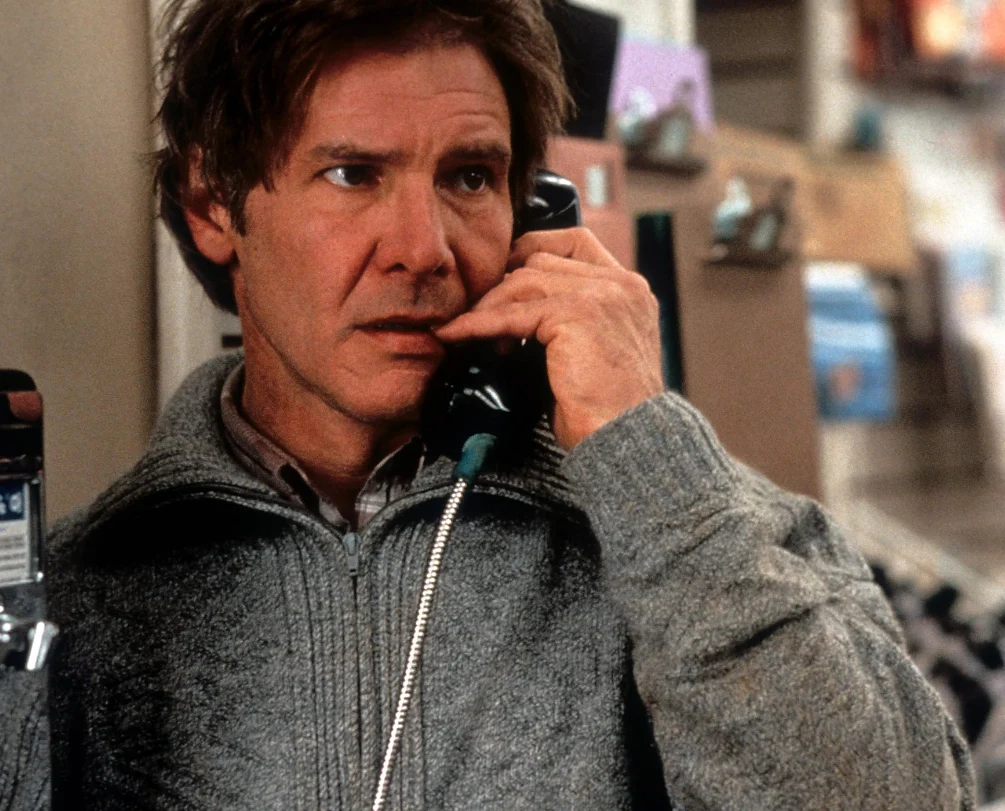
By Editorial Staff
July 2, 2026
In the realm of cinema, the protagonist is traditionally defined by their ability to navigate—and ultimately overcome—the obstacles placed in their path. The "hero’s journey" is predicated on conflict; without a challenge, there is no narrative progression. However, a fascinating subset of cinematic storytelling involves characters who serve as the primary engineers of their own suffering. These heroes possess the agency to simplify their lives or resolve their dilemmas with ease, yet they choose paths of maximum resistance.

While these self-sabotaging decisions are often the engine that drives a film’s tension, they frequently leave audiences shouting at the screen. From impulsive teenagers to world-saving Jedi, here is an exploration of 15 iconic movie heroes who, through ego, pride, or poor judgment, turned their own lives into an uphill battle.
The Psychology of Self-Sabotage in Cinema
To understand why these characters consistently make life difficult, one must look at the narrative necessity of conflict. A screenplay where a hero makes the "logical" choice—such as calling the police, speaking honestly about feelings, or walking away from a fight—would likely result in a 10-minute film.
Psychologically, these characters often suffer from a "tragic flaw"—a trait that, while often noble in spirit (like bravery or determination), becomes a catalyst for disaster when applied without moderation. The following analysis breaks down these archetypal heroes into their respective spheres of influence, examining the mechanics of their self-inflicted struggles.
Chronology of Impulsive Heroes
The Reluctant Communicators: Scott Pilgrim and Peter Parker
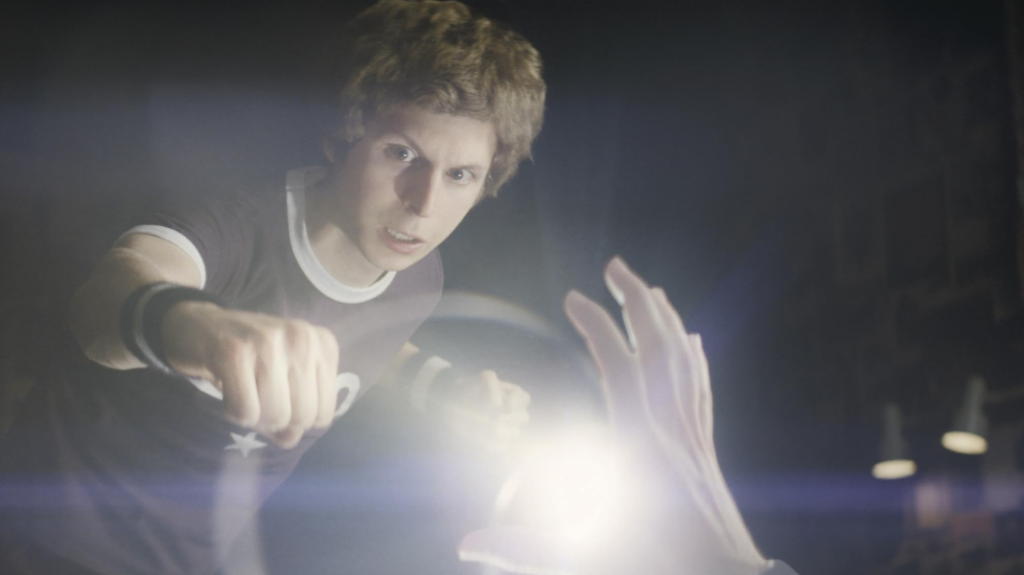
At the top of the list, Scott Pilgrim (Scott Pilgrim vs. the World) represents a generation defined by the fear of emotional vulnerability. Scott’s refusal to be transparent about his past and present romantic entanglements serves as the primary conflict of the film. Had Scott engaged in even basic, honest communication, he could have mitigated half of his "boss fight" encounters.
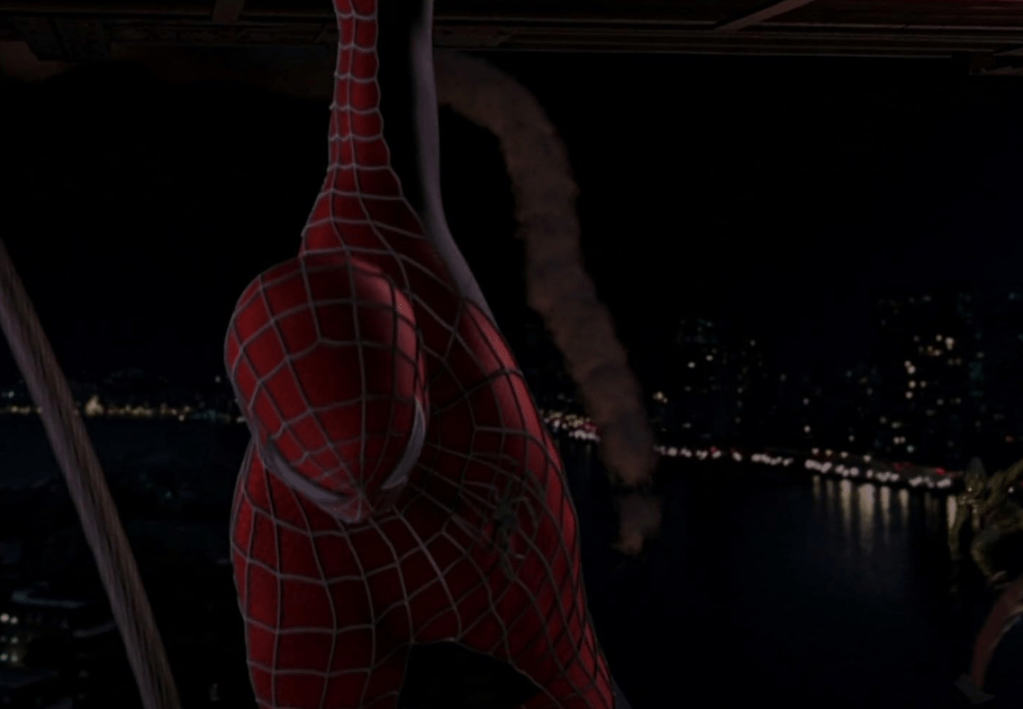
Similarly, Peter Parker (Spider-Man) operates under the misguided belief that the "burden of responsibility" must be carried in absolute isolation. His penchant for keeping secrets from his loved ones and his stubborn refusal to accept aid from fellow heroes frequently causes more damage to his personal life than the supervillains he fights. His struggle is a classic study in the failure of the "lone wolf" archetype.
The Ego-Driven Instigators: Marty McFly, Lightning McQueen, and Daniel LaRusso
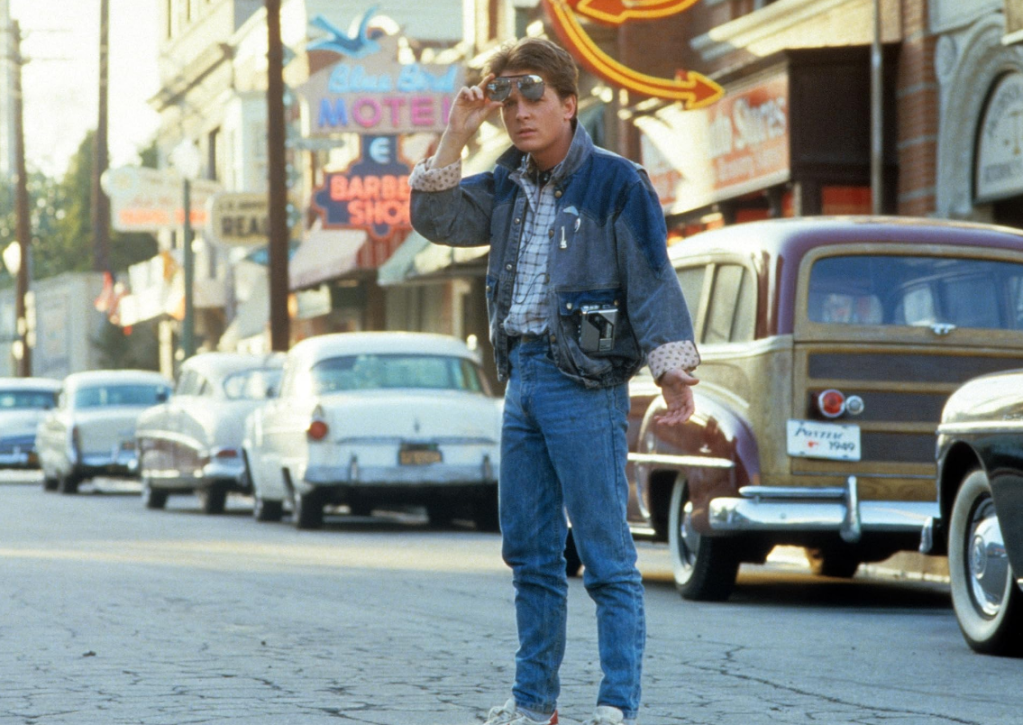
The "pride-driven" hero is a staple of 80s and 90s cinema. Marty McFly (Back to the Future) possesses a specific trigger: the word "chicken." His inability to ignore a petty insult repeatedly forces him into life-threatening scenarios. It is an objective fact that Marty’s life would have been vastly more peaceful had he simply walked away from his rivals’ taunts.

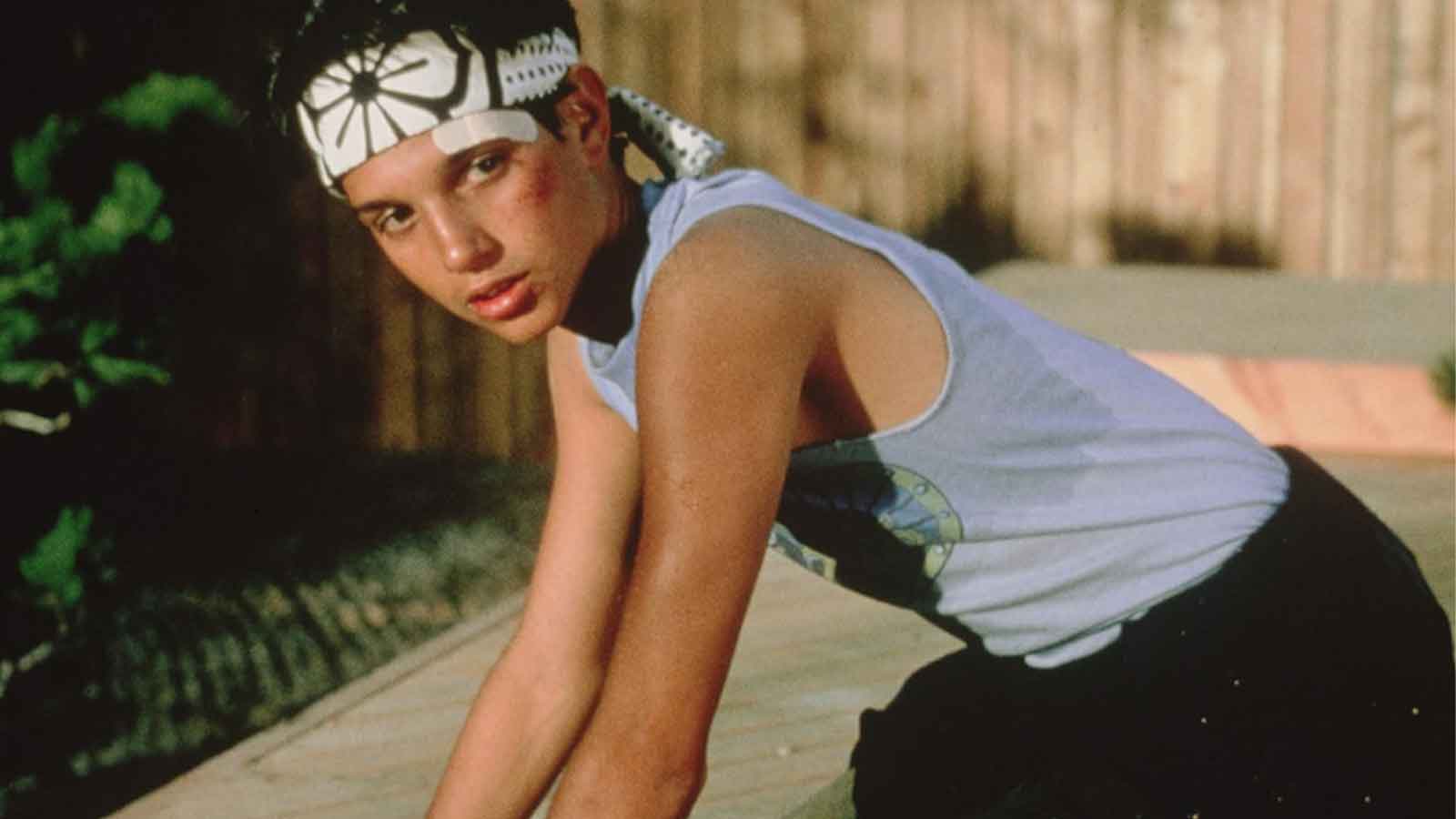
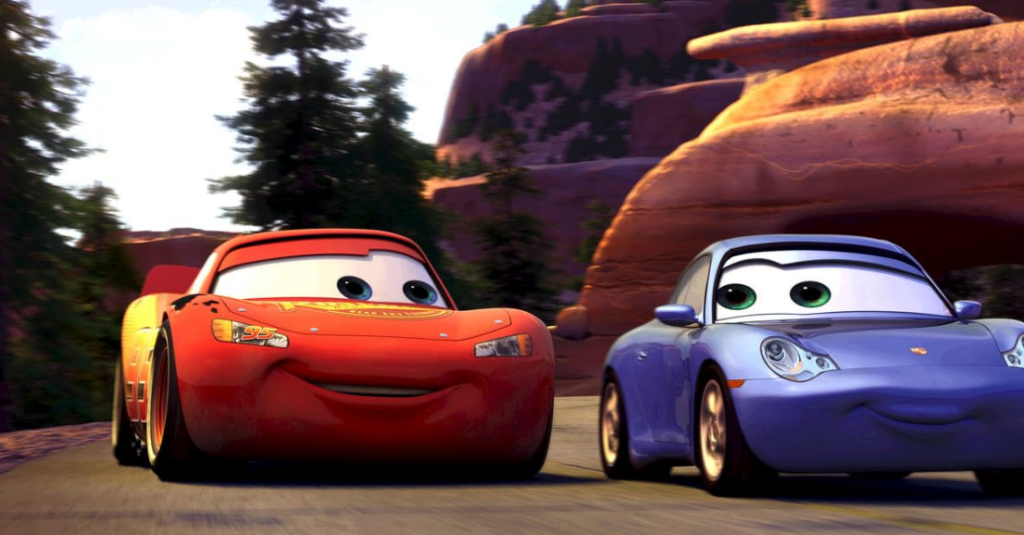
Lightning McQueen (Cars) shares this trait, albeit in a professional context. His arrogance and refusal to rely on a pit crew cost him the Piston Cup and landed him in Radiator Springs. Had he exercised humility, his journey would have been a straight line rather than a detour through the rural wilderness. Daniel LaRusso (The Karate Kid) rounds out this group; while he is often cast as the victim of Cobra Kai’s bullying, his own impulsive nature and tendency to escalate conflicts frequently ensure that he remains a target longer than necessary.
Supporting Data: When Good Intentions Go Wrong
The following characters prove that even when a hero’s heart is in the right place, a lack of foresight can create catastrophic outcomes.
The Misguided Visionaries
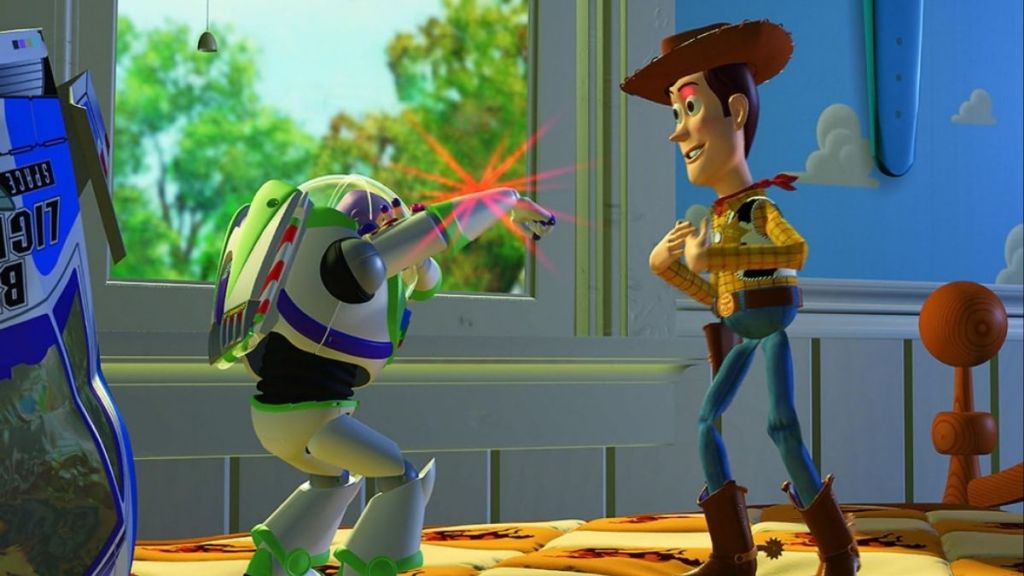
- Woody (Toy Story): Woody’s descent into petty jealousy over Buzz Lightyear is the textbook definition of a self-created crisis. His attempt to "remove" his competition resulted in both toys being lost, proving that internal conflict is often more dangerous than any external threat.
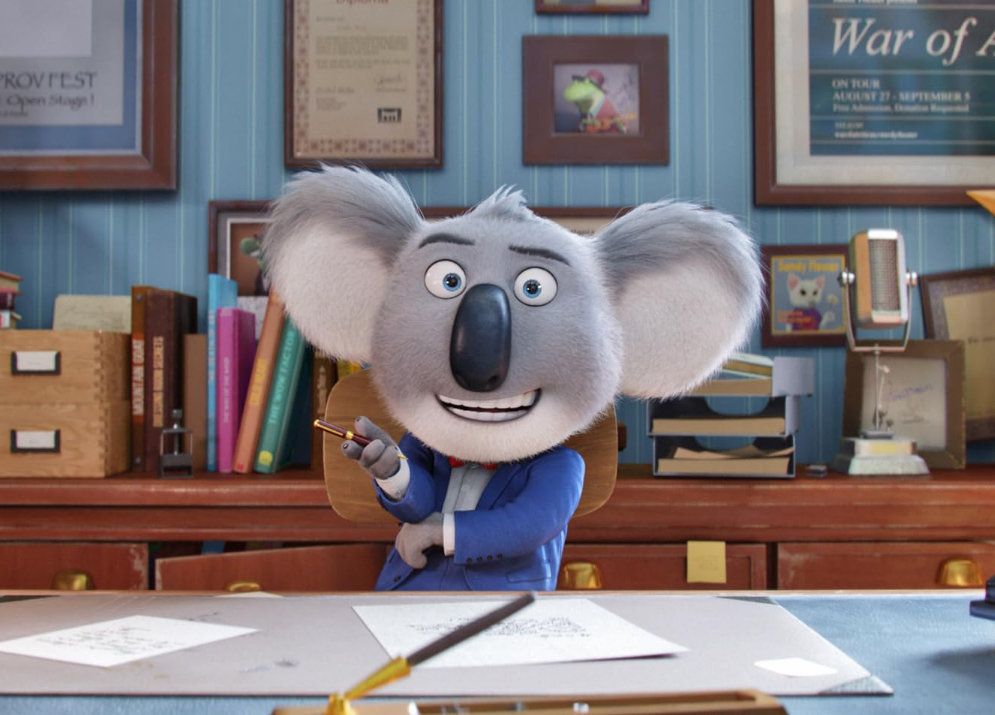
- Buster Moon (Sing): A master of reckless optimism, Buster’s decision to promise prize money he did not possess effectively turned his theater into a pressure cooker of debt and social disgrace. His refusal to be honest about his financial standing forced everyone involved in his production into a corner.
- Chris Gardner (The Pursuit of Happyness): While his struggle is one of the most inspiring in film history, his decision to invest his life savings in a product (bone-density scanners) that had no proven market demand serves as a harsh lesson in financial literacy. His persistence is laudable, but the initial hardship was a byproduct of a singular, high-risk choice.
The Isolated Souls
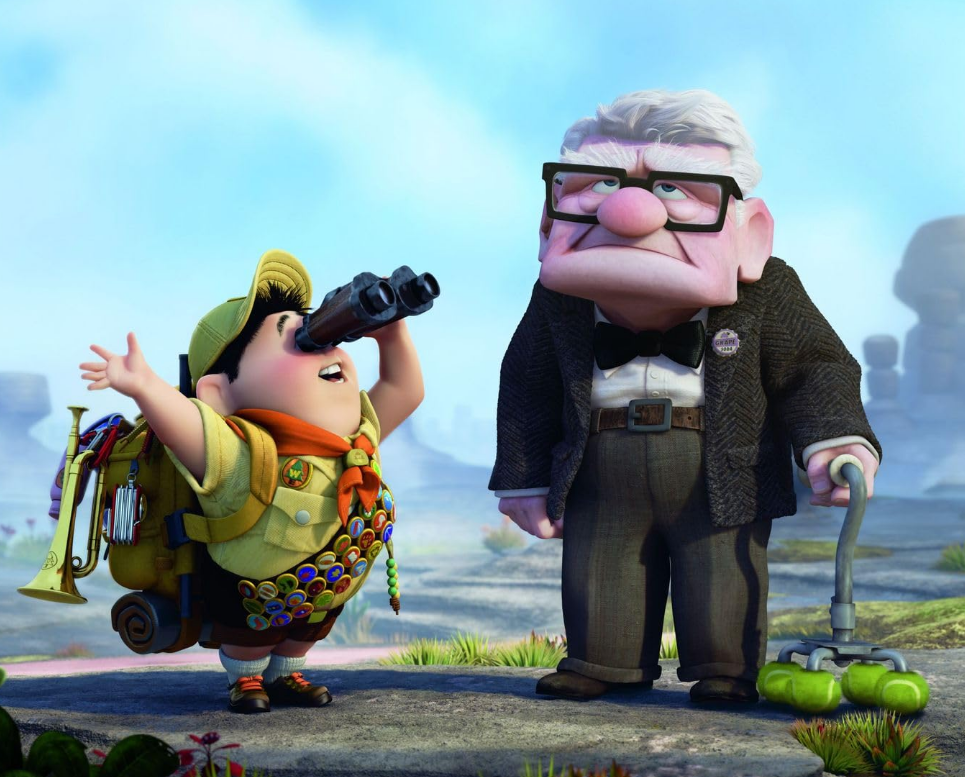
- Carl Fredricksen (Up): Grief is a powerful motivator, but Carl’s choice to turn his house into a fortress of solitude was a defensive mechanism that prevented him from healing. By pushing away those who cared for him, he allowed his world to shrink until he was forced, by literal flight, to re-engage with humanity.
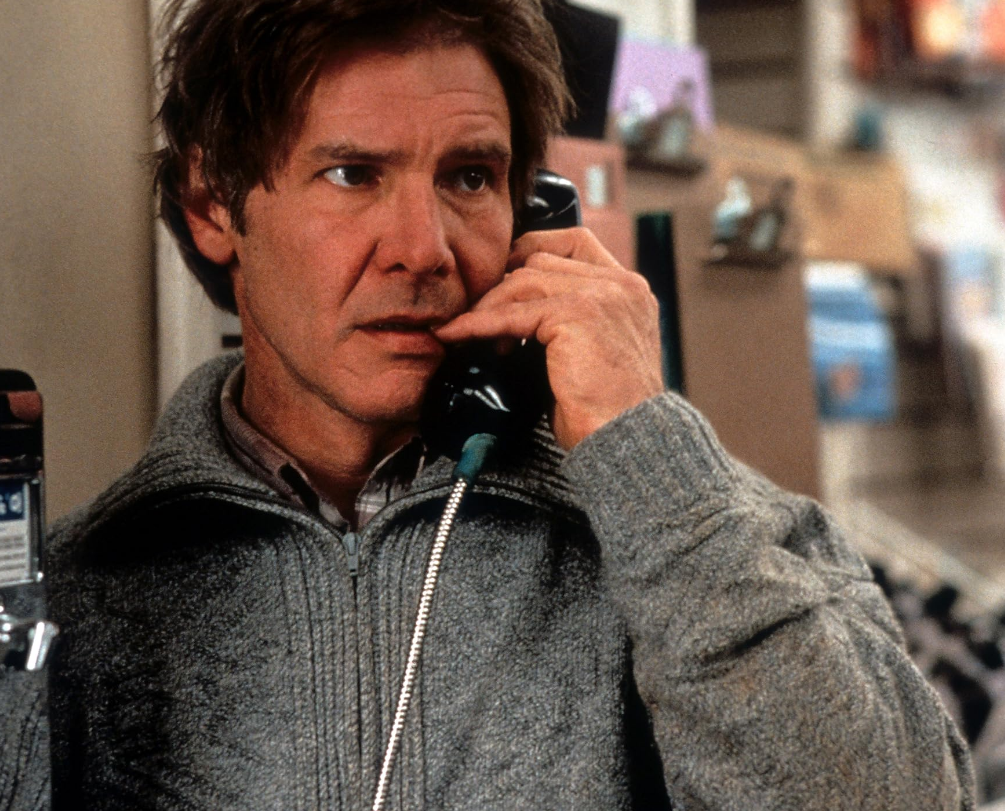
- Dr. Richard Kimble (The Fugitive): While framed for murder, Kimble’s decision to go rogue and conduct his own investigation—rather than trusting his legal counsel or the authorities—is a high-stakes gamble. It makes for an iconic thriller, but in a real-world scenario, his lack of transparency with the law only serves to keep the handcuffs on his wrists longer.
Official Responses and Narrative Implications
Why do writers continue to pen heroes who sabotage their own success? The answer lies in the "Growth Arc."
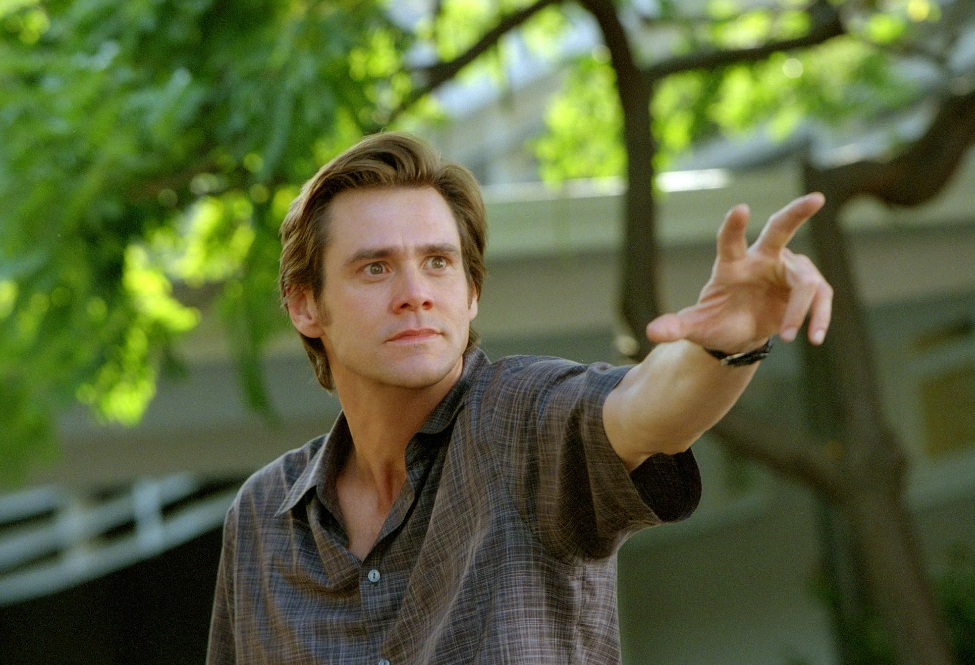
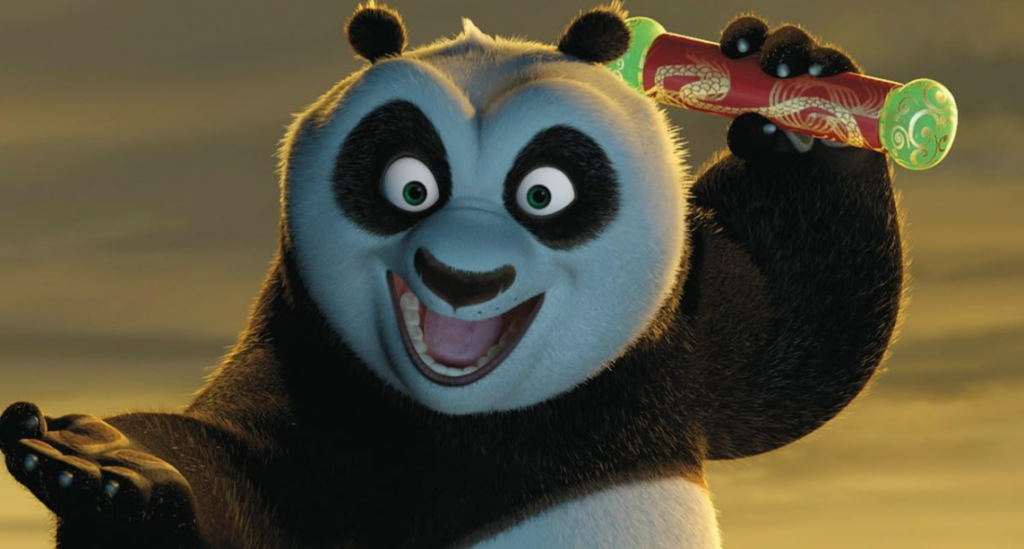
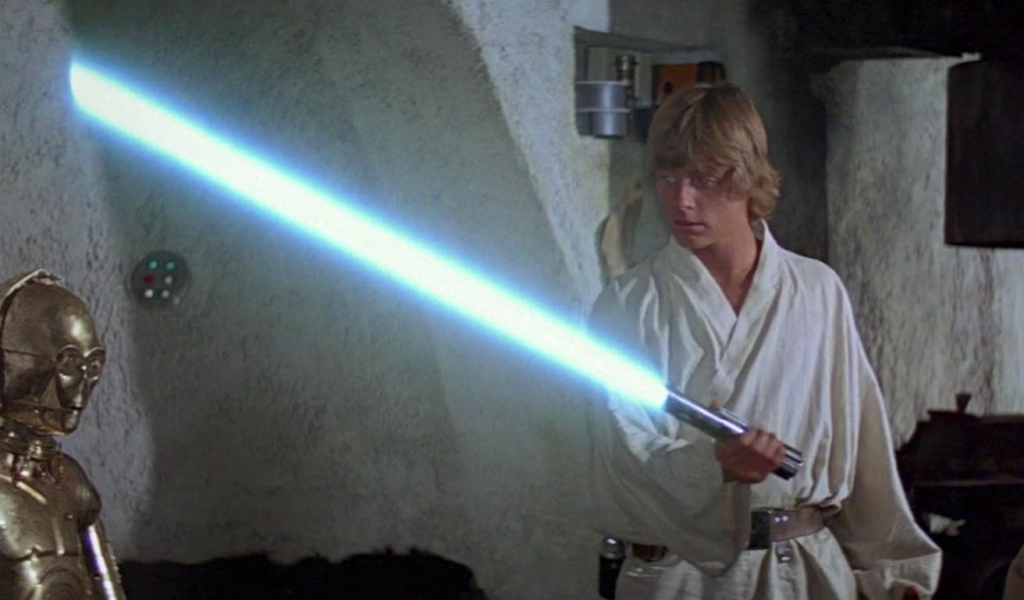
In the case of Bruce Nolan (Bruce Almighty), his divine powers were a test of character. By choosing personal gain over the needs of others, he created a domino effect of chaos. The narrative implication here is clear: power without wisdom is a trap. Similarly, Po (Kung Fu Panda) and Luke Skywalker (The Empire Strikes Back) offer a masterclass in the dangers of impatience.
Po’s refusal to engage with his training process was a direct result of his own insecurity. Luke, ignoring the sage counsel of Yoda, chose to confront Vader before he was prepared. The result—the loss of his hand and a shattering psychological blow—is the ultimate proof that the "shortcut" is often the most dangerous path.
The "Cost" of Heroism
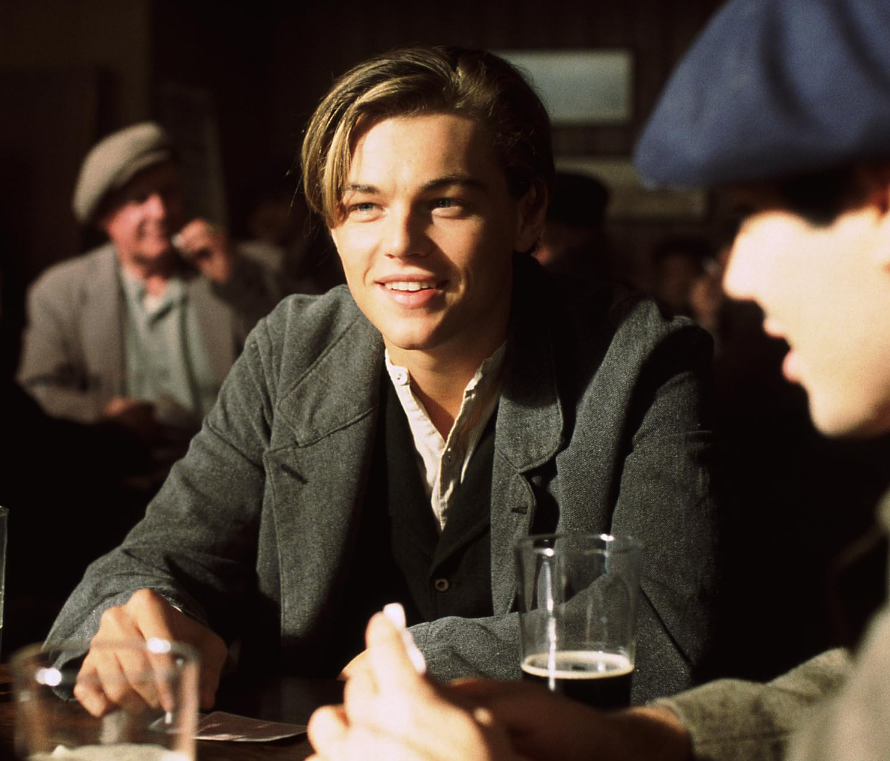
Finally, we must consider the selfless, yet costly, behavior of characters like Jack Dawson (Titanic) and Andy Sachs (The Devil Wears Prada).
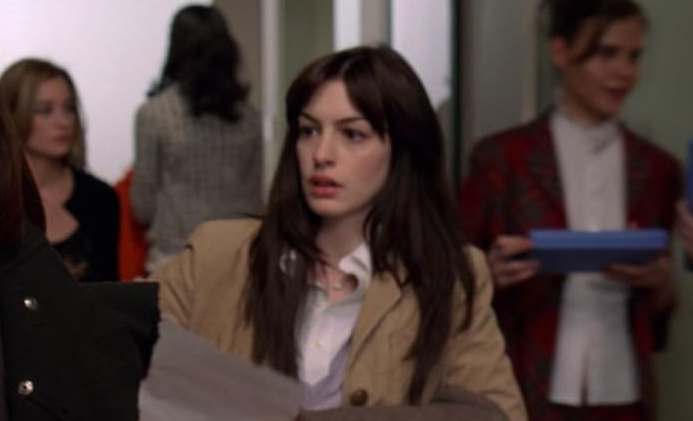
Jack’s heroism is pure, yet it is undeniably inefficient. By prioritizing the safety of others and his relationship with Rose while the ship is sinking, he effectively guarantees his own doom. In contrast, Andy’s struggle is a slower burn. She allows her professional environment to erode her values, staying in a toxic workplace long after the warning signs are clear. Her struggle is a psychological one, proving that "staying the course" is not always a virtue.
Conclusion: The Lesson in the Struggle
The 15 characters listed above remind us that the greatest obstacle a hero faces is rarely the villain at the end of the second act. More often than not, the greatest challenge is the hero themselves. Their flaws—pride, secrecy, impatience, and jealousy—are the very things that make them human.
While it is tempting to wish these characters had made the "easy" choice, we must acknowledge that their failures are the bedrock of their development. By making their lives harder, they are forced to evolve, learn, and grow. Their mistakes are not just narrative devices; they are mirrors held up to the audience, reminding us that in our own lives, the path of least resistance is rarely the one that leads to the most meaningful growth. Whether it is a Jedi Knight or a toy cowboy, these heroes show us that sometimes, the hardest road is the only one worth traveling.

 Rifan Muazin
 Reynand Wu