

For millions of households worldwide, the morning ritual is defined by a singular, sharp sound: the clack of a plastic pod hitting the bottom of a coffee machine. It is a ritual of convenience, born from a desire for speed and consistency in an increasingly fast-paced world. However, as the specialty coffee movement continues to permeate mainstream culture, a growing divide has emerged between those who prioritize the ease of a capsule and those who crave the nuanced, full-bodied complexity of a barista-grade shot.
After testing over a dozen coffee makers annually, I have long held a firm stance: no pod, regardless of its marketing or premium branding, can truly replicate the vibrant, rounded flavor profiles found in freshly ground beans. Yet, the barrier to entry for "proper" coffee has always been high. Traditionally, moving away from pods meant investing in expensive, intimidating equipment that required a master’s degree in fluid dynamics to operate. That is, until now.
The arrival of the Philips Baristina represents a potential paradigm shift in the home coffee market, bridging the gap between the plug-and-play simplicity of a pod machine and the artisanal quality of a traditional espresso setup.
The State of Our Morning Brew: Data-Driven Trends
A recent survey of TechRadar readers regarding their coffee-brewing habits provides a fascinating snapshot of the current landscape. The data reveals that 52% of respondents have fully committed to the "bean-to-cup" lifestyle, valuing the freshness and cost-effectiveness of whole beans. Conversely, 25% remain steadfastly loyal to the convenience of pods.
The allure of the capsule is easy to understand. There is no grinding, no measuring, and virtually no cleanup. However, the drawbacks are becoming increasingly difficult to ignore. Beyond the environmental impact of single-use plastics and aluminum, the "pod tax"—the premium price paid for pre-portioned convenience—is significant. Furthermore, users are often tethered to a single ecosystem, limiting their ability to explore the vast, diverse world of global coffee roasts. The Baristina enters this space as a direct challenge to the status quo, offering a middle ground that refuses to sacrifice quality for speed.
The Anatomy of the Philips Baristina
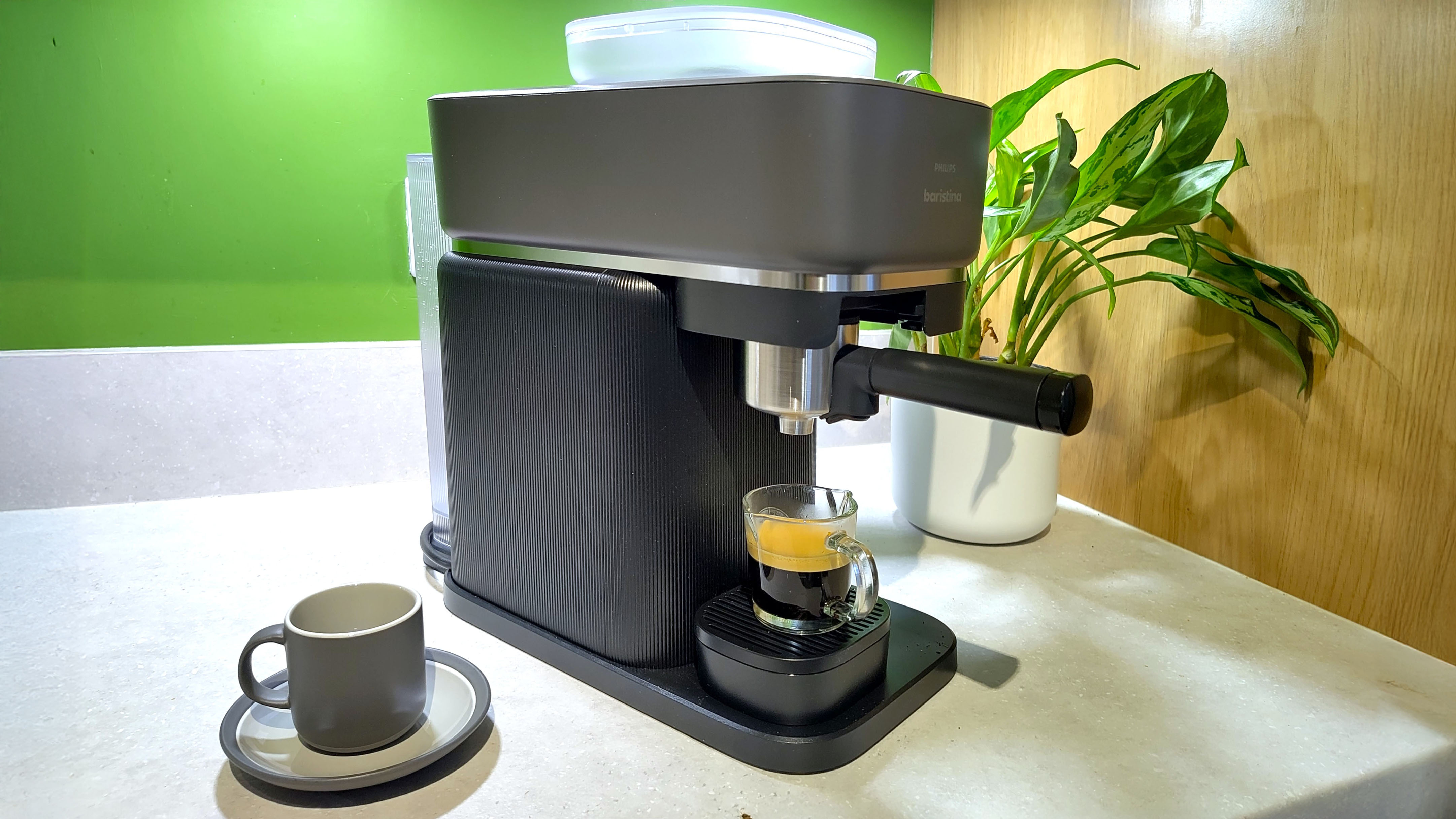
At first glance, the Philips Baristina looks like a nod to the classic Italian espresso machines that have graced café counters for decades. It features a recognizable portafilter—the handle-bearing basket that holds the grounds—which is often the most intimidating part of professional equipment.
However, the genius of the Baristina lies in its de-mystification of the process. There is no manual tamping, no precise leveling of coffee grounds, and no guesswork regarding water temperature or pressure. The workflow is deceptively simple:
- Insert: Place the portafilter into the machine.
- Slide: A quick nudge to the right engages the grinder.
- Brew: Press the button for a single or double shot.
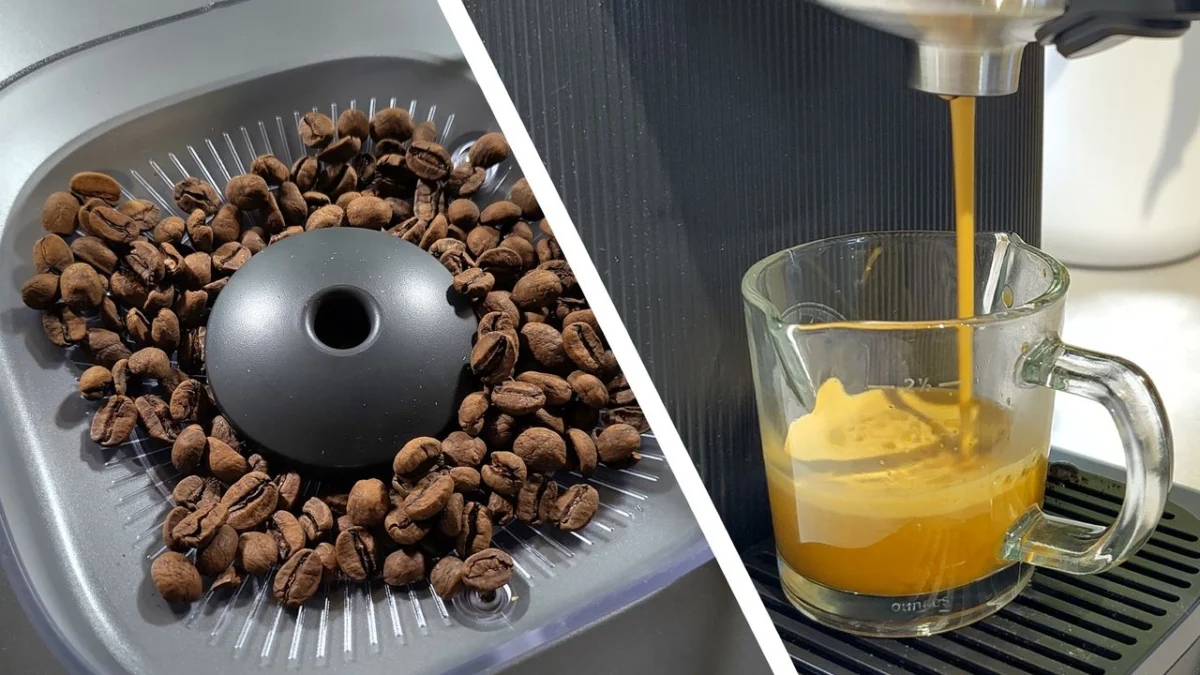
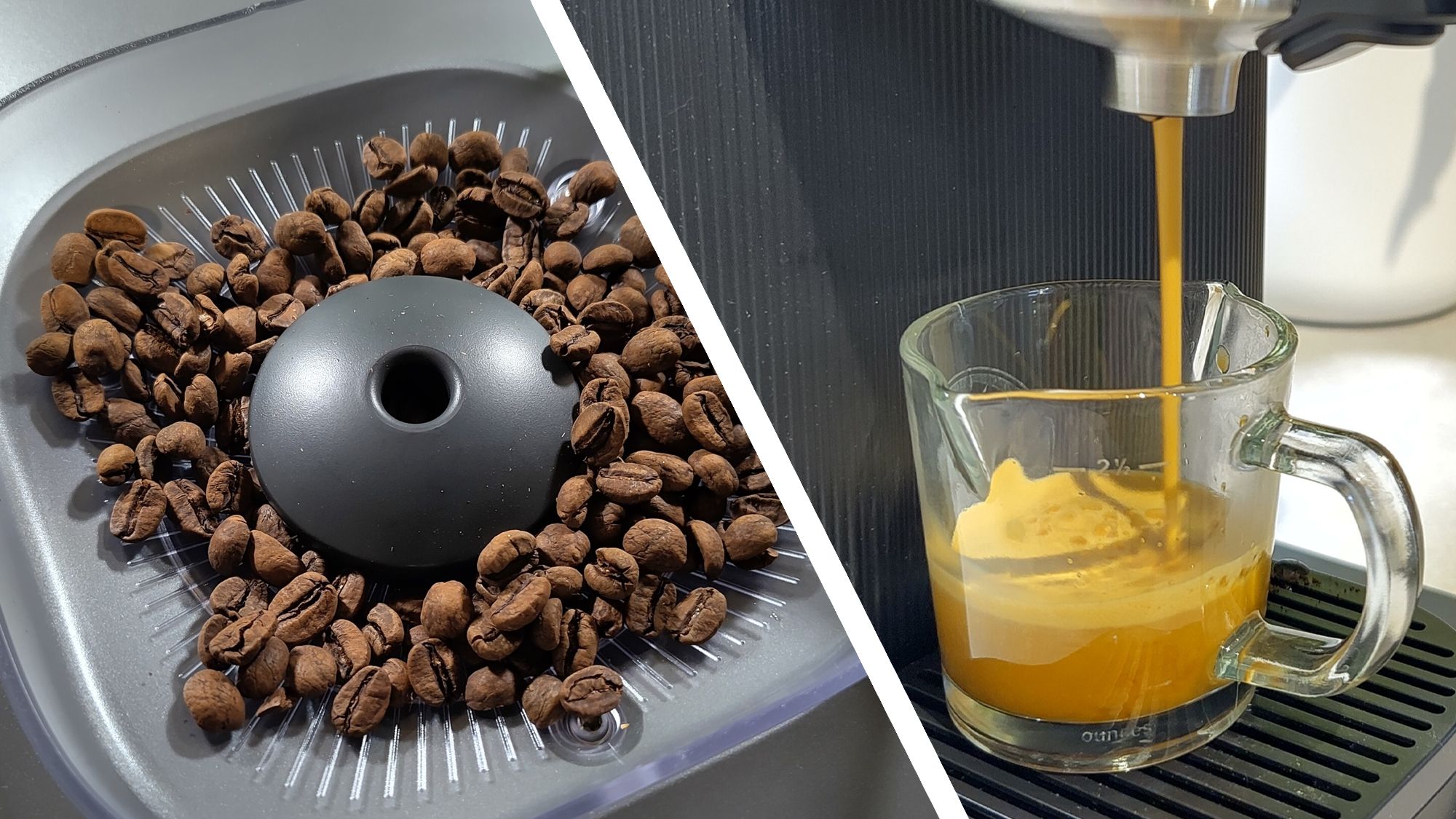
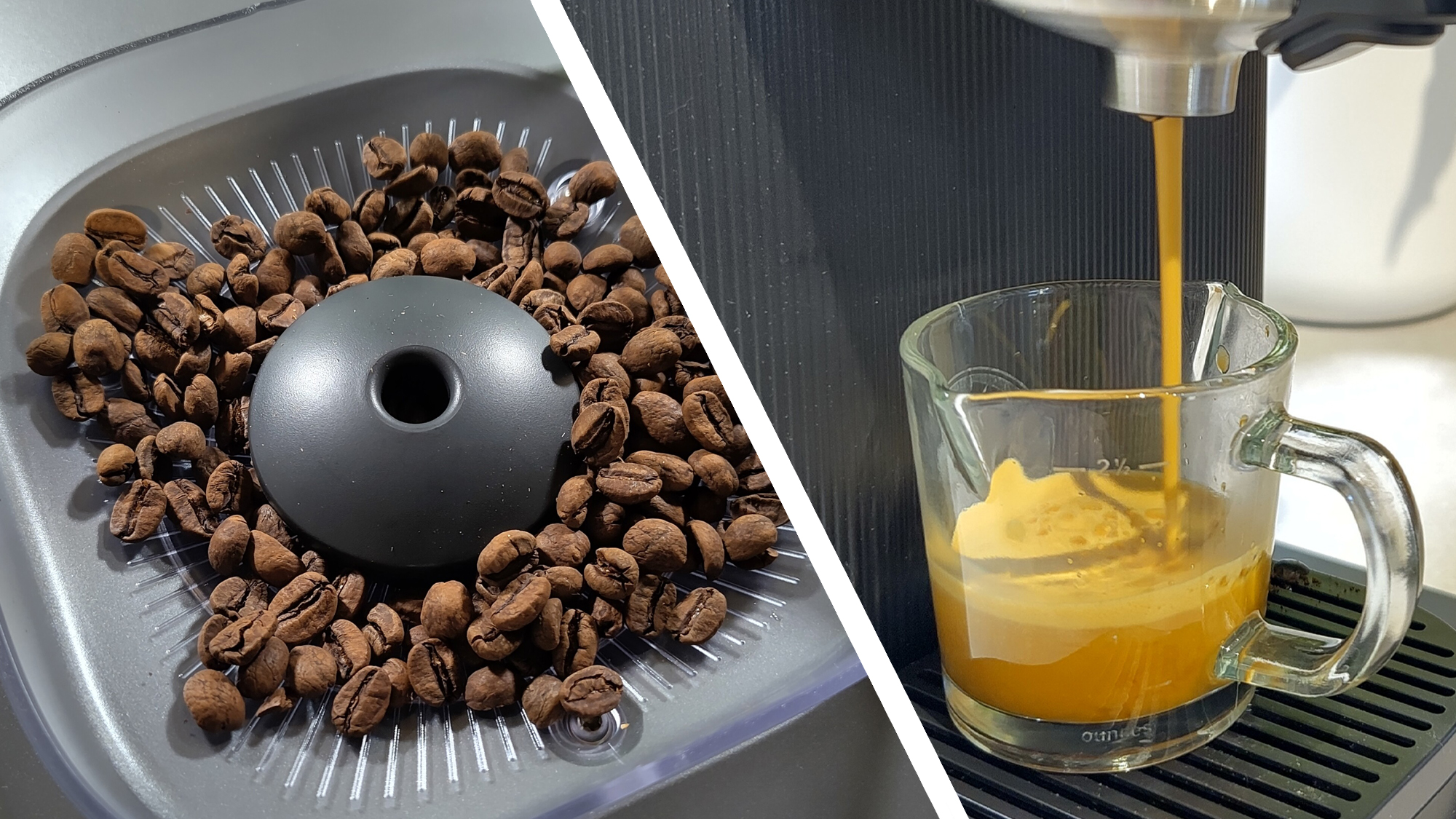
Once the button is pressed, the internal machinery takes over. It measures the dose, grinds the beans with surgical precision, tamps the grounds into the filter basket, and automatically shifts the portafilter to the left to begin the extraction. The result is a high-pressure, café-quality espresso produced in roughly the same time it takes to heat a pod machine.
A New Era of Maintenance: Breaking the "Cleaning Myth"
One of the most persistent myths surrounding manual or semi-automatic espresso machines is the "maintenance nightmare." Many consumers fear that moving away from pods means spending their weekends scrubbing internal components.
The Baristina effectively dismantles this narrative. Because the machine handles the grinding and tamping internally, the coffee grounds are compressed into a solid, dry puck. At the end of the brewing cycle, the user simply pulls the portafilter out and taps it against a bin. The spent grounds fall out cleanly, leaving the filter basket ready for a quick rinse.
This design choice stands in stark contrast to "super-automatic" machines, where the brewing process often occurs deep inside the machine’s chassis, frequently leading to mold or residue buildup that is difficult to reach. By keeping the mess contained within the removable, washable portafilter, the Baristina achieves a level of hygiene that is arguably superior to both pod machines and complex, high-end super-automatics.
Limitations and The "Milk" Question
No machine is without its compromises, and the Baristina is no exception. Its primary limitation is the lack of an integrated steam wand—a feature found on many traditional espresso machines that allows for manual milk texturing.
For those who rely on lattes or cappuccinos, this may initially seem like a setback. However, Philips has addressed this by offering the Baristina in a bundle with a dedicated, standalone milk frother. In rigorous testing, this companion device proved highly capable, delivering consistent, velvety foam that rivals manual wands without requiring the user to learn the complex mechanics of milk aeration. By decoupling the frothing process from the brewing process, Philips has effectively streamlined the learning curve, allowing even a novice to produce high-quality milk-based drinks.
The Economic and Environmental Implications
When analyzing the long-term cost of coffee consumption, the shift from pods to the Baristina is financially compelling. Pod-based coffee often costs significantly more per cup than bulk-purchased whole beans. Over the course of a year, the price difference can easily cover the initial investment of the machine itself.
Furthermore, the environmental implications of the "pod culture" cannot be overstated. Millions of non-recyclable capsules end up in landfills daily. By switching to the Baristina, consumers transition to a system that uses only organic matter (coffee grounds), which is compostable, and fresh beans that can be sourced from sustainable, ethical roasters. This is a rare instance where the "premium" choice is also the more responsible one.
Expert Verdict: Why It’s Time to Move On
Having spent 15 years as a tech journalist and as a Speciality Coffee Association (SCA) certified barista, I have seen many "innovations" in the coffee space come and go. Many are gimmicks that over-complicate a simple pleasure. The Philips Baristina is different.
It represents a rare intersection of design, functionality, and accessibility. It provides the tactile satisfaction of the coffee-making process—the smell of the fresh grind, the visual of the extraction—without the barriers of skill or maintenance. For the 25% of readers currently relying on pods, the Baristina serves as an open door. It invites you to explore the wider world of coffee, to experiment with different roasts and single-origin beans, and to take control of your morning cup.
The transition to bean-to-cup brewing has never been this seamless. Once you experience the depth of flavor offered by fresh beans, the chemical aftertaste and limited profile of a pod start to lose their appeal. As I concluded in my full five-star review, the Baristina is not just a coffee maker; it is a catalyst for a better, more flavorful morning routine.
Final Thoughts: The Future of Home Brewing
The coffee industry is currently in the midst of a "third wave" evolution, where the emphasis is firmly on quality and transparency. The Philips Baristina is a crucial hardware response to this cultural shift. It acknowledges that while consumers want the convenience of modern tech, they no longer want to trade away the quality of their ingredients.
As we look toward the future, we can expect to see more manufacturers moving away from proprietary pod systems toward machines that empower the user. The Baristina is leading this charge, proving that you don’t need a professional setup to achieve a professional result. Whether you are a casual drinker or a self-proclaimed coffee enthusiast, the argument for moving beyond the capsule is stronger than ever. The only question that remains is: which beans will you try first?












No comments yet. Be the first to join the conversation!