Basiran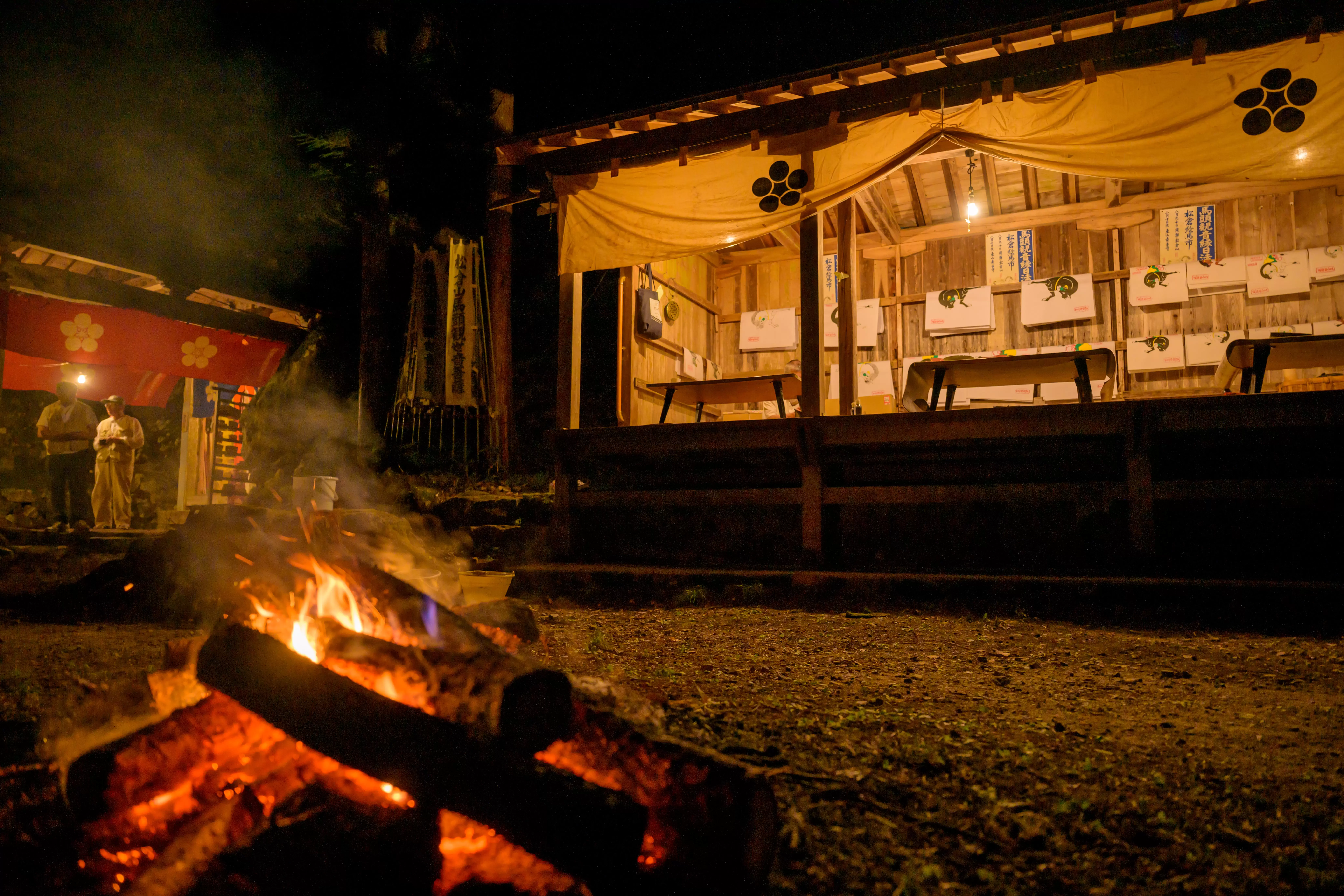
In the mountainous heart of Japan’s Gifu Prefecture, the historic city of Hida Takayama preserves a summer tradition that bridges the gap between ancient folklore and modern-day spiritual aspiration. As the humid heat of mid-summer settles over the region, locals and travelers alike gather for the "Ema Market"—a vibrant celebration centered on the distribution of washi paper votive plaques, or ema, featuring the iconic image of a horse.

In the Hida region, these paper plaques are more than mere souvenirs; they are considered active vessels of good fortune. Custom dictates that when hung at the entrance of a home or place of business, the horse must face inward, symbolizing a creature of luck galloping into the household to bring prosperity, health, and protection.

The Evolution of the Ema: From Sacred Offering to Cultural Icon
The practice of dedicating ema is deeply rooted in Japanese Shinto and Buddhist traditions. The term itself is a compound of e (picture) and ma (horse). In ancient times, horses were considered sacred intermediaries—noble steeds upon which the gods would descend to the human realm. During religious ceremonies at temples and shrines, real horses were often donated to the clergy as an act of piety.

Over the centuries, the logistical burden of maintaining live horses led to a symbolic shift. As the tradition evolved, wooden statues or clay figurines replaced live animals, eventually giving way to the wooden tablets commonly seen at shrines today. In the Hida region, however, this tradition took a distinct path: the creation of paper ema printed on washi. These delicate, artisanal plaques are adorned with depictions of horses carrying treasures and wearing auspicious gear, serving as talismans for the home.
A Chronology of Faith: The Origins of the Matsukura and Yamazakura Markets
The Ema Market tradition in Hida Takayama is not a monolithic event but a bifurcated celebration rooted in two distinct historical narratives.

The Matsukura Kannon-do Market
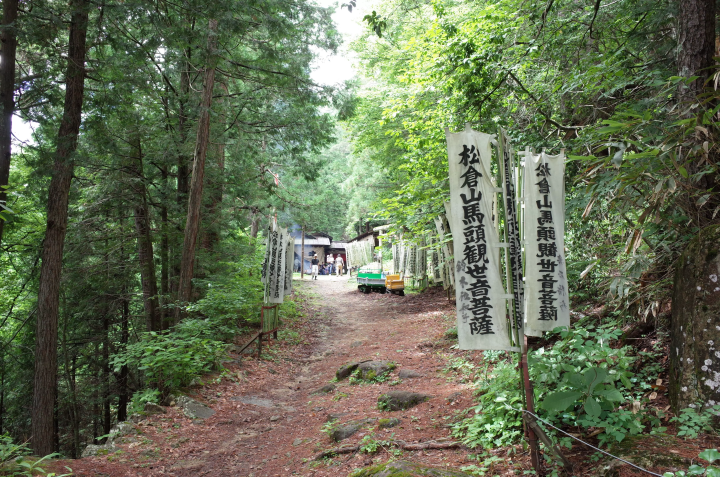
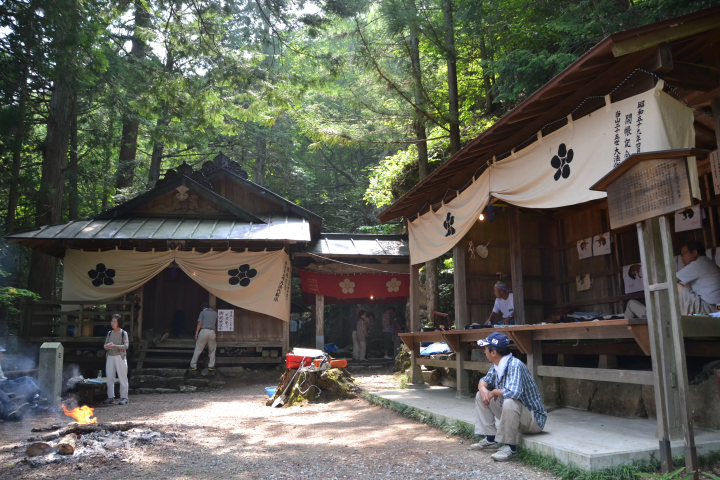
The roots of the Matsukura Ema Market trace back to the local silkworm farming industry. Located roughly a 40-minute hike from the center of Hida Takayama, the Matsukura Kannon-do temple served as a spiritual hub for local farmers. On the 9th day of the lunar calendar, farmers would traditionally stay overnight at the temple to pray for the prosperity of their silk production. On the following day, July 10th, they would bring their horses—adorned in festive decorations—to the temple to pray for the health and safety of their livestock. This ritualized gathering eventually transformed into the modern Ema Market, now held annually on August 9th and 10th.
The Legend of Yamazakura Shrine
In the city center, the Bato Ema Market at Yamazakura Shrine tells a more dramatic tale. The shrine is named after Yamazakura, the loyal horse of Kanamori Yorinao, the fourth lord of Takayama Castle. Historical accounts—and local legend—recall the "Meireki Fire" of 1657 in Edo (modern-day Tokyo). As the city burned, Lord Yorinao was trapped near Edo Castle. It is said that his horse, Yamazakura, carried the Lord and three attendants to safety by leaping across the massive castle moat.

Following this act of legendary bravery, the horse lived out its remaining years in a stable in Mukaimachi. Upon its death, the horse was enshrined as a manifestation of Bato Kannon—a Buddhist deity depicted with a horse’s head, revered for protecting travelers and livestock. Today, the Bato Ema Market commemorates this legacy, serving as a reminder of loyalty and divine protection.

Supporting Data and Practical Information
For those planning to participate in these traditions, timing and preparation are essential. The events provide a unique window into Japanese folk belief, but they also require a degree of physical preparedness.

Event Schedules and Locations
- Matsukura Ema Market: Held August 9th (12:00–23:00) and August 10th (06:00–14:00). Note: Due to recent bear activity in the mountain regions, the 2026 venue has been relocated to Sogenji Temple for safety.
- Bato Ema Market (Yamazakura Shrine): Held annually from August 1st to August 10th (10:00–15:00).
Essential Traveler Tips
Visiting these sites, particularly the mountain path to the Matsukura site, requires caution:

- Light and Footwear: The paths can be dark, especially during the nocturnal celebrations. Carry a reliable flashlight and wear sturdy, comfortable shoes.
- Insect Protection: The mountains are home to a variety of insects. Use high-quality repellent and wear long pants to cover your skin.
- Wardrobe Caution: Avoid wearing black clothing, as it is known to attract bees, which are prevalent in the Hida mountains during the summer months.
- Family Visits: While the night atmosphere at Matsukura is "otherworldly" and highly recommended, families with small children may prefer to visit during daylight hours for a safer, more leisurely experience.
The Artisan’s Touch: Preserving 150 Years of Craft
For travelers unable to attend the markets during the specific August dates, the tradition remains accessible through the master artisans of the region. Ikemotoya, a long-standing publisher and producer of ema, continues to craft these plaques using traditional techniques that have been passed down for over 150 years.

The proprietor of Ikemotoya does not merely view these as paper products; he refers to each ema as "one head of a horse," treating them with the reverence one would accord a living animal. When a customer purchases an ema, the artisan hand-writes the buyer’s name and the date in traditional ink, creating a personalized connection between the devotee and the talisman. This interaction is often cited as a highlight for international visitors, offering a rare glimpse into the meticulous care that keeps Hida’s folk culture alive.

Implications for Cultural Tourism
The Ema Market is more than just a commercial event; it is an act of cultural continuity. In an era of rapid modernization, the persistence of these rituals in Hida Takayama highlights the enduring human need for symbolic protection and historical continuity.

For the international visitor, the Ema Market offers an entry point into the "lived religion" of Japan. Unlike the grand, sanitized shrines of Kyoto, these local markets are intimate, rustic, and deeply embedded in the geography of the Hida region. By participating in these traditions—purchasing an ema, having one’s name inscribed, and understanding the history of the horse in Japanese folklore—travelers do more than observe; they participate in a cycle of gratitude and hope that has sustained the local community for generations.

Whether you are exploring the nearby Hida no Sato open-air museum or hiking the mountain trails of Takayama, the Ema Market serves as a powerful reminder of the deep bonds between humanity, nature, and the spiritual world. As you hang your ema at home with the horse facing inward, you are not just decorating a wall—you are inviting a centuries-old tradition of good fortune to take root in your own life.


 Neng Nana
 Asro
Asro