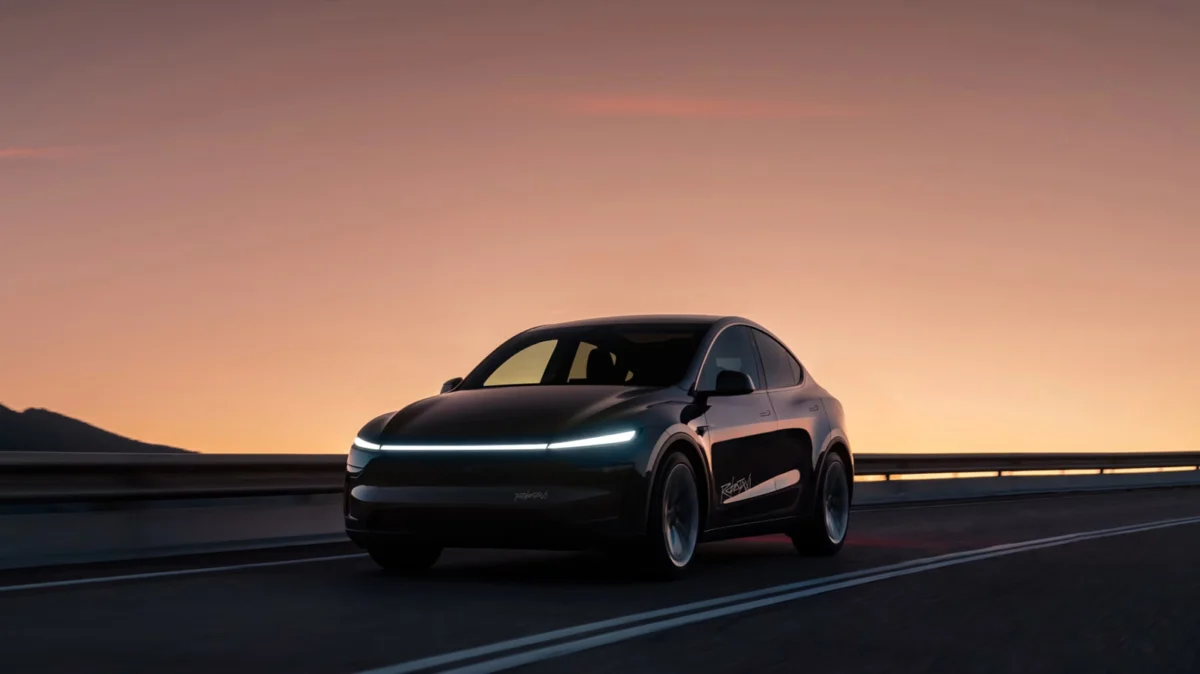
The landscape of urban mobility in Florida is undergoing a seismic shift. Tesla, the electric vehicle giant led by Elon Musk, has officially signaled its intent to dominate the autonomous ride-hailing sector in the Sunshine State by launching its Robotaxi service in Miami. Following successful, albeit measured, rollouts in Texas, the company is now navigating the complex regulatory and logistical environment of South Florida, marking a critical milestone in its long-term strategy to reshape transportation.
The Miami Expansion: A Strategic Foothold
Tesla’s decision to initiate service in West Miami is far from coincidental. While the initial operational zone is confined to a specific, non-downtown portion of the city, the move represents a deliberate effort to prove the viability of its Full Self-Driving (FSD) stack in one of the most congested and weather-variable regions in the United States.
As observed through real-time footage circulating on social media platforms, including X, users have already begun interacting with Tesla’s fleet. Most notably, these vehicles are operating without a human safety monitor—a significant departure from the company’s initial, more cautious rollout in Austin, where early rides required a human overseer. This leap toward full autonomy signals increased confidence from Tesla’s engineering team in the maturity of their vision-based neural networks.
Chronology: From Austin to the Atlantic
To understand the significance of the Miami launch, one must look back at the rapid, iterative pace of Tesla’s autonomous deployment:
- The Austin Pilot: Tesla’s foray into autonomous ride-hailing began in Austin, Texas. Initially, the service was characterized by a "safety-first" approach, requiring a human monitor to be present in the driver’s seat at all times to intervene if necessary.
- Expansion to Texas Hubs: By early this year, Tesla expanded its footprint to include Dallas and Houston. This expansion served as a stress test for the software, forcing the system to adapt to different traffic patterns, urban densities, and infrastructure idiosyncrasies.
- Scaling the Austin Metro: Last month, Tesla reached a tipping point by expanding its service coverage to the entire Austin metropolitan area, moving away from the limited "geofenced" zones that characterized its early testing.
- The Florida Pivot: With the announcement of the Miami service, Tesla has effectively crossed state lines to establish a second major regional hub. The company’s roadmap confirms this is merely the beginning, with future plans already targeting Orlando and Tampa.
The Competitive Landscape: A Three-Way Race
Tesla is not operating in a vacuum. Miami has become the latest battleground for autonomous vehicle (AV) supremacy. The city is currently hosting a high-stakes competition between three distinct philosophies of autonomous transit:
1. Waymo: The Established Incumbent
Waymo, the autonomous driving division of Alphabet (Google’s parent company), entered the Miami market in January. Waymo’s approach, which relies heavily on LiDAR and high-definition mapping, has set the gold standard for safety and reliability. Having already established a significant presence in cities like Phoenix and San Francisco, Waymo represents the primary benchmark against which Tesla’s camera-only approach is being measured.
2. Zoox: The Purpose-Built Contender
Amazon-owned Zoox is also eyeing the Florida market. Unlike Tesla, which retrofits existing consumer vehicles for autonomy, Zoox has developed a "carriage-style" vehicle specifically designed for robotaxi services. By currently testing its fleet with employees in Miami, Zoox is preparing to disrupt the market with a vehicle that prioritizes passenger comfort and interior social space over traditional driver-focused ergonomics.
3. Tesla: The Visionary Disruptor
Tesla’s edge remains its massive fleet data. With millions of vehicles already on the road collecting edge-case data, Tesla’s "fleet learning" model allows it to iterate software at a pace that traditional competitors struggle to match. However, the reliance on a vision-only system—eschewing LiDAR—remains a point of contention among industry analysts who question whether cameras alone can handle the unpredictable tropical weather and sudden downpours frequent in Miami.
Implications for Urban Infrastructure
The entry of Tesla’s Robotaxi into Miami has profound implications for urban planners and residents alike.
Regulatory Challenges
The integration of unsupervised vehicles into public streets requires a delicate dance with local authorities. While Florida is generally viewed as an AV-friendly state, the rapid scaling of these services brings concerns regarding traffic congestion, emergency vehicle interactions, and data privacy. The shift from "human-in-the-loop" to fully autonomous systems places the burden of liability squarely on the manufacturer, a transition that regulators are watching with extreme scrutiny.
Economic and Labor Impacts
The rise of the Robotaxi model threatens to disrupt traditional ride-hailing gig economies. For the average Miami resident, the appeal of a cheaper, autonomous ride is clear. However, for the labor force currently employed by Uber and Lyft, the proliferation of Robotaxis presents a looming existential threat. Economists are already debating whether the cost savings passed on to consumers will be offset by the displacement of human drivers.
Environmental Sustainability
Tesla’s commitment to an all-electric fleet aligns with the broader municipal goals of many Florida cities to reduce carbon emissions. By replacing traditional internal combustion taxis with autonomous EVs, Miami could see a reduction in local air pollution. Furthermore, the efficiency of algorithmic routing could theoretically reduce the total vehicle miles traveled (VMT), potentially alleviating the city’s notorious traffic gridlock.
Looking Ahead: The National Roadmap
Tesla’s roadmap is nothing if not ambitious. Beyond the immediate focus on the Florida corridor—linking Miami, Orlando, and Tampa—the company has signaled intentions to expand into the desert Southwest, specifically targeting Phoenix and Las Vegas.
These cities provide a "Goldilocks" environment for autonomous testing: wide, grid-based streets, relatively predictable weather compared to the Northeast, and supportive state legislatures. As Tesla continues to refine its "supervised to unsupervised" pipeline, the transition from experimental testing to a ubiquitous utility seems increasingly inevitable.
Conclusion: The Final Frontier
The arrival of Tesla’s Robotaxi in Miami is more than just a tech news headline; it is a signal that the era of autonomous transit is moving from the realm of science fiction into the reality of daily life. While questions regarding the safety of the camera-only vision stack and the long-term impact on the transportation labor market remain unanswered, the momentum is undeniable.
As Tesla, Waymo, and Zoox compete for the loyalty of the Miami commuter, the ultimate winner will be the entity that can provide the most consistent, safe, and cost-effective experience. For now, the streets of West Miami serve as the latest laboratory for the future of human mobility. Whether this experiment leads to a safer, more efficient city or creates new, unforeseen complications remains to be seen. What is clear, however, is that the steering wheel is becoming an increasingly optional accessory in the modern automobile.
The next few years will be defined by the race to scale. If Tesla’s recent success in scaling the Austin metro is any indication, the residents of Orlando and Tampa should prepare for the arrival of the Robotaxi sooner rather than later. As the fleet grows, so too does the collective intelligence of the AI, setting the stage for a nationwide rollout that could fundamentally rewrite the rules of the road.