Muslim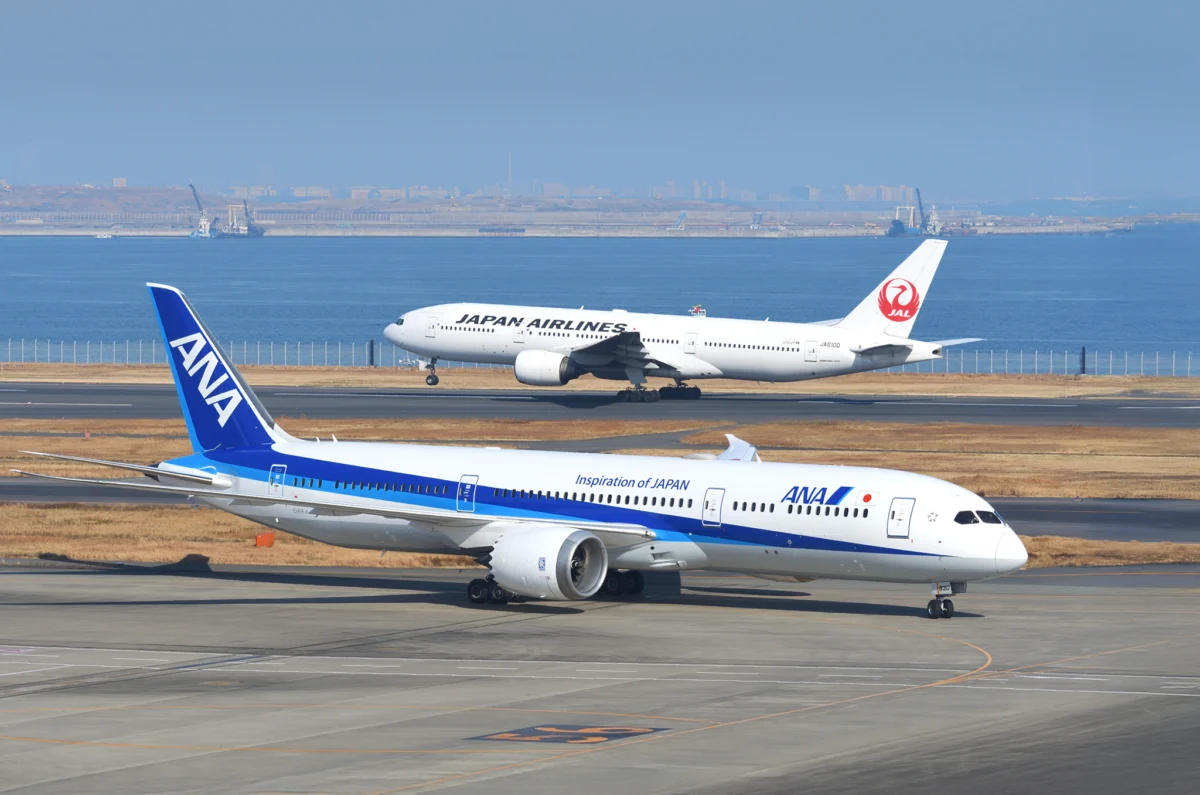
By International Travel Desk
Updated: June 16, 2026
International travelers planning their summer excursions from Japan face a sobering financial reality as the nation’s two flagship carriers, All Nippon Airways (ANA) and Japan Airlines (JAL), have confirmed a significant upward revision in fuel surcharges. Effective July 1, 2026, these adjustments reflect the sustained volatility in global energy markets and the persistent geopolitical tensions that continue to exert upward pressure on the aviation industry’s bottom line.
For millions of passengers, the timing of this announcement—just weeks before the peak summer travel window—serves as a stark reminder of the fragile balance between global energy prices and the accessibility of international travel.
The Core Adjustment: Understanding the New Fee Structure
The impending price hikes, which apply to all tickets issued between July 1 and August 31, 2026, represent a direct response to the rising cost of aviation kerosene. While the base fares for flights remain subject to market competition, the fuel surcharge—a mandatory fee layered on top of base airfare and government-imposed taxes—is seeing a sharp, double-digit percentage increase across most long-haul corridors.
Long-Haul Impact
The most substantial financial burden falls upon travelers crossing the Pacific or heading toward Europe. For a one-way flight from Japan to North America or Europe, the surcharge is set to reach ¥65,000 (approximately $406 USD). This marks a sharp increase of ¥9,000 ($56) over the rates enforced throughout June. For a round-trip ticket, this translates to an additional cost of ¥18,000 ($112) compared to the previous two-month cycle.
Regional Variations
While long-haul routes absorb the largest absolute increase, shorter regional flights are not exempt from the adjustment.
- Hawaii Routes: As a high-volume leisure destination for Japanese travelers, Hawaii remains a critical corridor. Both ANA and JAL have pegged the new surcharge for Hawaii at ¥40,400 per segment.
- China and South Korea: For flights to mainland China, ANA passengers will face a surcharge of ¥15,400, while JAL passengers will see a slightly higher fee of ¥16,900. Routes to South Korea, a high-frequency business and leisure corridor, will see a standardized increase to ¥7,400 across both carriers.
Chronology of a Crisis: The Path to July 2026
To understand why these costs are escalating now, one must look at the recent history of the aviation fuel market. The current surge is not an isolated incident but rather the latest chapter in a volatile six-month period.
Q1 2026: The Initial Pressure
By early 2026, aviation analysts were already flagging concerns regarding the "normalization" of high fuel prices. As global tourism demand surged to post-pandemic highs, supply chains for refined petroleum products struggled to keep pace.
May 2026: The Middle East Catalyst
The most recent inflection point occurred in early May 2026. Tensions in the Middle East, particularly involving Iran, sent shockwaves through crude oil futures. Because kerosene prices are inextricably linked to crude benchmarks, airlines were forced to implement a mid-spring hike to mitigate the sudden spike in operational expenses.
June 2026: The Assessment Period
The new rates announced for July are the result of a mandatory bi-monthly review conducted by both ANA and JAL. The carriers analyze the average price of Singapore kerosene—the benchmark for aviation fuel in the Asia-Pacific region—over a two-month window. The current hikes are based on the average price recorded between April 1 and May 31, 2026. During this period, the sustained instability in oil-producing regions ensured that fuel costs remained at a level that required a recalibration of airline pricing models.
Supporting Data: The Economics of Fuel Surcharges
Aviation fuel is typically the largest or second-largest operating expense for any airline, often accounting for 25% to 35% of total expenditures. When fuel prices spike, airlines have three levers: reduce service, absorb the cost, or pass the cost to the consumer.
The Mechanism of the Surcharge
The fuel surcharge system was designed to provide a "buffer" for airlines. By keeping base fares theoretically stable, airlines use the surcharge to isolate fuel price volatility. When the price of Singapore kerosene rises above a certain threshold, the surcharge tiers shift upward.
- The Singapore Benchmark: By using the Singapore kerosene market as a proxy, Japanese carriers ensure that their pricing reflects the reality of the regional market rather than domestic fluctuations alone.
- Currency Impacts: It is important to note that the Japanese Yen (JPY) continues to face volatility against the US Dollar. Since oil is globally traded in USD, the weakness of the Yen compounds the effect of rising oil prices, making the raw cost of fuel in JPY significantly more expensive than it would be in a stronger currency environment.
Official Responses and Industry Outlook
Representatives from both All Nippon Airways and Japan Airlines have maintained a measured stance, emphasizing that these adjustments are purely reactive to external market forces.
"Our goal is to maintain the connectivity and service standards our passengers expect," an ANA spokesperson stated during a press briefing earlier this week. "However, the unprecedented volatility in the energy sector necessitates that we adjust our surcharge structure to maintain operational viability."
JAL officials echoed this sentiment, noting that the airline continues to employ hedging strategies to mitigate risk, but that long-term price spikes inevitably impact the ticket price structure. Both airlines have urged passengers to book early, as the surcharge is determined by the issue date of the ticket, not the date of travel. If a passenger holds a ticket issued before July 1, the new, higher surcharges will not apply, even if they are traveling during the peak summer months.
Implications for Travelers and the Tourism Sector
The implications of this pricing structure are broad, affecting both the individual traveler and the broader Japanese economy.
Impact on the Japanese Outbound Market
For Japanese families and business travelers, the increase adds a significant "tax" on travel. With the Yen already creating challenges for outbound travel budgets, the addition of nearly ¥20,000 in surcharges for a round-trip to the US or Europe could lead to a cooling effect on long-haul demand. Some travel agencies have already noted a shift in consumer behavior, with travelers opting for shorter regional destinations or delaying their trips to the autumn shoulder season when travel demand—and potentially fuel prices—may subside.
The "Summer Premium" Effect
The timing of this announcement creates a "summer premium." Because the new rates are locked in for July and August, there is no chance for a downward adjustment until September, even if oil prices were to stabilize in July. This certainty is a double-edged sword: it allows passengers to know their costs upfront, but it locks them into high prices regardless of market improvement during the travel period.
Broader Economic Consequences
Japan’s tourism industry is a delicate ecosystem. While inbound tourism is booming due to the weak Yen, outbound travel is essential for the health of Japanese carriers. If these high surcharges persist into the winter, airlines may face a reduction in flight frequency, which could eventually lead to higher base fares as capacity is tightened to match lower demand.
Looking Ahead: A Volatile Horizon
As we look toward the remainder of 2026, the aviation industry remains at the mercy of global politics. The reliance on the Singapore kerosene benchmark means that any escalation in Middle Eastern tensions will be felt almost immediately in the pockets of Japanese travelers.
Travelers are advised to monitor the official websites of ANA and JAL closely. The next review period will commence in late July, with any potential changes for the September-October window expected to be announced in mid-August.
For those currently planning travel, the message from the industry is clear: the era of "cheap fuel" is behind us. Whether through the current surcharge mechanism or long-term base fare adjustments, the cost of global mobility is trending upward, and passengers must budget accordingly to ensure their summer plans remain intact.
Disclaimer: Fuel surcharges are subject to change based on future market data. Travelers are encouraged to verify the specific surcharge for their flight segment via their booking airline’s official portal at the time of purchase.


 Neng Nana
 Asro
Asro