Evan Lee Salim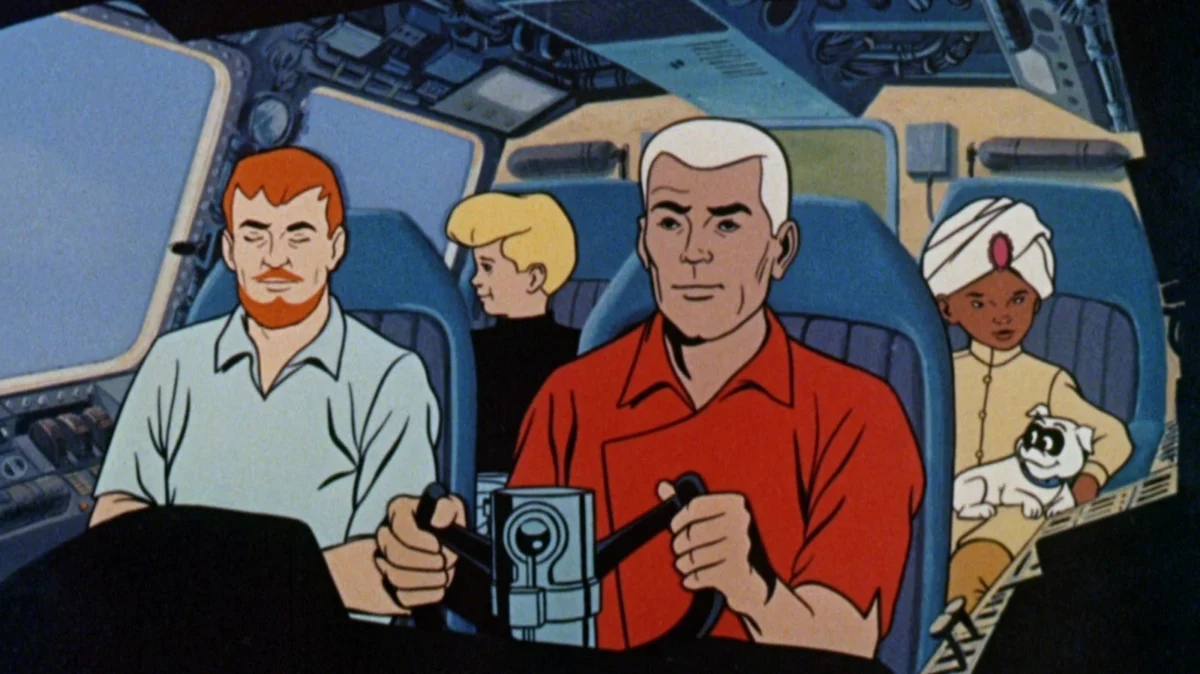
In the annals of animation history, few series carry the distinct, enduring cultural footprint of Hanna-Barbera’s Jonny Quest. Debuting in 1964, the show was a radical departure from the studio’s usual slapstick fare, offering instead a globe-trotting, high-stakes adventure series that leaned into the tropes of boy-adventurer novels and Cold War-era espionage. While the original series was famously short-lived—running for only 26 episodes before being canceled due to its high production costs—its legacy has proven remarkably resilient. Through decades of reruns, reboots, and the irreverent homage of series like The Venture Bros., Jonny Quest remains a touchstone for generations of fans.
Today, as we look back at the original voice cast that brought these iconic characters to life, we find that the passage of time has claimed nearly every major contributor. Of the core quartet that defined the original 1964 production, only one remains: Tim Matheson, the voice of the titular Jonny Quest.
Main Facts: The Voices Behind the Quest Team
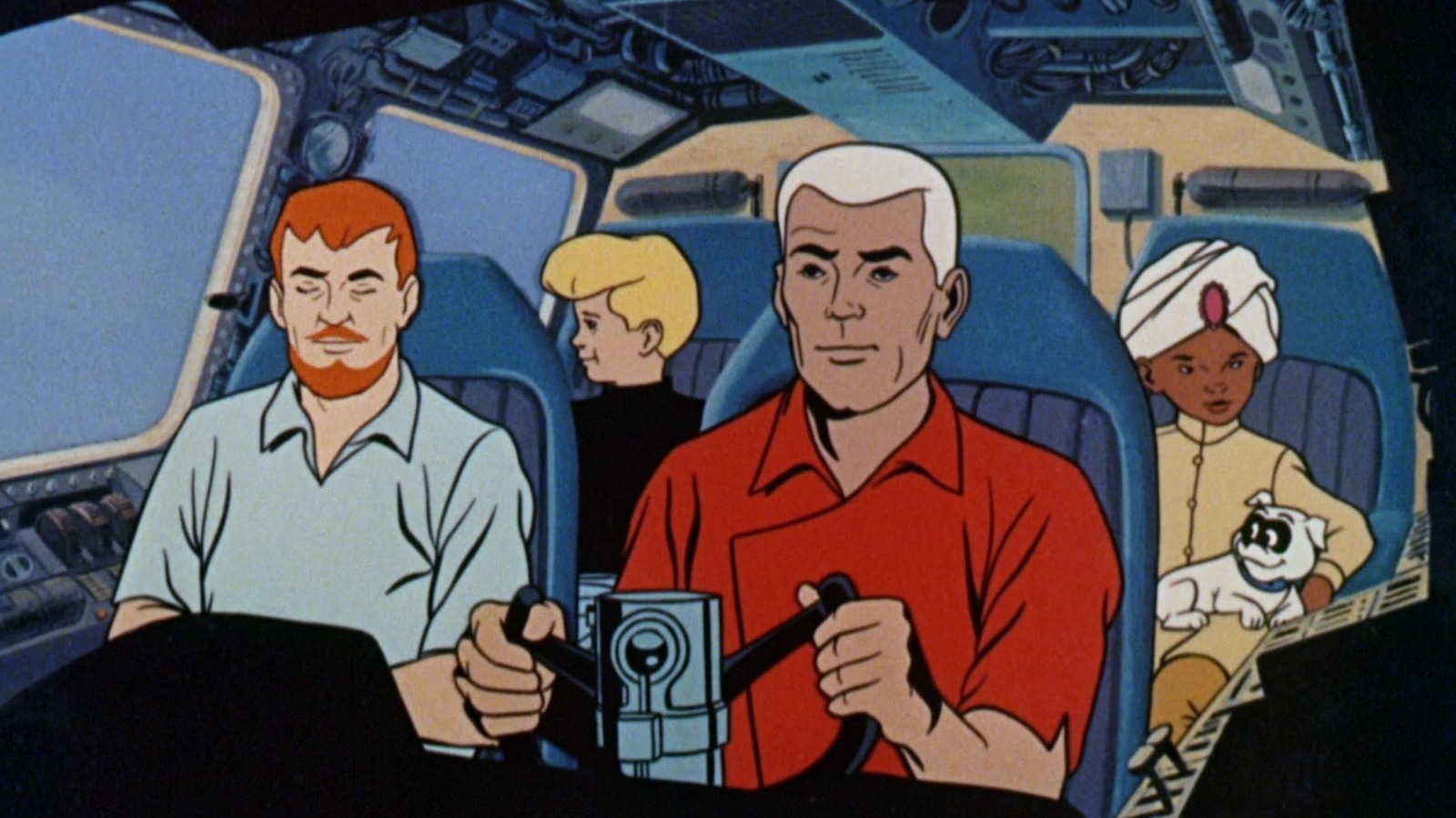
The 1964 iteration of Jonny Quest was defined by a specific ensemble of voice talent that gave the show its grounded, albeit pulp-adventure, feel. The cast list read like a roster of mid-century radio and television veterans:
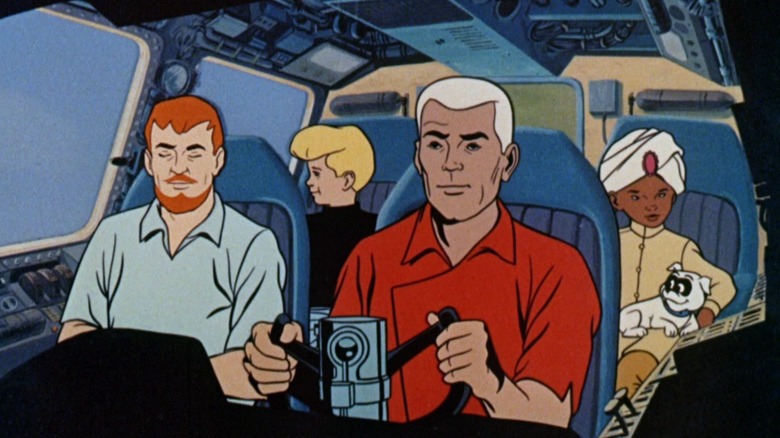
- Jonny Quest: Voiced by Tim Matheson, who provided the youthful, wide-eyed bravado of the 11-year-old protagonist.
- Dr. Benton Quest: Initially voiced by John Stephenson for the first five episodes, before the legendary Don Messick took over the role for the remainder of the series.
- Hadji Singh: Portrayed by Danny Bravo, who brought a sense of mystique and loyalty to Jonny’s companion.
- Race Bannon: Brought to life by Mike Road, the gravelly-voiced protector and special agent who served as the group’s muscle.
While the series was noted for its "limited animation" style—a hallmark of the Hanna-Barbera aesthetic—the performances were anything but limited. They provided a sense of sincerity to stories involving laser-wielding villains, giant creatures, and international intrigue. The fact that only Matheson remains from this primary group highlights the significant temporal gap between the golden age of 1960s television and the contemporary entertainment landscape.
A Chronological Journey: From Hanna-Barbera to Hollywood Stardom
Tim Matheson’s journey from a teenage voice actor to an industry veteran is a testament to his versatility and professional endurance. His career did not begin and end with Jonny Quest; rather, the show served as a foundational building block for a career that has spanned over six decades.
The Early Years (1961–1969)
Before he was the face of the Jonny Quest brand, Matheson was a working child actor. His first credited screen appearance came in 1961 in an episode of Window on Main Street. Following this, he found consistent work in the sitcom ecosystem of the early 60s, appearing in My Three Sons and Leave It to Beaver.
It was during this period that his voice-over work for Hanna-Barbera began. Beyond Jonny Quest, Matheson became a fixture at the studio, lending his voice to The Alvin Show and playing Jace in the original Space Ghost series—a role that cemented his status as a go-to voice for teen-centric adventure programming. By 1967, he had successfully transitioned into feature film work, debuting alongside Dick Van Dyke in Divorce, American Style.
The Prolific Decades (1970–1999)
Matheson’s career trajectory in the 1970s and 80s is characterized by a "who’s who" of American television. He became a ubiquitous presence on the small screen, with guest roles in Night Gallery, Ironside, Bonanza, and Hawaii Five-0. His ability to oscillate between lighthearted comedy and intense drama allowed him to remain relevant long after his child-actor peers had faded from view.
Perhaps his most iconic live-action role of the era came in 1978 with National Lampoon’s Animal House, where he played the charming, manipulative Eric "Otter" Stratton. This role redefined his persona and launched him into stardom, yet he never abandoned his television roots. As the 90s approached, he expanded his repertoire into production and directing, a move that would define the next phase of his professional life.
The Modern Era (2000–Present)
In the 21st century, Matheson’s career has seen a resurgence in prestige television. His performance as Vice President John Hoynes in Aaron Sorkin’s The West Wing earned him an Emmy nomination, proving his capability to handle complex political dramas. Currently, he holds a recurring role as Doc Mullins in the Netflix juggernaut Virgin River, and he remains an active participant in television production, recently appearing on the procedural hit 9-1-1: Lone Star.
Supporting Data: The Breadth of a Directorial Career
While audiences know Matheson as an actor, his behind-the-camera work is equally substantial. His transition to directing in the 1980s and 90s was not a mere hobby; it was a career pivot that allowed him to shape the visual language of modern television.
Matheson has helmed episodes for some of the most influential shows in television history, including:
- Medical and Procedural Dramas: St. Elsewhere, Without a Trace, and Person of Interest.
- Comedy and Character-Driven Series: Ed, where he also served as a producer, and Psych.
His directorial portfolio suggests a keen understanding of pacing—a skill likely honed during his time working in the frantic, fast-paced environment of early Hanna-Barbera animation.
Official Responses and Industry Legacy
In interviews throughout the years, Matheson has often reflected on his time with Jonny Quest with a mixture of nostalgia and humility. While he acknowledges the show’s limitations, he has frequently noted the impact the character had on his own work ethic.
Industry historians point to the Jonny Quest cast as a closed chapter in the history of "Golden Age" animation voice acting. Don Messick, who voiced Dr. Quest for the majority of the series, passed away in 1997, leaving behind a legacy as one of the most prolific voice actors in history (also known for voicing Scooby-Doo and Boo-Boo Bear). Mike Road, the voice of the stoic Race Bannon, passed away in 2013. The loss of these performers marks the end of an era, leaving Matheson as the sole custodian of the memories associated with the original production.
Implications: The Enduring Shadow of the Quest Legacy
The fact that Tim Matheson is the last remaining major voice actor from Jonny Quest carries significant weight in the context of pop culture history. Jonny Quest was a pioneer, bridging the gap between the simplistic cartoons of the 1950s and the more narrative-driven action animation that would follow in the 1980s and 90s.
A Template for Future Animation
The influence of Jonny Quest is evident in the DNA of contemporary adult animation. The Venture Bros., for instance, used the Jonny Quest template to deconstruct the "boy adventurer" trope, turning the earnest, stiff world of the 1964 series into a vehicle for existential crisis and comedy. By doing so, they inadvertently ensured that the original series remained in the cultural lexicon for a new generation.
The Value of Oral History
As the cast of these legacy shows dwindles, the industry is faced with the challenge of preserving the "behind-the-scenes" history of early television. Matheson’s ongoing career is an anomaly—it is rare for a voice actor from a 1964 series to be as active and visible as he is today. His presence serves as a living bridge between the infancy of television animation and the streaming era.
Final Reflections
Tim Matheson’s career is not merely a record of roles played; it is a roadmap of the evolution of the American entertainment industry. From the low-budget, high-concept world of Jonny Quest to the high-gloss, serialized prestige dramas of Netflix, his professional journey reflects the shifting priorities of the medium.
As we celebrate the legacy of Jonny Quest, we must acknowledge that its greatest asset was not the animation or the scripts, but the performers who gave the characters their souls. With Tim Matheson still in the spotlight, a vital link to that 1964 production remains intact—a reminder that even the most fleeting of television experiments can produce a legacy that lasts a lifetime.


 Iffa Jayyana
 Nila Kartika Wati