Nila Kartika Wati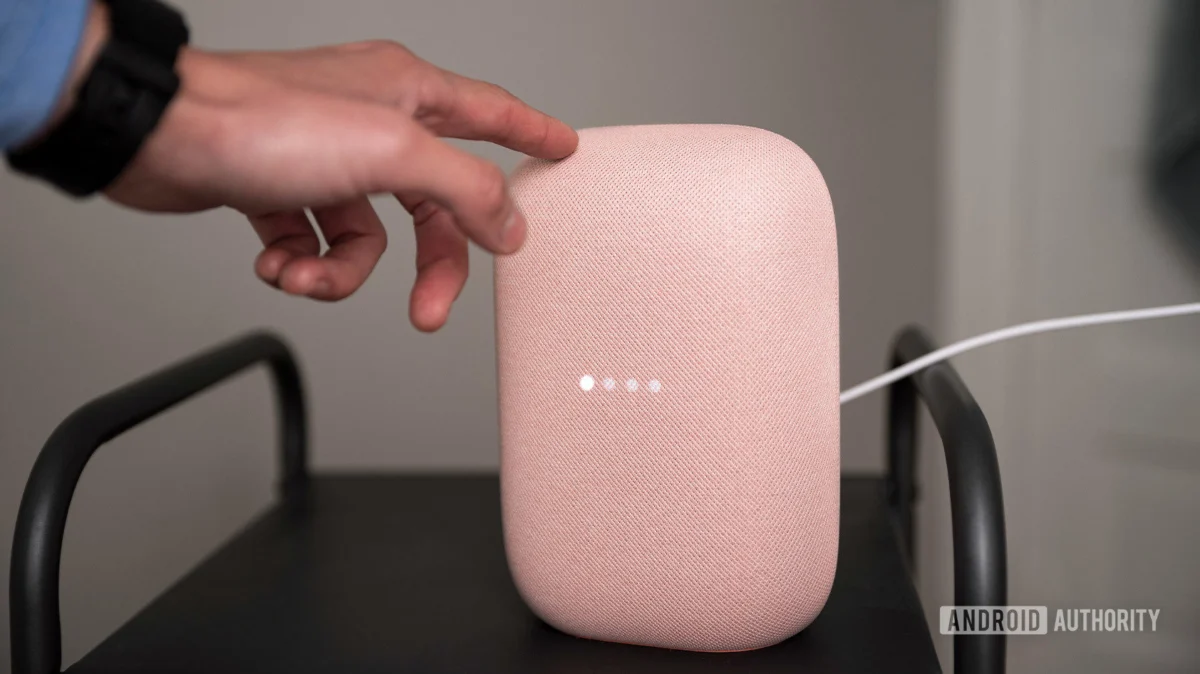
The landscape of the smart home is undergoing a definitive shift. For nearly a decade, Google’s hardware ecosystem has been anchored by its compact, fabric-covered smart speakers, which transformed the way millions of households interact with their digital assistants. However, as the company pivots toward a new generation of hardware, it has officially confirmed the discontinuation of two of its most iconic products: the Google Nest Mini and the Google Nest Audio.
This announcement coincides with the highly anticipated pre-order launch of the new Google Home Speaker. As the company streamlines its portfolio to focus on next-generation audio solutions, the retirement of the Nest line marks a bittersweet transition for consumers who have long relied on these devices as the backbone of their home automation setups.
Main Facts: A Clean Break for the Smart Home Portfolio
The transition is absolute. Following weeks of speculation fueled by dwindling inventory levels on the Google Store, the company has confirmed that production for both the Nest Mini and the Nest Audio has officially ceased.
For the average consumer, this means that these devices are effectively moving into the "legacy" phase of their lifecycle. While existing units will continue to function—retaining their ability to control smart lights, play music, and provide weather updates—they are no longer part of Google’s active development strategy for hardware expansion.
The move is strategically calculated to pave the way for the new Google Home Speaker. By removing the older, overlapping devices from its catalog, Google is attempting to simplify its retail presence and direct consumers toward a unified hardware standard that likely integrates more robust AI capabilities and hardware specifications than its predecessors.
The Chronology of an Iconic Lineup
To understand the weight of this retirement, one must look back at the timeline of Google’s audio hardware. The company’s journey into the smart speaker market was not an overnight success but a gradual evolution of design and audio fidelity.
The Home Mini Era (2017–2019)
The original Google Home Mini launched in October 2017, serving as an affordable entry point for the Google Assistant. It was a cultural phenomenon, appearing in countless stocking stuffers and holiday bundles. Its low price point and unobtrusive "pebble" design made it the primary device for users looking to equip every room in their house with voice control. In 2019, Google released the second-generation Nest Mini, which offered improved bass response and a wall-mounting feature, cementing its place as a household staple.
The Rise of the Nest Audio (2020)
As the smart home market matured, consumers began demanding higher audio quality. Recognizing this, Google launched the Nest Audio in September 2020. Designed to replace the original Google Home, it offered a significant leap in sound engineering, utilizing a more powerful woofer and tweeter configuration. It was a more "serious" piece of hardware, designed to sit prominently on bookshelves and side tables rather than tucking away into a corner.
The Present: A New Chapter
Following nearly six years of service for the Nest Audio and nearly seven for the various iterations of the Mini, these devices have reached the end of their commercially viable lifespan. The arrival of the new Google Home Speaker represents a total re-evaluation of what a smart speaker should be in the age of generative AI and advanced smart home connectivity.
Official Responses and Strategic Evolution
Google’s communication regarding the discontinuation was concise, signaling a shift in corporate priorities. In a statement provided to Tech Advisor, a company spokesperson noted:
"As we continue to build the future of the smart home, we are refining our portfolio of Google Home and Nest devices. As part of this evolution, we have ended production of the Google Nest Mini and Google Nest Audio."
This statement is classic corporate signaling. By using the term "refining," Google suggests that the previous iteration of its lineup was perhaps too fragmented. By consolidating the product line, the company can streamline software updates, focus on compatibility with the Matter standard, and ensure that new AI-driven features (such as those expected from Gemini) have a consistent hardware platform to run on.
Supporting Data: Inventory Trends and Consumer Behavior
The discontinuation was not entirely unexpected. Savvy industry analysts and long-time followers of Google’s hardware strategy had noted that the Nest Mini and Nest Audio had been consistently appearing as "out of stock" across various retail channels, including the official Google Store, for several months.
When a company of Google’s scale allows inventory to deplete without replenishment, it is almost always a precursor to a product cycle refresh. Data from early 2024 showed that retail partners were aggressively discounting the Nest Audio and Mini, likely to clear shelf space for the upcoming hardware cycle.
Furthermore, community sentiment remains high. In recent polls conducted by tech enthusiasts, a significant majority of users expressed strong attachment to these devices. The "compact yet capable" nature of the Nest Mini, in particular, made it a favorite for secondary rooms like bathrooms, kitchens, and offices. The sheer number of units sold over the last seven years ensures that these devices will remain in the wild for years to come, despite their official status as "discontinued."
The Implications: What This Means for Users
The retirement of the Nest line carries several implications for the smart home market:
1. The Legacy Device Lifecycle
Users should not panic about their current devices. Discontinuation does not mean immediate "bricking." Google has a track record of supporting its hardware with software updates for years after production ends. However, users should be aware that these devices will likely not receive new "feature drops" that rely on more powerful processing chips found in the newer Home Speaker.
2. Software and AI Integration
The primary driver behind this move is the integration of advanced AI. The new Google Home Speaker is expected to be more deeply integrated with Gemini, Google’s generative AI. Newer hardware is often required to support the increased computational demands of these advanced language models. By phasing out older hardware, Google is effectively pruning its ecosystem to ensure that future software updates don’t break under the weight of outdated silicon.
3. The Future of Matter
As the smart home industry shifts toward the Matter interoperability standard, older hardware sometimes struggles with the necessary protocol updates. Newer devices are built from the ground up to support Matter, ensuring better connectivity between devices from different manufacturers. The transition to the new Home Speaker is a clear signal that Google is fully committing to a future where its speakers act as robust hubs for a wide range of third-party smart home devices.
4. A Shift in Audio Philosophy
With the new Google Home Speaker, the company appears to be targeting a broader middle ground—offering the compact nature of the Mini with the audio fidelity that once required the larger Nest Audio. This "one-size-fits-most" approach could lead to a more simplified purchasing experience for consumers who previously found the distinction between the "Mini" and "Audio" tiers confusing.
Conclusion: A Fond Farewell to the Pebbles and Towers
The Nest Mini and Nest Audio will be remembered as the devices that brought the smart home into the mainstream. They were the entry point for many, the test-beds for voice commands, and the quiet companions that helped define the early 2020s smart home experience.
While it is always difficult to see legacy hardware retired, the evolution of the industry necessitates such change. As we look toward the potential of the new Google Home Speaker, we can appreciate the foundation laid by its predecessors. Whether you have a Mini in the bedroom or a Nest Audio in the living room, these devices have undoubtedly left an indelible mark on how we live.
For now, the best advice for existing owners is to keep those speakers running, enjoy the music, and keep an eye on the next chapter of Google’s smart home journey. Change is indeed coming, and while it marks the end of the Nest era, it promises to usher in a more intelligent, more connected future for the modern home.

 Rifan Muazin
 Azzam Bilal Chamdy