Siti Muinah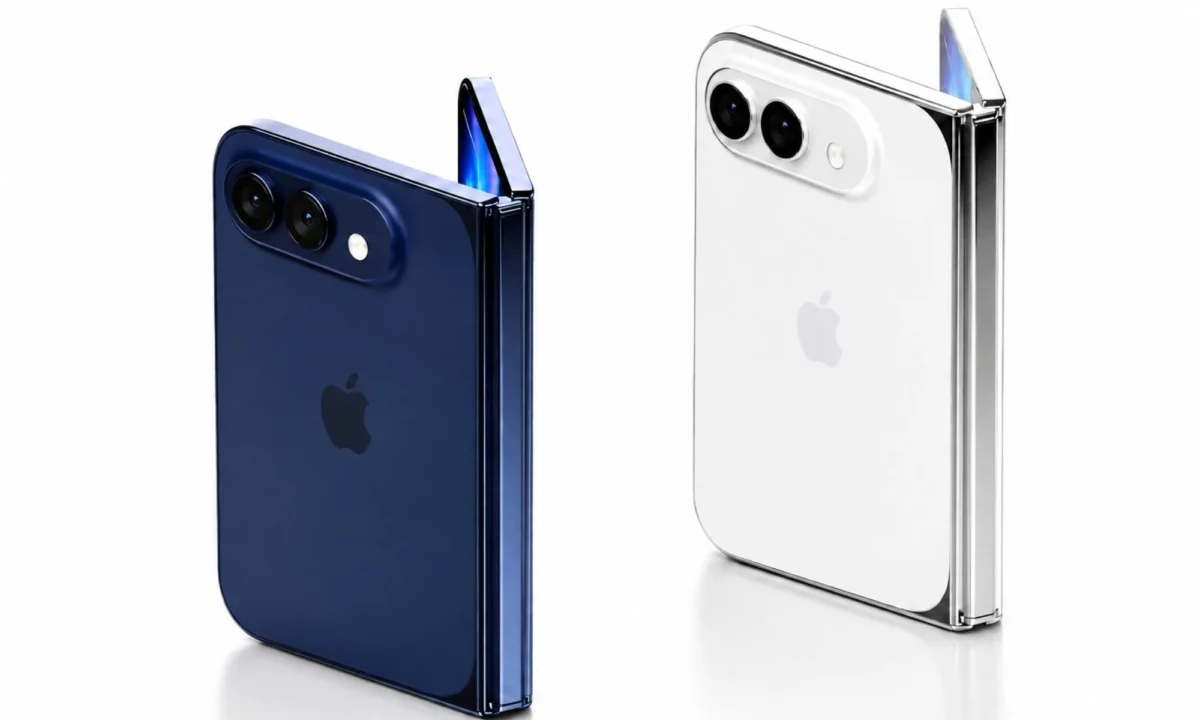
The smartphone industry stands at a precipice. For years, Apple has maintained a characteristic silence regarding the foldable form factor, opting instead to observe the iterative struggles and successes of Android competitors. However, with the first foldable iPhone slated for release later this year, the narrative has shifted from "if" to "how quickly." Recent reports suggest that Apple is not merely dipping its toes into the foldable market; it is treating the technology as a core pillar of its future hardware strategy. According to Bloomberg’s Mark Gurman, Apple is already deep into the development of a second-generation foldable iPhone, codenamed V78, with a projected launch window in 2027.
Main Facts: The Blueprint for the Second Generation
The revelation that a successor is already in the pipeline before the first iteration has even hit store shelves is a significant indicator of Apple’s long-term product philosophy. The upcoming V78 model is expected to debut alongside the highly anticipated 20th-anniversary iPhone, signaling a major hardware refresh for the company.

While the first-generation device is designed to establish Apple’s presence in the foldable category, the second-generation model is reportedly being engineered to address the inherent limitations of early-stage folding displays—specifically durability, crease management, and software optimization. By planning a follow-up just 12 months after the initial launch, Apple is signaling that it intends to treat foldables as a premium, evolving tier of its flagship lineup rather than a niche, experimental vanity project.
A Chronology of Apple’s Foldable Evolution
To understand the significance of the 2027 timeline, one must look at the slow-burn approach Apple has taken over the last decade:

- 2019–2022: The Observation Phase. During this period, Samsung, Huawei, and later Google and Oppo, dominated the headlines with experimental hinge designs and flexible glass. Apple remained noticeably absent, focusing instead on perfecting the iPhone 12, 13, and 14 series, while quietly filing hundreds of patents related to flexible display technology and internal hinge mechanisms.
- 2023–2025: Research and Prototyping. Supply chain reports began confirming that Apple was testing various panel sizes and durability standards. The focus shifted to "Apple-proofing" the technology—ensuring that the screen could survive tens of thousands of folds without degradation.
- Late 2026: The Initial Entry. The debut of the first foldable iPhone (often referred to as the iPhone Ultra or Fold) is set to occur. This device is intended to prove that Apple can deliver a "foldable that works"—prioritizing software integration and hardware reliability over the aggressive, "bleeding-edge" specs seen in early Galaxy Z Fold devices.
- 2027: The Scaling Phase. With the V78, Apple aims to refine the formula. The dual-launch strategy—coupling a new foldable with the 20th-anniversary iPhone—is designed to maximize consumer interest and solidify the foldable iPhone as a permanent, mainstream fixture in the Apple ecosystem.
Supporting Data: Form Factor and Design Philosophy
Leaked dummy units and industry whispers suggest that Apple is moving away from the tall, narrow aspect ratio that defined early foldable smartphones. Instead, the company appears to be favoring a design that feels more like a miniature iPad.
The Hardware Specs
Rumors point to a 5.5-inch cover display that allows for comfortable, standard one-handed use, and a 7.8-inch inner panel with a 4:3 aspect ratio. This specific sizing is calculated. A 7.8-inch display is remarkably close to the 8.3-inch screen of the iPad mini, providing a natural transition for users already accustomed to iPadOS multitasking. By maintaining a 4:3 format, Apple ensures that the device is better suited for reading, document editing, and side-by-side app workflows—areas where the current "tall and skinny" Android foldables often struggle.

The Software Integration
Apple’s success with the iPhone has always been predicated on the marriage of hardware and software. Sources indicate that Apple has been working closely with third-party developers to ensure that the transition between the cover display and the unfolded inner display is seamless. The company is pushing for "adaptive UI," where applications don’t just stretch to fit the screen but reconfigure their layout to utilize the extra real estate effectively. This is a direct response to the inconsistent app optimization that has plagued the Android foldable experience for years.
Industry Implications: The Shift in Market Dynamics
Apple’s aggressive entry is forcing a reactionary shift across the industry, most notably with Samsung.

Samsung’s Counter-Strategy
Reports suggest that Samsung, the current leader in the foldable space, is already preparing for the "Apple Effect." The company is reportedly developing a "Galaxy Z Fold 8 Wide" model to match the rumored dimensions of the iPhone’s foldable. By pivoting toward a wider, more natural aspect ratio, Samsung is attempting to mitigate the competitive advantage Apple is expected to gain by launching with a user-friendly, tablet-like format. The existence of a potential "Ultra" variant for the Z Fold 8 lineup further confirms that the industry is splitting into two clear tiers: standard foldables and high-end, wide-format power user devices.
The Impact on Developers and Ecosystems
The entry of a major player like Apple changes the stakes for software developers. Historically, many developers ignored foldable-specific features because the user base was too fragmented across different Android brands. With Apple’s entry, the "foldable-first" design philosophy will likely become an industry standard. If a developer wants to remain relevant on the App Store, they will have to optimize for the foldable iPhone, which will, in turn, make those apps better for Android users as well.

The 20th Anniversary Factor
The 2027 timeline is not arbitrary. It marks two decades since the original iPhone changed the world in 2007. By timing the second-generation foldable to coincide with this milestone, Apple is sending a clear message: this device represents the future of the smartphone, just as the original iPhone did 20 years ago.
This creates a high-stakes environment for Apple. The first-generation device will be scrutinized for its engineering, but the 2027 successor will be judged on its cultural impact. If Apple can successfully transition the iPhone from a static glass slab to a fluid, expandable tool, they will have effectively secured the next decade of mobile computing.

Conclusion: A Long-Term Commitment
Apple’s strategy is a masterclass in calculated patience. While rivals raced to be first, Apple waited for the technology to mature and for the software ecosystem to catch up. By already planning for a 2027 successor, the company has removed any doubt about its commitment to the category. The foldable iPhone is not a fleeting trend or a one-year experiment; it is the inevitable evolution of the device that redefined our lives.
As we look toward the 2027 landscape, it is clear that the competition is no longer just about who has the best hinge or the brightest screen. It is about who can best integrate the foldable form factor into a lifestyle that demands both portability and productivity. With the V78, Apple is betting that it can do just that, ensuring that the "20th Anniversary" of the iPhone is not just a look back at the past, but a definitive step into the future.


 Azzam Bilal Chamdy
 Layla Zulfa