In the rapidly evolving ecosystem of home-lab computing, two titans have emerged as the gold standards for virtualization and data management: Proxmox Virtual Environment (PVE) and TrueNAS. For years, these platforms occupied distinct niches—Proxmox as the hypervisor powerhouse for enterprise-grade virtualization, and TrueNAS as the bedrock of ZFS-based storage reliability. However, recent software updates have blurred these lines, leading to a complex landscape where the two platforms increasingly overlap in capability.
For enthusiasts, developers, and data hoarders, the choice between them is no longer as binary as it once was. As TrueNAS matures its virtualization stack and Proxmox continues to refine its cluster management, we are witnessing a convergence that challenges how home servers are architected.
The Core Landscape: A Tale of Two Philosophies
To understand the current rivalry, one must first appreciate the architectural foundations of both systems.
Proxmox is built on Debian, utilizing KVM (Kernel-based Virtual Machine) for virtualization and LXC (Linux Containers) for lightweight application hosting. Its primary strength lies in its "do-anything" nature. It is a hypervisor first, meaning it excels at managing compute, networking, and memory resources with granular precision.
TrueNAS, conversely, is built on the rock-solid reliability of OpenZFS. Historically, its focus has been singular: keeping data safe, accessible, and redundant. While it has always supported jails (in the FreeBSD-based Core) and VMs, these were historically secondary features meant to complement the storage functions rather than replace a dedicated hypervisor.
Chronology of Convergence: How the Lines Blurred
The shift in the home-lab hierarchy did not happen overnight. It was a calculated evolution driven by the demands of the modern self-hosting community.
2024: The "Electric Eel" Paradigm Shift
In 2024, TrueNAS introduced the "Electric Eel" update, a watershed moment for the platform. By transitioning its backend from a complex Kubernetes-based deployment to a streamlined Docker runtime, iXsystems made self-hosting accessible to a broader audience. This shift allowed users to deploy apps via simple templates rather than wrestling with the overhead of a full K8s cluster, effectively closing the "ease-of-use" gap that previously favored Proxmox.
2025: The Incus Integration
By mid-2025, TrueNAS version 25.06 arrived, bringing a sophisticated, Incus-based wrapper for its virtual machine stack. While still fundamentally powered by KVM, the implementation of TPM (Trusted Platform Module) support and Secure Boot made deploying Windows 11 virtual machines—a common pain point for home users—seamless.

2026: The Rise of LXC Support
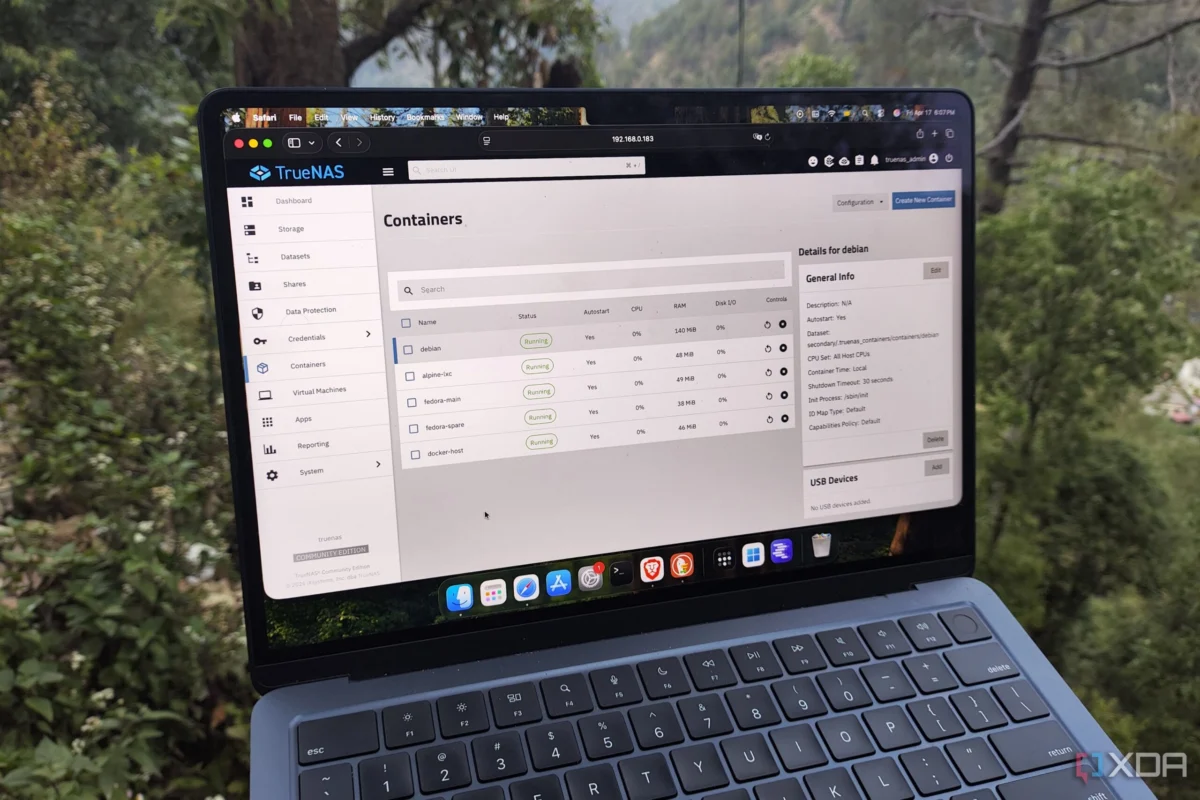
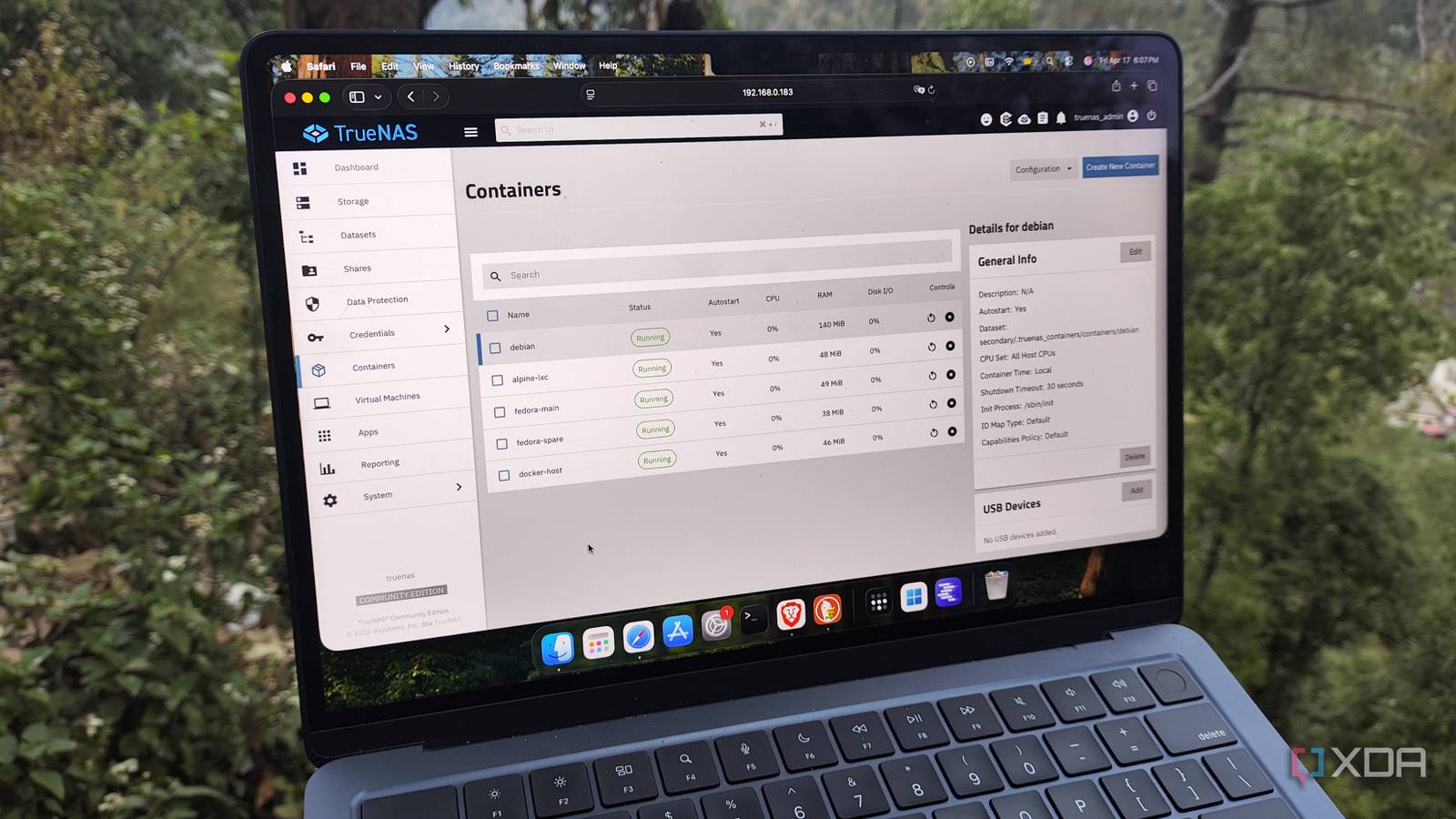
As of July 2026, TrueNAS has integrated native LXC support. This was the final piece of the puzzle for many. With the ability to host lightweight Linux containers natively, the distinction between a "storage server" and an "application server" has all but vanished for the average user.
Supporting Data: Why Virtualization on NAS Matters
The primary driver for running VMs on a NAS is the elimination of "storage friction." In a traditional Proxmox setup, storage-heavy virtual machines (such as media servers or databases) often require network shares (NFS, SMB, or iSCSI) to access data housed on a separate NAS. This adds latency and network overhead.
Storage Efficiency Metrics
By running virtual guests directly on the storage host (TrueNAS), users can leverage the underlying ZFS datasets directly.
- Reduced Overhead: Eliminating the network stack for disk I/O reduces CPU interrupts and latency.
- Capacity Management: Users can allocate massive virtual disks from a 6TB or 10TB pool without needing to manage complex network mounts or external storage protocols.
- Snapshots and Replication: Native ZFS integration allows for near-instant snapshots of both the VM and the data it consumes, providing a unified backup strategy that is difficult to replicate across separate physical nodes.
For instance, users hosting data-intensive services like RomM, Navidrome, or Audiobookshelf benefit significantly from local access. By mapping these services directly to the datasets containing the media, the system achieves a level of performance and simplicity that is the envy of any tiered storage architecture.
The Persistent Divide: Where Proxmox Still Reigns
Despite the massive strides made by TrueNAS, it is not yet a wholesale replacement for a dedicated Proxmox cluster. There are fundamental architectural differences that keep the two platforms distinct.
1. Networking and SDN
Proxmox’s Software-Defined Networking (SDN) stack remains superior. The ability to create complex virtual bridges, VLAN tagging, and sophisticated firewall rules on a per-VM or per-container basis is baked into the PVE DNA. For power users building complex network topologies in their home labs, Proxmox offers a level of control that TrueNAS, with its more rigid configuration, simply cannot match.
2. The Clustering Gap
Proxmox offers high-availability (HA) and Ceph-based clustering out of the box, free of charge. Users can migrate virtual machines between physical nodes in real-time with zero downtime. While TrueNAS supports high-availability, it is largely reserved for enterprise-tier deployments, often hidden behind licensing walls or requiring specific hardware configurations that are cost-prohibitive for the typical home-labber.
3. Resource Efficiency and Footprint
Proxmox is remarkably lean. It can be installed on hardware as modest as an old laptop with 2GB of RAM. TrueNAS, by design, is a resource-hungry beast—it thrives on high memory counts to cache ZFS operations. Requiring 8GB of RAM as a baseline makes TrueNAS an impractical choice for low-power, recycled hardware projects where Proxmox excels.
Implications for the Home-Lab Enthusiast
The current state of the market suggests that the "All-in-One" server is the new target for many enthusiasts, but it comes with a warning.
The Risk of the "Single Point of Failure"
The primary implication of consolidating everything into a single NAS-hypervisor is the increased risk of catastrophic failure. If a user runs "wacky" experimental scripts or unstable Docker containers on their primary storage server, they risk corrupting the very datasets they are trying to protect.
Professional system administrators have long preached the "separation of concerns"—keeping storage separate from compute. By blurring these lines, we are entering an era of convenience, but at the cost of potential stability. The lesson for the home-lab community is clear: Virtualization on a NAS is an excellent convenience for stable, storage-hungry services, but experimental workloads still belong on a dedicated, isolated hypervisor.
The Future of the Ecosystem
As we move into late 2026, the industry is seeing a shift toward "modular" home labs. Many power users are now adopting a hybrid approach:
- TrueNAS serves as the immutable, high-reliability storage backend.
- Proxmox serves as the flexible, high-performance compute layer.
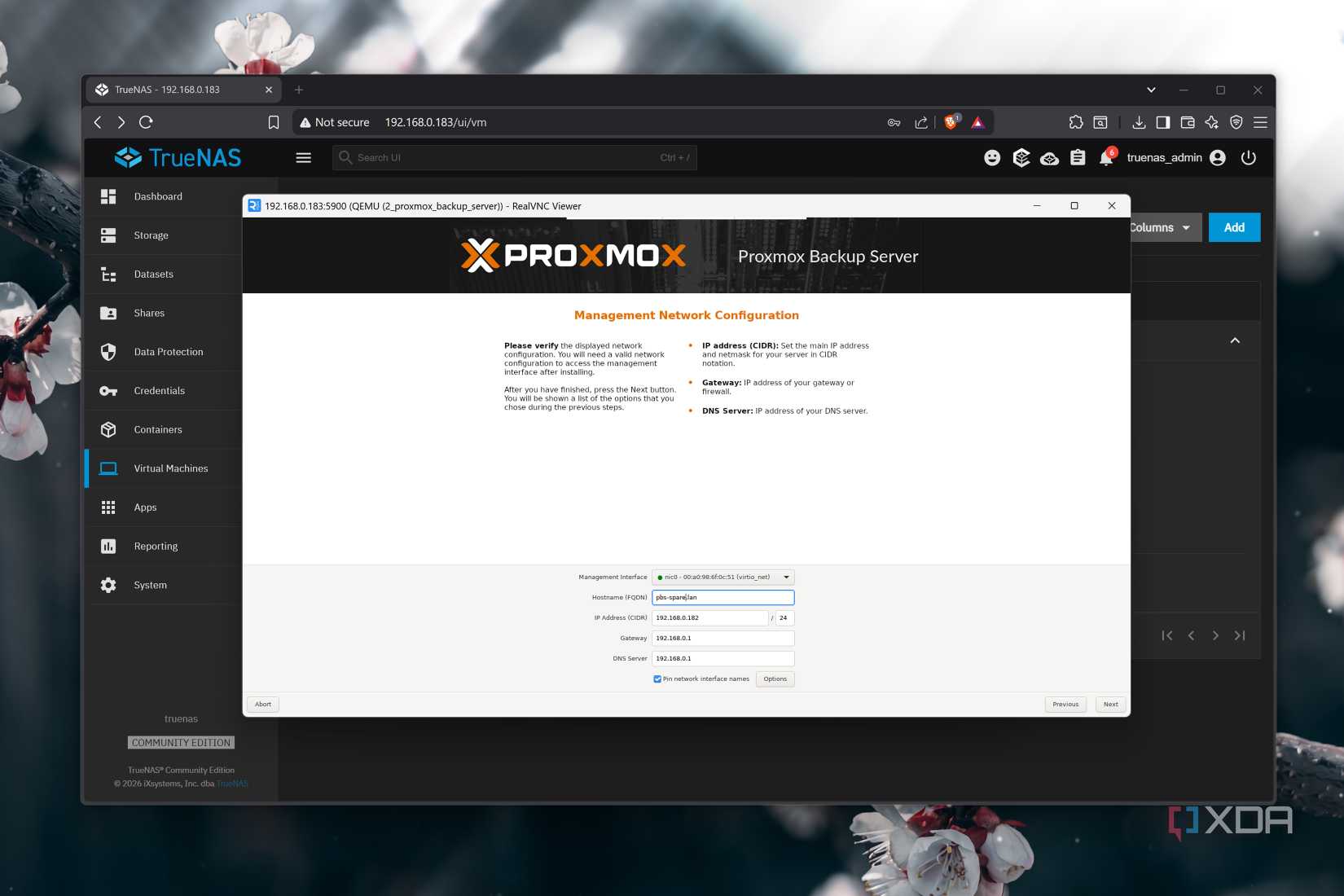
- Proxmox Backup Server (PBS) bridges the two, allowing for efficient, deduplicated backups of VMs back onto the TrueNAS storage.
This synergy proves that these platforms are not necessarily competitors, but rather complementary components in a sophisticated home infrastructure.
Conclusion: Choosing Your Path
The evolution of TrueNAS into a more capable virtualization host is a win for the entire community. It has forced the industry to rethink the traditional boundaries of server roles.
If your goal is to minimize your hardware footprint and you have a clear, stable set of services you want to run, TrueNAS now offers a compelling, all-in-one package. Its integration of LXC and Docker, paired with its legendary ZFS performance, makes it a powerhouse for home media and data management.
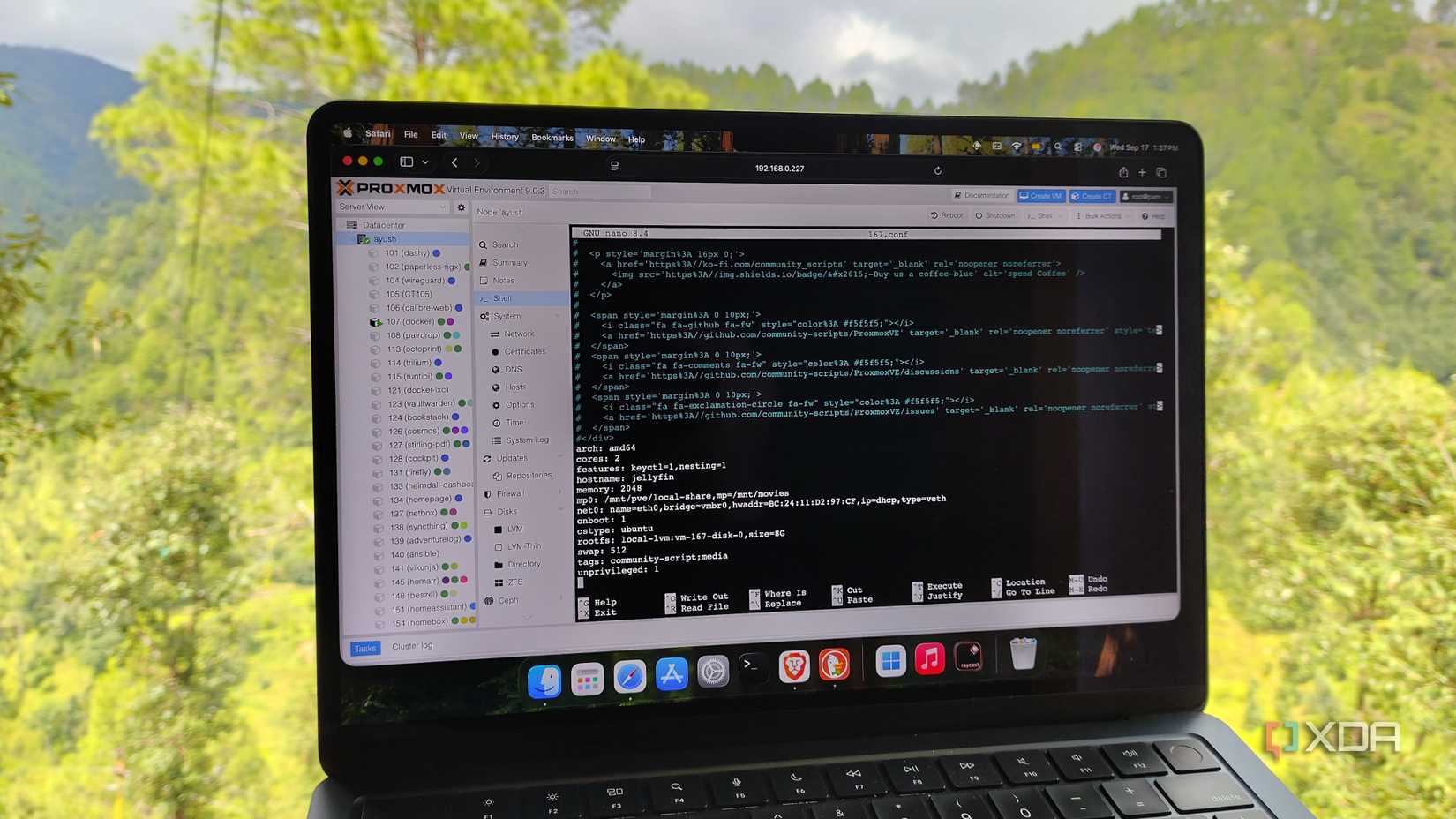
However, for those who view their home lab as a playground for networking, cluster management, and experimental DevOps, Proxmox remains the undisputed king. Its flexibility, open-source nature, and unmatched resource efficiency make it the preferred tool for those who demand total control over their compute environment.
Ultimately, the best home lab isn’t the one that uses the "best" software; it’s the one that balances the stability of your data with the freedom to innovate. Whether you choose the path of consolidation or the path of separation, the tools available today are more powerful than at any point in history.